Kirjailija
David Scott
Kirjat ja teokset yhdessä paikassa: 168 kirjaa, julkaisuja vuosilta 1992-2026, suosituimpien joukossa The 51st State. Vertaile teosten hintoja ja tarkista saatavuus suomalaisista kirjakaupoista.
168 kirjaa
Kirjojen julkaisuhaarukka 1992-2026.
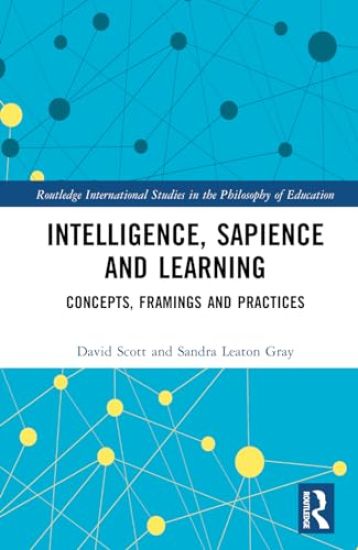
Examining the idea of intelligence in its diverse sociological and philosophical formations, Intelligence, Sapience and Learning explores the multiple and often complex meanings associated with the concept of intelligence, and its relationships with learning, curriculum and sapience. Scott and Leaton Gray explain a series of key concepts central to understanding the meta-concepts and practices of intelligence, learning and curriculum. These concepts include epistemology, free will and volition, hermeneutics, pragmatism, strong normative evaluations and pedagogy, amongst others. Focusing on six praxes that form a genealogy of the concept of intelligence, Scott and Leaton Gray argue for a re-framing of the concept and practice of intelligence, with profound consequences for how modern societies should be organised and how people should live their lives. This book is a follow-up to Women Curriculum Theorists: Power, Knowledge and Subjectivity, and takes a fresh look at the concept and practice of intelligence. It will appeal to curriculum theorists and those with an interest in curriculum and learning matters, as well as those working in the philosophy and sociology of education.

What was distinctive about the evil of the transatlantic slave trade and New World slavery? In what ways can the present seek to rectify such historical wrongs, even while recognizing that they lie beyond repair? Irreparable Evil explores the legacy of slavery and its moral and political implications, offering a nuanced intervention into debates over reparations.David Scott reconsiders the story of New World slavery in a series of interconnected essays that focus on Jamaica and the Anglophone Caribbean. Slavery, he emphasizes, involved not only scarcely imaginable brutality on a mass scale but also the irreversible devastation of the ways of life and cultural worlds from which enslaved people were uprooted. Colonial extraction shaped modern capitalism; plantation slavery enriched colonial metropoles and simultaneously impoverished their peripheries. To account for this atrocity, Scott examines moral and reparatory modes of history and criticism, probing different conceptions of evil. He reflects on the paradoxes of seeking redress for the specific moral evil of slavery, criticizing the limitations of liberal rights-based arguments for reparations that pursue reconciliation with the past. Instead, this book argues, in making the urgent demand for reparations, we must acknowledge the fundamental irreparability of a wrong of such magnitude.
The Paradox of Freedom is an exploration of the life and work of Orlando Patterson, probing the relationship between the circumstances of his life from their beginnings in rural Jamaica to the present and the complex development of his intellectual work. A novelist and historical sociologist with an orientation toward public engagement, Patterson exemplifies one way of being a Jamaican and Black Atlantic intellectual. At the generative center of Patterson’s work has been a fundamental inquiry into the internal dynamics of slavery as a mode of social and existential domination. What is most provocatively significant in his work on slavery is the way it yields a paradoxical insight into the problem of freedom – namely, that freedom was born existentially and historically from the degradation and parasitic inhumanity of slavery and was as much the creation of the enslaved as of their enslavers. The Paradox of Freedom elucidates the pathways by which Patterson has both uncovered the relationship between domination and freedom and engaged intellectually and publicly with the struggles for equality and decolonization among descendants of the enslaved. It will be of great interest to students and scholars throughout the humanities and social sciences and to anyone interested in the work of one of the most important public intellectuals of our time.
In the late 1990s, Manchester was a city in upheaval. The devastation of the IRA bomb and the closure of the notorious Haçienda nightclub were seismic events that rocked the city’s confidence at a time when identikit bands were flooding its clubs and bars, fuelled on anthemic guitar rock and swagger. Stereotypes were everywhere, while the spirit of Manchester was silently suffocating.Mancunians: Where do we start, where do I begin? is the story of those who didn’t fit the typecast: the musicians of colour, the football fans alienated by rampant commercialism, frustrated public figures, optimistic developers and ambitious artists.Through a mixture of memoir and interviews with well-known Mancunians such as Guy Garvey, Tunde Babalola, Sylvia Tella, Badly Drawn Boy and Stan Chow, David Scott portrays the city at the turn of the century in a way never seen before.
Most published bodies of work relating to curriculum theory focus exclusively, or almost exclusively, on the contributions of men. This is not representative of influences on educational practices as a whole, and it is certainly not representative of educational theory generally, as women have played a significant role in framing the theory and practice of education in the past. Their contribution is at least equal to that of men, even though it may not immediately appear as visible on library shelves or lecture lists. This book addresses this egregious deficit by asking readers to engage in an intellectual conversation about the nature of women’s curriculum theory, as well as its impact on society and thought in general. It does this by examining the work of twelve women curriculum theorists: Maxine Greene, Susan Haack, Julia Kristeva, Martha Nussbaum, Nel Noddings, Jane Roland Martin, Marie Battiste, Dorothea Beale, Susan Isaacs, Maria Montessori, Mary Warnock and Lucy Diggs Slowe.The book is not an encyclopaedia, nor is it a history book. It aims to bring to the reader’s attention, through a semantic rendition of the world, those seminal relationships that exist between the three meta-concepts that are addressed in the work, feminism, learning and curriculum. It will appeal to scholars and researchers with interests in curriculum, and the philosophy and sociology of education.
Discover the evolution of governments everywhere This social studies book explores the past, present, and possible futures of governments around the world. Across the world, local, state, and national governments work to protect and serve their citizens. This teacher-approved book provides students with opportunities to understand the ins and outs of government, including how governments from different countries can work together. The book covers the structure and history of each type of government in an easy-to-follow way. With a glossary and index, essential discussion questions, and other engaging features, this book brings the intricacies of government to life for students.
Explore the beautiful land and ancient history of the Middle East This social studies book describes the rich art, science, and culture of the land where Africa, Asia, and Europe meet. Known as a cradle of civilization, the Middle East is famous for its natural resources and fascinating past. This teacher-approved book offers students opportunities to understand life in the Middle East, including the history of indigenous peoples in the region. The book incorporates the geography, history, economics, and civics of the Middle East in an easy-to-follow way. With a glossary and index, key discussion questions, and other useful tools, this book brings the wonders of the Middle East to life for students.
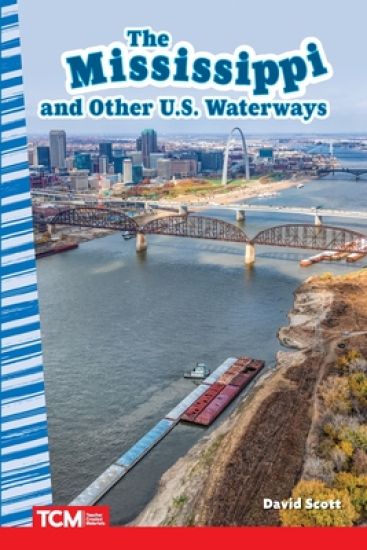
Explore the amazing life of the Mississippi River This Primary Source Reader details the geography history economics and civics of important U.S. waterways. Includes meaningful activities and text features to expand social studies skills.
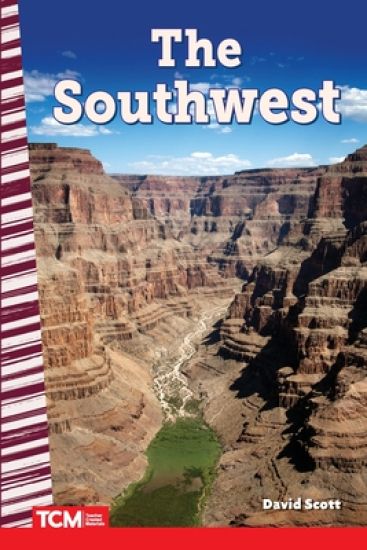
Dive into the fascinating culture of the southwestern United States This Primary Source Reader covers the geography history economics and civics of the Southwest. Includes engaging activities and text features to build social studies skills.
Every year away from the eyes of moral and respectful people a game is held in which only one may survive.It is the Massacre This year it is being held on an island where they will fight, slay and torment each under the watchful eyes of the debased, debauched and the desensitized.The players include those with only the will the bring with them.Victoria with a single reason to liveHaru seeks purposeGary huntsDog follows orders And Teddy, with the simple love of the gameThey all will go through hell during these games but there is one simple factEveryone is exactly where they want to be.
A family running a vineyard in the post-World War II era are in crisis. But why, when the prosperous winery is world-renowned for its award-winning wine? The Algie family are held in high esteem within the small Murray Valley town, Howard and Elizabeth being pillars of society.Yet all is not what it seems. Mother and daughter have a strained relationship; father and one of the sons are antagonistic to each other, to the point of murderous intent; and the youngest child is introverted. What dark family secret lurks beneath the happy facade that is so carefully nurtured by Howard and Elizabeth? A secret so soul-destroying that hatred threatens to turn to murder-and madness.It is a story that lurks in many towns and cities, mostly hidden from prying eyes. It is a tale of truth, denial, and shame, one where exposure affects every member of the family, shattered lives that only time might mend.It is a story of power and loss, of stubborn disbelief at the expense of broken loyalties that leave victims without hope or trust, at the edge of sanity.The author's stage-play drama of the story was so confrontational that sections of audiences remained seated at the end to compose themselves.
The author describes how an ignored alarm clock led to meeting the love of his life, and eventually three children. He shares his experiences doing business in the Common Market, communist countries, the Middle East and Africa from 1961 to 1980. This book is based on lengthy Christmas letters widely shared with family and friends annually from 1961 to 1980.
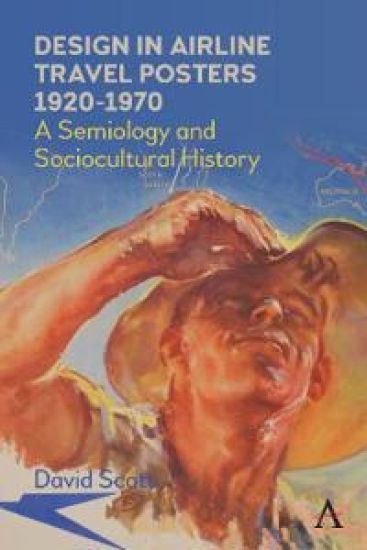
This book studies design in airline travel posters of the 1920–1970: period. It is both a semiology and a sociocultural cultural history that explores the way advertising posters combine information and fantasy to create seductive images/texts. The book is lavishly illustrated in colour, the images constituting part of the overall argument. The field of poster studies is vast, but it is surprising how little work has been done till date on the fundamental structures – semiotic and semantic – that underpin the visual messages posters produce. Most studies of posters focus either on their history; on specific themes – politics, travel, sport, cinema; or on their status as collectable items. Though such approaches are valid, they hardly account for the specificity of the poster’s appeal or for the complex semiotic and cultural issues poster art raises. This book sets out to tackle these latter issues since they are fundamental both to the deeper significance and to the wider appeal of the poster as a cultural form. In doing so it focuses on the field of airline travel posters which developed precisely in the period of the twentieth century (1920–1970) that coincided with the onset of mass travel.
The Print of the Nails
Paula Gooder; Barbara Brown Taylor; David Hart; Timothy Radcliffe; Malcolm Guite; Mark Oakley; Rachel Mann; Tom Wright; Ben Quash; David Scott; Samuel Wells
CANTERBURY PRESS NORWICH
2022
nidottu
Each year, the Holy Week and Easter double issue of the Church Times offers a wealth of seasonal reading and resources for worship and preaching. This volume, like its companion Christmas collection, draws together outstanding features from the past twenty years. It includes: * Meditations on the Stations of the Cross by the poet David Scott; * A short story set in Gethsemane by David Hart; * Timothy Radcliffe on the alternative to conflict symbolised by the Last Supper; * Sam Wells on Pilate and what he - and we - could do differently; * Richard Harries on the art of Good Friday; * Peter Stanford on Judas; * Michael Perham on why Easter celebrations should start in the dark; * Stephen Cleobury on the carols of Easter; * Mark Oakley on the poetry of the cross; * Paula Gooder on why the resurrection is central to faith; * Reflections on the season's lectionary readings, and much besides. In life Jesus had 'nowhere to lay his head' and in death was laid in a borrowed tomb. Mindful of this, all royalties from this book will go to the Church Homeless Trust.