
Kirjailija
Devdutt Pattanaik
Kirjat ja teokset yhdessä paikassa: 65 kirjaa, julkaisuja vuosilta 2000-2026, suosituimpien joukossa Sita Ke Paanch Nirnay. Vertaile teosten hintoja ja tarkista saatavuus suomalaisista kirjakaupoista.
65 kirjaa
Kirjojen julkaisuhaarukka 2000-2026.
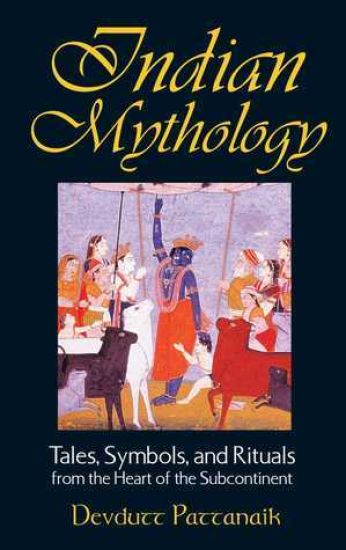
From the blood-letting Kali to the mysterious Ganesha, the Hindu spiritual landscape is populated by characters that find no parallel in the Western spiritual world. Indian Mythologyexplores the rich tapestry of these characters within 99 classic myths, showing that the mythological world of India can be best understood when we move away from a Western, monotheistic mindset and into the polytheistic world of Hindu traditions. Featuring 48 artistic renderings of important mythological figures from across India, the author unlocks the mysteries of the narratives, rituals, and artwork of ancient India to reveal the tension between world-affirming and world-rejecting ideas, between conformism and contradiction, between Shiva and Vishnu, Krishna and Rama, Gauri and Kali. This groundbreaking book opens the door to the unknown and exotic, providing a glimpse into the rich mythic tradition that has empowered millions of human beings for centuries.
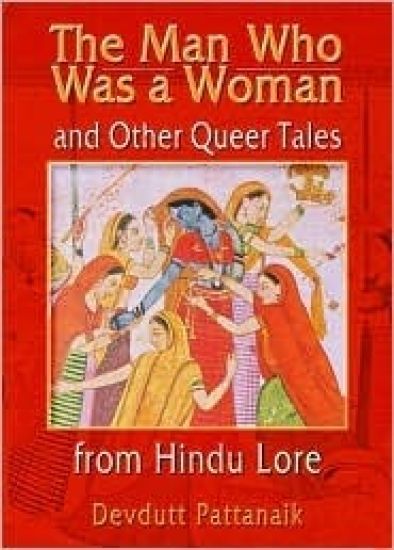
The Man Who Was a Woman and Other Queer Tales from Hindu Lore
Devdutt Pattanaik
Routledge Member of the Taylor and Francis Group
2002
sidottu
A god transforms into a nymph and enchants another god.A king becomes pregnant.A prince discovers on his wedding night that he is not a man.Another king has children who call him both father and mother. A hero turns into a eunuch and wears female apparel. A princess has to turn into a man before she can avenge her humiliation. Widows of a king make love to conceive his child. Friends of the same sex end up marrying each other after one of them metamorphoses into a woman. These are some of the tales from Hindu lore that this unique book examines. The Man Who Was a Woman and Other Queer Tales from Hindu Lore is a compilation of traditional Hindu stories with a common thread: sexual transformation and gender metamorphosis. In addition to the thought-provoking stories in The Man Who Was a Woman and Other Queer Tales from Hindu Lore, you'll also find: an examination of the universality of queer narratives with examples from Greek lore and Irish folklore a comparison of the Hindu paradigm to the biblical paradigm a look at how Hindu society and Hindu scripture responds to queer sexuality a discussion of the Hijras, popularly believed to be the “third gender” in India--their probable origin, and how they fit into Hindu societyWith the telling of each of these tales, you will also learn how the author came upon each of them and how they relate to the context of dominant Hindu attitudes toward sex, gender, pleasure, fertility, and celibacy.
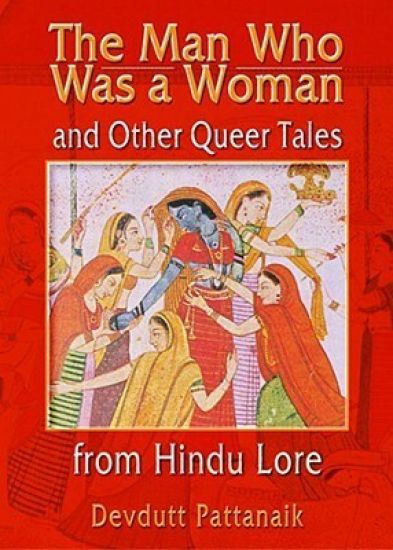
The Man Who Was a Woman and Other Queer Tales from Hindu Lore
Devdutt Pattanaik
Routledge Member of the Taylor and Francis Group
2001
nidottu
A god transforms into a nymph and enchants another god.A king becomes pregnant.A prince discovers on his wedding night that he is not a man.Another king has children who call him both father and mother. A hero turns into a eunuch and wears female apparel. A princess has to turn into a man before she can avenge her humiliation. Widows of a king make love to conceive his child. Friends of the same sex end up marrying each other after one of them metamorphoses into a woman. These are some of the tales from Hindu lore that this unique book examines. The Man Who Was a Woman and Other Queer Tales from Hindu Lore is a compilation of traditional Hindu stories with a common thread: sexual transformation and gender metamorphosis. In addition to the thought-provoking stories in The Man Who Was a Woman and Other Queer Tales from Hindu Lore, you'll also find: an examination of the universality of queer narratives with examples from Greek lore and Irish folklore a comparison of the Hindu paradigm to the biblical paradigm a look at how Hindu society and Hindu scripture responds to queer sexuality a discussion of the Hijras, popularly believed to be the “third gender” in India--their probable origin, and how they fit into Hindu societyWith the telling of each of these tales, you will also learn how the author came upon each of them and how they relate to the context of dominant Hindu attitudes toward sex, gender, pleasure, fertility, and celibacy.
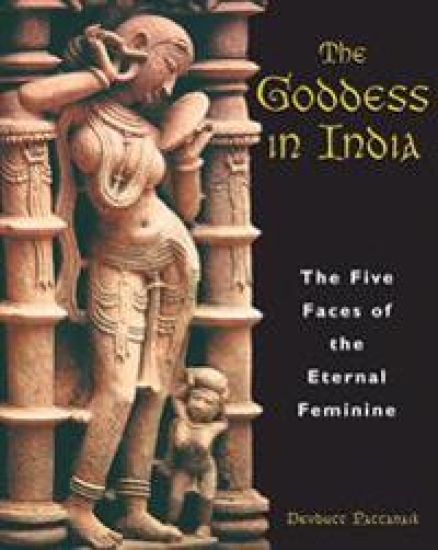
The first exhaustive collection of goddess mythologies from India. Explores the evolution of goddess worship in India over 4,000 years. Stunning color photographs illustrate many stories of goddess lore never before available in one collection. In India it is said that there is a goddess in every village, a nymph in every lake. Demonesses stand guard on village frontiers, ogresses howl on crossroads, and untamed forests resound with the laughter of celestial virgins. It is a land of mysterious Apsaras and seductive Yakshinis, of terrifying Dakinis and wise Yoginis--each with a story to tell. In this wide-reaching exploration of ancient Hindu lore and legends, author Devdutt Pattanaik discovers how earth, women and goddesses have been perceived over 4,000 years. Some of the tales recounted are revered classics, others are common and folklorish, often held in disdain by priests. Until now, most have remained hidden, isolated in distant hamlets or languishing in forgotten libraries, overwhelmed by the din of masculine sagas.As the tales come to light through word and stunning color imagery, the author identifies the five faces given to the eternal feminine as man sought to unlock the mysteries of life: the female half of existence is at first identified with Nature, gradually deified and eventually objectified. She comes to be seen as the primal mother, fountainhead of life and nurturance. The all-giving mother then transforms into the dancing nymph, a seductress offering worldly pleasures that bind man in the cycle of life. As this nymph is domesticated, the dominant image of woman becomes the chaste wife with miraculous powers. Finally the submissive consort redefines herself as the wild and terrifying goddess who does battle, drinks blood, and demands appeasement. Exploring mysteries of gender and biology, and shedding light on the roots of taboos and traditions practiced in India today, the author shows how the image of the Mother Goddess can be both worshipped and feared when she carries the face of mortal woman.