Kirjojen hintavertailu. Mukana 12 390 323 kirjaa ja 12 kauppaa.

Kirjailija

Douglas Robinson

Kirjat ja teokset yhdessä paikassa: 68 kirjaa, julkaisuja vuosilta 1992-2026, suosituimpien joukossa You-Gin One-Gin. Vertaile teosten hintoja ja tarkista saatavuus suomalaisista kirjakaupoista.

68 kirjaa

Kirjojen julkaisuhaarukka 1992-2026.

Performative Linguistics

Performative Linguistics

Douglas Robinson

Routledge
2002
sidottu
In this book, Douglas Robinson introduces a new distinction between 'constative' and 'performative' linguistics, arguing that Austin's distinction can be used to understand linguistic methodologies. Constative linguistics, Robinson suggests, includes methodologies aimed at 'freezing' language as an abstract sign system, while performative linguistics explores how language is used or 'performed' in those speech situations. Robinson then tests his hypothesis on the act of translation.Drawing on a range of language scholars and theorists, Performative Linguistics consolidates the many disparate action-approaches to language into a new paradigm for the study of language.
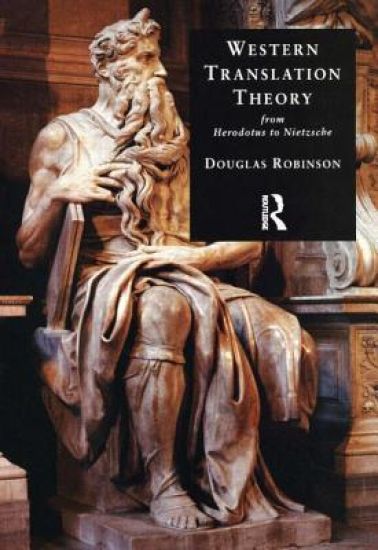
Western Translation Theory from Herodotus to Nietzsche

Western Translation Theory from Herodotus to Nietzsche

Douglas Robinson

St Jerome Publishing
2002
nidottu
Douglas Robinson offers the most comprehensive collection of translation theory readings available to date, from the Histories of Herodotus in the mid-fifth century before our era to the end of the nineteenth century. The result is a startling panoply of thinking about translation across the centuries, covering such topics as the best type of translator, problems of translating sacred texts, translation and language teaching, translation as rhetoric, translation and empire, and translation and gender.This pioneering anthology contains 124 texts by 90 authors, 9 of them women. Sixteen texts by 4 authors appear here for the first time in English translation; 17 texts by 9 authors appear in completely new translations. Every entry is provided with a bibliographical headnote and footnotes.Intended for classroom use in History of Translation Theory, History of Rhetoric or History of Western Thought courses, this anthology will also prove useful to scholars of translation and those interested in the intellectual history of the West.
Performative Linguistics

Performative Linguistics

Douglas Robinson

Routledge
2002
nidottu
In this book, Douglas Robinson introduces a new distinction between 'constative' and 'performative' linguistics, arguing that Austin's distinction can be used to understand linguistic methodologies. Constative linguistics, Robinson suggests, includes methodologies aimed at 'freezing' language as an abstract sign system, while performative linguistics explores how language is used or 'performed' in those speech situations. Robinson then tests his hypothesis on the act of translation.Drawing on a range of language scholars and theorists, Performative Linguistics consolidates the many disparate action-approaches to language into a new paradigm for the study of language.
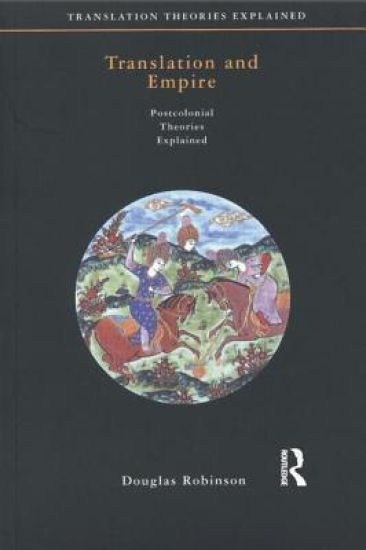
Translation and Empire

Translation and Empire

Douglas Robinson

St Jerome Publishing
1997
nidottu
Arising from cultural anthropology in the late 1980s and early 1990s, postcolonial translation theory is based on the observation that translation has often served as an important channel of empire. Douglas Robinson begins with a general presentation of postcolonial theory, examines current theories of the power differentials that control what gets translated and how, and traces the historical development of postcolonial thought about translation. He also explores the negative and positive impact of translation in the postcolonial context, reviewing various critiques of postcolonial translation theory and providing a glossary of key words. The result is a clear and useful guide to some of the most complex and critical issues in contemporary translation studies.
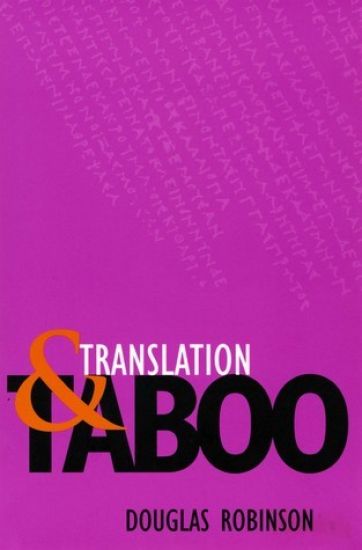
Translation and Taboo

Translation and Taboo

Douglas Robinson

Northern Illinois University Press
1996
pokkari
From the time of the first written sacred texts in the West, taboo has proscribed the act and art of translation. So argues Robinson, who with candor verging on iconoclasm explores the age-old prohibition of translation of sacred texts and shows how similar taboos influence intercultural exchange even today. Probing concepts about language, culture, and geopolitical boundaries-both archaic and contemporary-he examines the philosophy and theory of translation and intercultural exchange. In the process, he challenges presuppositions about what cultures hold sacred.
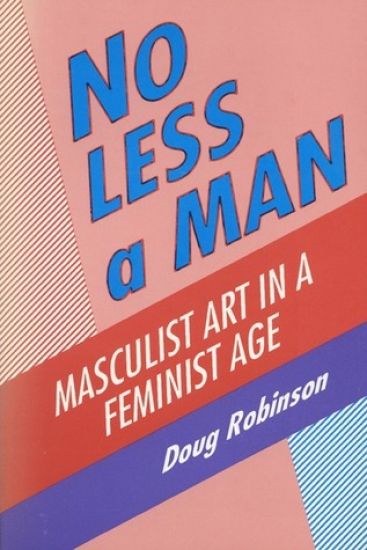
No Less a Man

No Less a Man

Douglas Robinson

Bowling Green University Popular Press,US
1994
nidottu
Robert B. Parker's detective Spenser. John Rambo, created by David Morrell and played on the silver screen by Sylvester Stallone. Bruce Springsteen. All three, Douglas Robinson claims, are central figures in a new form of popular men's art: art that explores what it means to be a man in a feminist age. Robinson develops a three-stage transformation myth out of Joseph Campbell's studies of hero mythology: the road of trials, on which repressive -normality- is tested and found lacking (Spenser); a symbolic death in which defensive rational ego-structures are surrendered (the Rambo of First Blood); and regeneration and return, the gradual rebirth of masculinity in a redemptive transformation (Springsteen).
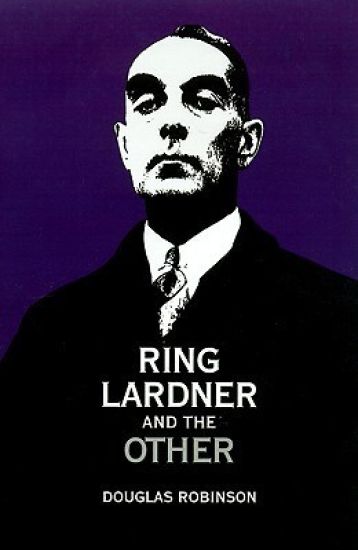
Ring Lardner and the Other

Ring Lardner and the Other

Douglas Robinson

Oxford University Press Inc
1993
sidottu
Ring Lardner was one of the most popular figures of the early twentieth century - newspaper columnist, sports writer, short story writer and personality - yet he has received little attention from scholars. Douglas Robinson's new book examines the writings of a critically neglected American writer; it also uses Lardner as the basis for a theoretical inquiry into language and literature, and a study of men and masculinity at the turn of the century.