Kirjojen hintavertailu. Mukana 12 257 878 kirjaa ja 12 kauppaa.

Kirjailija

Elie Wiesel

Kirjat ja teokset yhdessä paikassa: 72 kirjaa, julkaisuja vuosilta 1920-2025, suosituimpien joukossa Dimensions of the Holocaust. Vertaile teosten hintoja ja tarkista saatavuus suomalaisista kirjakaupoista.

72 kirjaa

Kirjojen julkaisuhaarukka 1920-2025.

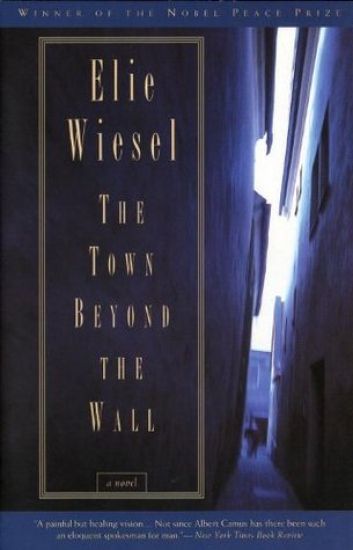
The Town Beyond the Wall

The Town Beyond the Wall

Elie Wiesel

Schocken Books
1995
pokkari
Michael--a young man in his thirties, a concentration camp survivor--makes the difficult trip behind the Iron Curtain to the town of his birth in Hungary. He returns to find and confront "the face in the window"--the real and symbolic faces of all those who stood by and never interfered when the Jews of his town were deported. In an ironic turn of events, he is arrested and imprisoned by secret police as a foreign agent. Here he must confront his own links to humanity in a world still resistant to the lessons of the Holocaust.
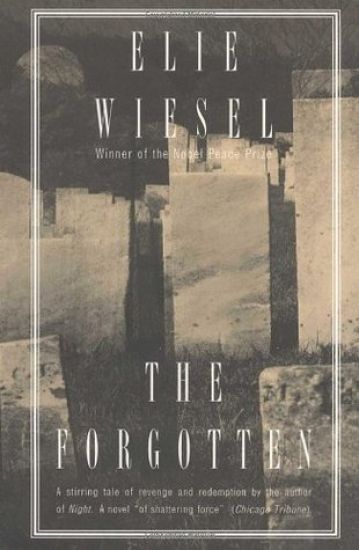
The Forgotten

The Forgotten

Elie Wiesel

SCHOCKEN BOOKS INC
1995
nidottu
A Holocaust survivor struggles to come to terms with both the heroic and shameful events of his past, while his American-born son attempts to integrate his father's life and experiences with his own. Reprint.
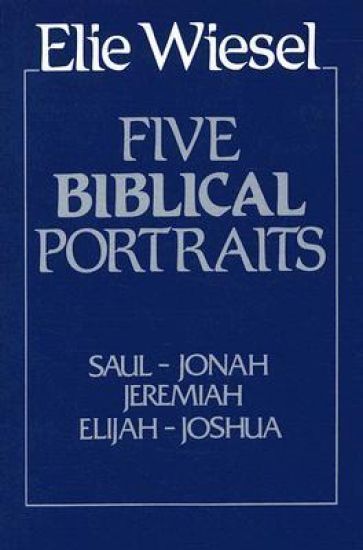
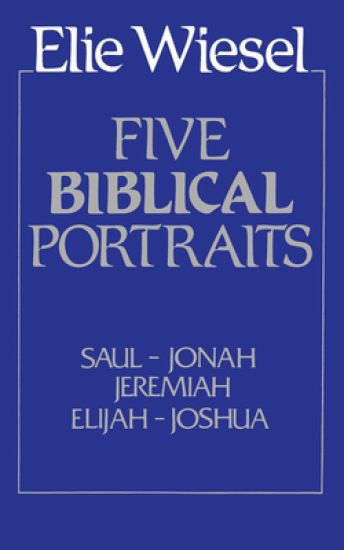
Five Biblical Portraits

Five Biblical Portraits

Elie Wiesel

University of Notre Dame Press
1990
nidottu
Five Biblical Portraits is a sequel to Elie Weisel's Messengers of God; in this work Wiesel enhances his well-known skill in bringing ancient religious figures to literary life with his stories of: Joshua, Elijah, Saul, Jeremiah, and Jonah. Wiesel illuminates Joshua, Saul, Elijah, Jeremiah, and Jonah through sensitive readings of the scriptures as well as the Talmudic and Hasidic sources. As a sequel to his book, Messengers of God, this work brings ancient religious figures to literary life and emphasizes the personal struggles within the awesome missions of these men.
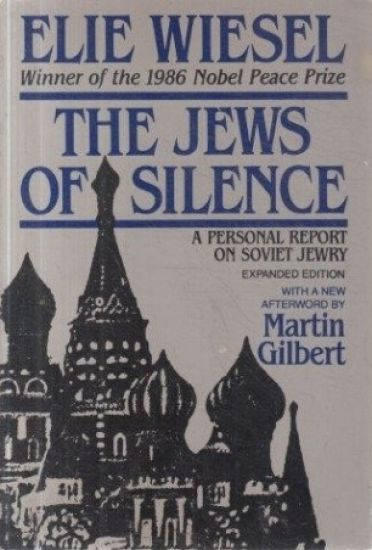
The Jews of Silence: A Personal Report on Soviet Jewry
In the fall of 1965 the Israeli newspaper Haaretz sent a young journalist named Elie Wiesel to the Soviet Union to report on the lives of Jews trapped behind the Iron Curtain. "I would approach Jews who had never been placed in the Soviet show window by Soviet authorities," wrote Wiesel. "They alone, in their anonymity, could describe the conditions under which they live; they alone could tell whether the reports I had heard were true or false--and whether their children and their grandchildren, despite everything, still wish to remain Jews. From them I would learn what we must do to help . . . or if they want our help at all." What he discovered astonished him: Jewish men and women, young and old, in Moscow, Kiev, Leningrad, Vilna, Minsk, and Tbilisi, completely cut off from the outside world, overcoming their fear of the ever-present KGB to ask Wiesel about the lives of Jews in America, in Western Europe, and, most of all, in Israel. They have scant knowledge of Jewish history or current events; they celebrate Jewish holidays at considerable risk and with only the vaguest ideas of what these days commemorate. "Most of them come to synagogue] not to pray," Wiesel writes, "but out of a desire to identify with the Jewish people--about whom they know next to nothing." Wiesel promises to bring the stories of these people to the outside world. And in the home of one dissident, he is given a gift--a Russian-language translation of Night, published illegally by the underground. "'My God, ' I thought, 'this man risked arrest and prison just to make my writing available to people here ' I embraced him with tears in my eyes."
The Oath

The Oath

Elie Wiesel

Random House Inc
1986
pokkari
"When a Christian boy disappears in a fictional Eastern European town in the 1920s, the local Jews are quickly accused of ritual murder. There is tension in the air and a pogrom threatens to erupt. Suddenly, an extraordinary man - Moshe the dreamer, a madman and mystic - steps forward and confesses to a crime he did not commit, in a vain attempt to save his people from certain death. The community gathers to hear his last words - a plea for silence - and everyone present takes an oath: whoever survives the impending tragedy must never speak of the town's last days and nights of terror." For fifty years the sole survivor keeps his oath - until he meets a man whose life depends on hearing the story, and one man's loyalty to the dead confronts head-on another's reason to go on living.
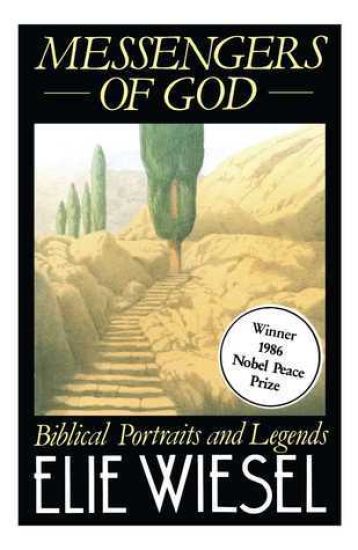
Messengers of God: A True Story of Angelic Presence and the Return to the Age of Miracles
Elie Wiesel's classic look at Job and seven other Biblical characters as they grapple with their relationship with God and the question of his justice. "Wiesel has never allowed himself to be diverted from the role of witness for the martyred Jews and survivors of the Holocaust, and by extension for all those who through the centuries have asked Job's question: 'What is God doing and where is His justice' Here in a masterful series of mythic portraits, drawing upon Bible tales and the Midrashim (a body of commentary), Wiesel explores 'the distant and haunting figures that molded him' Adam, Cain and Abel, Abraham and Isaac, Jacob, Joseph, and Job. With the dramatic invention of a Father Mapple and the exquisite care of a Talmudic scholar, Wiesel interprets the wellsprings of Jewish religious tradition as the many faces of man's greatness facing the inexplicable. In an intimate relationship with God it is possible to complain, to demand. Adam and Eve in sinning "cried out" against the injustice of their entrapment; Cain assaulted God rather than his brother; and Abraham's agreement to sacrifice his son placed the burden of guilt on Him who demanded it. As for Job, Wiesel concludes that he abdicated his defiance as did the confessing Communists of Stalin's time to 'underline the implausibility' of his trial, and thus become the accuser. Wiesel's concern with the imponderables of fate seems to move from strength to strength" (Kirkus Reviews).
Five Biblical Portraits

Five Biblical Portraits

Elie Wiesel

University of Notre Dame Press
1981
sidottu
Five Biblical Portraits is a sequel to Elie Weisel's Messengers of God; in this work Wiesel enhances his well-known skill in bringing ancient religious figures to literary life with his stories of: Joshua, Elijah, Saul, Jeremiah, and Jonah. Wiesel illuminates Joshua, Saul, Elijah, Jeremiah, and Jonah through sensitive readings of the scriptures as well as the Talmudic and Hasidic sources. As a sequel to his book, Messengers of God, this work brings ancient religious figures to literary life and emphasizes the personal struggles within the awesome missions of these men.
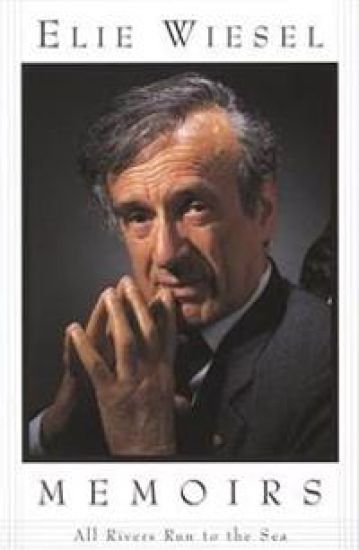
All Rivers Run to the Sea: Memoirs
From his early years with his loving Jewish family to the horrors of Auschwitz to his life as a Nobel Prize-winning novelist, Elie Wiesel tells his story. Passionate and poignant, All Rivers Run to the Sea is an unforgettable book of love and rage, doubt and faith, despair and trust, and ultimately, of wisdom. of photos.