
Kirjailija
Ernst Jünger
Kirjat ja teokset yhdessä paikassa: 78 kirjaa, julkaisuja vuosilta 1929-2026, suosituimpien joukossa Linjen. Vertaile teosten hintoja ja tarkista saatavuus suomalaisista kirjakaupoista.
Mukana myös kirjoitusasut: Ernst Junger
78 kirjaa
Kirjojen julkaisuhaarukka 1929-2026.


I stålstormen er et uomgængeligt værk om krig og om 1. verdenskrig i særdeleshed. Hvad krigen gør ved mennesket. I stålstormen er et hovedværk i tysk og europæisk litteratur fra det 20. århundrede, som blev krigens. Bogen er på højde med og modstykket til Remarques Intet nyt fra Vestfronten. Med forord af Kjeld Hillingsø.
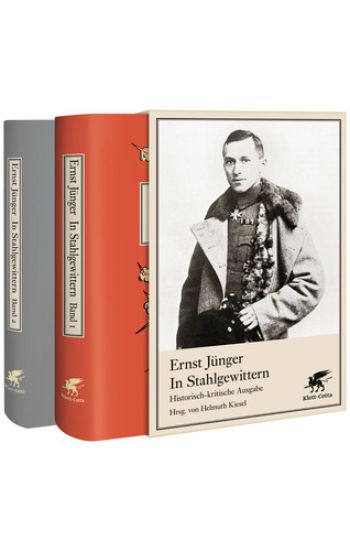
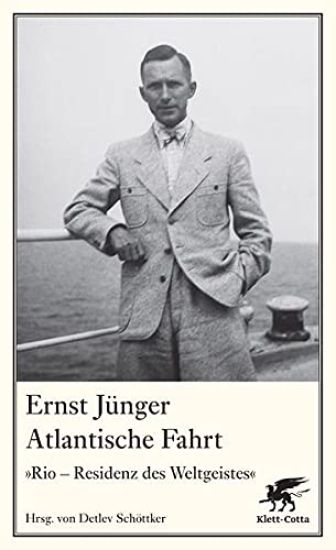


Den moderna klassikern På marmorklipporna har tolkats som ett kamouflerat angrepp på nazismen, men enligt författarenär den mycket mer än så. Handlingen utspelas i ett överdådigt bergslandskap med hisnande vyer, stupande klippor, böljande skogar, frodiga ängsmarker. Berättaren och hans bror som tidigare varit soldater har dragit sig tillbaka till ett liv som eremiter. Allt de sysslar med är botaniska studier och vittra samtal. I samma trakt härjar den fruktade överskogvaktaren och hans råbarkade trupper som plundrar och förstör. Överskogvaktarens mål är total makt och hans verktyg är terror.
Jünger, E: Kommenden Titanen
Ernst Jünger; Antonio Gnoli; Franco Volpi
Karolinger Verlag
2008
nidottu
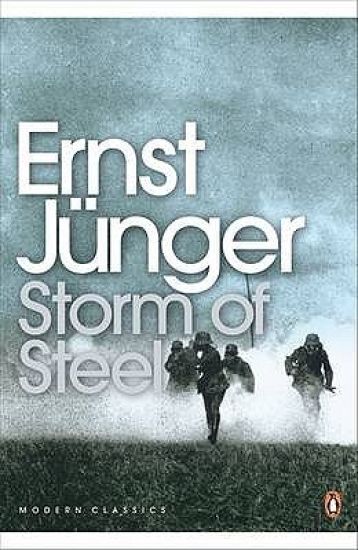
Presenting the desperate conflict of the First World War through the eyes of an ordinary German soldier, Ernst Jünger's Storm of Steel is translated by Michael Hofmann in Penguin Modern Classics.'As though walking through a deep dream, I saw steel helmets approaching through the craters. They seemed to sprout from the fire-harrowed soil like some iron harvest.'A memoir of astonishing power, savagery and ashen lyricism, Storm of Steel depicts Ernst Jünger's experience of combat on the front line - leading raiding parties, defending trenches against murderous British incursions, and simply enduring as shells tore his comrades apart. One of the greatest books to emerge from the catastrophe of the First World War, it illuminates like no other book not only the horrors but also the fascination of a war that made men keep fighting for four long years.Ernst Jünger (1895-1998) the son of a wealthy chemist, ran away from home to join the Foreign Legion. His father dragged him back, but he returned to military service when he joined the German army on the outbreak of the First World War. Storm of Steel (Stahlgewittern) was Jünger's first book, published in 1920. Greatly admired by the Nazis, Jünger remained at a distance from the regime, with books such as his allegorical work On the Marble Cliffs (1939) functioning as a covert criticism of Nazi ideology and methods.If you enjoyed Storm of Steel, you might like Edward Blunden's Undertones of War, also available in Penguin Modern Classics.'To read this extraordinary book is to gain a unique insight into the compelling nature of organized, industrialized violence'Niall Ferguson, author of War of the World'Hofmann's interpretation is superb' The Times'Unique in the literature of this or any other war is its brilliantly vivid conjuration of the immediacy and intensity of battle' Telegraph'Storm of Steel is what so many books claim to be but are not: a classic account of war' Evening Standard
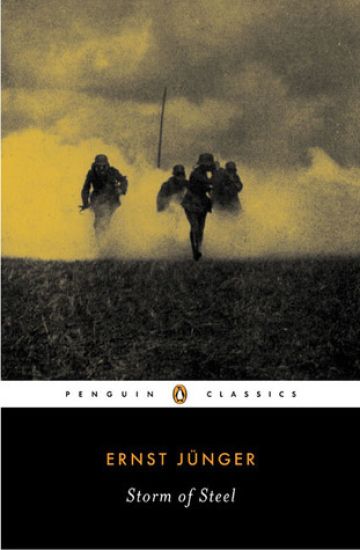
The memoir widely viewed as the best account ever written of fighting in WW1 A memoir of astonishing power, savagery, and ashen lyricism, Storm of Steel illuminates not only the horrors but also the fascination of total war, seen through the eyes of an ordinary German soldier. Young, tough, patriotic, but also disturbingly self-aware, J nger exulted in the Great War, which he saw not just as a great national conflict but--more importantly--as a unique personal struggle. Leading raiding parties, defending trenches against murderous British incursions, simply enduring as shells tore his comrades apart, J nger kept testing himself, braced for the death that will mark his failure. Published shortly after the war's end, Storm of Steel was a worldwide bestseller and can now be rediscovered through Michael Hofmann's brilliant new translation. For more than sixty-five years, Penguin has been the leading publisher of classic literature in the English-speaking world. With more than 1,500 titles, Penguin Classics represents a global bookshelf of the best works throughout history and across genres and disciplines. Readers trust the series to provide authoritative texts enhanced by introductions and notes by distinguished scholars and contemporary authors, as well as up-to-date translations by award-winning translators.

One of the first science-fiction classics.
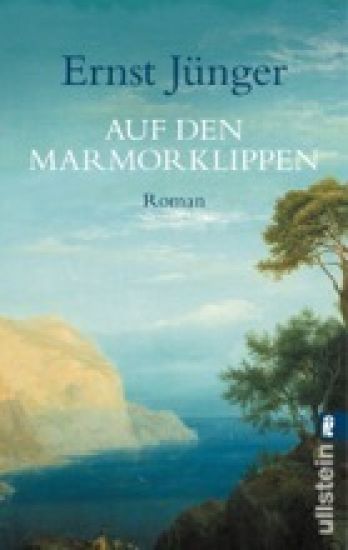
Bruder Minor und Bruder Otho leben gemeinsam zurückgezogen in ihrer Klause in der Marina, einer Gegend, die an mediterrane Landschaften erinnert, an den Schwarzwald und die Region um den Bodensee: eine arkadische Landschaft, deren Verbindung von nordeuropäischen und südeuropäischen Elermenten einen mythischen Raum entwirft. Hier erforschen die Brüder die Botanik und legen in jahrelanger Arbeit ein umfangreiches Herbarium an. Bedroht wird die Idylle durch den Oberförster, dessen im tiefen Wald versteckte Reviere Zufluchtsort für Verbrecher und Ausgestoßene aller Art sind - auch der Rattenfänger von Hameln soll mit den verführten Kindern dort hin gezogen sein. Auf einer ihrer Exkursionen in die Wälder entdecken die Brüder die >>Köppelsblek>Schinderhütte>Spiegels des Nigromontanus>Sicherheit des Nichts
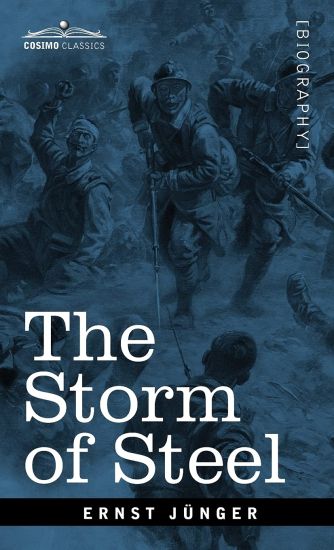
The Storm of Steel: From the Diary of a German Storm-Troop Officer on the Western Front
Ernst Jünger
Cosimo Classics
1929
sidottu
"Trench fighting is the bloodiest, wildest, most brutal of all... Of all the war's exciting moments none is so powerful as the meeting of two storm troop leaders between narrow trench walls. There's no mercy there, no going back, the blood speaks from a shrill cry of recognition that tears itself from one's breast like a nightmare." --Ernst J nger, The Storm of Steel, 1929Ernst J nger, German author of one of the most famous books on World War I, The Storm of Steel--From the Diary of a German Storm-Troop Officer on the Western Front (1929), in which he describes the life of a soldier, the brutality of trench warfare and the act of killing on the battlefields in France and Belgium in a detailed and matter-of-fact manner.This classic memoir is a must-read for military historians, policy makers, and anyone interested in learning about war and the experiences of the soldiers fighting a war.