Kirjojen hintavertailu. Mukana 12 390 323 kirjaa ja 12 kauppaa.

Kirjailija

Harold G Koenig

Kirjat ja teokset yhdessä paikassa: 87 kirjaa, julkaisuja vuosilta 1994-2026, suosituimpien joukossa Human Flourishing. Vertaile teosten hintoja ja tarkista saatavuus suomalaisista kirjakaupoista.

Mukana myös kirjoitusasut: Harold G. Koenig

87 kirjaa

Kirjojen julkaisuhaarukka 1994-2026.

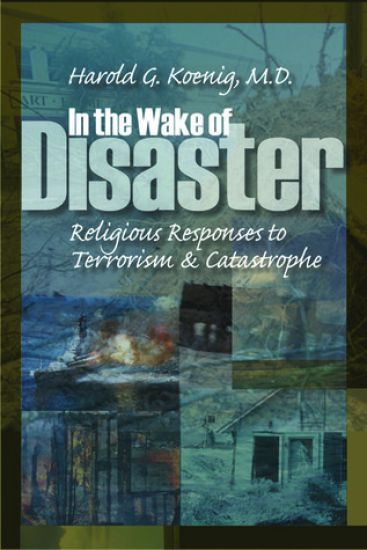
In the Wake of Disaster

In the Wake of Disaster

Harold G Koenig

Templeton Foundation Press,U.S.
2006
pokkari
In a timely book with a powerful and persuasive message, Dr. Harold G. Koenig addresses federal, state, and local government policy leaders, urging them to more fully integrate religious organizations into the formal disaster response system, and he then provides recommendations on how this can effectively be done. Koenig also advocates faith communities and organizations to learn more about the role they can play in responding to disasters and terrorism. The chaotic aftermath of Hurricane Katrina made extraordinarily clear the gaps in the United States' disaster policies. At the same time, the contributions of organized faith communities were highlights amidst the bungled federal, state, and local responses. One example is the New York Times, September 9, 2005, headline: "A New Meaning for 'Organized Religion': It Helps the Needy Quickly." But as faith-based organizations look for ways to help, there are few, if any, guidelines for them. This book provides information on the psychological, social, and spiritual responses to trauma. It addresses how the emergency response system works, and the role that religious communities can play in disaster response and recovery in terms of providing emotional and spiritual care for victims. It advocates integrating mental health into emergency response systems directed at those affected by hurricanes, floods, earthquakes, and terrorism. "The aim is to help victims of disaster to better cope with the stresses they face, as well as help direct care workers (firefighters, police, health care providers, etc.) to deal better emotionally with the trauma to which they are exposed so they can remain effective and functional on the job," explains Dr. Koenig, whose research on the healing power of faith has been published worldwide. Increasing the resiliency of our communities in the face of disaster is crucial. Religious communities have tremendous potential to contribute to this. Here are guidelines on how to do that more effectively, alongside data on how to facilitate the integration of these contributions with the formal disaster-response system.
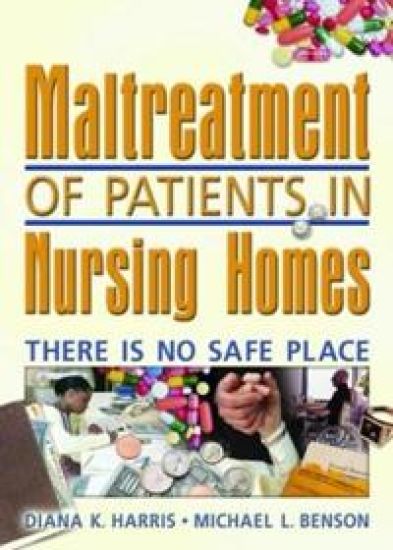
Maltreatment of Patients in Nursing Homes

Maltreatment of Patients in Nursing Homes

Diana Harris; Harold G Koenig

Routledge Member of the Taylor and Francis Group
2005
sidottu
Abuse, although often not detected or reported, existed in every facility we surveyed. It is a serious problem.Old, weak, and often cognitively impaired, nursing home patients can be easy targets for physical, psychological, material, and financial mistreatment at the hands of those entrusted with their care, safety, and well-being. Maltreatment of Patients in Nursing Homes: There Is No Safe Place examines the dark side of nursing homes, where not every employee has the commitment of Mother Theresa. This groundbreaking book applies criminological theory to help develop practical methods of controlling abuse and presents the results of the first and only nationwide study on the theft of patients’ belongings, a form of abuse too often ignored by the nursing home industry. Maltreatment of Patients in Nursing Homes surveys employees, administrators, and family members of patients in 47 nursing homes throughout the United States. Their responses provide invaluable insights on a wide range of topics, including the social and psychological factors that cause different types of abuse, characteristics of nursing home patients and employees, the bureaucracy of nursing homes, victimization rates, workforce issues of nursing home aides, and federal regulations for nursing homes. The information gained from the surveys forms the basis for detailed recommendations for creating a safer environment and reducing all forms of abuse, including theft-prevention training programs, background checks and improved screening of potential employees, education and advocacy for current staff, and the reform of federal regulations.Maltreatment of Patients in Nursing Homes examines: types of physical abuse (restraints, sexual abuse, neglect) the who, what, and why of nursing home theft types of financial abuse (trust accounts, bank accounts, improper charges for services and drugs, identity theft) types of psychological abuse (abandonment, segregation, childlike treatment, verbal abuse) effects of psychological abuse (depression, learned helplessness, psychiatric disorders) reasons for abuse by employees (staff turnover, job burnout, job dissatisfaction, caregiver stress)One of the few books to deal with abuse of the elderly outside a domestic setting, Maltreatment of Patients in Nursing Homes: There Is No Safe Place interprets and analyzes abuse to provide new ways of thinking about this growing problem and new methods of preventing it from growing any more widespread.
Maltreatment of Patients in Nursing Homes

Maltreatment of Patients in Nursing Homes

Diana Harris; Harold G Koenig

Routledge Member of the Taylor and Francis Group
2005
nidottu
Abuse, although often not detected or reported, existed in every facility we surveyed. It is a serious problem.Old, weak, and often cognitively impaired, nursing home patients can be easy targets for physical, psychological, material, and financial mistreatment at the hands of those entrusted with their care, safety, and well-being. Maltreatment of Patients in Nursing Homes: There Is No Safe Place examines the dark side of nursing homes, where not every employee has the commitment of Mother Theresa. This groundbreaking book applies criminological theory to help develop practical methods of controlling abuse and presents the results of the first and only nationwide study on the theft of patients’ belongings, a form of abuse too often ignored by the nursing home industry. Maltreatment of Patients in Nursing Homes surveys employees, administrators, and family members of patients in 47 nursing homes throughout the United States. Their responses provide invaluable insights on a wide range of topics, including the social and psychological factors that cause different types of abuse, characteristics of nursing home patients and employees, the bureaucracy of nursing homes, victimization rates, workforce issues of nursing home aides, and federal regulations for nursing homes. The information gained from the surveys forms the basis for detailed recommendations for creating a safer environment and reducing all forms of abuse, including theft-prevention training programs, background checks and improved screening of potential employees, education and advocacy for current staff, and the reform of federal regulations.Maltreatment of Patients in Nursing Homes examines: types of physical abuse (restraints, sexual abuse, neglect) the who, what, and why of nursing home theft types of financial abuse (trust accounts, bank accounts, improper charges for services and drugs, identity theft) types of psychological abuse (abandonment, segregation, childlike treatment, verbal abuse) effects of psychological abuse (depression, learned helplessness, psychiatric disorders) reasons for abuse by employees (staff turnover, job burnout, job dissatisfaction, caregiver stress)One of the few books to deal with abuse of the elderly outside a domestic setting, Maltreatment of Patients in Nursing Homes: There Is No Safe Place interprets and analyzes abuse to provide new ways of thinking about this growing problem and new methods of preventing it from growing any more widespread.
Faith and Mental Health

Faith and Mental Health

Harold G Koenig

Templeton Foundation Press,U.S.
2005
nidottu
Dr. Harold Koenig opens a window on mental health, providing an unprecedented source of practical information about the relationship between religion and mental health. He examines how Christianity and other world religions deliver mental health services today, and he makes recommendations, based on research, expertise, and experience, for new programs to meet local needs. Meticulously researched and documented, Faith and Mental Health includes Research on the relationship between religion and positive emotions, psychiatric illnesses, and severe and persistent mental disordersWays in which religion has influenced mental health historically, and how now and in the future it can be involved with mental healthA comprehensive description and categorization of Christian and non-Christian faith-based organizations that provide mental health resourcesResources for religious professionals and faith communities on how to design effective programs Presenting a combination of the history and current research of mental health and religion along with a thorough examination of faith-based organizations operating in the field, this book is a one-of-a-kind resource for the healthcare community; its valuable research and insights will benefit medical and religious professionals, and anyone concerned with the future of mental health care.
Dealing with the Psychological and Spiritual Aspects of Menopause

Dealing with the Psychological and Spiritual Aspects of Menopause

Dana E King; Melissa Hunter; Jerri Harris; Harold G Koenig

Routledge Member of the Taylor and Francis Group
2005
sidottu
Turn menopause and midlife into a positive experienceDealing with the Psychological and Spiritual Aspects of Menopause examines the emotional toll of menopause, offering help for the worry, anxiety, stress, and depression women can face during the midlife years. Instead of focusing on estrogen, hormones, and osteoporosis, the book shares up-to-date research findings on the link between spiritual and emotional health. Women from different backgrounds and spiritual traditions will find hope in the healing power of the mind/body/spirit connection as they gain a healthy perspective of the changes taking place and restore balance to their lives.Dealing with the Psychological and Spiritual Aspects of Menopause goes beyond the traditional medical approach to examine ways women can make peace with the changes they face at midlife. This unique book informs, empowers, and enlightens women about the opportunities for personal and spiritual growth during menopause, offering strategies for exercise, meditation, prayer, and counseling. The authors offer a new perspective on menopause that offers hope in the face of the stress, worry, hot flashes, and often-overwhelming responsibilities women face at the midlife. This book demonstrates that women can do more than just make it through menopause. The authors show that menopause can become a positive experience for women as they discover new avenues for finding peace and hope to sustain them through the challenges of mid-lifeand beyond. Dealing with the Psychological and Spiritual Aspects of Menopause examines alternative aspects of menopause, including: dealing with emotional loss on top of physical and psychological changes moods, attitudes, and depression the benefits of counseling and group support exercise as a treatment for anxiety and depression the work experience spiritual issues special challenges of the perimenopausal period and much more!Dealing with the Psychological and Spiritual Aspects of Menopause is a vital resource for physicians, counselors, therapists, and psychologists, and especially for the women they treat.
Dealing with the Psychological and Spiritual Aspects of Menopause

Dealing with the Psychological and Spiritual Aspects of Menopause

Dana E King; Melissa Hunter; Jerri Harris; Harold G Koenig

Routledge Member of the Taylor and Francis Group
2005
nidottu
Turn menopause and midlife into a positive experienceDealing with the Psychological and Spiritual Aspects of Menopause examines the emotional toll of menopause, offering help for the worry, anxiety, stress, and depression women can face during the midlife years. Instead of focusing on estrogen, hormones, and osteoporosis, the book shares up-to-date research findings on the link between spiritual and emotional health. Women from different backgrounds and spiritual traditions will find hope in the healing power of the mind/body/spirit connection as they gain a healthy perspective of the changes taking place and restore balance to their lives.Dealing with the Psychological and Spiritual Aspects of Menopause goes beyond the traditional medical approach to examine ways women can make peace with the changes they face at midlife. This unique book informs, empowers, and enlightens women about the opportunities for personal and spiritual growth during menopause, offering strategies for exercise, meditation, prayer, and counseling. The authors offer a new perspective on menopause that offers hope in the face of the stress, worry, hot flashes, and often-overwhelming responsibilities women face at the midlife. This book demonstrates that women can do more than just make it through menopause. The authors show that menopause can become a positive experience for women as they discover new avenues for finding peace and hope to sustain them through the challenges of mid-lifeand beyond. Dealing with the Psychological and Spiritual Aspects of Menopause examines alternative aspects of menopause, including: dealing with emotional loss on top of physical and psychological changes moods, attitudes, and depression the benefits of counseling and group support exercise as a treatment for anxiety and depression the work experience spiritual issues special challenges of the perimenopausal period and much more!Dealing with the Psychological and Spiritual Aspects of Menopause is a vital resource for physicians, counselors, therapists, and psychologists, and especially for the women they treat.
Bereavement Counseling

Bereavement Counseling

Harold G Koenig; Junietta B Mccall

Routledge Member of the Taylor and Francis Group
2004
sidottu
Get a unique insight into health, bereavement, and healing! Bereavement Counseling: Pastoral Care for Complicated Grieving is a practical guide to the assessment and treatment of complicated grief responses, using a pastoral approach that combines clinical and spiritual care. The book addresses current theory, observations, and experience, and examines changing approaches and developing standards of practice. The author, an ordained minister with an extensive background in pastoral counseling, integrates spirituality into the grieving process by focusing on the partnership between spirituality and healing, the resources of spiritual practices, and the functions of counseling and spiritual/pastoral psychotherapy. By providing usable treatment strategies, sharing standard interventions, and promoting technical skill for caregivers, Bereavement Counseling: Pastoral Care for Complicated Grieving places sustained emphasis on giving voice to grief and recovery. The author draws from more than 20 years’ experience in ministry, teaching, supervision, consultation, and therapy to present stories, vignettes, and poetry that give depth and life to the grieving process. These vignettes provide a unique insight into health, bereavement, and healing and create a living context for maintaining a person-centered focus that promotes meaning and leads to positive outcomes. The book provides templates as assessment and treatment planning aids and includes an extensive bibliography of up-to-date journal articles that reflect the latest research in the field. Topics addressed in Bereavement Counseling: Pastoral Care for Complicated Grieving include: universal grief processes and responses dysfunctional grieving therapies and treatment priorities reorganization and recovery how perceptions, thoughts, and belief influence care and much more!Bereavement Counseling: Pastoral Care for Complicated Grieving is a practical resource for clergy, pastoral care specialists, and anyone needing to help others bear with the pain of grief, process loss, gain new insight and meaning, and experience a renewed sense of healing and connection.
Bereavement Counseling

Bereavement Counseling

Harold G Koenig; Junietta B Mccall

Haworth Press Inc
2004
nidottu
Get a unique insight into health, bereavement, and healing! Bereavement Counseling: Pastoral Care for Complicated Grieving is a practical guide to the assessment and treatment of complicated grief responses, using a pastoral approach that combines clinical and spiritual care. The book addresses current theory, observations, and experience, and examines changing approaches and developing standards of practice. The author, an ordained minister with an extensive background in pastoral counseling, integrates spirituality into the grieving process by focusing on the partnership between spirituality and healing, the resources of spiritual practices, and the functions of counseling and spiritual/pastoral psychotherapy. By providing usable treatment strategies, sharing standard interventions, and promoting technical skill for caregivers, Bereavement Counseling: Pastoral Care for Complicated Grieving places sustained emphasis on giving voice to grief and recovery. The author draws from more than 20 years’ experience in ministry, teaching, supervision, consultation, and therapy to present stories, vignettes, and poetry that give depth and life to the grieving process. These vignettes provide a unique insight into health, bereavement, and healing and create a living context for maintaining a person-centered focus that promotes meaning and leads to positive outcomes. The book provides templates as assessment and treatment planning aids and includes an extensive bibliography of up-to-date journal articles that reflect the latest research in the field. Topics addressed in Bereavement Counseling: Pastoral Care for Complicated Grieving include: universal grief processes and responses dysfunctional grieving therapies and treatment priorities reorganization and recovery how perceptions, thoughts, and belief influence care and much more! Bereavement Counseling: Pastoral Care for Complicated Grieving is a practical resource for clergy, pastoral care specialists, and anyone needing to help others bear with the pain of grief, process loss, gain new insight and meaning, and experience a renewed sense of healing and connection.
Healing Bodies and Souls

Healing Bodies and Souls

W. Daniel Hale; Harold G. Koenig

Augsburg Fortress
2003
pokkari
As healthcare leaders widely recognize, churches are second homes to their members and ideally situated to serve their communities with the loving and personal care that a stressed healthcare system cannot deliver. Daniel Hale and Harold Koenig, national leaders in health ministries, offer a primer on developing a variety of initiatives.
Parish Nursing

Parish Nursing

Harold G Koenig; Sybil Smith

Routledge Member of the Taylor and Francis Group
2003
sidottu
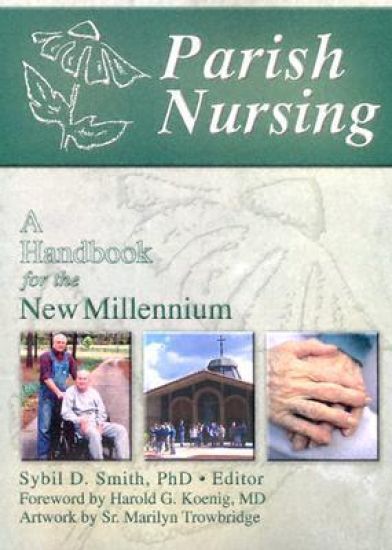
Make parish nursing an alternative to shrinking healthcare resources! Because of shrinking healthcare resources, both human and monetary, parish nurses in the future will be called upon to deal with rising numbers of elderly and the end-of-life issues that accompany aging. Parish Nursing: A Handbook for the New Millennium is a guide to designing programs that can complement a congregation's ministry priorities for senior adults, identifying strengths to reinforce and weaknesses to avoid. Stories from the fields of service capture the sweat equity and history of the re-emergence of nursing in churches. Parish Nursing: A Handbook for the New Millennium is a practical planning guide for parish nurses and congregational committee members with limited experience in program development. Suitable for use with multiple faith traditions, the book demonstrates how to take responsibility for health ministries without leaning on direction from local hospitals. Parish Nursing presents multiple practice models, intervention strategies, and methods of program evaluation responsive to boundaries and traditions of various communities of faith. Parish Nursing includes: conceptual frameworks program design options outlines from field-tested training modules program evaluation options and challenges and much more!In 2001, there were 35 million people over the age of 65 living in the United Statesa number that’s expected to double in the next 10 years. The American Academy of Family Physicians estimates that nearly 20 percent of family doctors are no longer accepting new Medicare patients. Parish Nursing: A Handbook for the New Millennium is an essential resource for nurses, pastors, and church leaders starting a parish nurse ministry to deal with the growing number of forgotten elderly persons.
Mental Illness and Psychiatric Treatment

Mental Illness and Psychiatric Treatment

Gregory Collins; Rev Thomas Culbertson; Harold G Koenig

Routledge Member of the Taylor and Francis Group
2003
sidottu
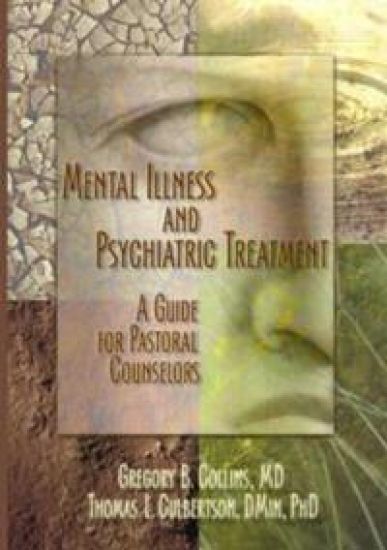
Take your rightful place on the holistic health care team, with the goal of restoring vitality of body, mind, and spirit to people suffering from emotional illness! This book is designed to bring essential knowledge and skills to the religious professional who seeks to provide special ministry to the emotionally troubled. It provides a basic understanding of psychiatric illnesses, theory, and treatment modalities that is certain to enlarge the perspective of the pastoral worker. In addition to an essential overview of psychiatry in general, Mental Illness and Psychiatric Treatment: A Guide for Pastoral Counselors will help you to better serve people suffering from depression, anxiety disorders, chemical dependency, reality impairment, or personality disorders. The book's format is designed specifically to help pastors grasp the principles of intervention in each of these disorders. Each of its five concise clinical chapters follows a four-part format that covers the duties and responsibilities of the clergyman as part of the holistic health care team, consisting of: recognizing the disorder assessing its severity intervening in a crisis counseling in the recovery phaseIn their experience, the authors have observed that severe emotional or psychiatric illnesses often involve spiritual sickness as well. Spiritual sickness is a complex concept that may take many forms depending on the type of emotional illness it accompanies. Mental Illness and Psychiatric Treatment: A Guide for Pastoral Counselors shows you what spiritual symptoms to look for when assessing someone in your care. For example, did you know that: severe depressive illness could include the loss of faith, abandonment of hope, loss of a right relationship with God, or even self-hatred, guilt, despair, and self-annihilation a psychotic reaction marked by loss of contact with reality might involve abnormal self-importance, grandiosity, fear, or stubbornly mistaken perceptions of reality a problem with alcoholism might involve immoral behavior, irresponsible conduct, denial of the loss of control over liquor consumption, or abject guilt, shame, and self-hatred personality disorders may bring on profound disturbances in social relationships, self-centered anger, impulsiveness, dishonesty, impurity, or distrust of others people with anxiety disorders can lose their trust in God, develop obsessive fears and tensions, and become unable to turn things over to God's divine careIn Mental Illness and Psychiatric Treatment: A Guide for Pastoral Counselors, you'll find the information you need to make effective judgments and assessments about the people seeking your help. The book provides you with fascinating case studies that highlight symptoms and illness patterns as well as treatment options and techniques for coordinating pastoral counseling with the mental health team. You'll learn to recognize the spiritual symptoms of diseasenegative, inappropriate, of self-defeating attitudes or behaviorsand to deal specifically with these manifestations of illness through pastoral intervention and counseling.
Parish Nursing

Parish Nursing

Harold G Koenig; Sybil Smith

Routledge Member of the Taylor and Francis Group
2003
nidottu
Make parish nursing an alternative to shrinking healthcare resources! Because of shrinking healthcare resources, both human and monetary, parish nurses in the future will be called upon to deal with rising numbers of elderly and the end-of-life issues that accompany aging. Parish Nursing: A Handbook for the New Millennium is a guide to designing programs that can complement a congregation's ministry priorities for senior adults, identifying strengths to reinforce and weaknesses to avoid. Stories from the fields of service capture the sweat equity and history of the re-emergence of nursing in churches. Parish Nursing: A Handbook for the New Millennium is a practical planning guide for parish nurses and congregational committee members with limited experience in program development. Suitable for use with multiple faith traditions, the book demonstrates how to take responsibility for health ministries without leaning on direction from local hospitals. Parish Nursing presents multiple practice models, intervention strategies, and methods of program evaluation responsive to boundaries and traditions of various communities of faith. Parish Nursing includes: conceptual frameworks program design options outlines from field-tested training modules program evaluation options and challenges and much more!In 2001, there were 35 million people over the age of 65 living in the United Statesa number that’s expected to double in the next 10 years. The American Academy of Family Physicians estimates that nearly 20 percent of family doctors are no longer accepting new Medicare patients. Parish Nursing: A Handbook for the New Millennium is an essential resource for nurses, pastors, and church leaders starting a parish nurse ministry to deal with the growing number of forgotten elderly persons.
Mental Illness and Psychiatric Treatment

Mental Illness and Psychiatric Treatment

Gregory Collins; Rev Thomas Culbertson; Harold G Koenig

Routledge Member of the Taylor and Francis Group
2003
nidottu
Take your rightful place on the holistic health care team, with the goal of restoring vitality of body, mind, and spirit to people suffering from emotional illness! This book is designed to bring essential knowledge and skills to the religious professional who seeks to provide special ministry to the emotionally troubled. It provides a basic understanding of psychiatric illnesses, theory, and treatment modalities that is certain to enlarge the perspective of the pastoral worker. In addition to an essential overview of psychiatry in general, Mental Illness and Psychiatric Treatment: A Guide for Pastoral Counselors will help you to better serve people suffering from depression, anxiety disorders, chemical dependency, reality impairment, or personality disorders. The book's format is designed specifically to help pastors grasp the principles of intervention in each of these disorders. Each of its five concise clinical chapters follows a four-part format that covers the duties and responsibilities of the clergyman as part of the holistic health care team, consisting of: recognizing the disorder assessing its severity intervening in a crisis counseling in the recovery phaseIn their experience, the authors have observed that severe emotional or psychiatric illnesses often involve spiritual sickness as well. Spiritual sickness is a complex concept that may take many forms depending on the type of emotional illness it accompanies. Mental Illness and Psychiatric Treatment: A Guide for Pastoral Counselors shows you what spiritual symptoms to look for when assessing someone in your care. For example, did you know that: severe depressive illness could include the loss of faith, abandonment of hope, loss of a right relationship with God, or even self-hatred, guilt, despair, and self-annihilation a psychotic reaction marked by loss of contact with reality might involve abnormal self-importance, grandiosity, fear, or stubbornly mistaken perceptions of reality a problem with alcoholism might involve immoral behavior, irresponsible conduct, denial of the loss of control over liquor consumption, or abject guilt, shame, and self-hatred personality disorders may bring on profound disturbances in social relationships, self-centered anger, impulsiveness, dishonesty, impurity, or distrust of others people with anxiety disorders can lose their trust in God, develop obsessive fears and tensions, and become unable to turn things over to God's divine careIn Mental Illness and Psychiatric Treatment: A Guide for Pastoral Counselors, you'll find the information you need to make effective judgments and assessments about the people seeking your help. The book provides you with fascinating case studies that highlight symptoms and illness patterns as well as treatment options and techniques for coordinating pastoral counseling with the mental health team. You'll learn to recognize the spiritual symptoms of diseasenegative, inappropriate, of self-defeating attitudes or behaviorsand to deal specifically with these manifestations of illness through pastoral intervention and counseling.
Spirituality in Pastoral Counseling and the Community Helping Professions

Spirituality in Pastoral Counseling and the Community Helping Professions

Harold G Koenig; Charles J Topper

Routledge Member of the Taylor and Francis Group
2003
sidottu
An enlightening guide to bringing spirituality into the helping professions! This unique handbook will help you make the journey that will turn spirituality into the touchstone of your practice. For too long, spirituality has been a skeleton in the closet of many practitioners, but now there is a growing movement to integrate the vital beliefs of clients into the healing process. Spirituality in Pastoral Counseling and the Community Helping Professions addresses the core values of the movement, providing you with a step-by-step process you can follow to increase empathy and healing while building on the foundation of spirituality. Each chapter includes penetrating reflection questions to help you better understand your own spiritual perspective and a list of suggested resources to help you learn more. Spirituality in Pastoral Counseling and the Community Helping Professions investigates: the best tools for spiritual assessment how ethnic background influences spirituality the language of the sacred in daily life how people can develop greater empathy integrating spirituality into community the importance of ritualAs author Dr. Charles J. Topper says: Spirituality is the integrating core element of human experience. Reading this book, both clients and care providers will learn to explore their own vibrant spirituality, a powerful innate source of strength and healing. Spirituality in Pastoral Counseling and the Community Helping Professions aims to make spirituality more accessible to everyone. Spirituality in Pastoral Counseling and the Community Helping Professions shows how you can take an active approach to integrating spirituality into your profession, helping the people around you see not just their problems but the connections between every facet of their lives. Complete with figures, assessment scales and surveys, and a thoughtful bibliography that points the way to further reading, this book is an important resource for professional growth and spiritual renewal.
Spirituality in Pastoral Counseling and the Community Helping Professions

Spirituality in Pastoral Counseling and the Community Helping Professions

Harold G Koenig; Charles J Topper

Routledge Member of the Taylor and Francis Group
2003
nidottu
An enlightening guide to bringing spirituality into the helping professions! This unique handbook will help you make the journey that will turn spirituality into the touchstone of your practice. For too long, spirituality has been a skeleton in the closet of many practitioners, but now there is a growing movement to integrate the vital beliefs of clients into the healing process. Spirituality in Pastoral Counseling and the Community Helping Professions addresses the core values of the movement, providing you with a step-by-step process you can follow to increase empathy and healing while building on the foundation of spirituality. Each chapter includes penetrating reflection questions to help you better understand your own spiritual perspective and a list of suggested resources to help you learn more. Spirituality in Pastoral Counseling and the Community Helping Professions investigates: the best tools for spiritual assessment how ethnic background influences spirituality the language of the sacred in daily life how people can develop greater empathy integrating spirituality into community the importance of ritualAs author Dr. Charles J. Topper says: Spirituality is the integrating core element of human experience. Reading this book, both clients and care providers will learn to explore their own vibrant spirituality, a powerful innate source of strength and healing. Spirituality in Pastoral Counseling and the Community Helping Professions aims to make spirituality more accessible to everyone. Spirituality in Pastoral Counseling and the Community Helping Professions shows how you can take an active approach to integrating spirituality into your profession, helping the people around you see not just their problems but the connections between every facet of their lives. Complete with figures, assessment scales and surveys, and a thoughtful bibliography that points the way to further reading, this book is an important resource for professional growth and spiritual renewal.
Chronic Pain

Chronic Pain

Harold G Koenig

Routledge Member of the Taylor and Francis Group
2003
sidottu
Help your clients achieve victory over chronic pain and lead more fulfilling lives!This insightful and informative book will help you deliver better pain management services to the people you care for. Incorporating biomedical, surgical, psychological, social, and spiritual perspectives, it provides vital, up-to-date information about how to reduce physical pain and explores techniques for improving people’s ability to cope with it. Helpful tables provide easy access to information on medications for pain and managing side effects.Chronic Pain: Biomedical and Spiritual Approaches is filled with resources for the person in pain and for the health or religious professionals working to help them. It gives you very specific suggestions on how to manage chronic pain, including detailed information about medications, alternative therapies, psychological treatments, and spiritual strategies for pain management. The book is completed by two thoughtful appendixes: one examining pain medications and ways to manage their side effects and the other providing scriptural passages that can comfort those in pain.In addition to his experiences treating patients with chronic pain, the author suffers from chronic pain and disability himself. In this very personal book, he explores ways to help people coping with: low back pain fibromyalgia rheumatologic pain headaches the pain of multiple sclerosis other types of chronic unrelenting painChronic Pain: Biomedical and Spiritual Approaches can help people in pain and their families by showing them how to lead satisfying, joy-filled lives--whether their pain goes away or not. It is an essential reference book for everyone who works with pain sufferers as well as patients and their families!
Chronic Pain

Chronic Pain

Harold G Koenig

Routledge Member of the Taylor and Francis Group
2002
nidottu
Help your clients achieve victory over chronic pain and lead more fulfilling lives!This insightful and informative book will help you deliver better pain management services to the people you care for. Incorporating biomedical, surgical, psychological, social, and spiritual perspectives, it provides vital, up-to-date information about how to reduce physical pain and explores techniques for improving people’s ability to cope with it. Helpful tables provide easy access to information on medications for pain and managing side effects.Chronic Pain: Biomedical and Spiritual Approaches is filled with resources for the person in pain and for the health or religious professionals working to help them. It gives you very specific suggestions on how to manage chronic pain, including detailed information about medications, alternative therapies, psychological treatments, and spiritual strategies for pain management. The book is completed by two thoughtful appendixes: one examining pain medications and ways to manage their side effects and the other providing scriptural passages that can comfort those in pain.In addition to his experiences treating patients with chronic pain, the author suffers from chronic pain and disability himself. In this very personal book, he explores ways to help people coping with: low back pain fibromyalgia rheumatologic pain headaches the pain of multiple sclerosis other types of chronic unrelenting painChronic Pain: Biomedical and Spiritual Approaches can help people in pain and their families by showing them how to lead satisfying, joy-filled lives--whether their pain goes away or not. It is an essential reference book for everyone who works with pain sufferers as well as patients and their families!
Integrating Spirit and Psyche

Integrating Spirit and Psyche

Mary Pat Henehan; Harold G Koenig

Routledge Member of the Taylor and Francis Group
2002
sidottu
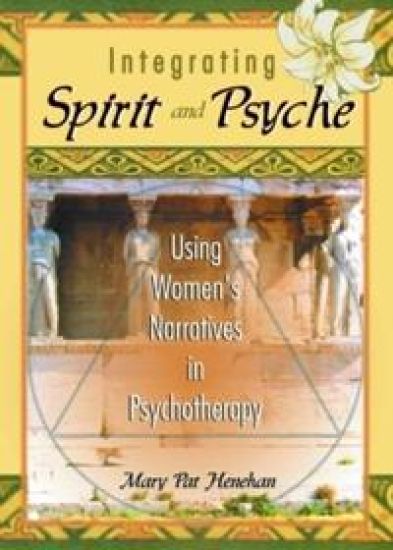
In this extraordinary collection, the voices of women's experience ring out loud and true!The power of narrative in therapy for women is undeniable. Used well, other women's narratives can help us to understand and rewrite our own. Here, women bare their souls, reflecting on self-enhancement and growth, on discrediting negative family scripts, on seeing through demeaning cultural messages, on living in the modern world, on their wildness, wisdom, spirituality, and a great deal more! Each chapter includes questions for reflection to help readers incorporate these narratives into their own lives.From the author: “This book began with the women's groups I facilitate. Some themes arose many times: I feel bad about myself; I can't speak up at times; I don't feel like I have any rights; I feel stupid; I feel like I am bad. But as therapy progressed, new narratives were expressed: I do have a voice; I am knowledgeable; I like being who I am; and I can work through this conflict.“As a writer and therapist, I have taken a stance about ideas that are presented in sessions with clients and that exist in their culture. This book elaborates on those ideas and offers readers an opportunity to think about them in their own lives. Women can rewrite their lives as they become aware of their stories.”Some of the narratives that you'll find in Integrating Spirit and Psyche: Using Women's Narratives in Psychotherapy explore: women as second-class citizens putting the self in context women's spirituality in its many forms anger as it relates to gender societal pressure on women to bear terrible burdens in silence ways that various cultures have demeaned women-infanticide, foot binding, genital mutilation, dowry deaths, etc. societal messages that encourage feelings of helplessness, shame, anger, and inhibition in women ways to resolve conflicts, take credit where it’s due, and express ourselves mind-body connections women to look to for inspiration--Virginia Woolf, Marie Curie, Jackie Joyner-Kersee, Margaret Thatcher, and many more aging and wisdom women's spiritual practices--meditation, T'ai Chi, Chakra Awareness, practices from the Judeo-Christian traditions, and more!
Integrating Spirit and Psyche

Integrating Spirit and Psyche

Mary Pat Henehan; Harold G Koenig

Routledge Member of the Taylor and Francis Group
2002
nidottu
In this extraordinary collection, the voices of women's experience ring out loud and true!The power of narrative in therapy for women is undeniable. Used well, other women's narratives can help us to understand and rewrite our own. Here, women bare their souls, reflecting on self-enhancement and growth, on discrediting negative family scripts, on seeing through demeaning cultural messages, on living in the modern world, on their wildness, wisdom, spirituality, and a great deal more! Each chapter includes questions for reflection to help readers incorporate these narratives into their own lives.From the author: “This book began with the women's groups I facilitate. Some themes arose many times: I feel bad about myself; I can't speak up at times; I don't feel like I have any rights; I feel stupid; I feel like I am bad. But as therapy progressed, new narratives were expressed: I do have a voice; I am knowledgeable; I like being who I am; and I can work through this conflict.“As a writer and therapist, I have taken a stance about ideas that are presented in sessions with clients and that exist in their culture. This book elaborates on those ideas and offers readers an opportunity to think about them in their own lives. Women can rewrite their lives as they become aware of their stories.”Some of the narratives that you'll find in Integrating Spirit and Psyche: Using Women's Narratives in Psychotherapy explore: women as second-class citizens putting the self in context women's spirituality in its many forms anger as it relates to gender societal pressure on women to bear terrible burdens in silence ways that various cultures have demeaned women-infanticide, foot binding, genital mutilation, dowry deaths, etc. societal messages that encourage feelings of helplessness, shame, anger, and inhibition in women ways to resolve conflicts, take credit where it’s due, and express ourselves mind-body connections women to look to for inspiration--Virginia Woolf, Marie Curie, Jackie Joyner-Kersee, Margaret Thatcher, and many more aging and wisdom women's spiritual practices--meditation, T'ai Chi, Chakra Awareness, practices from the Judeo-Christian traditions, and more!