Kirjojen hintavertailu. Mukana 12 412 478 kirjaa ja 12 kauppaa.

Kirjailija

Harold G Koenig

Kirjat ja teokset yhdessä paikassa: 87 kirjaa, julkaisuja vuosilta 1994-2026, suosituimpien joukossa Human Flourishing. Vertaile teosten hintoja ja tarkista saatavuus suomalaisista kirjakaupoista.

Mukana myös kirjoitusasut: Harold G. Koenig

87 kirjaa

Kirjojen julkaisuhaarukka 1994-2026.

A Practical Guide to Hospital Ministry

A Practical Guide to Hospital Ministry

Harold G Koenig; Junietta B Mccall

Routledge Member of the Taylor and Francis Group
2002
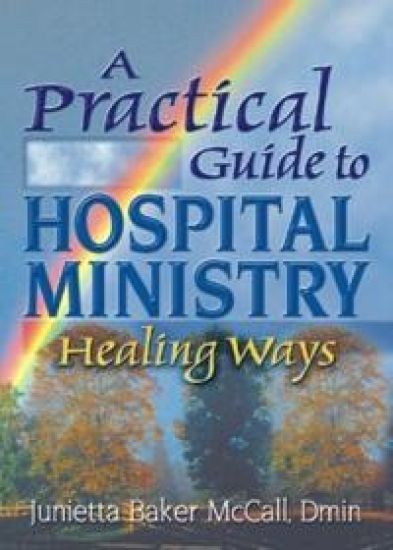
nidottu
Examine a meaningful, integrated, systemic, and pragmatic view of hospital ministry!A Practical Guide to Hospital Ministry: Healing Ways is a comprehensive resource that examines the roles and responsibilities of hospital chaplains. It will help you make a shift toward a knowledge- and skill-based ministry that both incorporates and goes beyond current training approaches. In the words of author McCall, “In today’s healthcare and specialized ministry services, education and training must be progressive and thorough. It must include experiences that increase one’s expertise in working with individuals, groups, families, consumers, and systems. These services must be integrated into the total structure and resources of hospitals at all levels of mission, philosophy, and program. Furthermore . . . hospital ministry must strive to be a resource to the wider community and the church.” A Practical Guide to Hospital Ministry is a vital resource for those who want to integrate hospital ministry into organizations whose support and understanding of the discipline are weak or do not exist at all.A Practical Guide to Hospital Ministry provides numerous resources that can be of immediate use to anyone engaged in hospital ministry, including: job descriptions descriptions of various types of hospital ministries scope-of-practice statements sample pastoral care brochures and request forms orientation checklists sample religious preference codes a list of typical counseling problems therapeutic referral and progress formsFor administrators, educators, and those seeking to provide spiritual and pastoral resources to hospitalized individuals and their families, A Practical Guide to Hospital Ministry will prove to be an invaluable reference work.
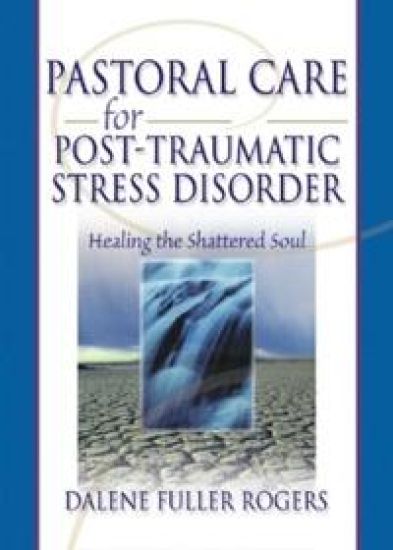
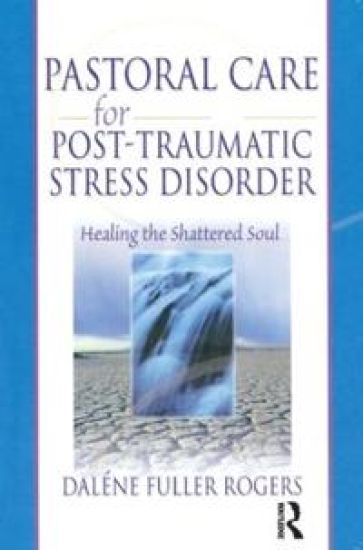
Pastoral Care for Post-Traumatic Stress Disorder

Pastoral Care for Post-Traumatic Stress Disorder

Dalene C. Fuller Rogers; Harold G Koenig

Routledge Member of the Taylor and Francis Group
2002
sidottu
Provide effective care for the members of your congregation suffering with PTSD!This vital book is an overview of the nature of post-traumatic stress disorder (PTSD). It examines the causes, manifestations, and problems of PTSD as they relate to a person socially, spiritually, emotionally, physically, and psychologically. Stressing hope, healing, and compassion, Pastoral Care for Post-Traumatic Stress Disorder: Healing the Shattered Soul includes specific suggestions for the prevention of traumatic events and for using peacemaking techniques to stop violence in your clients’lives.Pastoral Care for Post-Traumatic Stress Disorder is a practical, understandable, professionally presented and researched working guide for clergy in parishes, for chaplains, and for seminarians who have little or no knowledge of how to pastor to people who are suffering from post-traumatic stress disorder. It is also for lay people who minister to those who have been traumatized. Survivors will also benefit from its affirmation for the spiritual component of healing.This unique volume provides the practical means to support people through the healing process while maintaining their spiritual grounding, with: case studies that will help develop your skills a thoughtful discussion of the theological dimensions of trauma and suffering a practical methodology for crisis intervention an examination of the specific needs of veterans a look at the potential for caregiver burnout and how to prevent it ways that churches can contribute to the prevention of the trauma that leads to PTSD methods for using scripture as a source of healing for PTSD survivorsPastoral Care for Post-Traumatic Stress Disorder also defines PTSD from a mental health perspective and gives examples of the kinds of trauma that may lead to it. No one working with PTSD survivors in a spiritual setting should be without this book!
Pastoral Care for Post-Traumatic Stress Disorder

Pastoral Care for Post-Traumatic Stress Disorder

Dalene C. Fuller Rogers; Harold G Koenig

Routledge Member of the Taylor and Francis Group
2002
nidottu
Provide effective care for the members of your congregation suffering with PTSD!This vital book is an overview of the nature of post-traumatic stress disorder (PTSD). It examines the causes, manifestations, and problems of PTSD as they relate to a person socially, spiritually, emotionally, physically, and psychologically. Stressing hope, healing, and compassion, Pastoral Care for Post-Traumatic Stress Disorder: Healing the Shattered Soul includes specific suggestions for the prevention of traumatic events and for using peacemaking techniques to stop violence in your clients’lives.Pastoral Care for Post-Traumatic Stress Disorder is a practical, understandable, professionally presented and researched working guide for clergy in parishes, for chaplains, and for seminarians who have little or no knowledge of how to pastor to people who are suffering from post-traumatic stress disorder. It is also for lay people who minister to those who have been traumatized. Survivors will also benefit from its affirmation for the spiritual component of healing.This unique volume provides the practical means to support people through the healing process while maintaining their spiritual grounding, with: case studies that will help develop your skills a thoughtful discussion of the theological dimensions of trauma and suffering a practical methodology for crisis intervention an examination of the specific needs of veterans a look at the potential for caregiver burnout and how to prevent it ways that churches can contribute to the prevention of the trauma that leads to PTSD methods for using scripture as a source of healing for PTSD survivorsPastoral Care for Post-Traumatic Stress Disorder also defines PTSD from a mental health perspective and gives examples of the kinds of trauma that may lead to it. No one working with PTSD survivors in a spiritual setting should be without this book!
A Theology of God-Talk

A Theology of God-Talk

J. Timothy Allen; Harold G Koenig

Routledge Member of the Taylor and Francis Group
2002
sidottu
Use this common coping mechanism to help people respond to crises!This thoughtful book offers a fresh theological interpretation for the ways people talk about God in times of crisis. A Theology of God-Talk: The Language of the Heart probes the meaning behind phrases like “It must have been God’s will” and “The Lord took Uncle Harry.” Though many caring professionals dismiss such talk as insensitive or irrational, these phrases offer powerful clues to the speaker’s personal religious feelings. A Theology of God-Talk demonstrates the ways that God-talk moves the sufferer through the grief and doubt of the crisis. By recognizing the ways God-talk resembles myth, apocalyptic tale, tragedy, story, and even prayer--all literary categories--the caregiver can begin to help sufferers rewrite their personal narratives in the wake of tragedy. A Theology of God-Talk examines the crucial issues of God-talk, including: common false assumptions about it the theology of God-talk interpretations and misinterpretations how to glean counseling insights from God-talk differing stances for sufferers and survivors of tragedyBringing together psychology, theology, and narrative theory, this insghtful and sensitive book offers new ways of looking at this common reaction to crisis. A Theology of God-Talk is an instant classic and an essential resource for pastors, chaplains, therapists, grief counselors, and theologians.
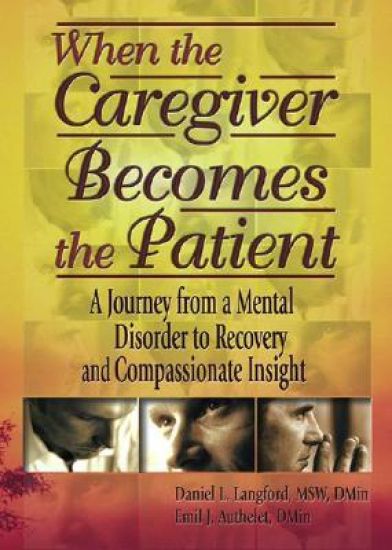
When the Caregiver Becomes the Patient

When the Caregiver Becomes the Patient

Emil J Authelet; Harold G Koenig; Daniel L Langford

Routledge Member of the Taylor and Francis Group
2002
sidottu
Examine a compelling account of a professional caregiver’s inspirational struggle with a mind/body illness and the renewed sense of compassion his recovery provides.This uplifting narrative is the story of a caregiving professional stricken by panic attacks, a wounded healer desperate to be healed. When the Caregiver Becomes the Patient is the candid and compassionate first-hand account of Daniel Langford’s struggle with the anxiety disorder that signals a physical, cognitive, and emotional crisis that paralyzes him, despite his extensive background as a health care professional, social worker, and pastoral minister. His journey from the disorder’s horrifying onset to the understanding and acceptance of its roots, and finally, to an insight that evokes a renewed appreciation for the human spirit is an inspirational guide to healing and recovery.The anecdotal form of When the Caregiver Becomes the Patient lends itself to a personal retelling of Langford’s struggle, detailing his sessions with family physician Dr. David Betat, and colleague and co-author Dr. Emil Authelet as they explore the biopsychosocial and spiritual dimension of Langford’s attacks. Their informal dialogues serve as a model of how a lateral relationship between colleagues can create an environment for healing and recovery that can be passed on to others. The book also critiques and reviews existing literature on panic attacks and anxiety disorders related to the author’s search for understanding.When the Caregiver Becomes the Patient examines: panic attacks--cause, treatment, and recovery a critique of existing literature on panic attacks clinical and spiritual perspectives on anxiety disorders critical elements of the healing process effects on the caregiver’s relationship with his/her client a fresh model for the caregiver/patient relationshipAn essential resource for caregivers, counselors and therapists, educators, physicians, and health care and religious professionals, as well as those searching for an understanding of anxiety disorders, When the Caregiver Becomes the Patient reassures those who receive care that the care giver struggles with life as well. That understanding of the mutuality of pain and recovery creates a connection that helps ease the isolation that often accompanies suffering.
When the Caregiver Becomes the Patient

When the Caregiver Becomes the Patient

Emil J Authelet; Harold G Koenig; Daniel L Langford

Routledge Member of the Taylor and Francis Group
2002
nidottu
Examine a compelling account of a professional caregiver’s inspirational struggle with a mind/body illness and the renewed sense of compassion his recovery provides.This uplifting narrative is the story of a caregiving professional stricken by panic attacks, a wounded healer desperate to be healed. When the Caregiver Becomes the Patient is the candid and compassionate first-hand account of Daniel Langford’s struggle with the anxiety disorder that signals a physical, cognitive, and emotional crisis that paralyzes him, despite his extensive background as a health care professional, social worker, and pastoral minister. His journey from the disorder’s horrifying onset to the understanding and acceptance of its roots, and finally, to an insight that evokes a renewed appreciation for the human spirit is an inspirational guide to healing and recovery.The anecdotal form of When the Caregiver Becomes the Patient lends itself to a personal retelling of Langford’s struggle, detailing his sessions with family physician Dr. David Betat, and colleague and co-author Dr. Emil Authelet as they explore the biopsychosocial and spiritual dimension of Langford’s attacks. Their informal dialogues serve as a model of how a lateral relationship between colleagues can create an environment for healing and recovery that can be passed on to others. The book also critiques and reviews existing literature on panic attacks and anxiety disorders related to the author’s search for understanding.When the Caregiver Becomes the Patient examines: panic attacks--cause, treatment, and recovery a critique of existing literature on panic attacks clinical and spiritual perspectives on anxiety disorders critical elements of the healing process effects on the caregiver’s relationship with his/her client a fresh model for the caregiver/patient relationshipAn essential resource for caregivers, counselors and therapists, educators, physicians, and health care and religious professionals, as well as those searching for an understanding of anxiety disorders, When the Caregiver Becomes the Patient reassures those who receive care that the care giver struggles with life as well. That understanding of the mutuality of pain and recovery creates a connection that helps ease the isolation that often accompanies suffering.
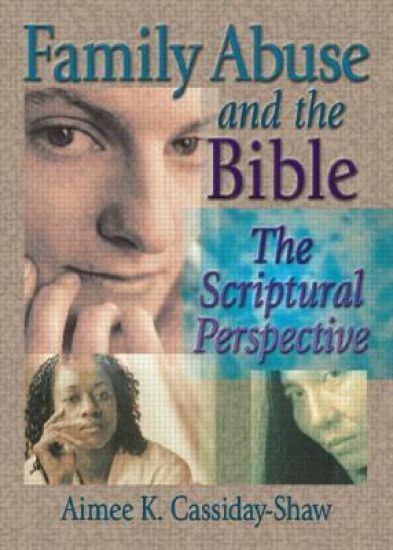
Family Abuse and the Bible

Family Abuse and the Bible

Aimee K Cassiday-Shaw; Harold G Koenig

Routledge Member of the Taylor and Francis Group
2002
sidottu
Learn the fundamental distinctions with this thoughtful study of Christ-ordained marriage!This unique volume reconciles a Biblical interpretation of marriage with the reality of domestic violence. Designed to raise awareness of abuse issues within the born-again community, Family Abuse and the Bible: The Scriptural Perspective works to promote the genuine sanctity of marriage and headship of the husband by examining the ways this God-given position can be subverted by Satan. It combines close Biblical exegesis with psychological insight into the effects of verbal, sexual, physical, and spiritual abuse. Family Abuse and the Bible offers new hope to conservative Christian women in abusive relationships. It demonstrates that abuse is not the will of God and that submission to violence is actually giving in to demonic forces. The tools in this book can ultimately free them from the horror of an abuse they may feel is ordained by God, while leaving them with an intact source of strength in their faith. Secular therapists and counselors will find Family Abuse and the Bible an essential resource that can help them remain sensitive to the needs of abused Christian women. This book explains conservative Christian beliefs about marriage, while providing powerful Biblical justifications that will reach Christian clients when secular ideas fail.Family Abuse and the Bible offers a clear-sighted Scriptural interpretation of domestic violence issues, including: the link between drugs and demonic possession the ways abusers twist the Scriptures to justify their ungodly actions the cycle of violence the role of repentance and forgiveness the difference between Biblical headship and abuseThis book is an essential tool for pastors, Christian counselors, and family therapists who work with Christian clients and also for husbands and wives who want the Lord’s will for their marriage.
Family Abuse and the Bible

Family Abuse and the Bible

Aimee K Cassiday-Shaw; Harold G Koenig

Routledge Member of the Taylor and Francis Group
2002
nidottu
Learn the fundamental distinctions with this thoughtful study of Christ-ordained marriage!This unique volume reconciles a Biblical interpretation of marriage with the reality of domestic violence. Designed to raise awareness of abuse issues within the born-again community, Family Abuse and the Bible: The Scriptural Perspective works to promote the genuine sanctity of marriage and headship of the husband by examining the ways this God-given position can be subverted by Satan. It combines close Biblical exegesis with psychological insight into the effects of verbal, sexual, physical, and spiritual abuse. Family Abuse and the Bible offers new hope to conservative Christian women in abusive relationships. It demonstrates that abuse is not the will of God and that submission to violence is actually giving in to demonic forces. The tools in this book can ultimately free them from the horror of an abuse they may feel is ordained by God, while leaving them with an intact source of strength in their faith. Secular therapists and counselors will find Family Abuse and the Bible an essential resource that can help them remain sensitive to the needs of abused Christian women. This book explains conservative Christian beliefs about marriage, while providing powerful Biblical justifications that will reach Christian clients when secular ideas fail.Family Abuse and the Bible offers a clear-sighted Scriptural interpretation of domestic violence issues, including: the link between drugs and demonic possession the ways abusers twist the Scriptures to justify their ungodly actions the cycle of violence the role of repentance and forgiveness the difference between Biblical headship and abuseThis book is an essential tool for pastors, Christian counselors, and family therapists who work with Christian clients and also for husbands and wives who want the Lord’s will for their marriage.
Pastoral Counseling

Pastoral Counseling

Jr Knights; Harold G Koenig

Routledge Member of the Taylor and Francis Group
2002
sidottu
This contemporary counseling approach seamlessly meshes with pastoral theology!Gestalt therapy is designed to be simple, free of jargon, and emotionally liberating--ideal for pastoral counseling in the context of a variety of faiths. This primer is designed to give pastors and rabbis a working knowledge of the basic techniques and attitudes pioneered by Dr. Fritz Perls. Pastoral Counseling: A Gestalt Approach shows how this holistic approach, with its emphasis on the here and now, is a natural counterpoint to pastoral theology. This comprehensive book gives specific instructions on using Gestalt techniques to increase the depth of the pastoral care and counseling you provide. Pastoral Counseling explains the basic goals of Gestalt work, which are to achieve spontaneity and expressiveness and to move toward personal authenticity. It also reveals how you can employ these techniques to help you and your congregation move toward realizing your God-given potential. Pastoral Counseling illustrates Gestalt theories from several perspectives, including: theory and techniques case studies a folk tale session transcripts a sermonPastoral Counseling guides you toward a broader understanding of the simple power of the holistic approach. Pastors and priests, rabbis, and other members of the clergy who engage in counseling will find its simple wisdom refreshing amidst the desert of dry theory. Gestalt counselors will find its pastoral perspective enlightening in their work with clients.
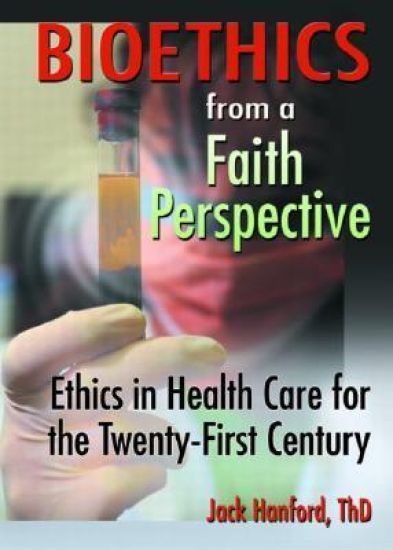
Bioethics from a Faith Perspective

Bioethics from a Faith Perspective

Jack T Hanford; Harold G Koenig

Routledge Member of the Taylor and Francis Group
2002
sidottu
Discover the spiritual community's position on bioethics issues!Bioethics from a Faith Perspective: Ethics in Health Care for the Twenty-First Century offers a meaningful, rational, faith-oriented framework for deciding how to deal with important biomedical health care issues. Organ donation, managed care, the Human Genome Project, and medical technology that keeps people alive beyond their “natural” life span are some of the topics it illuminates through case analysis and resolution. Since almost all textbooks in bioethics omit the religious dimension of life (even though the field was inspired and stimulated by religious scholars at Princeton and Yale), this is an indispensable volume.While most people state their moral positions from the background of their religious traditions, many have not had the opportunity to study the relation between their faith perspectives and the difficult issues that arise in the pursuit of health care. This book shows the relevance, significance, and guidance that a faith perspective can offer for dealing with bioethical issues.This unique and thoughtful book: shows you how to distinguish and describe the relation between technical and ethical aspects of health-related issues provides you with a framework of moral principles, theories, values, and faith viewpoints teaches you the defining characteristics of a moral professional-client relationship related to faith helps you to discern when medical ethics and faith commitments are therapeutic and when they are not gives examples describing a moral problem, a faith perspective, and a justified position on that problemSince bioethics has been an amazing story of growth from the 1950s to the present day and is still expanding, there will be changes. Bioethics from a Faith Perspective stimulates that expansion by including the religious dimension. It is the perfect supplement to the existing literature on the subject.
The Link Between Religion and Health

The Link Between Religion and Health

Harold G. Koenig; Harvey J. Cohen

Oxford University Press Inc
2002
sidottu
This book is the first to present new medical research establishing a connection between religion and health and to examine the implications for Eastern and Western religious traditions and for society and culture. The distinguished list of contributors examine a series of psychoneuroimmunology (PNI) topics that relate to religious faith and behavior. PNI studies the relationships between mental states and the nervous, endocrine, and immune systems. Among the issues it focuses upon are how mental states, in general, and belief states, in particular, affect physical health. The contributors argue that religious involvement and belief can affect certain neuroendocrine and immune mechanisms, and that these mechanisms, in turn, positively affect a wide variety of health outcomes, such as susceptibility to cancer and recovery following surgery. This volume is essential reading for those interested in the relationship between religion and health.
Pastoral Counseling

Pastoral Counseling

Jr Knights; Harold G Koenig

Routledge Member of the Taylor and Francis Group
2002
nidottu
This contemporary counseling approach seamlessly meshes with pastoral theology!Gestalt therapy is designed to be simple, free of jargon, and emotionally liberating--ideal for pastoral counseling in the context of a variety of faiths. This primer is designed to give pastors and rabbis a working knowledge of the basic techniques and attitudes pioneered by Dr. Fritz Perls. Pastoral Counseling: A Gestalt Approach shows how this holistic approach, with its emphasis on the here and now, is a natural counterpoint to pastoral theology. This comprehensive book gives specific instructions on using Gestalt techniques to increase the depth of the pastoral care and counseling you provide. Pastoral Counseling explains the basic goals of Gestalt work, which are to achieve spontaneity and expressiveness and to move toward personal authenticity. It also reveals how you can employ these techniques to help you and your congregation move toward realizing your God-given potential. Pastoral Counseling illustrates Gestalt theories from several perspectives, including: theory and techniques case studies a folk tale session transcripts a sermonPastoral Counseling guides you toward a broader understanding of the simple power of the holistic approach. Pastors and priests, rabbis, and other members of the clergy who engage in counseling will find its simple wisdom refreshing amidst the desert of dry theory. Gestalt counselors will find its pastoral perspective enlightening in their work with clients.
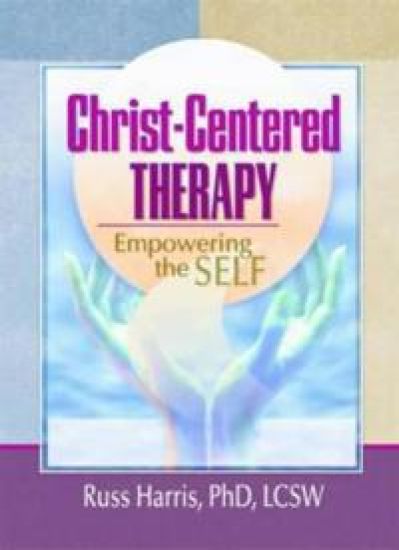
Christ-Centered Therapy

Christ-Centered Therapy

Harold G Koenig; Russ Harris

Routledge Member of the Taylor and Francis Group
2002
sidottu
Help your clients gain access to the transformative grace of God through Christ!All too often, psychology and spirituality are kept in separate boxes, lessening the power of each to work effective changes. Christ-Centered Therapy: Empowering the Self brings together Christian faith with the Internal Family System (IFS) model. This widely accepted paradigm facilitates psychological healing by showing how the self can become the change agent for the dysfunctional internal system. Christ-centered IFS (CCIFS) combines the power of internal system therapy with the healing power of God for lasting change. Therapists with Christian clients, faith-based clients, or clients who need foundational grounding will benefit from the psychological and spiritual dimensions of Christ-Centered Therapy: Empowering the Self. This powerful therapeutic model posits a self surrounded by subpersonalities who carry anger, fear, distrust, and other negative responses. When the client’s self takes the leadership role, the self becomes the channel for Christ’s grace for all the subpersonalities. One by one they become empowered, center around self and God, and contribute their resources to the functioning of the whole personality.Christ-Centered Therapy: Empowering the Self provides exercises and visual aids to help both client and counselor, including: four tools to teach the self to lead effectively worksheets to serve as a structural and visual guide to understanding, developing, and using each tool a parts map for client and counselor to use collaboratively cartoons, structural diagrams, and dialogues to illustrate new concepts and proceduresEach chapter of Christ-Centered Therapy: Empowering the Self provides specific help for the counselor, including: case studies showing step-by-step clinical interventions a content summary a clinical outline listing the interventions in sequence an exercise to help counselors discover their own inner and spiritual dynamics Christ-Centered Therapy: Empowering the Self brings together the diagnostic and restorative power of IFS with the transforming power of Christian spirituality. It is essential for Christian counselors and for non-Christian counselors who are seeking more effective ways to treat Christian clients.
Bioethics from a Faith Perspective

Bioethics from a Faith Perspective

Jack T Hanford; Harold G Koenig

Routledge Member of the Taylor and Francis Group
2002
nidottu
Discover the spiritual community's position on bioethics issues!Bioethics from a Faith Perspective: Ethics in Health Care for the Twenty-First Century offers a meaningful, rational, faith-oriented framework for deciding how to deal with important biomedical health care issues. Organ donation, managed care, the Human Genome Project, and medical technology that keeps people alive beyond their “natural” life span are some of the topics it illuminates through case analysis and resolution. Since almost all textbooks in bioethics omit the religious dimension of life (even though the field was inspired and stimulated by religious scholars at Princeton and Yale), this is an indispensable volume.While most people state their moral positions from the background of their religious traditions, many have not had the opportunity to study the relation between their faith perspectives and the difficult issues that arise in the pursuit of health care. This book shows the relevance, significance, and guidance that a faith perspective can offer for dealing with bioethical issues.This unique and thoughtful book: shows you how to distinguish and describe the relation between technical and ethical aspects of health-related issues provides you with a framework of moral principles, theories, values, and faith viewpoints teaches you the defining characteristics of a moral professional-client relationship related to faith helps you to discern when medical ethics and faith commitments are therapeutic and when they are not gives examples describing a moral problem, a faith perspective, and a justified position on that problemSince bioethics has been an amazing story of growth from the 1950s to the present day and is still expanding, there will be changes. Bioethics from a Faith Perspective stimulates that expansion by including the religious dimension. It is the perfect supplement to the existing literature on the subject.
Christ-Centered Therapy

Christ-Centered Therapy

Harold G Koenig; Russ Harris

Routledge Member of the Taylor and Francis Group
2002
nidottu
Help your clients gain access to the transformative grace of God through Christ!All too often, psychology and spirituality are kept in separate boxes, lessening the power of each to work effective changes. Christ-Centered Therapy: Empowering the Self brings together Christian faith with the Internal Family System (IFS) model. This widely accepted paradigm facilitates psychological healing by showing how the self can become the change agent for the dysfunctional internal system. Christ-centered IFS (CCIFS) combines the power of internal system therapy with the healing power of God for lasting change. Therapists with Christian clients, faith-based clients, or clients who need foundational grounding will benefit from the psychological and spiritual dimensions of Christ-Centered Therapy: Empowering the Self. This powerful therapeutic model posits a self surrounded by subpersonalities who carry anger, fear, distrust, and other negative responses. When the client’s self takes the leadership role, the self becomes the channel for Christ’s grace for all the subpersonalities. One by one they become empowered, center around self and God, and contribute their resources to the functioning of the whole personality.Christ-Centered Therapy: Empowering the Self provides exercises and visual aids to help both client and counselor, including: four tools to teach the self to lead effectively worksheets to serve as a structural and visual guide to understanding, developing, and using each tool a parts map for client and counselor to use collaboratively cartoons, structural diagrams, and dialogues to illustrate new concepts and proceduresEach chapter of Christ-Centered Therapy: Empowering the Self provides specific help for the counselor, including: case studies showing step-by-step clinical interventions a content summary a clinical outline listing the interventions in sequence an exercise to help counselors discover their own inner and spiritual dynamics Christ-Centered Therapy: Empowering the Self brings together the diagnostic and restorative power of IFS with the transforming power of Christian spirituality. It is essential for Christian counselors and for non-Christian counselors who are seeking more effective ways to treat Christian clients.
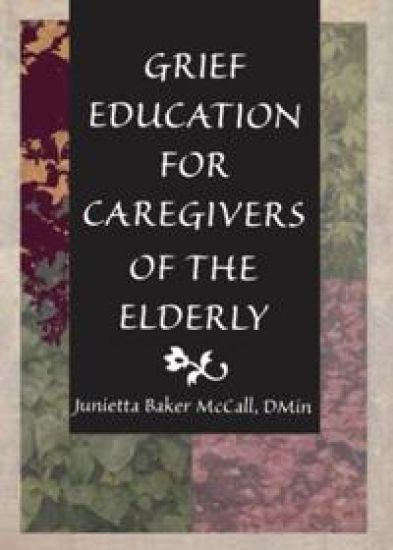
Grief Education for Caregivers of the Elderly

Grief Education for Caregivers of the Elderly

Harold G Koenig; Junietta B Mccall

Routledge Member of the Taylor and Francis Group
2000
nidottu
Through firsthand accounts and research, Grief Education for Caregivers of the Elderly focuses on the education, training, and support of individuals who care for the elderly. This book provides caregivers with methods to cope with grief and loss and will help educators design programs that meet the needs of their consumers: the elderly and their families, friends, and service providers. From Grief Education for Caregivers of the Elderly, you'll learn how to cope with the stress and emotions of caregiving and improve the quality of services to your patients. With an emphasis on caregivers of the institutionalized elderly and the special services provided by clergy, chaplains, and pastoral counselors, Grief Education for Caregivers of the Elderly offers the caregiver or educator several model workshops focusing on grief, loss, and bereavement care. Grief Education for Caregivers of the Elderly contains proven methods and strategies that will sharpen and enhance your caregiving skills, including:focusing on the emotional responses and phases of dying, including denial, anger, and acceptance, to help patients deal with death considering physical and administrative atmosphere and your elderly population when setting goals and designing workshops to provide optimal patient/resident care discussing the themes of grief and loss, stress management, handling change, and promoting self-care for caregivers in workshops and through self-evaluations developing workshops that open with grief history surveys and attitude checklists, discuss normative development and issues of old age, and have themes based on the biological, psychosocial, and spiritual needs of the elderly person providing caregivers with an opportunity to practice what they have learned through case studies, simulated role play, open discussions, and care plan designing thinking about your own mortality and learning about your feelings and ideas of growing oldUtilized at a psychiatric nursing home facility of New Hampshire Hospital, the workshop exercises in Grief Education for Caregivers of the Elderly have allowed caregivers to express personal feelings; talk about beliefs and experiences; learn about biological, psychosocial, and spiritual processes of grief and phases of bereavement; and apply these understandings and insights into typical caregiving situations. Grief Education for the Caregivers of the Elderly gives you the framework for such a program, using vignettes, composite case material, poetry, and a holistic approach to health care to emphasize the importance of your emotional health and enhanced care of the elderly.
Faith, Spirituality, and Medicine

Faith, Spirituality, and Medicine

Dana E King; Harold G Koenig

Routledge Member of the Taylor and Francis Group
2000
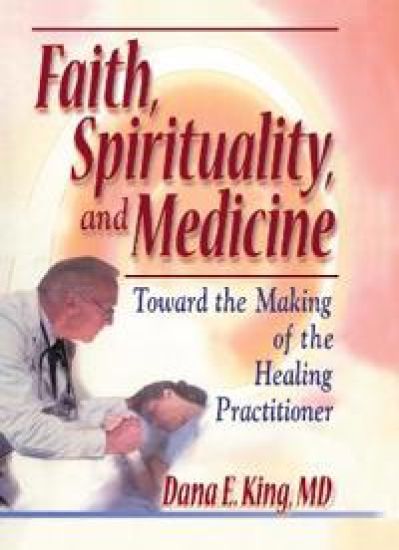
sidottu
Understand and make use of the connections between health and religion to improve your practice!Research points to a clear link between people's religious beliefs and practices and their health. These developments have ushered in a new era in health care, in which meaning and purpose stand alongside biology as vital factors in health outcomes. Now the gap is closing between medicine and religion, as evidenced by the more than 60 US medical school courses now being given in spirituality, religion, and medicine, including courses at major teaching centers such as Harvard, Johns Hopkins, Brown, Case-Western, and others.Faith, Spirituality, and Medicine: Toward the Making of the Healing Practitioner promotes the integration of spirituality into medical care by exploring the connection between patient health and traditional religious beliefs and practices. This useful guide emphasizes basic, easily understood principles that will help health professionals apply current research findings linking religion, spirituality, and health. Faith, Spirituality, and Medicine does not advocate any particular set of beliefs or evangelize as it helps you integrate spiritual care into the care of patients by showing you how to:take a patient's spiritual history correlate religious beliefs with health beliefs address the individual spiritual needs of your patients choose a course of treatment that is in agreement with the religious belief of the patient incorporate appropriate clergy into treatment plansFaith, Spirituality, and Medicine describes a biopsychosocial-spiritual model that emphasizes the need to view patients not simply as biological creatures, but as physical, psychological, social, and spiritual beings if they are to be effectively treated and healed as whole persons.
Faith, Spirituality, and Medicine

Faith, Spirituality, and Medicine

Dana E King; Harold G Koenig

Routledge Member of the Taylor and Francis Group
2000
nidottu
Understand and make use of the connections between health and religion to improve your practice!Research points to a clear link between people's religious beliefs and practices and their health. These developments have ushered in a new era in health care, in which meaning and purpose stand alongside biology as vital factors in health outcomes. Now the gap is closing between medicine and religion, as evidenced by the more than 60 US medical school courses now being given in spirituality, religion, and medicine, including courses at major teaching centers such as Harvard, Johns Hopkins, Brown, Case-Western, and others.Faith, Spirituality, and Medicine: Toward the Making of the Healing Practitioner promotes the integration of spirituality into medical care by exploring the connection between patient health and traditional religious beliefs and practices. This useful guide emphasizes basic, easily understood principles that will help health professionals apply current research findings linking religion, spirituality, and health. Faith, Spirituality, and Medicine does not advocate any particular set of beliefs or evangelize as it helps you integrate spiritual care into the care of patients by showing you how to:take a patient's spiritual history correlate religious beliefs with health beliefs address the individual spiritual needs of your patients choose a course of treatment that is in agreement with the religious belief of the patient incorporate appropriate clergy into treatment plansFaith, Spirituality, and Medicine describes a biopsychosocial-spiritual model that emphasizes the need to view patients not simply as biological creatures, but as physical, psychological, social, and spiritual beings if they are to be effectively treated and healed as whole persons.
Shared Grace

Shared Grace

Susan Bonfiglio; Harold G Koenig; Marion A Bilich; Steven D Carlson

Routledge Member of the Taylor and Francis Group
2000
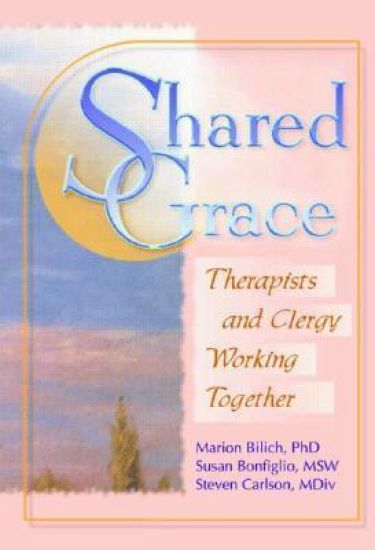
sidottu
Learn how theology and psychology can work together to provide effective therapy!Shared Grace provides a framework within which mental health professionals and clergy can work together to provide people in need with appropriate psychological services and spiritual interventions. Breaking down the walls between psychology and religion, this guide offers you proven and tried methods and models from the authors’collaborative work. Comprehensive and intelligent, this vital book will help therapists incorporate a spiritual dimension to their sessions and give patients successful and effective services.Shared Grace is also a book about the healing power of love. It is the very personal, intense account of the authors’ work to help a woman who suffered from dissociative identity disorder heal from the effects of her childhood abuse. Through this poignant story, you’ll find that adding a spiritual dimension into psychotherapy brings increased richness and depth to the therapeutic process. Step-by-step practical suggestions for collaboration between therapist and clergy are included. Issues brought to light in Shared Grace include:transforming damaged and dysfunctional images of God the establishment of support systems within the religious community the use of guided imagery the creation of healthy rituals and ceremoniesShared Grace will help therapists and clergy alike and enable each to obtain the support, education, and training to make interdisciplinary collaboration successful.
Shared Grace

Shared Grace

Susan Bonfiglio; Harold G Koenig; Marion A Bilich; Steven D Carlson

Routledge Member of the Taylor and Francis Group
2000
nidottu
Learn how theology and psychology can work together to provide effective therapy!Shared Grace provides a framework within which mental health professionals and clergy can work together to provide people in need with appropriate psychological services and spiritual interventions. Breaking down the walls between psychology and religion, this guide offers you proven and tried methods and models from the authors’collaborative work. Comprehensive and intelligent, this vital book will help therapists incorporate a spiritual dimension to their sessions and give patients successful and effective services.Shared Grace is also a book about the healing power of love. It is the very personal, intense account of the authors’ work to help a woman who suffered from dissociative identity disorder heal from the effects of her childhood abuse. Through this poignant story, you’ll find that adding a spiritual dimension into psychotherapy brings increased richness and depth to the therapeutic process. Step-by-step practical suggestions for collaboration between therapist and clergy are included. Issues brought to light in Shared Grace include:transforming damaged and dysfunctional images of God the establishment of support systems within the religious community the use of guided imagery the creation of healthy rituals and ceremoniesShared Grace will help therapists and clergy alike and enable each to obtain the support, education, and training to make interdisciplinary collaboration successful.