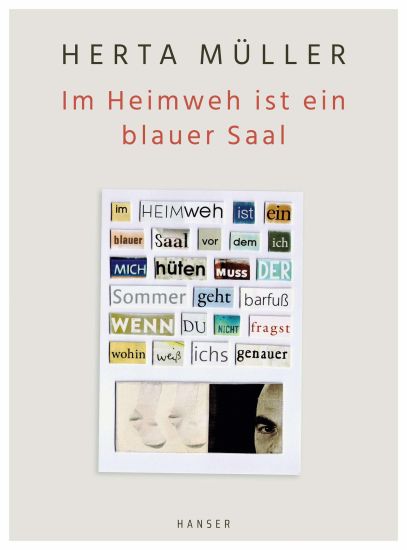
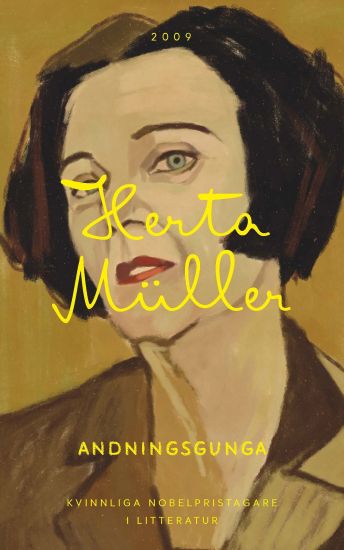
«En rumano es muy frecuente decir: "He vuelto a ser un fais n", que significa: "He vuelto a fracasar", "No lo he logrado". O sea, en rumano, el fais n es un perdedor. Herta M ller, Premio Nobel de Literatura 2009 El fais n es un ave que no vuela, vive en el suelo, es una presa f cil que no puede escapar. En esta obra la autora refleja la resignaci n y desesperanza interior de los a os previos a su exilio. Aborda el destino de una familia de origen alem n que espera con ansiedad la autorizaci n para abandonar Ruman a. Los personajes, asfixiados por unas fronteras no solamente geogr ficas, trazadas por los aparatos represivos de la dictadura, reflejan una gran tensi n en sus vidas. Angela Merkel dijo... «Precisamente ahora, 20 a os tras la ca da del muro de Berl n, es una se al maravillosa que se honre con el Nobel de Literatura a una escritora que ha vivido esta experiencia en carne propia. ENGLISH DESCRIPTION In Romanian, it is very common to say: "I have become a pheasant again," which means: "I have failed again," "I didn't make it." In Romanian, the pheasant is a loser. Herta M ller, Nobel Prize in Literature 2009 The pheasant is a bird that does not fly, lives on the ground, and is an easy prey that cannot escape. In this work, the author reflects the resignation and inner despair of the years leading up to her exile. She addresses the fate of a German family anxiously awaiting permission to leave Romania. The characters, suffocated by borders that are not only geographical, drawn by the repressive apparatus of the dictatorship, reflect great tension in their lives. Angela Merkel said... "Precisely now, 20 years after the fall of the Berlin Wall, it is a wonderful sign that a writer who has lived this experience firsthand is honored with the Nobel Prize in Literature."