
Kirjailija
James Joyce
Kirjat ja teokset yhdessä paikassa: 680 kirjaa, julkaisuja vuosilta 1914-2026, suosituimpien joukossa Ulysses. Vertaile teosten hintoja ja tarkista saatavuus suomalaisista kirjakaupoista.
Mukana myös kirjoitusasut: James Joyce.
680 kirjaa
Kirjojen julkaisuhaarukka 1914-2026.

En av världslitteraturens främsta noveller»Jag har älskat De döda alldeles för ytligt. Det är ju det här som är det sanna mästerskapet!« | Björn Kohlström, Bernur»Joyce gjorde ensam slut på 1800-talet.« | T. S. Eliot»James Joyce revolutionerade 1900-talslitteraturen.« | Time MagazineEfter påhälsning från de döda - genom något så konkret som hur någon sjunger en särskild irländsk sång - drabbas Gabriel Conroy av den omvälvande insikten om hur ytligt han alltid älskat sin hustru Gretta. Bilden av den fallande snön omkring dem, som i takt med berättelsen djupnar till en kosmisk metafor över livet och döden, har kallats litteraturhistoriens vackraste snöfall.För första gången ges Joyces mästerliga novell De döda ut i en svenskspråkig separatutgåva. Med ett nyskrivet förord av förläggaren och författaren Jonas Ellerström.JAMES JOYCE [1882-1941], irländsk författare, är en av den modernistiska litteraturens portalfigurer med verk som Dublinbor [Dubliners, 1914], Ett porträtt av författaren som ung [Portrait of the Artist as a Young Man, 1916] och Odysseus [Ulysses, 1922].
Ett av världslitteraturens viktigaste självbiografiska verk»Han gjorde på egen hand slut på 1800-talet.« | T.S. Eliot»Joyce revolutionerade 1900-talslitteraturen.« | Time MagazineEtt porträtt av författaren som ung [1916] gjorde James Joyce till en ledargestalt för den litterära modernismen över hela Europa. Romanen utspelar sig i författarens hemland Irland och berättar i fem episoder om Stephen Dedalus barndom. Handlingen baseras helt och hållet på Joyces eget liv och utgör ett privat manifest inte minst genom sin vassa självständighetsförklaring gentemot katolicismen. Joyce uppfann ett nytt sätt att skriva roman på. Han övergav det traditionella berättandet för att i stället återge en medvetandeström, samt lanserade sina epifanier; ögonblickliga uppenbarelser som i sin vardaglighet låter ana ett större livssammanhang.Genom den amerikanske poeten Ezra Pounds rekommendation publicerades Portrait of the Artist as a Young Man som följetong i tidskriften The Egoist 1914/15, innan den gavs ut i bokform året efter. I dag, hundra år efter att boken kom ut, räknas Ett porträtt av författaren som ung till världslitteraturens mest betydande självbiografiska texter. Boken rankades av Modern Library som 1900-talets 3:e bästa engelskspråkiga roman (med Joyces Ulysses som #1).En klassiker i egen rätt är Ebba Atterboms svenska översättning, som här återutges med ett nyskrivet förord av förläggaren och författaren Jonas Ellerström.JAMES JOYCE [1882-1941], irländsk författare, är en av den modernistiska litteraturens portalfigurer med verk som Dublinbor [Dubliners, 1914], Ett porträtt av författaren som ung [Portrait of the Artist as a Young Man, 1916] och Odysseus [Ulysses, 1922].»Såväl det svenska förlaget som översättaren framstår även i ett internationellt perspektiv som pionjärer - när den svenska utgåvan låg färdig återstod ännu tre månader till dess att Sylvia Beach publicerade Ulysses på sitt förlag Shakespeare & Co i Paris och Joyce över en natt blev världsberömd.« Ur Jonas Ellerströms förord»James Joyce är en stilistisk mästare.« | Mattias Lahti Davidsson, Dagens bok


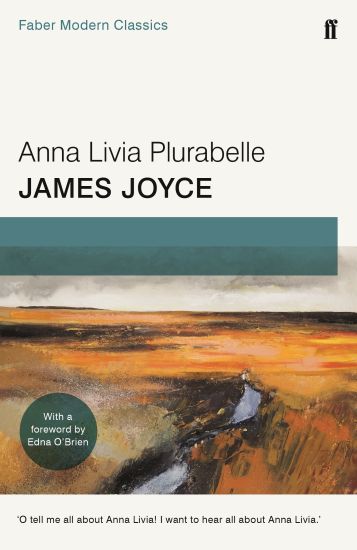
As James Joyce was working on Finnegans Wake, he asked his friend T.S. Eliot to shepherd an early extract, simply known as 'Work in Progress' into print. This celebrated episode, Anna Livia Plurabelle, was the first part of Joyce's extraordinary text to be published in England, printed in pamphlet form in 1930. It became the best-known section of Finnegans Wake, and one of Joyce's favourites; revised and published independently more times than any other piece. This new edition in the Faber Modern Classics series includes a new foreword by Edna O'Brien.'His writing is not about something; it is that something itself.' Samuel Beckett
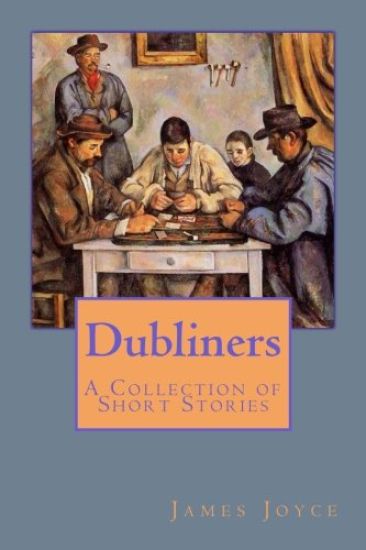
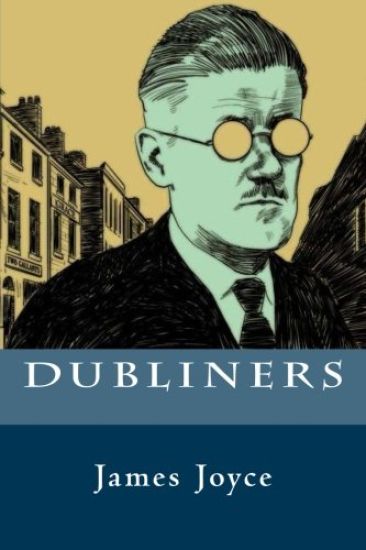
Dubliners is a collection of fifteen short stories by James Joyce, first published in 1914. They form a naturalistic depiction of Irish middle class life in and around Dublin in the early years of the 20th century.The stories were written when Irish nationalism was at its peak, and a search for a national identity and purpose was raging; at a crossroads of history and culture, Ireland was jolted by various converging ideas and influences. They centre on Joyce's idea of an epiphany: a moment where a character experiences a life-changing self-understanding or illumination. Many of the characters in Dubliners later appear in minor roles in Joyce's novel Ulysses. The initial stories in the collection are narrated by child protagonists, and as the stories continue, they deal with the lives and concerns of progressively older people. This is in line with Joyce's tripartite division of the collection into childhood, adolescence and maturity.
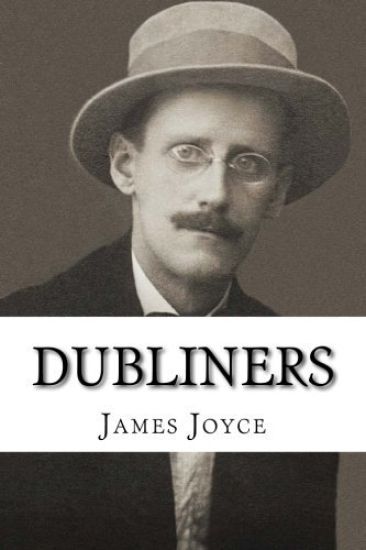
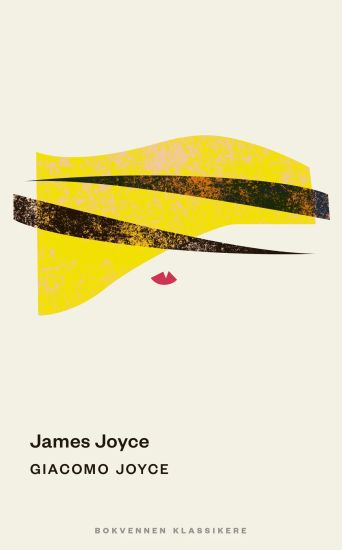
Den beundrede forfatteren av storverkene Ulysses og Finnegans Wake etterlot seg et manuskript ved sin død - upublisert. Joyce hadde skrevet det med sin sirligste kalligrafiskrift, uten overstrykninger eller forandringer, på begge sider av åtte store ark som holdes løselig sammen av de blå permene av en stilebok til skolebruk. Øverst i venstre hjørne på omslaget er skrevet navnet Giacomo Joyce. Arbeidet stammer fra tiden mellom Portrett av kunstneren som ung mann og gigantromanen Ulysses, og representerer en avskjed med en periode av forfatterens liv, samtidig som det innvarsler oppdagelsen av en ny kunstnerisk uttrykksmåte. Handlingen er lagt til Trieste, og beskriver en lærers oppblussende forelskelse i en ung elev i besettende prosarytmer som tydelig bærer sin opphavsmanns kjennetegn.
Dubliners is a collection of fifteen short stories by James Joyce, first published in 1914.They form a naturalistic depiction of Irish middle class life in and around Dublin in the early years of the 20th century.The stories were written when Irish nationalism was at its peak, and a search for a national identity and purpose was raging; at a crossroads of history and culture, Ireland was jolted by various converging ideas and influences. They centre on Joyce's idea of an epiphany: a moment where a character experiences a life-changing self-understanding or illumination. Many of the characters in Dubliners later appear in minor roles in Joyce's novel Ulysses. The initial stories in the collection are narrated by child protagonists, and as the stories continue, they deal with the lives and concerns of progressively older people. This is in line with Joyce's tripartite division of the collection into childhood, adolescence and maturity.
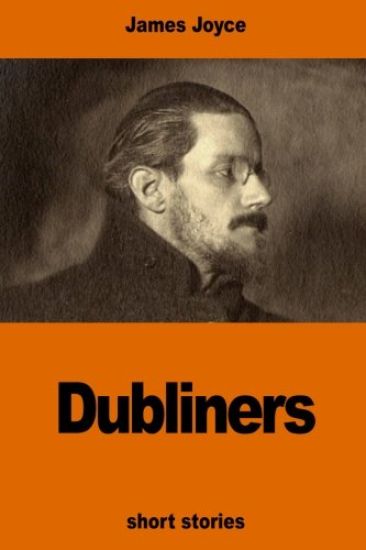
First published in 1914, Dubliners depicts middle-class Catholic life in Dublin at the start of the twentieth century. Themes within the stories include the disappointments of childhood, the frustrations of adolescence, and the importance of sexual awakening. James Joyce was twenty-five years old when he wrote this collection of short stories, among which 'The Dead' is probably the most famous. Considered at the time as a literary experiment, Dubliners contains moments of joy, fear, grief, love and loss, which combine to form one of the most complete depictions of a city ever written, and the stories remain as refreshingly original and surprising in this century as they did in the last.This Macmillan Collector's Library edition of Dubliners features an afterword by dramatist Peter Harness.Designed to appeal to the booklover, the Macmillan Collector's Library is a series of beautiful gift editions of much loved classic titles. Macmillan Collector's Library are books to love and treasure.
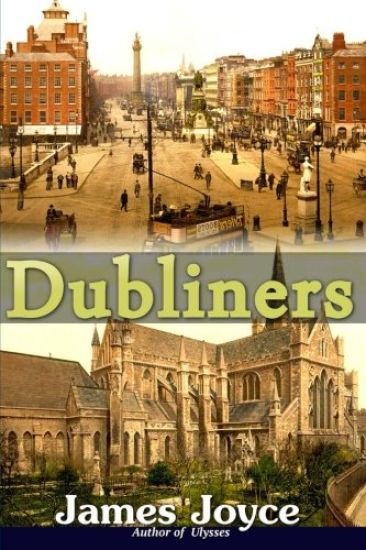
Classics for Your Collection: goo.gl/U80LCr --------- Dubliners is a collection of fifteen short stories by James Joyce, first published in 1914. They form a naturalistic depiction of Irish middle class life in and around Dublin in the early years of the 20th century. The stories were written when Irish nationalism was at its peak, and a search for a national identity and purpose was raging; at a crossroads of history and culture, Ireland was jolted by various converging ideas and influences. They centre on Joyce's idea of an epiphany: a moment where a character experiences a life-changing self-understanding or illumination. Many of the characters in Dubliners later appear in minor roles in Joyce's novel Ulysses. The initial stories in the collection are narrated by child protagonists, and as the stories continue, they deal with the lives and concerns of progressively older people. This is in line with Joyce's tripartite division of the collection into childhood, adolescence and maturity. Dubliners Publication history - A Tale of persistence Between 1905, when Joyce first sent a manuscript to a publisher, and 1914, when the book was finally published, Joyce submitted the book 18 times to a total of 15 publishers. The book's publishing history is a harrowing tale of persistence in the face of frustration. The London house of Grant Richards agreed to publish it in 1905. Its printer, however, refused to set one of the stories (Two Gallants), and Richards then began to press Joyce to remove a number of other passages that he claimed the printer also refused to set. Joyce protested but eventually did agree to some of the requested changes. Richards eventually backed out of the deal. Joyce thereupon resubmitted the manuscript to other publishers, and about three years later (1909) he found a willing candidate in Maunsel & Roberts of Dublin. Yet, a similar controversy developed and Maunsel too refused to publish it, even threatening to sue Joyce for printing costs already incurred. Joyce offered to pay the printing costs himself if the sheets were turned over to him and he was allowed to complete the job elsewhere and distribute the book, but when Joyce arrived at the printers they refused to surrender the sheets. They burned them the next day. Joyce managed to save one copy, which he obtained "by ruse". He then returned to submitting the manuscript to other publishers, and in 1914 Grant Richards once again agreed to publish the book, using the page proofs saved from Maunsel as copy. The story collection as a whole displays an overall plan, beginning with stories of youth and progressing in age to culminate in The Dead. Great emphasis is laid upon the specific geographic details of Dublin, details to which a reader with a knowledge of the area would be able to directly relate. The multiple perspectives presented throughout the collection serve to compare the characters and people in Dublin at this time. Scroll Up and Grab Your Copy For Timeless Great Classic Books, Visit: goo. gl/0oisZU