Kirjojen hintavertailu. Mukana 12 390 323 kirjaa ja 12 kauppaa.

Kirjailija

John Casey

Kirjat ja teokset yhdessä paikassa: 48 kirjaa, julkaisuja vuosilta 1990-2026, suosituimpien joukossa A Treatise on Plane Trigonometry, Containing an Account of Hyperbolic Functions; With Numerous Examples. Vertaile teosten hintoja ja tarkista saatavuus suomalaisista kirjakaupoista.

48 kirjaa

Kirjojen julkaisuhaarukka 1990-2026.

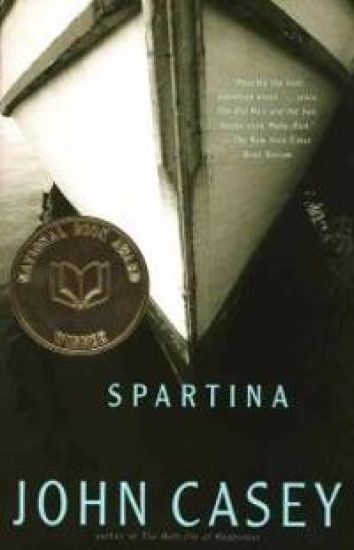
Spartina

Spartina

John Casey

Vintage Books
1998
nidottu
Winner of the 1989 National Book AwardA classic tale of a man, a boat, and a storm, Spartina is the lyrical and compassionatestory of Dick Pierce, a commercial fisherman along the shores of Rhode Island'sNarragansett Bay. A kind, sensitive, family man, he is also prone to irascible outburstsagainst the people he must work for, now that he can no longer make his living from thesea.Pierce's one great passion, a fifty-foot fishing boat called Spartina, lies unfinished inhis back yard. Determined to get the funds he needs to buy her engine, he finds himselftaking a foolish, dangerous risk. But his real test comes when he must weather a storm atsea in order to keep his dream alive. Moving and poetic, Spartina is a masterly story ofone man's ongoing struggle to find his place in the world.
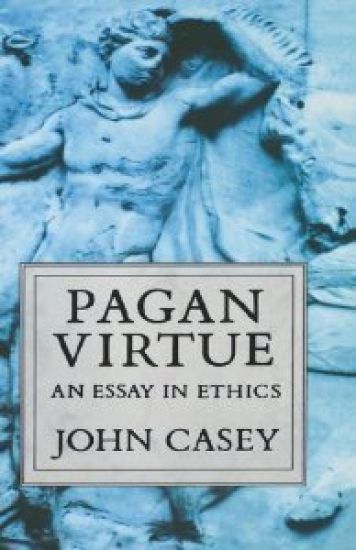
Pagan Virtue

Pagan Virtue

John Casey

Clarendon Press
1991
nidottu
Dr Casey argues that the classical virtues of courage, temperance, practical wisdom, and justice, which are largely ignored in modern moral philosophy, centrally define the good for Man. The values of success, pride, and worldliness remain alive, if insufficiently acknowledged, part of our moral thinking. The conflict between these values and our equally important Christian inheritance leads to tensions and contradictions in our understanding of the moral life.
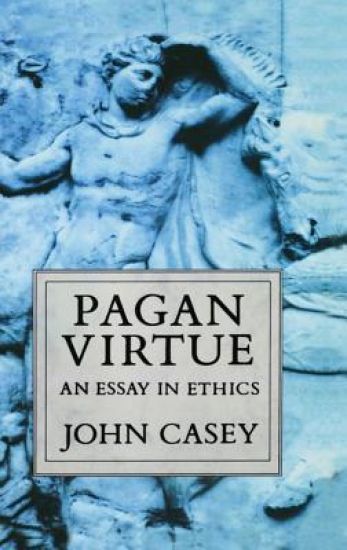
Pagan Virtue

Pagan Virtue

John Casey

Clarendon Press
1990
sidottu
Casey argues that the classical virtues of courage, temperance, practical wisdom, and justice centrally define the good for Man, and that they are insufficiently acknowledged in modern moral philosophy. The associated values of success, pride, and worldliness are intrinsically opposed to values deriving from our Christian inheritance, and this leads to tensions and contradictions in our understanding of the moral life. The book draws on diverse sources: Aristotle, Augustine, Aquinas, Shakespeare, Hume, Jane Austen, Hegel, Nietzsche, and Sartre.