

Kirjailija
John Jackson
Kirjat ja teokset yhdessä paikassa: 136 kirjaa, julkaisuja vuosilta 1983-2027, suosituimpien joukossa GB Railfreight. Vertaile teosten hintoja ja tarkista saatavuus suomalaisista kirjakaupoista.
136 kirjaa
Kirjojen julkaisuhaarukka 1983-2027.

A Farther Examination of Dr. Clarke's Notions of Space, With Some Considerations on the Possibility of Eternal Creation, in Reply to Mr. John Clarke's Third Defence of Dr. Samuel Clarke's Demonstration &c
John Jackson; John Clarke; Joseph Clarke
Hutson Street Press
2025
pokkari

Occupying approximately 1,500 square miles of the East of England, the Fens are notorious flatlands lying very close to sea level. Extending across much of Cambridgeshire, Norfolk and Lincolnshire, they offer a rare chance to see Britain’s railways in action against one of the most attractive rural backdrops in the country. Sadly, the Cambridgeshire town of Wisbech, often referred to as the capital of the Fens, has long been removed from the railway map. Today’s Fenland railways, however, linking Cambridge and King’s Lynn and the cathedral cities of Peterborough and Ely, both continue to cross this beautiful countryside. Various passenger-train operators provide vital links serving local communities, while longer-distance ones offer both commuters the chance to reach London and the leisure traveller a choice of airports. Most UK freight operators also cross the Fens with the major port of Felixstowe ensuring a constant procession of container trains through the area. The Fens’ attraction is in its rural setting where today’s modern railway sits alongside relics of a bygone age, including manually operated level crossings and semaphore signals. John Jackson takes an in-depth look at what the railways of the Fens have to offer today through a vibrant selection of images and informative captions.

Charting the KeolisAmey.Cymru story, a lavishly illustrated look at Wales' railways in the years following Arriva's franchise.
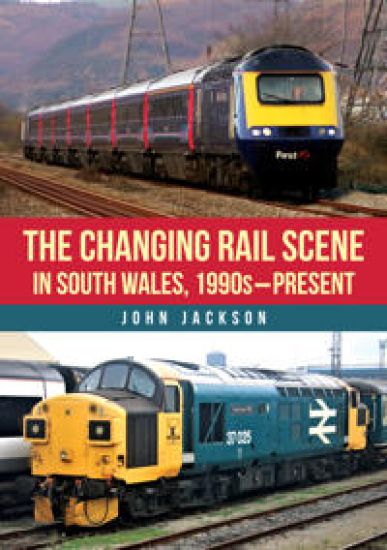
South Wales has long been a popular destination for railway enthusiasts. The area’s industrial heartland has ensured a continuous procession of trains carrying a variety of freight traffic. While most of the coal traffic may have gone, the visitor to Cardiff or Newport can still be rewarded with a mix of twenty-first-century rail freight. In this book, the many changes to the South Wales rail scene in the last thirty years are traced. The 1990s will be remembered as the decade of privatisation. The many freight trains on display before the arrival of the ubiquitous Class 66 saw the end of much of this variety of motive power. In particular, the English Electric Type ‘3’ and Brush Type ‘4’ gave way to General Motors’ Class 66 locos shortly after privatisation. On the passenger front, most Welsh services have been in the hands of Arriva, under their Arriva Trains Wales branding. More recently, these services have been operated by Transport for Wales. The electrification of the Great Western Main Line from London Paddington to Cardiff has seen the end of the ever-popular High Speed Trains on services to the capital. The long-serving ‘Pacers’ have also gone and there are motive-power changes in the Valleys as well as on the main line. John Jackson draws on his substantial photographic archive as he explores the changing rail scene in South Wales from the 1990s to the present day.
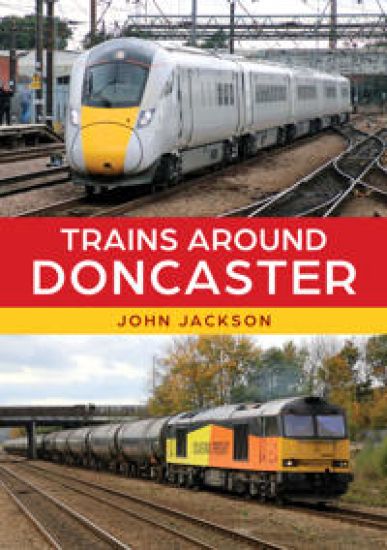
The South Yorkshire town of Doncaster has long been a hotspot for railway enthusiasts. Glancing at the railway map, it’s easy to see why. With its prominent position on the East Coast Main Line, it is also an important passenger interchange for a variety of destinations around Yorkshire and Humberside. With no fewer than seven different passenger operators calling at the station, there’s plenty of variety. Doncaster’s freight traffic may have suffered as a result of the twenty-first-century downturn in coal movements, but there’s still a lot on show, with all the major rail-freight operators making regular appearances in the area. In this book, John Jackson documents what Doncaster’s railways have to offer in the twenty-first century.
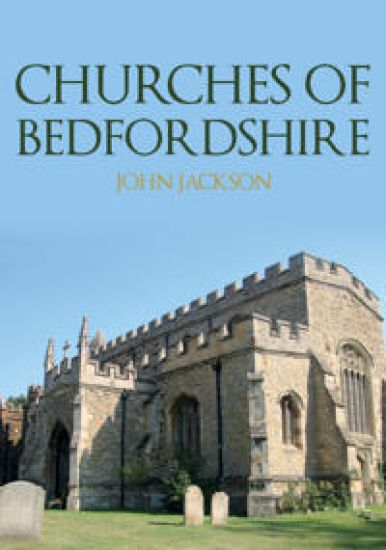
The Saxons put the county of Bedfordshire on the map, and signs of the earliest churches from this period remain today. Church building continued after the Norman Conquest, not least the foundation of the Abbey at Elstow by William the Conqueror’s niece, Judith of Lens, towards the end of the eleventh century. One of Bedfordshire’s most famous sons, John Bunyan, was baptised in the church of St Mary and St Helena, at Elstow, over 500 years later, just one of approximately fifty places of worship featured in this selection of Bedfordshire churches following John and Jenny Jackson’s extensive travels around their home county’s places of worship. With around 100 supporting photos, their selection is not just about the best in the county. It is a cross-section that reflects different styles, periods and locations within one of the country’s smallest counties. Many of these more remotely located churches are in little-known villages, but nevertheless offer a charm of their own alongside the more sizeable communities of Bedford and Luton. This book aims to show the wide diversity on offer within the Bedfordshire area of the diocese of St Albans. This fascinating picture of an important part of the history of Bedfordshire over the centuries will be of interest to all those who live in or are visiting this attractive county in England.

The ubiquitous Class 66 locomotive first emerged onto the British freight scene in 1998, with many people getting their first close-up look at these engines at the Open Day at Toton in August that year. The twenty-fifth anniversary of the class in operation in Britain was celebrated in 2023. Since pioneer 66001 went on display at the, then, EWS-owned depot back in 1998, over 400 of these machines have seen service in Britain through all the major rail-freight operators. This book looks at the rapid cascade of these locomotives across the country in that twenty-five-year period. The Class 66’s area of operation extends from the china-clay traffic in the South West of England through to services to both Fort William and Inverness in the Scottish Highlands. It is also a celebration of the variety of traffic on offer to the observer of our railways today.

Jackson, J: Spleen a permanent placenta: The placenta a temp
John Jackson
Antigonos Verlag
2024
nidottu

Human Resource Management
Sean Valentine; Patricia Meglich; Robert L. Mathis; John Jackson
CENGAGE LEARNING, INC
2024
nidottu
Prepare for HR and career success with the book that has set the standard for excellence in human resource management. Valentine/Meglich/Mathis/Jackson's HUMAN RESOURCE MANAGEMENT, 17th EDITION, offers today's most current look at HRM and its impact on the success of organizations today. A leading resource in preparing for professional HR certification, this edition ensures you are familiar with all major topics for professional examinations from the Society for Human Resource Management and Human Resource Certification Institute. You examine the latest HR research as well as HR theory in contemporary practice. This edition highlights emerging trends driving change in HRM today, including ethics, technology, globalization, competencies and HR metrics. Accompanying MindTap digital resources offer a personalized, online learning platform with a tailored presentation created by your instructor.
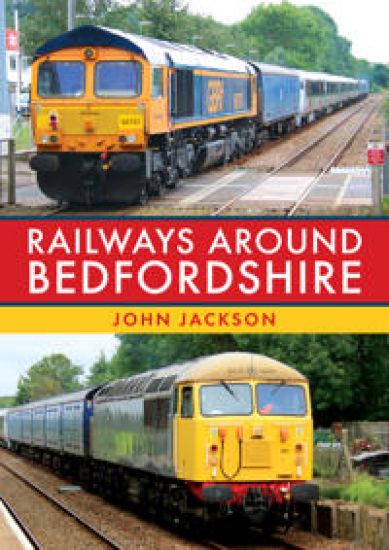
For many long-distance rail travellers, the county of Bedfordshire is a part of the UK passed at speed on an express heading north to south on either the Midland Main Line or East Coast Main Line. Less well known is that the county also boasts a short stretch of West Coast Main Line running in the area around Leighton Buzzard. In this book John Jackson takes a more detailed look at these services that speed through the county, as well as the more localised services provided at the seventeen stations remaining on today’s rail map of Bedfordshire. Our journey takes us from popular commuter towns such as Bedford and Sandy to the ‘step back in time’ of the 16-mile rural branch line running westwards from Bedford towards Bletchley and Milton Keynes. There is a variety of freight traffic on offer, too, with most of the major rail freight players operating services on these three major rail arteries.

This area of the south coast of England has long been a popular ‘hotspot’ for enthusiasts to sample the variety of traffic on offer on today’s railway. The area is home to one of the UK’s most significant ports as well as railway workshops that continue to see a variety of uses despite mounting competition from overseas. Interest is sustained by virtue of both Freightliner’s base on the outskirts of Southampton and GB Railfreight’s recent takeover of the yard at Eastleigh. In addition, both DB Cargo and Colas Rail locos are regular visitors to the area. In Trains Around Eastleigh and Southampton, John Jackson takes a look at the variety of traffic passing through the area. The freight traffic for both the railway industry’s external customers and its own Network Rail use is included. This area of Hampshire also serves as an important commuter catchment area for London and a popular destination for rail travel for leisure purposes. The modern-day rail picture is completed with a look at these passenger services operated by South Western Railway, Southern and Cross Country.

The city of Derby has a long association with the country’s railway heritage, not just as a focal point for the county’s railway passengers but also its long tradition of manufacture. Today, Derby enjoys passenger services to destinations as far apart as London, Scotland and the South West of England. But the county of Derbyshire offers so much more. With towns such as Chesterfield and Buxton, as well as some tiny rural communities, it is still well served by passenger trains. Looking at freight traffic, the days of constant streams of coal trains passing may have long gone, but there’s still plenty on offer to the enthusiast. In particular, the county’s hills are a source of important materials for the UK construction industry. The railways of Derbyshire continue to play a leading role in getting these materials to market with a network of regular deliveries to the end customer. This book takes a whistle stop tour of the county’s stations, looking at both the passenger and freight trains seen since the turn of the century.

A Charge Delivered to the Clergy on the Diocese of London
John Jackson
Anatiposi Verlag
2023
pokkari
A Charge Delivered to the Clergy on the Diocese of London
John Jackson
Anatiposi Verlag
2023
sidottu
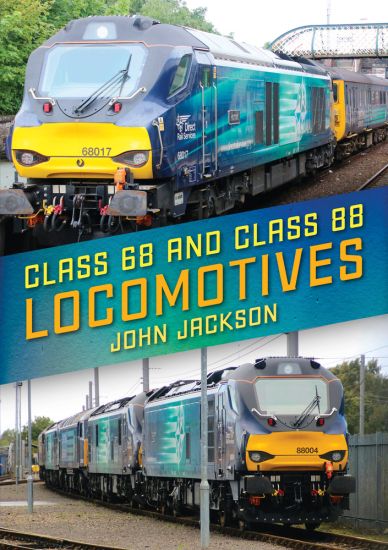
In 2012, Direct Rail Services (DRS) placed an order with Vossloh (now Stadler Rail) for its first Class 68 diesel locomotives. The fleet size has now grown to thirty-four. Their later order was for ten Class 88 locomotives, an electro-diesel variant of the Class 68. Since delivery, the 68s have worked alongside the operator’s fleet of ageing, so-called ‘heritage’, locos. With these locos now at their disposal, they are surely destined to be the mainstay of the company’s fleet for some time to come. In addition to their use as a mixed traffic locomotive for DRS themselves, the company lease these locos to passenger train operators such as Scotrail and Chiltern Railways. Their wide range of duties is covered in this book. Here, John Jackson tracks the first few years of their use on an increasing variety of workings.

The importance of our railways in the movement of sea containers cannot be overstressed. Industry figures suggest that one in four of all containers arriving at UK ports move onwards via the UK rail network. This is particularly significant to the railfreight sector given the dramatic downturn in coal traffic in recent years. Four of the country’s major players in the freight sector – Freightliner, DB Cargo, GB Railfreight and Direct Rail Services – all move significant volumes of container traffic to almost all parts of the UK. This book takes a look at these movements, from the major ports of Felixstowe and Southampton to destinations as far afield as Bristol and the Scottish Highlands. John Jackson takes an in-depth look at the diversity of locomotives and container wagons used on these services provided by these key players on our twenty-first-century railway.
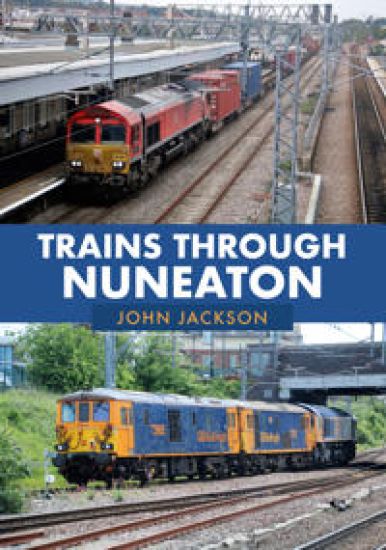
Nuneaton, the largest town in Warwickshire, sits on an important railway crossroads in the Midlands. At its Trent Valley station, the busy West Coast Main Line heads broadly north to south with the important link between Birmingham and Leicester crossing east to west. An equally important line heads south-east from the town, through Coventry and Leamington Spa, carrying local passengers as well as an important freight link with the docks at Southampton. This line to Coventry and beyond has had a chequered past and was one of many victims of the Beeching Axe before, fortunately, reopening to passengers in the late 1980s. The author has spent many thousands of hours watching and photographing rail movements through Nuneaton station. This publication takes a look at the considerable variety of both passenger and freight traffic on offer to the enthusiast, ranging from the everyday to the unexpected.

Railways of Leicestershire in the Twenty-first Century
John Jackson
AMBERLEY PUBLISHING
2022
nidottu
A quick look at today’s map of the county of Leicestershire and it’s easy to see that its county town, Leicester, sits at an important railway crossroads. With London to the south and the East Midlands cities of Derby and Nottingham to the north, the line linking St Pancras and Sheffield is crossed in Leicester by one of England’s most important east–west link lines. This link provides passenger rail journey opportunities to and from Birmingham to the west and the cities of Peterborough and Cambridge to the east. In addition, it is playing an increasingly important role as a freight route to and from East Anglia, including connecting the UK’s largest container port at Felixstowe with a number of terminals across the country. The line between Leicester and Burton on Trent may have lost its passenger service, but it remains an important access route to the quarries in the area around Coalville. The county’s railways may have been drastically pruned by the Beeching Axe, but they still have a wide variety of traffic on offer. In this book John Jackson looks at the variety of traffic at work on the county’s main lines. The story is completed by a glance at today’s roll of Brush’s workshops in Loughborough and loco servicing and stabling facility now occupying the former depot at Leicester itself.
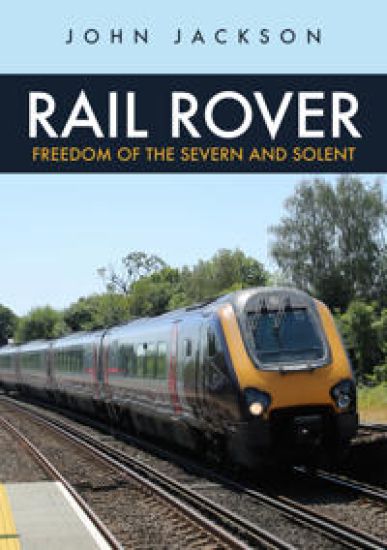
As the Rover’s name suggests, the north of the area ranges from Cardiff and Bristol (close to the Severn) to Swindon and Cheltenham, then extends down to the Southampton area (on the Solent) with a coastal stretch from Portsmouth as far as Weymouth. What’s more, it takes in some fascinating railway centres such as Eastleigh, Salisbury and Westbury. The Rover offers travel on a variety of express and local passenger services operated by several different train companies, combined with a variety of freight action across the region. This includes the container trains to and from Southampton Docks, steel workings to and from South Wales and stone and aggregate movements from the Mendip Hills. The author demonstrates the variety of traffic on offer today across this popular rover ticket area.