Kirjojen hintavertailu. Mukana 12 657 676 kirjaa ja 12 kauppaa.
Kirjailija
Knut Hamsun
Kirjat ja teokset yhdessä paikassa: 294 kirjaa, julkaisuja vuosilta 1969-2026, suosituimpien joukossa Nälkä. Vertaile teosten hintoja ja tarkista saatavuus suomalaisista kirjakaupoista.
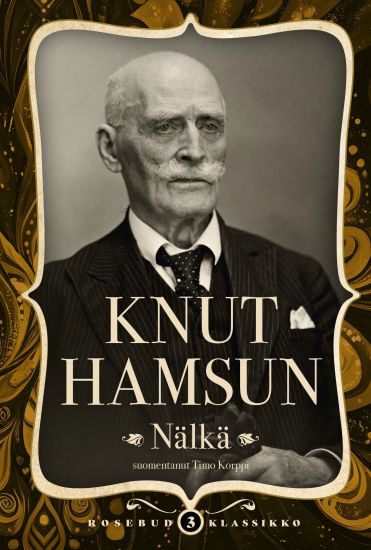
Kaivattu uusi suomennos norjalaisnobelistin klassikosta.Lainaus Wikipediasta:Hamsunin ensimmäinen merkittävä romaani Nälkä (1890) toi hänelle mainetta uudenlaisena lahjakkuutena. Niihin aikoihin norjalainen kirjallisuus käsitteli lähinnä yhteiskunnallisia ongelmia, mutta Nälkä tarkasteli sen sijaan yhden miehen sisäistä mielenmaisemaa. Omaelämäkerrallinen tarina kertoo nälkää näkevästä kirjailijasta, joka odottaa menestystä. Hamsun hyödyntää romaanissaan sisäistä monologia, takaumia ja muita aikasiirtymiä, sekä kertomuksen katkaisevia fantasiajaksoja. Monet Hamsunin käyttämistä kirjallisista tekniikoista olivat tuohon aikaan lukijoille melko uusia. Nälän on sanottu aavistelleen Franz Kafkan tulevaa tuotantoa, ja sen vaikutusta 1900-luvun kirjallisuuteen pidetään hyvin merkittävänä.
"Maailman kaunein rakkausromaani."Kertomus vuosisadan takaisesta luokkayhteiskunnan Norjasta. Myllärin pojan Johanneksen kiihkeä rakkaus Viktoriaan, linnan neitoon on tuhoon tuomittua.Kaivattu uusi suomennos rakastetusta norjalaisnobelistin klassikosta.
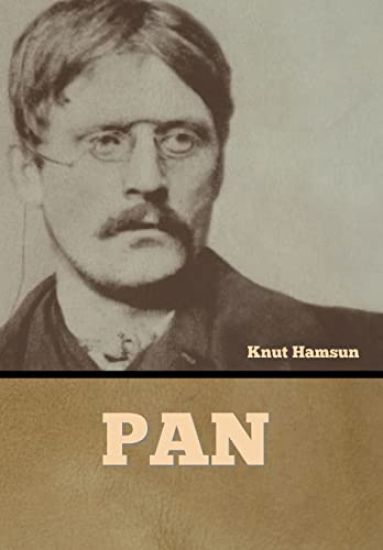
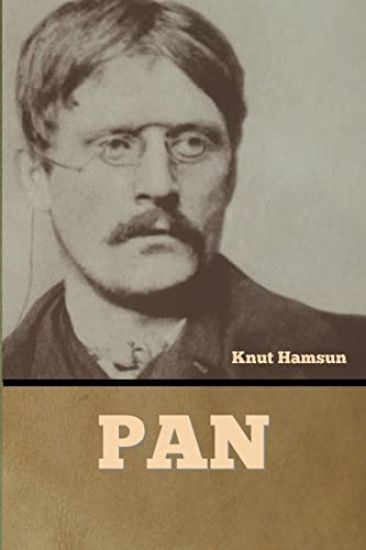
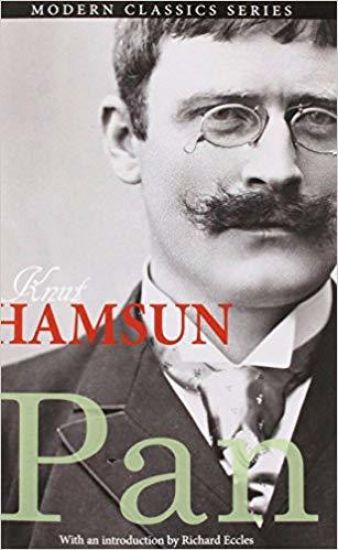
Pan is an 1894 novel by Norwegian author Knut Hamsun. He wrote it while living in Paris and in Kristiansand, Norway. It remains one of his most famous works. Lieutenant Thomas Glahn, a hunter and ex-military man, lives alone in a hut in the forest with his faithful dog Aesop. Upon meeting Edvarda, the daughter of a merchant in a nearby town, they are both strongly attracted to each other, but neither understands the other's love. Overwhelmed by the society of people where Edvarda lives, Glahn has a series of tragedies befall him before he leaves forever. The changing seasons are reflected in the plot: Edvarda and Glahn fall in love in spring; make love in the summer; and end their relationship in the autumn.The contradicting symbols of culture and nature are important in the novel: Glahn belongs to nature, while Edvarda belongs to culture.Much of what happens between Glahn and Edvarda is foreshadowed when Glahn dreams of two lovers. The lovers' conversations also foretell the future. The novel has been adapted for film four times. The first was a Norwegian silent film directed by Harald Schwenzen in 1922. In 1937, a German-made version was produced under the sponsorship of Nazi propaganda minister Joseph Goebbels, who considered Hamsun one of his favorite authors. Goebbels had initially attempted to get Greta Garbo for this film, but was unsuccessful, and he did not like the finished film, which became the first foreign film to be released in Norway with its soundtrack dubbed into Norwegian. The next version, a color production by the Swedish studio Sandrews, was directed by Bjarne Henning-Jensen and released in 1962 under the title Kort r sommaren (Summer is short). A Danish/Norwegian/German version, directed by Danish director Henning Carlsen, was released in 1995. The book is also the basis of Guy Maddin's 1997 Canadian film Twilight of the Ice Nymphs and the primary inspiration for Ben Rivers' 2011 docufiction Two Years at Sea. (wikipedia.org)
First published in 1894, "Pan" is one of Norwegian author and Nobel prize-winning Knut Hamsun's most famous works. It is the story of Lieutenant Thomas Glahn, an ex-military man who lives alone in a hut in the woods with his faithful dog Aesop. Glahn's life changes when he meets Edvarda, a merchant's daughter from a nearby town, with whom he quickly falls in love. While they feel strongly for each other, they do not truly understand the other's perspective and tragedy soon befalls the lovers. Edvarda is not entirely faithful to Glahn and he is profoundly affected by her betrayal and the strange habits of the city people he does not feel connected to. Deeply symbolic and emotionally sensitive, "Pan" is a fascinating study in the psychological impact of unrequited love and helped cement Hamsun's reputation as a gifted author. Cited as one of the reasons for awarding him the Nobel Prize in Literature, "Pan" was a critical success and often lauded for its powerful and poetic prose. Hamsun's story endures as a powerful and moving story of one man's tragic experiences with love and his ultimate rejection of society in favor of the beauty of the natural world. This edition is printed on premium acid-free paper and follows the translation of W. W. Worster.
'It was at the time when I was wandering around hungry in Kristiania, that strange city no one leaves before it has set its mark on them...' Hunger is the first-person story of a young man desperately trying to establish himself in the city as a writer, living in shabby lodgings where he can seldom afford to pay the rent, eating almost nothing, and engaging spasmodically and manically with landladies, eccentric elderly men, policemen, shopkeepers, pawnbrokers, and others on the way. He wanders around the streets, sits on benches trying to write, spends a night locked in a pitch-dark police cell, thinks, slides into remarkably inventive reveries, speculates on his mental health, his ethical comportment, his relation to the divinity, the topics he might write about. The traces of a consistent narrative logic are uncertain and blurred; the voice of the narrator keeps shifting between pragmatic appraisal of his situation, wild fantasies, manic outbursts, anger, and despair. This is a story that lies on the threshold of modernism, anticipating many of the dislocations that narrative will be subject to in the decades to come. This new translation seeks to restore the startling freshness and epidermal unease of Hamsun's breakthrough story of 1890. It remains faithful to the style and voice of the text, the shifts of tense, the indirect free style, and the constant changes of register as the inner monologue moves between poetic sensitivity, wild fantasies, manic outbursts, and hyperbolic emotion. Tore Rem's introduction provides an updated and fresh account of the genesis of Hunger, its book history and its reception. ABOUT THE SERIES: For over 100 years Oxford World's Classics has made available the widest range of literature from around the globe. Each affordable volume reflects Oxford's commitment to scholarship, providing the most accurate text plus a wealth of other valuable features, including expert introductions by leading authorities, helpful notes to clarify the text, up-to-date bibliographies for further study, and much more.