

Kirjailija
Laura Wright
Kirjat ja teokset yhdessä paikassa: 52 kirjaa, julkaisuja vuosilta 1995-2025, suosituimpien joukossa Kinnie Wagner. Vertaile teosten hintoja ja tarkista saatavuus suomalaisista kirjakaupoista.
52 kirjaa
Kirjojen julkaisuhaarukka 1995-2025.










A Practical Guide to Quantum Computing and the Law
Laura Wright; Rebecca Keating
Law Brief Publishing
2024
pokkari
Quantum computing has the potential to revolutionise various aspects of our work and daily lives by harnessing the power of quantum mechanics to deliver faster results and solve complex problems that classical computers cannot handle. This book is designed to address current and future legal issues to assist lawyers as quantum computing continues to be adopted more widely.The book serves as a practical guide to help readers navigate the technology and its legal implications. It begins by explaining what quantum computing is and its practical significance, before delving into the legal ramifications of this technology. It covers existing legal frameworks related to the adoption and use of quantum computing in the contexts of national security and sanctions. Furthermore, it explores current and emerging legal issues in areas such as data protection, risks for businesses, and intellectual property. Finally, the authors offer some practical considerations for lawyers involved in litigation concerning quantum computers.CONTENTSChapter One - IntroductionChapter Two - What Is Quantum Computing?Chapter Three - The Practical Significance of Quantum ComputersChapter Four - National Security and SanctionsChapter Five - Security Breaches and Data ProtectionChapter Six - Risks to Commercial Parties and OrganisationsChapter Seven - Quantum Computers and Intellectual PropertyChapter Eight - Litigating Disputes Regarding Quantum ComputingChapter Nine - Approach in Other JurisdictionsFuture Developments and Conclusion

This book teaches the basics of the structure of the English language with plentiful extracts from novels, poems and plays, so that literature students learn how to identify parts of speech and discuss their effects. No previous linguistics experience is assumed. Each chapter is divided into a definition of a specific linguistic feature; a demonstration of it in a literary text; a literary exercise where readers identify it themselves and assess its effect; and a brief summary of the teaching point. Interpretation is subjective and readers will learn how to build linguistic evidence to support their view. Essential knowledge for anyone who analyses English Literature.
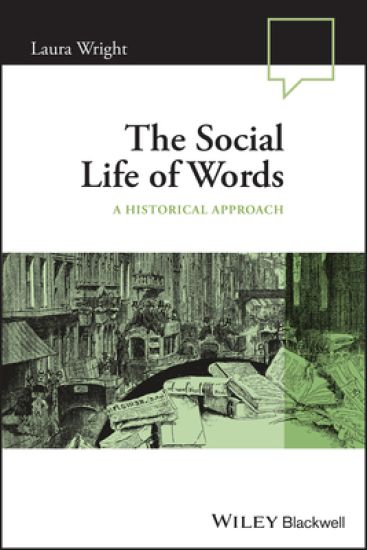
A new approach to sociolinguistics, introducing the study of the social meaning of English words over time, and offering an engaging and entertaining demonstration of lexical sociolinguistic analysis The Social Life of Words: A Historical Approach explores the rise and fall of the social properties of words, charting ways in which they take on new social connotations. Written in an engaging narrative style, this entertaining text matches up sociolinguistic theory with social history and biography to discover which kind of people used what kind of word, where and when. Social factors such as class, age, race, region, gender, occupation, religion and criminality are discussed in British and American English. From familiar words such as popcorn, porridge, café, to less common words like burgoo, califont, etna, and phrases like kiss me quick, monkey parade, slap-bang shop, The Social Life of Words demonstrates some of the many ways a new word or phrase can develop social affiliations. Detailed yet accessible chapters cover key areas of historical sociolinguistics, including concepts such as social networks, communities of practice, indexicality and enregisterment, prototypes and stereotypes, polysemy, onomasiology, language regard, lexical appropriation, and more. The first book to take a focused look at lexis as a topic for sociolinguistic analysis, The Social Life of Words: Introduces sociolinguistic theories and shows how they can be applied to the lexiconDemonstrates how readers can apply sociolinguistic theory to their own analyses of words in English and other languagesProvides an engaging and amusing new look at many familiar words, inviting students to explore the sociolinguistic properties of words over time for themselvesPart of Wiley Blackwell’s acclaimed Language in Society series, The Social Life of Words is essential reading for upper-level undergraduate students, graduate students, postdoctoral researchers, and linguists working in sociolinguistics, lexical semantics, English lexicology, and the history and development of modern English.

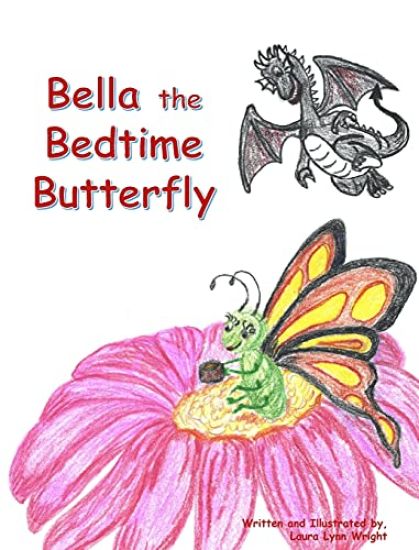
Bella the Bedtime Butterfly takes you on a short daytime adventure where Bella brings smiles to those in need. Then the story switches to a delightful fairytale Smile-Venture. The switch helps capture the attention of the reader during the bedtime fairytale portion of the story. It is the ideal length for the perfect bedtime story to put your little one to sleep. Let them close their eyes and use their imagination or look at the sweet illustrations Bella the Butterfly starts her day and brings smiles to those in need. Once the days mission is accomplished, she goes to bed and invites you along on a delightful fairytale. You, as her Smile Warrior, help save the kingdom from Frownster the dragon The transition from a short daytime adventure to the nighttime fairytale is designed to assist in switching the brain to bedtime mode.
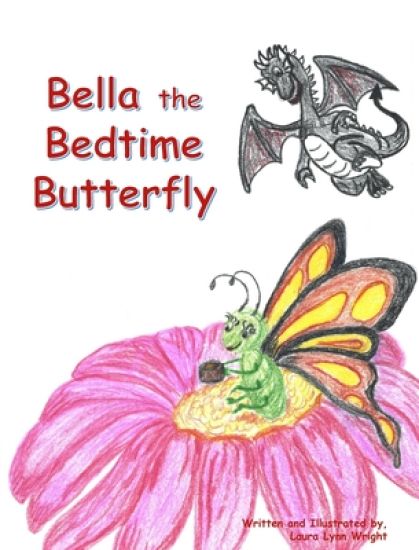
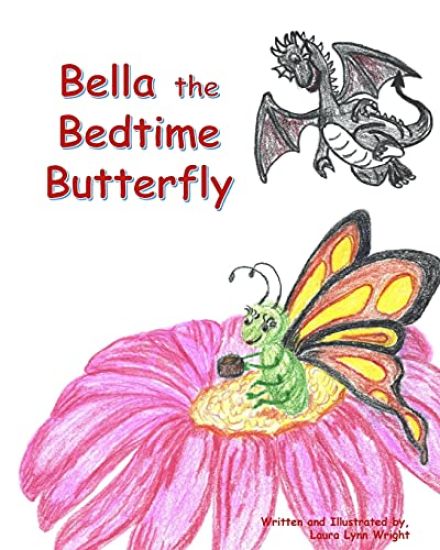
Bella the Bedtime Butterfly takes you on a short daytime adventure where Bella brings smiles to those in need. Then the story switches to a delightful fairytale Smile-Venture. The switch helps capture the attention of the reader during the bedtime fairytale portion of the story. It is the ideal length for the perfect bedtime story to put your little one to sleep. Let them close their eyes and use their imagination or look at the sweet illustrations Bella the Butterfly starts her day and brings smiles to those in need. Once the days mission is accomplished, she goes to bed and invites you along on a delightful fairytale. You, as her Smile Warrior, help save the kingdom from Frownster the dragon The transition from a short daytime adventure to the nighttime fairytale is designed to assist in switching the brain to bedtime mode.

This book discusses developments in the history of British house names from the earliest written evidence (Beowulf's Heorot) to the twentieth century. Chapters 1 and 2 track changes from medieval naming practices such as Ceolmundingchaga and Prestebures, to present-day house names such as Fairholme and Oakdene: that is, the shift from recording the name of the householder (Sabelinesbury, 'Sabeline's manor'), the householder's occupation (le Taninghus, 'the tannery') and the appearance of the house (le Brodedore, 'the broad door'); to the five main categories still in use today: the transferred place-name (Aberdeen House), the nostalgically rural (Springfield), the commemorative (Blenheim Palace), the upwardly mobile (Vernon Lodge), and the latest fashion (Fernville). The development and demise of pub names and shop names such as la Worm on the Hope and the Golden Tea Kettle & Speaking Trumpet are detailed, and the rise of heraldic names such as the Red Lion is explained. Chapters 3-5 track the house name Sunnyside backwards in time to prehistory, through English, Latin, Scottish Gaelic, and the influence of Old Norse. Sunnyside's ancient origins lie in the Nordic practice of solskifte, a prehistoric method of dividing up land according to position of shadows, but the name was boosted in the eighteenth century by Nonconformists (especially Quakers), who took it to America, and in the nineteenth century by American celebrity influence. The book contains an appendix of the earliest London house names to the year 1400, and a gazetteer of historic Sunnysides.