Kirjojen hintavertailu. Mukana 12 390 323 kirjaa ja 12 kauppaa.

Kirjailija

Mark Coeckelbergh

Kirjat ja teokset yhdessä paikassa: 32 kirjaa, julkaisuja vuosilta 2013-2026, suosituimpien joukossa Viestivä tekoäly. Vertaile teosten hintoja ja tarkista saatavuus suomalaisista kirjakaupoista.

32 kirjaa

Kirjojen julkaisuhaarukka 2013-2026.

Viestivä tekoäly

Viestivä tekoäly

Mark Coeckelbergh; David J. Gunkel

Terra Cognita
2025
nidottu
Tekoälyn voi ajatella viestivän, kun ihminen voi olla sen kanssa keskustelua muistuttavassa vuorovaikutuksessa. Esimerkiksi OpenAI:n ChatGPT ja Googlen LaMDA ovat viestiviä tekoälyjä.Tässä uraa uurtavassa teoksessa esitellään, miten tällaiset suuret kielimallit toimivat, ja tarkastellaan niitä kriittisesti ja havainnollisesti lähtien länsimaisen filosofian peruskivistä ja päätyen moderniin kielen, tiedon ja viestinnän filosofiaan.Kielimallit eivät tiedä eivätkä ymmärrä mitään. Niiden viestintä ei perustu merkitysten välittämiseen, vaan opetusaineistossa esiintyviin tilastollisiin hahmoihin. Tällä erolla ihmisten viestintään on syvällinen vaikutus elämiimme, yhteiskuntiimme, käsitykseemme tiedosta ja siihen, mitä pidämme kirjoittamisena ja kirjoittajuutena.Tekijät osoittavat selkein esimerkein, että tämä aikamme kenties hajottavin teknologia on samalla ainutlaatuinen uusi mahdollisuus tutkia ihmisen kognitiota ja pohtia, mitä kieli, viestintä ja älykkyys pohjimmiltaan ovat.Mark Coeckelbergh on Wienin yliopiston teknologian ja median filosofian professori. Häneltä on ilmestynyt aiemmin suomeksi teokset Tekoälyn etiikka ja Miksi tekoäly nakertaa demokratiaa. David J. Gunkel on viestinnän professori Northern Illinois Universityssa.

Communicative AI

Communicative AI

Mark Coeckelbergh; David J. Gunkel

JOHN WILEY AND SONS LTD
2025
sidottu
Large Language Models (LLMs), like OpenAI’s ChatGPT and Google’s LaMDA, are not only the most disruptive and controversial technologies of our time, but also offer an unprecedented opportunity to examine human cognition and philosophically question the very nature of language, communication, and intelligence. What is consciousness? What is language? Are LLMs authors? Are LLMs the end of writing as we know it?In Communicative AI, Mark Coeckelbergh and David J. Gunkel offer a critical introduction to LLMs, investigating the philosophical significance of this technology and its practical ramifications. Mobilizing resources from contemporary philosophy, history of ideas, linguistics, and communication theory, the book invites us to re-think some long-standing philosophical issues concerning language, consciousness, truth, authorship, and writing. Through a blend of theoretical analysis, accessible explanations, and practical examples, the book provides readers with a comprehensive overview of the role that this powerful new technology is already playing in our lives.This is a must-read for students and scholars across the humanities and the social sciences, as well as for anyone intrigued by the intersection of technology, language, and human thought.
Communicative AI

Communicative AI

Mark Coeckelbergh; David J. Gunkel

JOHN WILEY AND SONS LTD
2025
nidottu
Large Language Models (LLMs), like OpenAI’s ChatGPT and Google’s LaMDA, are not only the most disruptive and controversial technologies of our time, but also offer an unprecedented opportunity to examine human cognition and philosophically question the very nature of language, communication, and intelligence. What is consciousness? What is language? Are LLMs authors? Are LLMs the end of writing as we know it?In Communicative AI, Mark Coeckelbergh and David J. Gunkel offer a critical introduction to LLMs, investigating the philosophical significance of this technology and its practical ramifications. Mobilizing resources from contemporary philosophy, history of ideas, linguistics, and communication theory, the book invites us to re-think some long-standing philosophical issues concerning language, consciousness, truth, authorship, and writing. Through a blend of theoretical analysis, accessible explanations, and practical examples, the book provides readers with a comprehensive overview of the role that this powerful new technology is already playing in our lives.This is a must-read for students and scholars across the humanities and the social sciences, as well as for anyone intrigued by the intersection of technology, language, and human thought.
Introduction to the Ethics of Emerging Technologies

Introduction to the Ethics of Emerging Technologies

Wessel Reijers; Mark Thomas Young; Mark Coeckelbergh

Springer International Publishing AG
2025
nidottu
Introduction to Ethics of Emerging Technologies offers a set of lecture and seminar course materials for teaching ethics of emerging technologies. It covers the field in a comprehensive and accessible manner, emphasizing storytelling and examples, practical approaches and tools, and interactive assignments. The book addresses historical and current discourses, both academic and practical, related to the ethics of emerging technologies. This includes a basic introduction to normative ethics and applied ethics of technology, an accessible entry point to theories of technology and normativity, particular technological themes (engineering ethics, ethics of AI, and ethics of biotechnologies), as well as societal contexts in which emerging technologies play a pivotal role (citizenship, sustainability, and global inequality). This book is a must-read for science and engineering students who want to engage with the ethical impacts of their future work and research; for philosophy students who want to know more about emerging technologies; for researchers and educators interested in developing technology ethics curricula; and for general readers interested in the topic.
Miksi tekoäly nakertaa demokratiaa ja mitä sille voidaan tehdä
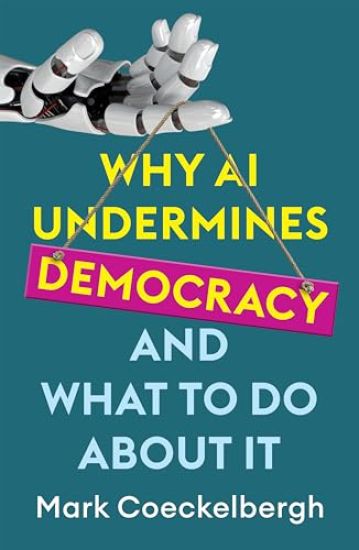
Tekoälyä käytetään manipulointiin ja poliittiseen sortoon kautta maailman. Usein kerrotaan myös tekoälyn voimistamasta polarisaatiosta ja tekoälyn käyttämisestä valvontaan.Vaarantavatko nämä kehitykset demokratian? Voimmeko vaikuttaa asiaan?Tämä kirja esittelee tekoälyn keskeiset uhkat demokratialle.Mark Coeckelbergh väittää, että nykyiseen muotoon kehitetty tekoäly ja nykyiset tavat käyttää sitä sekä auttavat totalitaarisia hallintoja että uhkaavat vapauteen ja tasa-arvoon perustuvia liberaalidemokratioita.Miten teemme demokratiasta resilientimmän suhteessa tekoälyyn? Ja ennen kaikkea, miten demokratia voi hyötyä tekoälystä?Mark Coeckelbergh on Wienin yliopiston professori ja tekoälyn etiikan asiantuntija
Why AI Undermines Democracy and What To Do About It

Why AI Undermines Democracy and What To Do About It

Mark Coeckelbergh

JOHN WILEY AND SONS LTD
2024
sidottu
Across the world, AI is used as a tool for political manipulation and totalitarian repression. Stories about AI are often stories of polarization, discrimination, surveillance, and oppression. Is democracy in danger? And can we do anything about it? In this compelling and balanced book, Mark Coeckelbergh reveals the key risks posed by AI for democracy. He argues that AI, as currently used and developed, undermines fundamental principles on which liberal democracies are founded, such as freedom and equality. How can we make democracy more resilient in the face of AI? And, more positively, what can AI do for democracy? Coeckelbergh advocates not only for more democratic technologies, but also for new political institutions and a renewal of education to ensure that AI promotes, rather than hinders, the common good for the twenty-first century. Why AI Undermines Democracy and What to Do About It is illuminating reading for anyone who is concerned about the fate of democracy.Now available as an audiobook
Why AI Undermines Democracy and What To Do About It

Why AI Undermines Democracy and What To Do About It

Mark Coeckelbergh

JOHN WILEY AND SONS LTD
2024
nidottu
Across the world, AI is used as a tool for political manipulation and totalitarian repression. Stories about AI are often stories of polarization, discrimination, surveillance, and oppression. Is democracy in danger? And can we do anything about it? In this compelling and balanced book, Mark Coeckelbergh reveals the key risks posed by AI for democracy. He argues that AI, as currently used and developed, undermines fundamental principles on which liberal democracies are founded, such as freedom and equality. How can we make democracy more resilient in the face of AI? And, more positively, what can AI do for democracy? Coeckelbergh advocates not only for more democratic technologies, but also for new political institutions and a renewal of education to ensure that AI promotes, rather than hinders, the common good for the twenty-first century. Why AI Undermines Democracy and What to Do About It is illuminating reading for anyone who is concerned about the fate of democracy.Now available as an audiobook
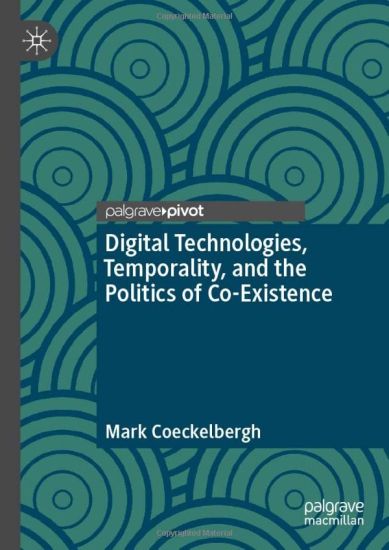
Digital Technologies, Temporality, and the Politics of Co-Existence

Digital Technologies, Temporality, and the Politics of Co-Existence

Mark Coeckelbergh

Springer International Publishing AG
2023
sidottu
Our digital existence is hurried and fast. We are tied to the present, or perhaps we are not present enough: immersed in digital social media and processes by artificial intelligence, we are hardly present to ourselves and to others, and feel alienated from nature. We are also made to fear climate change and the end of humanity. How can we live a good life and give meaning to our lives under these conditions? How can and should we co-exist today?Using process philosophy, narrative theory, and the concept of technoperformances, this book analyzes how digital technologies shape our relation to time and our existence, and discusses what this means in the light of climate change and new technologies such as AI. In dialogue with contemporary philosophy of technology and media theory and asking original questions about finding common times in what it calls the “Anthropochrone”, it proposes a conceptual framework that helps us to understand how we (should) exist and relate to time today.
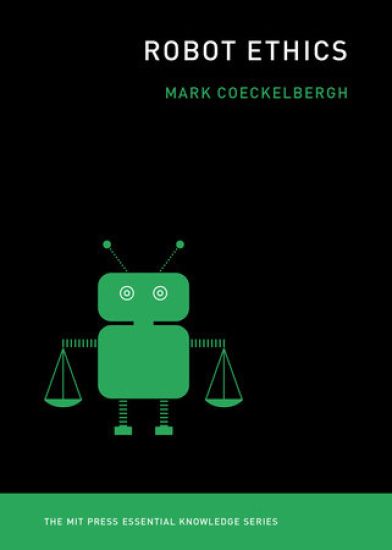
Robot Ethics

Robot Ethics

Mark Coeckelbergh

MIT PRESS LTD
2022
nidottu
A guide to the ethical questions that arise from our use of industrial robots, robot companions, self-driving cars, and other robotic devices.Does a robot have moral agency? Can it be held responsible for its actions? Do humans owe robots anything? Will robots take our jobs? These are some of the ethical and moral quandaries that we should address now, as robots and other intelligent devices become more widely used and more technically sophisticated. In this volume in the MIT Press Essential Knowledge series, philosopher Mark Coeckelbergh does just that. He considers a variety of robotics technologies and applications—from robotic companions to military drones—and identifies the ethical implications of their use. Questions of robot ethics, he argues, are not just about robots but, crucially and importantly, are about humans as well. Coeckelbergh examines industrial robots and their potential to take over tasks from humans; “social” robots and possible risks to privacy; and robots in health care and their effect on quality of care. He considers whether a machine can be moral, or have morality built in; how we ascribe moral status; and if machines should be allowed to make decisions about life and death. When we discuss robot ethics from a philosophical angle, Coeckelbergh argues, robots can function as mirrors for reflecting on the human. Robot ethics is more than applied ethics; it is a way of doing philosophy.
Self-Improvement

Self-Improvement

Mark Coeckelbergh

Columbia University Press
2022
sidottu
We are obsessed with self-improvement; it’s a billion-dollar industry. But apps, workshops, speakers, retreats, and life hacks have not made us happier. Obsessed with the endless task of perfecting ourselves, we have become restless, anxious, and desperate. We are improving ourselves to death. The culture of self-improvement stems from philosophical classics, perfectionist religions, and a ruthless strain of capitalism—but today, new technologies shape what it means to improve the self. The old humanist culture has given way to artificial intelligence, social media, and big data: powerful tools that do not only inform us but also measure, compare, and perhaps change us forever.This book shows how self-improvement culture became so toxic—and why we need both a new concept of the self and a mission of social change in order to escape it. Mark Coeckelbergh delves into the history of the ideas that shaped this culture, critically analyzes the role of technology, and explores surprising paths out of the self-improvement trap. Digital detox is no longer a viable option and advice based on ancient wisdom sounds like yet more self-help memes: The only way out is to transform our social and technological environment. Coeckelbergh advocates new “narrative technologies” that help us tell different and better stories about ourselves. However, he cautions, there is no shortcut that avoids the ancient philosophical quest to know yourself, or the obligation to cultivate the good life and the good society.
Self-Improvement

Self-Improvement

Mark Coeckelbergh

Columbia University Press
2022
pokkari
We are obsessed with self-improvement; it’s a billion-dollar industry. But apps, workshops, speakers, retreats, and life hacks have not made us happier. Obsessed with the endless task of perfecting ourselves, we have become restless, anxious, and desperate. We are improving ourselves to death. The culture of self-improvement stems from philosophical classics, perfectionist religions, and a ruthless strain of capitalism—but today, new technologies shape what it means to improve the self. The old humanist culture has given way to artificial intelligence, social media, and big data: powerful tools that do not only inform us but also measure, compare, and perhaps change us forever.This book shows how self-improvement culture became so toxic—and why we need both a new concept of the self and a mission of social change in order to escape it. Mark Coeckelbergh delves into the history of the ideas that shaped this culture, critically analyzes the role of technology, and explores surprising paths out of the self-improvement trap. Digital detox is no longer a viable option and advice based on ancient wisdom sounds like yet more self-help memes: The only way out is to transform our social and technological environment. Coeckelbergh advocates new “narrative technologies” that help us tell different and better stories about ourselves. However, he cautions, there is no shortcut that avoids the ancient philosophical quest to know yourself, or the obligation to cultivate the good life and the good society.
The Political Philosophy of AI

The Political Philosophy of AI

Mark Coeckelbergh

Polity Press
2022
nidottu
Political issues people care about such as racism, climate change, and democracy take on new urgency and meaning in the light of technological developments such as AI. How can we talk about the politics of AI while moving beyond mere warnings and easy accusations? This is the first accessible introduction to the political challenges related to AI. Using political philosophy as a unique lens through which to explore key debates in the area, the book shows how various political issues are already impacted by emerging AI technologies: from justice and discrimination to democracy and surveillance. Revealing the inherently political nature of technology, it offers a rich conceptual toolbox that can guide efforts to deal with the challenges raised by what turns out to be not only artificial intelligence but also artificial power. This timely and original book will appeal to students and scholars in philosophy of technology and political philosophy, as well as tech developers, innovation leaders, policy makers, and anyone interested in the impact of technology on society.?
The Political Philosophy of AI

The Political Philosophy of AI

Mark Coeckelbergh

Polity Press
2022
sidottu
Political issues people care about such as racism, climate change, and democracy take on new urgency and meaning in the light of technological developments such as AI. How can we talk about the politics of AI while moving beyond mere warnings and easy accusations? This is the first accessible introduction to the political challenges related to AI. Using political philosophy as a unique lens through which to explore key debates in the area, the book shows how various political issues are already impacted by emerging AI technologies: from justice and discrimination to democracy and surveillance. Revealing the inherently political nature of technology, it offers a rich conceptual toolbox that can guide efforts to deal with the challenges raised by what turns out to be not only artificial intelligence but also artificial power. This timely and original book will appeal to students and scholars in philosophy of technology and political philosophy, as well as tech developers, innovation leaders, policy makers, and anyone interested in the impact of technology on society.?
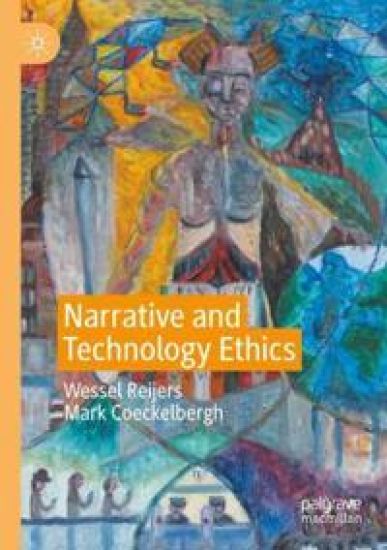
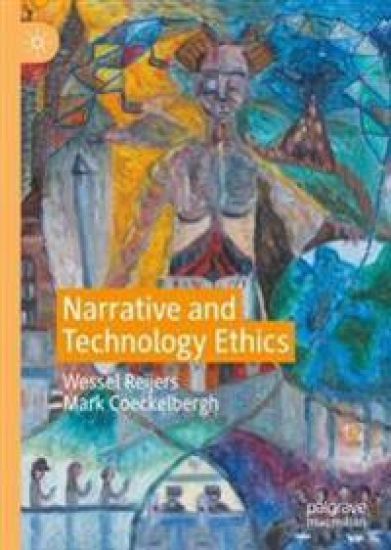
Narrative and Technology Ethics

Narrative and Technology Ethics

Wessel Reijers; Mark Coeckelbergh

Springer Nature Switzerland AG
2021
nidottu
This book proposes that technologies, similar to texts, novels and movies, ‘tell stories’ and thereby configure our lifeworld in the Digital Age. The impact of technologies on our lived experience is ever increasing: innovations in robotics challenge the nature of work, emerging biotechnologies impact our sense of self, and blockchain-based smart contracts profoundly transform interpersonal relations. In their exploration of the significance of these technologies, Reijers and Coeckelbergh build on the philosophical hermeneutics of Paul Ricouer to construct a new, narrative approach to the philosophy and ethics of technology. The authors take the reader on a journey: from a discussion of the philosophy of praxis, via a hermeneutic notion of technical practice that draws on MacIntyre, Heidegger and Ricoeur, through the virtue ethics of Vallor, and Ricoeur’s ethical aim, to the eventual construction of a practice method which can guide ethics in research and innovation. In itscreation of a compelling hermeneutic ethics of technology, the book offers a concrete framework for practitioners to incorporate ethics in everyday technical practice.
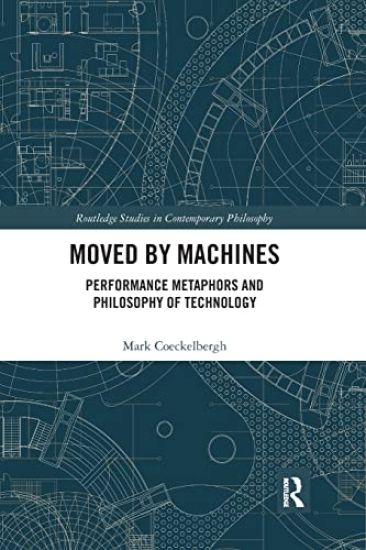
Moved by Machines

Moved by Machines

Mark Coeckelbergh

TAYLOR FRANCIS LTD
2021
nidottu
Given the rapid development of new technologies such as smart devices, robots, and artificial intelligence and their impact on the lives of people and on society, it is important and urgent to construct conceptual frameworks that help us to understand and evaluate them. Benefiting from tendencies towards a performative turn in the humanities and social sciences, drawing on thinking about the performing arts, and responding to gaps in contemporary artefact-oriented philosophy of technology, this book moves thinking about technology forward by using performance as a metaphor to understand and evaluate what we do with technology and what technology does with us.Focusing on the themes of knowledge/experience, agency, and power, and discussing some pertinent ethical issues such as deception, the narrative of the book moves through a number of performance practices: dance, theatre, music, stage magic, and (perhaps surprisingly) philosophy. These are used as sources for metaphors to think about technology—in particular contemporary devices and machines—and as interfaces to bring in various theories that are not usually employed in philosophy of technology. The result is a sequence of gestures and movements towards a performance-oriented conceptual framework for a thinking about technology which, liberated from the static, vision-centred, and dualistic metaphors offered by traditional philosophy, can do more justice to the phenomenology of our daily embodied, social, kinetic, temporal, and narrative performances with technology, our technoperformances.This book will appeal to scholars of philosophy of technology and performance studies who are interested in reconceptualizing the roles and impact of modern technology.
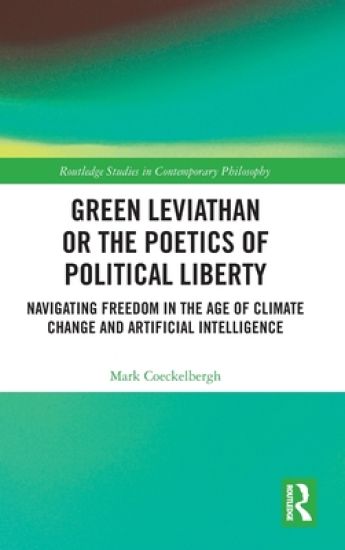
Green Leviathan or the Poetics of Political Liberty
This book discusses the problem of freedom and the limits of liberalism considering the challenges of governing climate change and artificial intelligence (AI). It mobilizes resources from political philosophy to make an original argument about the future of technology and the environment.Can artificial intelligence save the planet? And does that mean we will have to give up our political freedom? Stretching the meaning of freedom but steering away from authoritarian options, this book proposes that, next to using other principles such as justice and equality and taking collective action and cooperating at a global level, we adopt a positive and relational conception of freedom that creates better conditions for human and non-human flourishing. In contrast to easy libertarianism and arrogant techno-solutionism, this offers a less symptomatic treatment of the global crises we face and gives technologies such as AI a role in the gathering of a new, more inclusive political collective and the ongoing participative making of new common worlds.Written in a clear and accessible style, Green Leviathan or the Poetics of Political Liberty will appeal to researchers and students working in political philosophy, environmental philosophy, and the philosophy of technology.
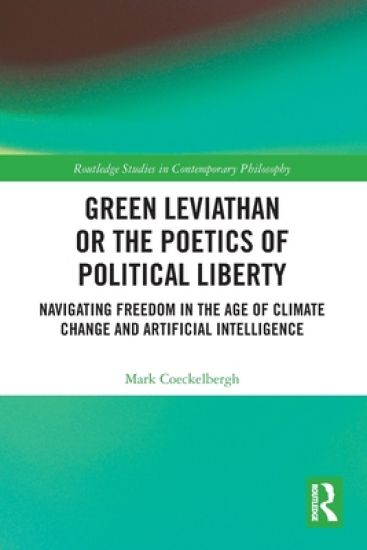
Green Leviathan or the Poetics of Political Liberty
This book discusses the problem of freedom and the limits of liberalism considering the challenges of governing climate change and artificial intelligence (AI). It mobilizes resources from political philosophy to make an original argument about the future of technology and the environment.Can artificial intelligence save the planet? And does that mean we will have to give up our political freedom? Stretching the meaning of freedom but steering away from authoritarian options, this book proposes that, next to using other principles such as justice and equality and taking collective action and cooperating at a global level, we adopt a positive and relational conception of freedom that creates better conditions for human and non-human flourishing. In contrast to easy libertarianism and arrogant techno-solutionism, this offers a less symptomatic treatment of the global crises we face and gives technologies such as AI a role in the gathering of a new, more inclusive political collective and the ongoing participative making of new common worlds.Written in a clear and accessible style, Green Leviathan or the Poetics of Political Liberty will appeal to researchers and students working in political philosophy, environmental philosophy, and the philosophy of technology.
Tekoälyn etiikka

Tekoälyn etiikka

Mark Coeckelbergh

Terra Cognita
2021
nidottu
Tekoälyn yleistyminen on yksilölliseen elämään, yhteiskuntaan ja talouteen vaikuttava teknologinen muutos. Tekoälyä on jo kaikkialla erilaisiin nukeista autoihin ulottuviin laitteisiin upotettuna.Tekoäly synnyttää monenlaisia eettisiä ongelmia, mutta sen vaikutuksia myös liioitellaan- Ne herättävät huolta esimerkiksi yksityisyydestä ja työn ja elämän tulevaisuudesta, usein pilosa ja käyttäjän tietämättä.Tekoälyn etiikka on ensimmäinen näihin ongelmiin keskittyneesti tarttuva teos.Mark Coeckelbergh Wienin yliopiston median ja teknologian filosofan professori
Narrative and Technology Ethics

Narrative and Technology Ethics

Wessel Reijers; Mark Coeckelbergh

Springer Nature Switzerland AG
2020
sidottu
This book proposes that technologies, similar to texts, novels and movies, ‘tell stories’ and thereby configure our lifeworld in the Digital Age. The impact of technologies on our lived experience is ever increasing: innovations in robotics challenge the nature of work, emerging biotechnologies impact our sense of self, and blockchain-based smart contracts profoundly transform interpersonal relations. In their exploration of the significance of these technologies, Reijers and Coeckelbergh build on the philosophical hermeneutics of Paul Ricouer to construct a new, narrative approach to the philosophy and ethics of technology. The authors take the reader on a journey: from a discussion of the philosophy of praxis, via a hermeneutic notion of technical practice that draws on MacIntyre, Heidegger and Ricoeur, through the virtue ethics of Vallor, and Ricoeur’s ethical aim, to the eventual construction of a practice method which can guide ethics in research and innovation. In itscreation of a compelling hermeneutic ethics of technology, the book offers a concrete framework for practitioners to incorporate ethics in everyday technical practice.