

Kirjailija
Martin Buber
Kirjat ja teokset yhdessä paikassa: 104 kirjaa, julkaisuja vuosilta 1948-2025, suosituimpien joukossa I and Thou. Vertaile teosten hintoja ja tarkista saatavuus suomalaisista kirjakaupoista.
104 kirjaa
Kirjojen julkaisuhaarukka 1948-2025.

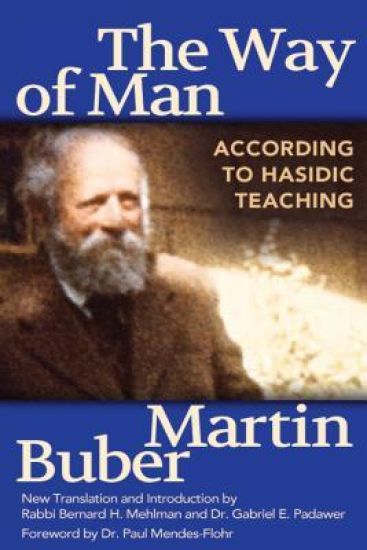
This short and remarkable book presents the essential teachings of Hasidism, the mystical Jewish movement which swept through Eastern Europe in the eighteenth and nineteenth centuries, and their relevance to our lives. Told through legendary tales of the Hasidic masters, together with Buber s own unique insights, The Way of Man offers us a way of understanding ourselves and our place in a spiritual world."
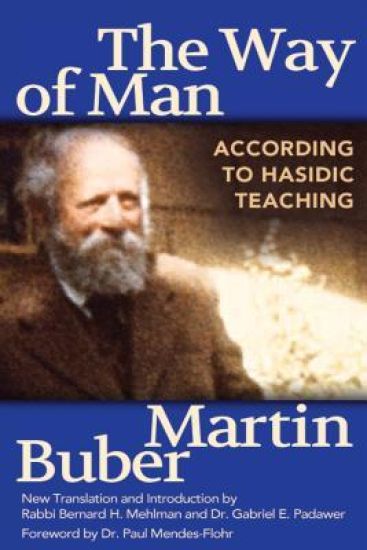
This short and remarkable book presents the essential teachings of Hasidism, the mystical Jewish movement which swept through Eastern Europe in the eighteenth and nineteenth centuries, and their relevance to our lives. Told through legendary tales of the Hasidic masters, together with Buber's own unique insights, The Way of Man offers us a way of understanding ourselves and our place in a spiritual world.

Legenden, Wundergeschichten und Alltagserzählungen berichten von weisem Rat und göttlicher Eingebung, von Lebenserfahrungen und Lebensfreude. Der große Religionsphilosoph Martin Buber (1878-1965) hat die Geschichten der Chassidim, die im osteuropäischen Judentum des 18. Jahrhunderts entstanden und teils nur mündlich überliefert wurden, gesammelt, aufgeschrieben und so vor dem Vergessen bewahrt.
""Moses: The Revelation and the Covenant"" is a book written by Martin Buber that explores the life and teachings of the biblical figure, Moses. The book is divided into two parts: the first part focuses on Moses' encounter with God and the revelation of the Ten Commandments, while the second part delves into the covenant between God and the Israelites. Buber examines the significance of Moses' role as a mediator between God and his people, and how his teachings have influenced Jewish thought and culture. The book also explores the themes of faith, redemption, and the relationship between God and humanity. Overall, ""Moses: The Revelation and the Covenant"" is a thought-provoking and insightful analysis of one of the most important figures in religious history.This scarce antiquarian book is a facsimile reprint of the old original and may contain some imperfections such as library marks and notations. Because we believe this work is culturally important, we have made it available as part of our commitment for protecting, preserving, and promoting the world's literature in affordable, high quality, modern editions, that are true to their original work.







Die in Band 3 der Martin Buber Werkausgabe zusammengestellten Schriften vom Beginn des 20. Jahrhunderts bis zum Ende des Ersten Weltkrieges geben Auskunft über die Stationen Bubers hin zu seinem späteren Zionismusverständnis: Jüdische Renaissance, die Kulturfrage im Zionismus, der Begriff der Jüdischen Nation, das Erlebnis des Ersten Weltkrieges und schließlich die Annäherung an das Land Palästina. Buber begegnet uns hier als der Wortführer des Kulturzionismus im deutschen Judentum. In diesen Rahmen gehören sowohl die berühmten Prager ?Drei Reden über das Judentum? wie auch die Kontroverse mit dem Philosophen Hermann Cohen über das Wesen des Zionismus.

I denne klassikeren fra 1923 forankrer Buber utspørringen av den moderne tids dilemmaer i en fritenkende fortolkning av den jødiske tradisjon. Et referanse-verk og meditasjons-objekt. Oversatt av Hedvig Wergeland. I denne klassikeren fra 1923 forankrer Buber utspørringen av den moderne tids dilemmaer i en fritenkende fortolkning av den jødiske tradisjon. Et referanse-verk og meditasjons-objekt. Oversatt av Hedvig Wergeland. Nr. 10 i Cappelens upopulære skrifter.

Der Weg des Menschen nach der chassidischen Lehre
Martin Buber
Guetersloher Verlagshaus
2006
sidottu
"Wer den Weg zum Werk Bubers sucht, wird in diesem schmalen Band eine unvergleichliche Wegbereitung finden. (Otto Heuschle, Kultur und Leben)

In Bubers Grundtexten zum dialogischen Denken geht es um die Begegnung, den Dialog zwischen dem Ich und dem anderen, zwischen dem Menschen und dem "ewigen Du", Gott.

Band 8 der Martin Buber Werkausgabe versammelt Bubers Schriften zu Jugend, Erziehung und Bildung aus der Zeit zwischen 1917-1965. Sie zeigen die Grundlinien seines pädagogischen Denkens und erklären seine starke Wirkung auf das pädagogische Umfeld im Deutschland der Zwischenkriegszeit wie auch in der Zeit nach dem Zweiten Weltkrieg. Diese Darstellung von Bubers pädagogischem Denken und seiner Entstehungsbedingungen verdeutlicht - neben seinen zionistischen Wurzeln und seiner Prägung durch den religiösen Sozialismus - Bubers hohe Affinität zur Reformpädagogik, die sein pädagogisches Denken und Handeln beeinflusste. Es sind der Gemeinschaftsgedanke und das dialogische Prinzip, beide verstanden als in der jüdischen Religion wurzelnd, die Bubers Beitrag zur Erziehungsphilosophie des 20. Jahrhunderts ausmachen.

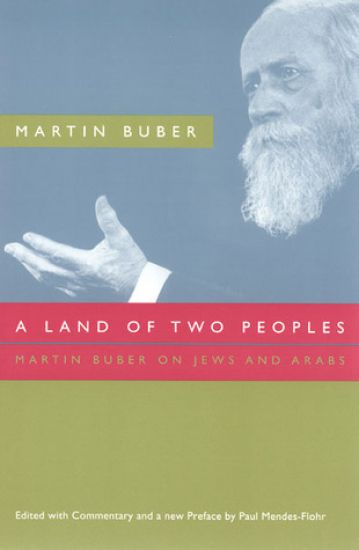
Theologian, philosopher, and political radical, Martin Buber (1878-1965) was actively committed to a fundamental economic and political reconstruction of society as well as the pursuit of international peace. In his voluminous writings on Arab-Jewish relations in Palestine, Buber united his religious and philosophical teachings with his politics, which he felt were essential to a life of public dialogue and service to God. Collected in A Land of Two Peoples are the private and open letters, addresses, and essays in which Buber advocated binationalism as a solution to the conflict in the Middle East. A committed Zionist, Buber steadfastly articulated the moral necessity for reconciliation and accommodation between the Arabs and Jews. From the Balfour Declaration of November 1917 to his death in 1965, he campaigned passionately for a "one state solution." With the Middle East embroiled in religious and ethnic chaos, A Land of Two Peoples remains as relevant today as it was when it was first published more than twenty years ago. This timely reprint, which includes a new preface by Paul Mendes-Flohr, offers context and depth to current affairs and will be welcomed by those interested in Middle Eastern studies and political theory.