Kirjailija
Michael Claringbould
Kirjat ja teokset yhdessä paikassa: 35 kirjaa, julkaisuja vuosilta 2017-2025, suosituimpien joukossa Solomons Air War Volume 4. Vertaile teosten hintoja ja tarkista saatavuus suomalaisista kirjakaupoista.
35 kirjaa
Kirjojen julkaisuhaarukka 2017-2025.
This fourth volume of Solomons Air War chronicles aerial warfare throughout the Solomons theatre during the months of January and February 1943. It can be read alone or as part of the ongoing Solomons Air War series. This crucial period saw the Japanese swallow a bitter pill and launch Operation Ke, which was the evacuation of Guadalcanal. It was a complex operation conceived under utmost secrecy, which then unfolded over several weeks. Included was a widespread air offensive that saw the Japanese Army Air Force in the Solomons for the first time. Ironically, this operation was arguably the most successful yet for the Japanese in the theatre. Against this background the intense air campaign continued. Enjoying a secure foothold on Guadalcanal and ever-growing facilities, Cactus Air Force expanded and pushed operations northwards into the Solomons chain where the Japanese were operating from Munda and building a new airfield at Vila. Temporary reinforcements were provided by carrier squadrons from both sides operating from land bases, including for the first time air units from USN escort carriers. Among new types to debut in this period were USMC F4U Corsair fighters and USN PB4Y-1 Liberators. However, despite the emerging American ascendency, the Japanese were still capable of striking killer blows. The cruiser USS Chicago was sunk in a skilful night torpedo attack by antiquated Nell bombers, and over southern Bougainville the Americans suffered landmark heavy losses on the 14 February 1943 “Saint Valentine’s Day Massacre”. This chronicle has been written using primary Allied and Japanese records, to give a fresh, factual and highly detailed account of all aspects of the intricate Solomons air campaign.
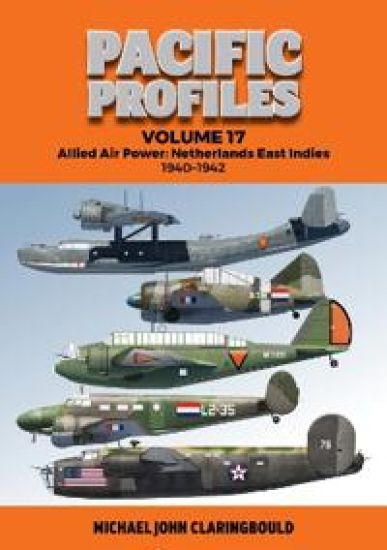
The Pacific Profiles series presents the most accurate WWII profiles of aircraft which served in the Pacific War. This Volume 17 covers Allied types that fought in the brief but intense Netherlands East Indies (NEI) campaign from December 1941 to March 1942. Because of some additional background on Dutch types, the full scope of this volume is from 1940 to 1942. The Netherlands East Indies saw a diverse and eclectic gathering of Allied aircraft. Many of them were Dutch, serving with the Royal Netherlands East Indies Army Air Force (ML-KNIL) and Netherlands Naval Aviation Service (MLD). These included Glenn Martin Model 139 bombers and Hawk 75, CW-21 and Brewster Buffalo fighters, together with Fokker and Dornier seaplanes. Several squadrons of RAF and RAAF fighters and bombers withdrew from Singapore to continue fighting from Sumatra and then Java. These were augmented by direct reinforcements flown into those locations. These aircraft mainly comprised Hudsons, Blenheims and Hurricanes but there were also more obscure types such as Albacores and Vildebeest. In addition, American B-17C/D heavy bombers and PBY flying boats retreated from the Philippines to the NEI. These were reinforced by modern B-17E, LB-30 and PBY aircraft from the US ferried via lengthy African and Pacific air routes. Lastly, small numbers of A-24 dive-bombers and P-40E fighters flown from Australia also joined the fight on Java. The author is world-renowned for his Pacific air war expertise. Never before have so many diverse types been illustrated with such accuracy and detail, alongside brief histories of their usage.
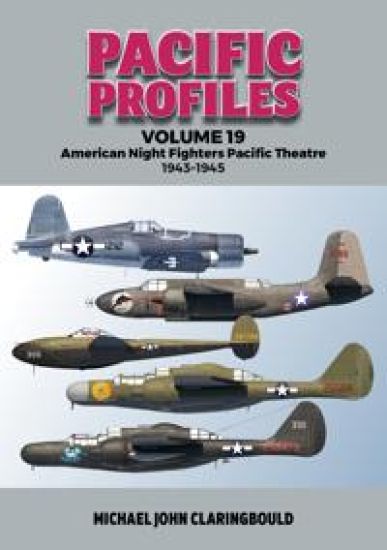
The Pacific Profiles series presents the most accurate WWII profiles of aircraft which served in the Pacific War. This Volume 19 covers American night fighters that served throughout the Solomons, New Guinea, the Philippines and the wider Pacific from 1943 until the end of the war. The Pacific night fighter story is a fascinating one for aviation enthusiasts, partly because of the obscure and sometimes secretive nature of these operations. Furthermore, it encompasses USAAF, USN and USMAC units. The technologically advanced P-61 Black Widow eventually served with eight USAAF night fighter squadrons, but by the time it arrived in frontline service the Japanese aerial threat was much diminished. Instead, these squadrons took on a myriad of other tasks, including nocturnal night intruder missions. Prior to the arrival of P-61s in late 1943, the early USAAF night fighter units pioneered use of the makeshift Douglas P-70 as well as radar-equipped P-38s. An important contribution to Solomons night operations was made by a USMC unit operating the PV-1 Ventura during 1943-44. Meanwhile two USN night fighter squadrons operated the rare radar-equipped F4U-2 Corsair, of which only three dozen were built. The author is world-renowned for his Pacific air war expertise. Never before have so many diverse types been illustrated with such accuracy and detail, alongside brief histories of their usage and the units which operated them.
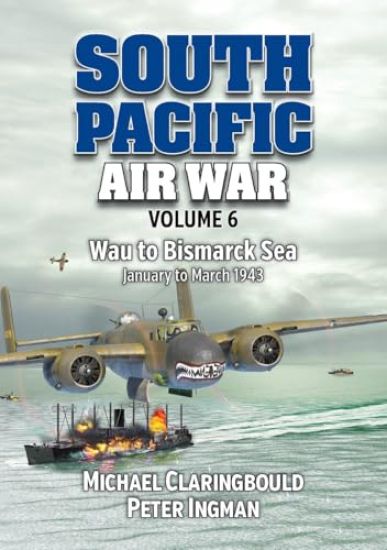
Volume Six of this series chronicles aerial warfare in the New Guinea theatre in the critical period of January to March 1943. It can be read alone or as a continuation of the previous five volumes which span the first thirteen months of the Pacific War. January 1943 saw a successful Japanese supply and reinforcement convoy arrive at Lae from Rabaul, in the face of fierce opposition from Allied air power. The fresh troops soon threatened to overrun the Australian mountain stronghold of Wau, before a massive airlift by Fifth Air Force C47s delivered reinforcements just in time. Meanwhile the air war over New Guinea was increasingly fought by newly arrived JAAF units who shared the air war burden alongside their veteran IJN counterparts. Against this background many of the Fifth Air Force bomber squadrons moved up from Australia to Port Moresby. This greatly increased the combat efficiency of these units, enabling, among other things, sustained daily pressure on the Japanese bastion of Rabaul. Then in March 1943 the Japanese sent a second convoy from Rabaul to Lae which resulted in the Battle of the Bismarck Sea, one of the landmark combats of the entire Pacific War. Using refined attack and bombing tactics, Fifth Air Force and RAAF squadrons conducted an allout shipdestroying effort which made world headlines. Never before has this campaign been chronicled in such detail, with Allied and Japanese accounts matched for a factual and thoroughly detailed account of the conflict.
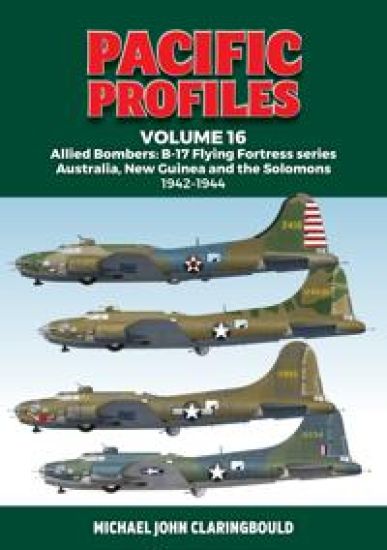
The Pacific Profiles series presents the most accurate WWII profiles of Allied and Japanese aircraft which served throughout Australia; the South Pacific and New Guinea theatres. This Volume 16 covers the B-17E and F series which served in these theatres from their first appearance in Australia in the early weeks of the Pacific War until the final commander’s Fortress was scrapped in late 1944. The Fortress served with a total of one provisional and eighteen USAAF bombardment squadrons whilst many; after being stripped down and modified; went on to serve as transports and commander’s aircraft. Most profiles are presented for the first time; alongside markings derivations; including unit heraldry; artwork and serial numbers. This volume corrects past errors and bridges a vast gap in Fortress markings throughout the Pacific including Thirteenth Air Force transports and an early squadron which served with the USN. Each profile is supported by photos and/or documentation; along with the brief history of each bomber. Wide-ranging reference material sources assignment data; wreck reports; squadron records; colour photography; maintenance logs; diaries; air base movement logs and markings specifications. The profiles are accompanied by brief unit histories and associated markings explanations. The author is world-renown for his expertise on the Pacific air war. Never before has the Pacific Fortress been illustrated with such breadth; accuracy and detail.
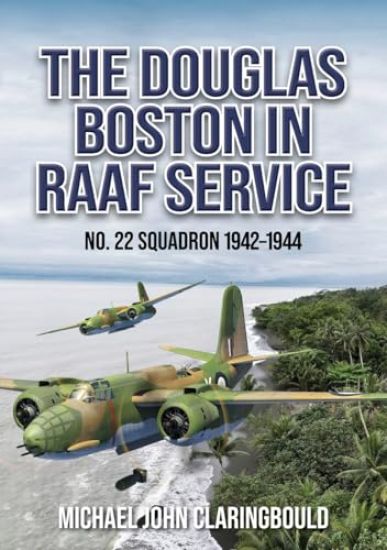
This volume presents the most detailed history and accurate profiles to date of the Douglas Boston light bomber (DB-7B and A-20 models) in RAAF Pacific service. Unusually just one unit, No. 22 Squadron, operated the type. From late 1942 until mid-1943 it flew daring low-level attack missions in New Guinea, before advancing to the Netherlands East Indies in 1944. This volume illustrates and explains the development of the type in RAAF service, and for the first time closely aligns its Japanese belligerents, in the air and on the ground and sea. It also explains combat and other losses contrasted against the unique operational environment. A wide range of primary source material has been drawn upon including official records, diaries, rare photos, captured documents and operational logs of relevant Japanese units. The author is world-renown for his expertise on the aerial war in the Pacific, while his passion for the Douglas light bomber stems from assisting with the 1984 salvage of an RAAF Boston from New Guinea.
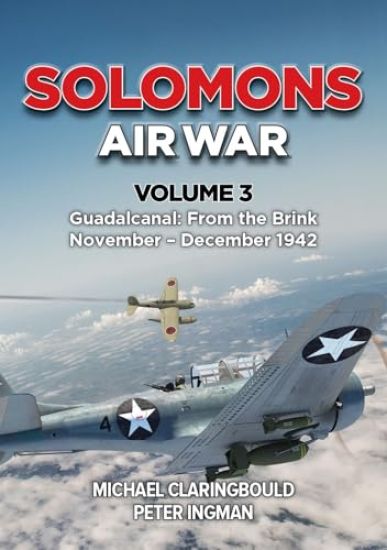
This third volume of Solomons Air War chronicles aerial warfare in the Solomon Islands theatre during the months of November and December 1942. It can be read alone or as part of the ongoing Solomons Air War series. At the start of November 1942, the American position on Guadalcanal was precarious. Cactus Air Force had suffered extremely high attrition in October and virtually all of the available reserves had been drawn on, while the damaged USS Enterprise was the only carrier that could lend assistance. Against this environment the Japanese continued to wage a savage air war and determined to try to wipe out Cactus Air Force through battleship bombardments, while they rolled the dice with the largest yet Tokyo Express convoy. Hence the Americans were pushed to the brink as the frenzied activity known as the Naval Battle of Guadalcanal played out over 12-15 November. Following this the Japanese were forced to admit that they couldn’t supply their troops on Guadalcanal and began to focus on building a new airfield at Munda. In response American bombers returned to Henderson Field and took the fight north to Munda and beyond for the remainder of 1942. This period saw new tactics being trialled, including the use of P-38s as long-range escort fighters and the first PBY-5A Black Cat missions. Meanwhile Cactus Air Force expanded, gaining P-40s, B-26s, OS2U Kingfishers and RNZAF Hudsons. This chronicle has been written using primary Allied and Japanese sources, to give a fresh, factual and highly detailed account of all aspects of the complex Solomons air campaign.
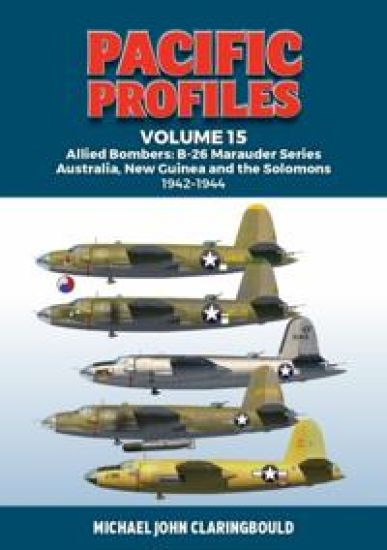
The Pacific Profiles series presents the most accurate WWII profiles of Allied and Japanese aircraft which served throughout the Australia;New Guinea and Solomons theatres. This Volume 15 covers the B-26 and US Navy JM Marauder series which served in these theatres from their first delivery to Australia in April 1942 until the war’s end. Marauders served with a total of six USAAF bomber squadrons;including the reformed 19th BS Silver Fleet;whilst US Navy JM-1 and JM-2 variants were operated by utility squadrons from March 1944 onwards. Most profiles are presented for the first time;alongside markings derivations;including unit heraldry and codes. This volume bridges vast gaps in accurate Marauder markings profiles in these theatres;especially those which served with the Thirteenth Air Force and USN. Each profile is supported by photos and/or documentation;along with a brief history of each aircraft. Wide-ranging primary reference material is cited including assignment data;wreck reports;squadron records;colour photography;maintenance logs;diaries and factory markings specifications. A brief summary history of each unit and associated markings rationale accompanies the text. The author is world renowned for his expertise on the Pacific air war. Never before has the Pacific Marauder been illustrated with such breadth;accuracy and detail.
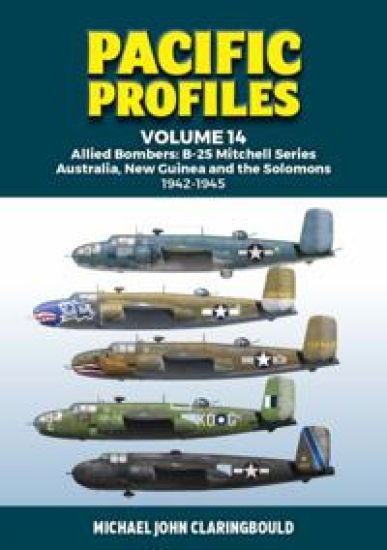
The Pacific Profiles series presents the most accurate WWII profiles of Allied and Japanese aircraft which served throughout Australia;New Guinea the South Pacific. This Volume 14 covers those B-25;PBJ & F-10 Mitchell models which served in these theatres from March 1942 until the end of the war. Mitchells served a total of 21 USAAF bomber and reconnaissance squadrons;plus others were operated by the USMC;RAAF and NEIAF. Most profiles are presented for the first time;alongside markings derivations;including squadron heraldry and codes. Until now there has been a paucity of markings material about many of these units. Each profile is supported by photos and/or documentation;along with a brief history of each aircraft. Wide-ranging primary reference material is cited including assignment data;wreck reports;squadron records;colour photography;maintenance logs;diaries and factory markings specifications. A brief summary history of each unit and associated markings rationale accompanies the text. The author is world-renowned for his expertise on the Pacific air war. Never before have Pacific Mitchells and their colourful markings been illustrated with such breadth;accuracy and detail.
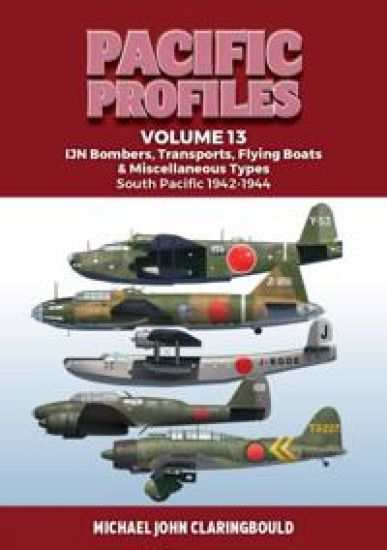
Pacific Profiles Volume 13 presents the most accurate wartime profiles and histories to date of Imperial Japanese Navy bombers;transports;flying boats and miscellaneous types which served in the South Pacific. This volume depicts the markings of two dozen mainstream and rare air groups (kokutai);many of which have never been illustrated before. Aircraft types include Betty and Nell bombers (and transports);Val and Judy dive-bombers;Emily and Mavis flying boats;Irving night fighters;Claude fighters;and Babs reconnaissance aircraft. Note this volume excludes floatplanes and Zeros;which are covered separately in Volumes Five and Eight of this series. Past markings errors are corrected;and many profiles are presented for the first time;alongside explanations of markings derivations;including the provenance of unit codes. Until now there has been a paucity of markings material about these units;especially the more esoteric ones such Nos. 31;151;501 and 552 Ku;and the night fighters of No. 251 Ku. Profiles are supported by photos and/or documentation;along with brief histories of each aircraft where known. Primary reference material is exclusively cited including assignment data;unit operational records;photography;diaries;factory markings;Allied intelligence wreck reports;POW interrogation reports;and Combined Fleet markings orders. A brief history of each unit and its leadership structure accompanies the text. The author is world-renown for his expertise on the Pacific air war. Never before have IJN land-based units been illustrated with such breadth;accuracy and detail.
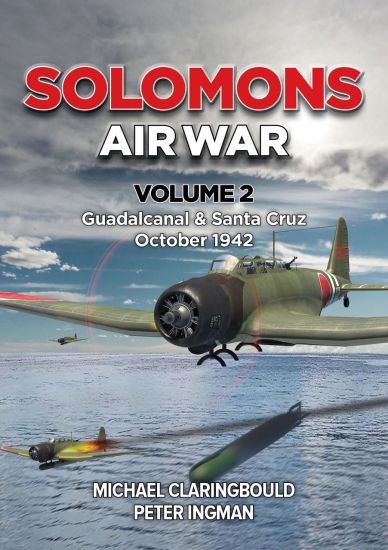
This second volume of Solomons Air War chronicles aerial warfare in the Solomon Islands theatre during the critical month of October 1942. It can be read alone or as part of the ongoing Solomons Air War series. October 1942 saw an explosion of air activity in the Solomons. During the first three weeks of the month busy Tokyo Express runs landed thousands of IJA troops on Guadalcanal in advance of a new offensive to be launched against the Marine garrison. This was presaged by a battleship bombardment of Henderson Field and daily air raids against the same target. Against this background Cactus Air Force was fighting for its life, and very nearly reached the level of exhaustion. Somehow just enough replacement F4Fs and SBDs were scraped together from the New Hebrides to keep it in business. Important support was provided by COMAIRSOPAC B-17s and PBYs operating from Espiritu Santo. In the middle of the month an enormously powerful IJN force arrived in the theatre, based around five aircraft carriers. This force threatened to overwhelm the USN which at the time had only one carrier in the South Pacific, the USS Hornet. However, the timely arrival of the USS Enterprise evened the ledger and the fourth carrier battle of the Pacific War, the Battle of the Santa Cruz Islands, was fought over 25-27 October. This chronicle has been written using both Allied and Japanese sources, to give a fresh, factual and highly detailed account of all aspects of the Solomons air campaign.
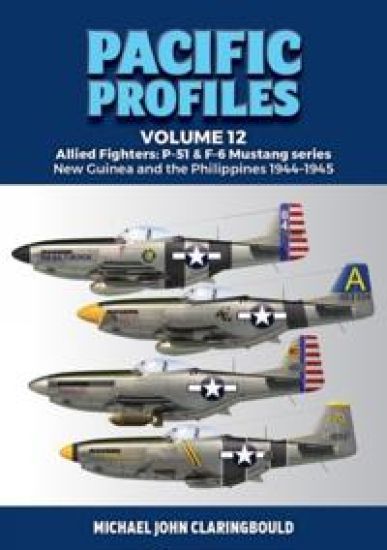
The Pacific Profiles series presents the most accurate WWII profiles of Allied and Japanese aircraft which served throughout the South and Southwest Pacific theatres. This Volume 12 covers the P-51 and F-6 Mustang series which served in New Guinea, the Philippines and then the Japanese islands, serving with a total of ten USAAF Fifth Air Force fighter and reconnaissance squadrons, and also with New Guinea’s Combat Replacement Training Centre. The book includes a final chapter of post-war transition markings for the three years until 1948. Most profiles are presented for the first time, alongside markings derivations, including squadron heraldry and codes. Until now there has been a paucity of markings material about Fifth Air Force Mustang units, especially the tactical reconnaissance and air commando squadrons. Each profile is supported by photos and/or documentation, along with a brief history of each aircraft. Wide-ranging primary reference material is cited including assignment data, squadron records, colour photography, maintenance logs, diaries and factory specifications. A brief history of each unit and the rationale of its associated markings accompanies the text. The author is world-renowned for his expertise on the Pacific air war. Never before has the USAAF Fifth Air Force Mustang and its colourful markings been illustrated with such breadth, accuracy and detail.
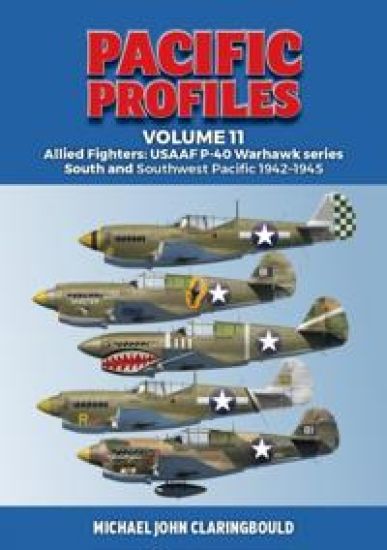
The ongoing Pacific Profiles series presents the most accurate WWII profiles of aircraft which served throughout Australia, New Guinea and the South Pacific. This Volume 11 covers the P-40 Warhawk series, which served with a dozen USAAF Fifth and Thirteenth Air Force fighter and reconnaissance squadrons, service units, combat replacement pools and other miscellaneous units. Most profiles are presented for the first time, alongside markings derivations, including squadron heraldry and codes. Frequent airframe reassignments between units resulted in wide-ranging and oft-changing unit markings and nose art. Until now there has been a paucity of material about several units, particularly those in the Thirteenth Air Force. This volume also rectifies past mistakes which continue to be perpetrated, especially those representing the early Australian theatre. Wide ranging primary reference material is cited including official Australian assignment data, squadron records, colour slides and movies, maintenance logs, diaries, wreck site inspections and factory specifications. A brief history of each unit and the rationale of its unit markings accompanies the text. The author is world-renowned for his expertise on the Pacific air war. Never before have USAAF Pacific P-40s and their colourful artwork been illustrated with such accuracy and detail.
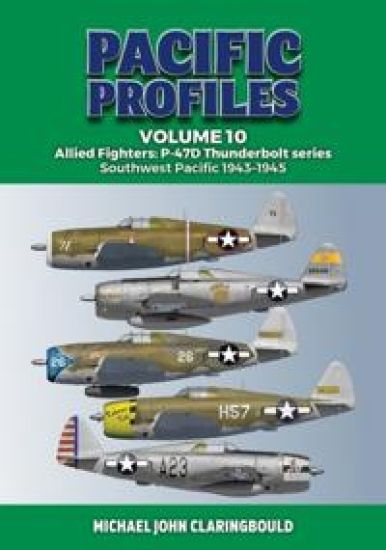
The ongoing Pacific Profiles series presents the most accurate WWII profiles of aircraft which served throughout the South Pacific. Volume 10 covers the P-47D Thunderbolt which flew combat missions in the New Guinea theatre until mid-1945, serving with a total of eleven Fifth Air Force USAAF combat squadrons, Fifth Fighter Command and the Combat Replacement Training Center. Most profiles are presented for the first time, alongside an explanation of markings, including squadron heraldry and identifiers. Frequent airframe reassignments between units resulted in wide-ranging unit markings and nose art. Until now there has been a paucity of material about several units, especially those which entered the theatre after the infamous 348th Fighter Group. This volume also rectifies past misidentifications resulting from the widespread practice of swapping attractively decorated cowls, often commissioned for generous reward. Each profile is supported by photos and/or documentation, along with a brief aircraft history. Wide- ranging primary reference material is cited including official squadron records, colour movies, maintenance logs, diaries, wreck site inspections and multifarious reference photos including colour slides. A brief summary history of each unit and the rationale of its markings completes the text. The author is world-renown for his expertise on the Pacific air war. Never before have Pacific P-47s been illustrated with such colourful accuracy and detail.
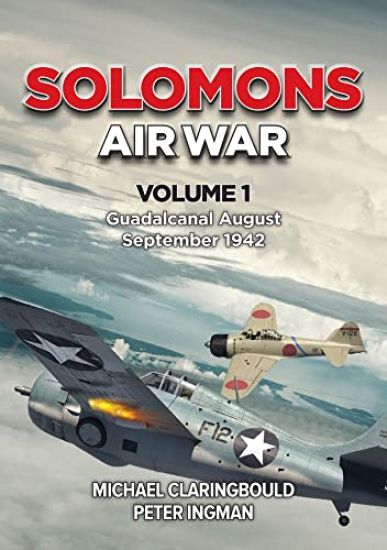
This first volume of Solomons Air War chronicles aerial warfare in the opening phase of the war in the Solomons Islands theatre, being the critical period of August-September 1942. After occupying the Solomon Islands capital of Tulagi with ease in May 1942, the Imperial Japanese Navy commenced building an airfield on the adjacent island of Guadalcanal. The indispensable airfield was over 600 miles distant from their main base of Rabaul and promised to extend the reach of their aircraft into the Allied occupied island chains of Fiji, the New Hebrides and New Caledonia. Much was at stake and the airfield would be held at all costs. Then, in early August 1942 a bold American invasion of both Tulagi and Guadalcanal caught the IJN completely off guard. Nevertheless, Japanese air power responded swiftly and in some cases desperately. So began the knife-edge struggle for Guadalcanal. An ever-increasing variety and number of IJN units was poured into the struggle, met initially with USN carrier-based Wildcats backed up by SBD Dauntless dive-bombers and the new TBF torpedo bomber. These were soon joined by USAAF fighters operating from the newly operational Henderson Field. From late August, Japanese carriers entered the fight, adding more complexity to the intense and frenzied air battles. For the first time belligerents are closely matched and the rationale of the IJN’s sometimes erratic response is explained. The full extent of both Japanese and US involvement is outlined to a level of detail never before presented.
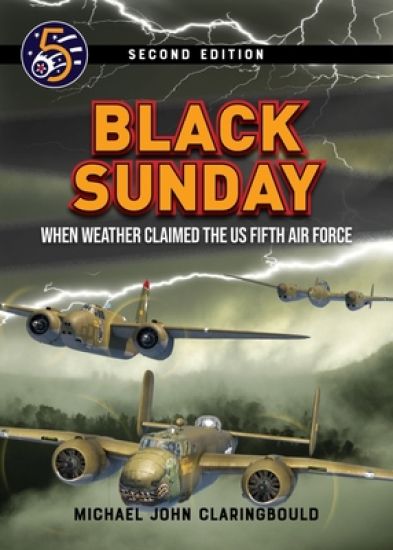
Any USAAF pilot who flew the mission to Hollandia on the fateful afternoon of 16 April 1944 in New Guinea would remember it for the rest of their lives. So would anyone else in the theatre, for the weather-related losses that fateful day earned it the eternal epithet “Black Sunday”. The way home for more than three hundred bombers and fighters was blocked by a towering weather front whose thunderstorms rose well above any altitude they could reach. Over enemy territory and caught between mountains and the sea, there was no option but to confront nature. By dusk that evening 37 aircraft were missing or had been destroyed. A handful of survivors somehow made it back to valley and coastal bases in a series of arduous misadventures. It was, and remains, the biggest non-combat loss of any air force of any nation in the world. More than seven decades later, aircraft from the day are still missing somewhere in the New Guinea jungle. This major revision to the original version includes dozens of rare photos, complemented by a suite of maps, indexes, and colour profiles of participant aircraft. Japanese diaries reveal the fate of unlucky P-38 pilots forced to bail out. The text liberally cites veteran interviews, post-war wreck surveys and official USAAF records. The narrative tracks down the fate of every aircraft and every crew member, including those who rescued them. Put yourself in the cockpit against nature’s massive odds over hostile terrain and watch a composite picture evolve. The accelerating narrative from dozens of different perspectives is both fascinating and overwhelming.
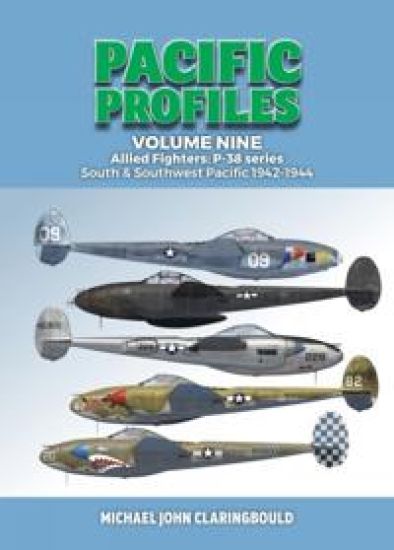
The Pacific Profiles series presents the most accurate WWII profiles of aircraft which served throughout the South Pacific. Volume Nine covers the P-38 and variants including the photo-reconnaissance F-4 and F-5, along with field-modified P-38G night-fighters. The P-38 flew combat in the SWPA and SOPAC theatres until mid-1944, serving a total of nineteen Fifth and Thirteenth Air Force USAAF combat Squadrons, one service squadron, Fifth Fighter Command, and finally with the Combat Replacement Training Center at Nadzab. Most profiles are presented for the first time, alongside an explanation of markings, including squadron heraldry and squadron codes. Until now there has been a paucity of accurate information about some markings, especially those which attend the Thirteenth Air Force, night-fighter and photo-reconnaissance units. Each profile has been produced by citing wide-ranging reference material, including official squadron records, colour movies, maintenance logs, diaries, wreck site inspections and thousands of photos including colour slides. A brief summary history of each unit and the rationale of its markings completes the text. The author, Michael Claringbould, is world-renown for his expertise on the Pacific air war. Never before have Pacific P-38s and their colourful derivatives been illustrated with such accuracy and detail.
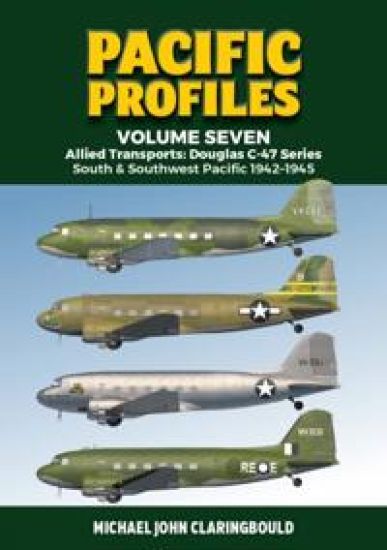
The Pacific Profiles series presents the most accurate WWII profiles of aircraft which served in the South Pacific theatre. Volume Seven covers the Douglas C-47, including numerous derivatives such as the C-53, R4D and DC-3. This was the most universal aircraft type to appear in the South Pacific and was deployed from day one to the cessation of hostilities. It was utilised by every military organisation including eighteen Fifth and Thirteenth Air Force USAAF squadrons, and also by the USN, USMC, RAAF, RNZAF, RAF and Dutch Air Force. Most profiles are presented for the first time, alongside a full explanation of the markings. Frequent trading of airframes between units resulted in wide-ranging heraldry, unit markings and nose art. In particular until now there has been a paucity of information about the markings of Thirteenth Air Force C-47s and USMC R4Ds, a gap largely filled by this volume. This volume illustrates the development of unit markings from the first commandeered DC-3 airliners in Australia through to the RNZAF C-47s used in the last days of the Pacific War in the Solomons. The profiles are accompanied by unit histories and photos. A wide range of reference material has been consulted including photos, colour movies, official records, diaries and information from wreck sites. The author, Michael Claringbould, is world-renown for his expertise on the Pacific air war. Never before have such meticulous colour profiles of the C-47 series been illustrated with such detailed and accurate markings.
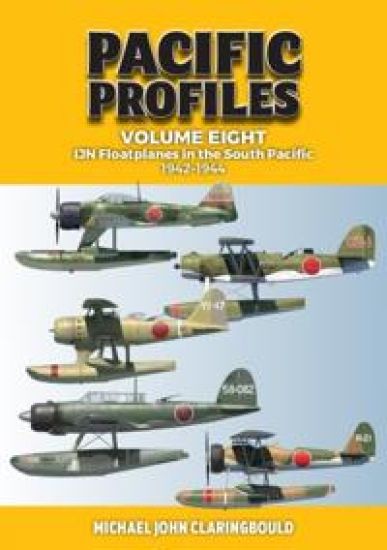
Volume Eight of the Pacific Profiles series presents the most accurate profiles and histories to date of Imperial Japanese Navy floatplanes which served in the South Pacific theatre, throughout New Guinea and the Solomons. The markings of the six floatplane types deployed in the theatre are covered: the A6M2-N Rufe, E8N2 Dave, E13A1 Jake, F1M2 Pete, E9W Slim and E7K Alf. Floatplane operations commenced in January 1942 with the invasion of Rabaul. Later Rufes were often misidentified as Zeros with their presence in the Solomons seemingly ubiquitous. Petes often fought Allied fighters, with other types focused on reconnaissance and occasional bombing missions, sometimes at night. Most floatplane activity had ceased by late 1943, leaving a handful of stay-behinds operating from Rabaul and Kavieng. Illustrated, unit by unit, are examples of the varied types of markings, camouflage and tail code systems which appeared on floatplanes assigned to sea tenders, shore, ship and submarine-based units. Each of the 76 profiles cites draws on evidence from colour photos, Combined Fleet orders, POW interrogations, technical reports and post-war wreck surveys. Brief histories of every unit includes their role in the theatre and defines the ever-changing markings systems as ordained by Tokyo. Numerous maps and diagrams help the reader understand command structures such as the R-Area Air Force and the 11th Seaplane Tender Division. Never before have such accurate profiles been presented, most for the first time. The author is world-renown for his expertise in Japanese aerial warfare in the Pacific.
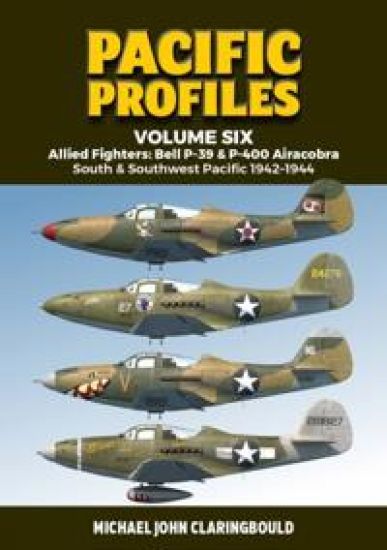
The Pacific Profiles series presents the most accurate WWII profiles of aircraft which served in the South Pacific theatre. Volume Six covers a dozen USAAF Fifth and Thirteenth Air Force squadrons which operated the Bell P-39 and P-400 Airacobra from April 1942 until March 1944. They were used in a variety of roles including as fighters, dive-bombers and strafers. The wide-ranging colourful heraldry and nose art of Fifth Air Force Airacobras is partly explained by the frequent trading of particular airframes between units. Until now there has been a paucity of information about the markings of Thirteenth Air Force Airacobras, and this volume fills much of this wide gap. The first and last Airacobras lost in the theatre are illustrated, along with rare markings of a night fighter and a P-39 used by Fifth Fighter Command. This volume includes the early P-400s through to the P-39D/F/Ks and then the late model P-39N/Qs. The development of markings for each squadron is explained, together with brief squadron histories accompanied with supporting photos. A wide range of reference material was consulted including many rare photos, colour movies, official records, diaries and photos from wreck sites. The author, Michael Claringbould, is world-renown for his expertise on the Pacific air war. Never before have such meticulous colour profiles been illustrated with a full explanation of their markings.