Kirjailija
Rabindranath Tagore
Kirjat ja teokset yhdessä paikassa: 822 kirjaa, julkaisuja vuosilta 1910-2026, suosituimpien joukossa A Woman of India: Being the Life of Saroj Nalini, Founder of the Women's Institute Movement in India. Vertaile teosten hintoja ja tarkista saatavuus suomalaisista kirjakaupoista.
822 kirjaa
Kirjojen julkaisuhaarukka 1910-2026.
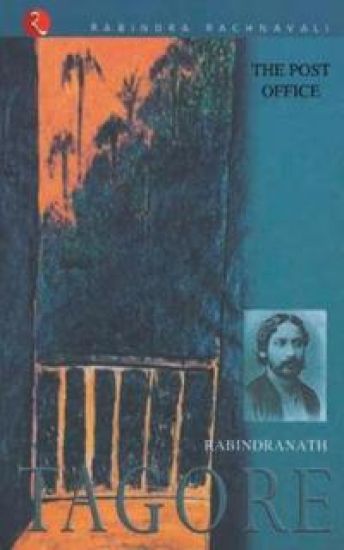
The Post office is a story of an eight-year-old boy who is terminally ill and is confined inside his house by the family physician. He sees the outside world only through his window. He talks to the passers-by and engages them in eager conversations.
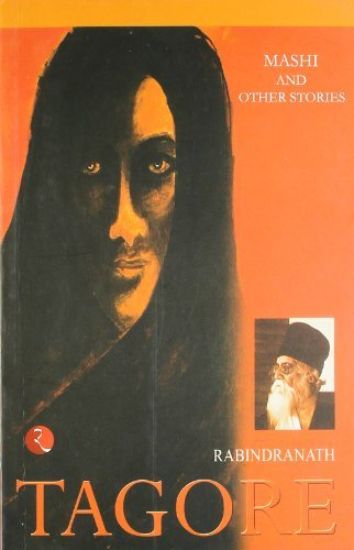
Mashi and Other Stories is a collection of fourteen stories translated by various authors like W.W.Pearson, Prabhat Kumar Mukhopadhyay, Jadunath Sarkar etc. The stories include Mashi, Raja and Rani, The Elder Sister, The Castaway, The Skeleton etc
Nationalism (1917)
Rabindranath Tagore; Sir Rabindranath Tagore
KESSINGER PUBLISHING CO
1998
nidottu

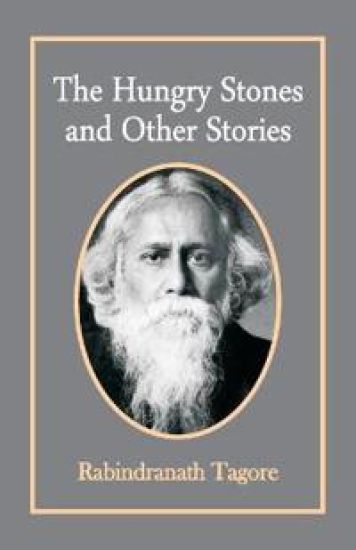
"The Hungry Stones and Other Stories" is a compilation of thirteen heart-warming and poetic short stories written by the renowned author Rabindranath Tagore. 'Hungry stones' revolves around a tax collector, Srijut and his experience at the haunted palace while the story of 'The Kabuliwallah', which has been adapted into a number of movies, focuses on an uncanny father-daughter relationship between a little girl and an Afghan trader in rural Bengal. This book stores a casket of experiences and pleasing tales for all the readers to explore Rabindranath Tagore (1861-1941) was a renowned poet, musician, polymath, Ayurveda-researcher and an artist who recast music, Bengali literature and Indian art in the late 19th and early 20th century. Author of the "profoundly sensitive, revolutionary and beautiful verse" of Gitanjali, he became the first non-European to win the Nobel Prize in Literature in the year 1913. Rabindranath Tagore was alsoreferred to as 'the Bard of Bengal'. His compositions "Jana Gana Mana" and "Amar Sonar Bangla" were embraced by two nations as their national anthems respectively.
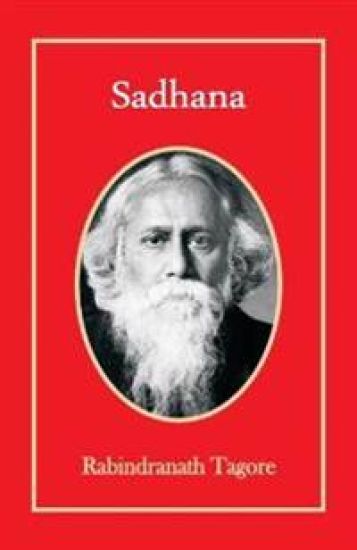
Sadhana' which symbolizes 'spiritual practice' is a classic work by one of the greatest spiritual writers Rabindranath Tagore. This narrative is sure to pour some insight amongst the readers by bridging the gap from modern times to the wisdom of past. It is indeed an inspiration as it instills the ideology that 'God' resides in the heart of those who believe in service to others. The flowery verse is sure to spellbound everyone by spurring the feeling of love and compassion.Rabindranath Tagore (1861-1941) was a renowned poet, musician, polymath, Ayurveda-researcher and an artist who recast music, Bengali literature and Indian art in the late 19th and early 20th century. Author of the "profoundly sensitive, revolutionary and beautiful verse" of Gitanjali, he became the first non-European to win the Nobel Prize in Literature in the year 1913. Rabindranath Tagore was also referred to as 'the Bard of Bengal'. His compositions "Jana Gana Mana" and "Amar Sonar Bangla" were embraced by two nations as their national anthems respectively.
'My Reminiscences' one of the most valuable work by Tagore, is composed with satire, vision and more than a little self-mockery, which gives a unique and reliable insight into the life of this great literary genius. It is an account of the first twenty-seven formative years of hislife. Rather than a traditional autobiography, it is a series of 'memory pictures' of the author born into a glorious and highly aristocratic family.Rabindranath Tagore (1861-1941) was a renowned poet, musician, polymath, Ayurveda-researcher and an artist who recast music, Bengali literature and Indian art in the late 19th and early 20th century. Author of the "profoundly sensitive, revolutionary and beautifulverse" of Gitanjali, he became the first non-European to win the Nobel Prize in Literature in the year 1913. Rabindranath Tagore was also referred to as 'the Bard of Bengal'. His compositions "Jana Gana Mana" and "Amar Sonar Bangla" were embraced by two nations as theirnational anthems respectively.

Nationalism' by Rabindranath Tagore is a compilation of lectures written in lucid, metaphoric, poetic prose during the 'First World War' and the 'Swadeshi movement' in India. It explicates the idea of moral and spiritual growth for the welfare of people, making it even more relevant in today's environment of violence. These lectures bear testimony of its eternity and cannot be wrapped or concealed under the influence of ancient limitations of historical consideration.Rabindranath Tagore (1861-1941) was a renowned poet, musician, polymath, Ayurveda-researcher and an artist who recast music, Bengali literature and Indian art in the late 19th and early 20th century. Author of the "profoundly sensitive, revolutionary and beautifulverse" of Gitanjali, he became the first non-European to win the Nobel Prize in Literature in the year 1913.Rabindranath Tagore was also referred to as 'the Bard of Bengal'. His compositions "Jana Gana Mana" and "Amar Sonar Bangla" were embraced by two nations as their national anthems respectively.

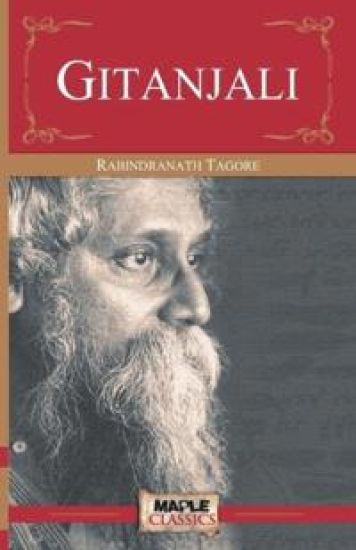
Gitanjali is an integration of two words 'Git' and 'Anjali' which mean 'song' and 'offering' respectively. It is a collection of poems by the legendary Bengali poet Rabindranath Tagore that highlights a strong divine connection between the supreme power, universe and the devotee itself. This mesmerising compilation makes the reader rejoice in the feeling that life is filled with colours, mystery and abundance.Tagore's views on spirituality makes him one of the most influential poets from the post-independence era of Indian Literature.Rabindranath Tagore (1861-1941) was a renowned poet, musician, polymath, Ayurveda-researcher and an artist who recast music, Bengali literature and Indian art in the late 19th and early 20th century. Author of the "profoundly sensitive, revolutionary and beautiful verse" of Gitanjali, he became the first non-European to win the Nobel Prize in Literature in the year 1913. Rabindranath Tagore was alsoreferred to as 'the Bard of Bengal'. His compositions "Jana Gana Mana" and "Amar Sonar Bangla" were embraced by two nations as their national anthems respectively.
Through a powerful tale of the female protagonist, Bimala, Tagore describes the battle he had with himself.The woman is torn between the duties owed to her husband, Nikhil, and the demands made on her by the radical leader, Sandip. The story based on love and political awakening illustrates two opposing ideas which reflect the history of the Bengal region and set against the backdrop of the Swadeshi movement.Rabindranath Tagore (1861-1941) was a renowned poet, musician, polymath, Ayurveda-researcher and an artist who recast music, Bengali literature and Indian art in the late 19th and early 20th century. Author of the "profoundly sensitive, revolutionary and beautiful verse" of Gitanjali, he became the first non-European to win the Nobel Prize in Literature in the year 1913. Rabindranath Tagore was also referred to as 'the Bard of Bengal'. His compositions "Jana Gana Mana" and "Amar Sonar Bangla" were embraced by two nations as their national anthems respectively.

"The Crescent Moon" is an incredible collection of introspective poems by Rabindranath Tagore. Originally written in Bengali, the poet himself translated the book into English. Most of the poems in 'The Crescent Moon' focus on the love in a mother-child relationship and itsgrowth over the years as the child grows up. No wonder Tagore is an artist of rare lyrical powers, who acknowledges the human soul.Rabindranath Tagore (1861-1941) was a renowned poet, musician, polymath, Ayurveda-researcher and an artist who recast music, Bengali literature and Indian art in the late 19th and early 20th century. Author of the "profoundly sensitive, revolutionary and beautifulverse" of Gitanjali, he became the first non-European to win the Nobel Prize in Literature in the year 1913. Rabindranath Tagore was also referred to as 'the Bard of Bengal'. His compositions "Jana Gana Mana" and "Amar Sonar Bangla" were embraced by two nations as theirnational anthems respectively.
Rabindranath Tagore (1861-1941) was a renowned poet, musician, polymath, Ayurveda-researcher and an artist who recast music, Bengali literature and Indian art in the late 19th and early 20th century. Author of the "profoundly sensitive, revolutionary and beautiful verse" of Gitanjali, he became the first non-European to win the Nobel Prize in Literature in the year 1913. Rabindranath Tagore was also referredto as 'the Bard of Bengal'. His compositions "Jana Gana Mana" and "Amar Sonar Bangla" were embraced by two nations as their national anthems respectively.
Rabindranath Tagore (1861-1941) was a renowned poet, musician, polymath, Ayurveda-researcher and an artist who recast music, Bengali literature and Indian art in the late 19th and early 20th century. Author of the "profoundly sensitive, revolutionary and beautiful verse" of Gitanjali, he became the first non-European to win the Nobel Prize in Literature in the year 1913. Rabindranath Tagore was also referred to as 'the Bard of Bengal'. His compositions "Jana Gana Mana" and "Amar Sonar Bangla" were embraced by two nations as their national anthems respectively.

Rabindranath Tagore's classic novel tells a story of conflict between the incipient Western ideals and the forces of traditionalism in the Indian region of Bengal.In the early 20th century, India was under colonial rule with many of the Western customs native to the Britain introduced to the country. This cultural shift occurred over decades in provinces which had spent millennia developing and fostering an identity based around tradition and family togetherness.The protagonists of the story are deeply contrasting; Nikhil is gentle and urbane, and has humbled himself from his wealthy family by marrying a woman - Bimala - who is neither rich nor physically attractive. Sandip is volatile and capable of resorting to violence to achieve his goals - his vocal anti-imperialism resonates strongly with Bimala, to the point where a love triangle develops between the three.The Home and the World tells an intertwining narrative of the characters. For the purposes of reference, this edition's table of contents refers to both the individual chapters, and the narration's transitions between the three main characters.By depicting the social life of the three principle characters, Tagore skilfully demonstrates the changing political and social atmosphere in India. The empowerment of women is contrasted against the traditional Indian household, where the woman must be humble and defer to her husband. Other themes, such as the complex relationship of religion and nationalism, are also explored.The edition of Tagore's classic contains the classic 1919 translation to English by his nephew, Surendranath. Rabindranath personally oversaw the translation, being sure that none of the story's original poignancy was lost in the process.