Kirjojen hintavertailu. Mukana 12 390 323 kirjaa ja 12 kauppaa.

Kirjailija

Reiland Rabaka

Kirjat ja teokset yhdessä paikassa: 32 kirjaa, julkaisuja vuosilta 2007-2026, suosituimpien joukossa Black Feminist Funk. Vertaile teosten hintoja ja tarkista saatavuus suomalaisista kirjakaupoista.

32 kirjaa

Kirjojen julkaisuhaarukka 2007-2026.

Black Feminist Funk

Black Feminist Funk

Reiland Rabaka

TAYLOR FRANCIS LTD
2026
sidottu
Reiland Rabaka provides an alternative history of funk since the mid-1960s, that uncovers the epoch that funk women influenced and were influenced by while wrestling with issues revolving around race, gender, sexuality, and class simultaneously in the American music industry and in American society. Rabaka explores the long line of artistically adventurous African American women whose music made groundbreaking contributions to funk, but whose subtle forms of alternative feminism and intoxicating eroticism led to their marginalization in both historical and contemporary discussions of the musical genre. Their gender identities and intense sexual expressions fly in the face of longstanding narratives about funk, which almost invariably focus on male figures. The book focuses primarily on the most acclaimed female funk group and artists of the classic era: Labelle, Chaka Khan and Betty Davis, who created an uncompromising anti-commercial, unclassifiable form of ultra-erotic funk rock that directly challenged patriarchy, the politics of respectability, and conservative conceptions of Black women’s sexuality. The book will be of significant interest for those interested in Race and Ethnicity in Popular Music, Gender and Sexuality in Popular Music, the Cultural Study of Popular Music, Black Studies, Women’s Studies, Gender Studies, and Music and Politics.
Black Feminist Funk

Black Feminist Funk

Reiland Rabaka

TAYLOR FRANCIS LTD
2026
nidottu
Reiland Rabaka provides an alternative history of funk since the mid-1960s, that uncovers the epoch that funk women influenced and were influenced by while wrestling with issues revolving around race, gender, sexuality, and class simultaneously in the American music industry and in American society. Rabaka explores the long line of artistically adventurous African American women whose music made groundbreaking contributions to funk, but whose subtle forms of alternative feminism and intoxicating eroticism led to their marginalization in both historical and contemporary discussions of the musical genre. Their gender identities and intense sexual expressions fly in the face of longstanding narratives about funk, which almost invariably focus on male figures. The book focuses primarily on the most acclaimed female funk group and artists of the classic era: Labelle, Chaka Khan and Betty Davis, who created an uncompromising anti-commercial, unclassifiable form of ultra-erotic funk rock that directly challenged patriarchy, the politics of respectability, and conservative conceptions of Black women’s sexuality. The book will be of significant interest for those interested in Race and Ethnicity in Popular Music, Gender and Sexuality in Popular Music, the Cultural Study of Popular Music, Black Studies, Women’s Studies, Gender Studies, and Music and Politics.
The Funk Movement

The Funk Movement

Reiland Rabaka

TAYLOR FRANCIS LTD
2024
sidottu
Rabaka explores funk as a distinct multiform of music, aesthetics, politics, social vision, and cultural rebellion that has been remixed and continues to influence contemporary Black popular music and Black popular culture, especially rap music and the Hip Hop Movement.The Funk Movement was a sub-movement within the larger Black Power Movement and its artistic arm, the Black Arts Movement. Moreover, the Funk Movement was also a sub-movement within the Black Women’s Liberation Movement between the late 1960s and late 1970s, where women’s funk, especially Chaka Khan and Betty Davis’s funk, was understood to be a form of “Black musical feminism” that was as integral to the movement as the Black political feminism of Angela Davis or the Combahee River Collective and the Black literary feminism of Toni Morrison or Alice Walker. This book also demonstrates that more than any other post-war Black popular music genre, the funk music of the 1960s and 1970s laid the foundation for the mercurial rise of rap music and the Hip Hop Movement in the 1980s and 1990s.This book is primarily aimed at scholars and students working in popular music studies, popular culture studies, American studies, African American studies, cultural studies, ethnic studies, critical race studies, women’s studies, gender studies, and sexuality studies.
The Funk Movement

The Funk Movement

Reiland Rabaka

TAYLOR FRANCIS LTD
2024
nidottu
Rabaka explores funk as a distinct multiform of music, aesthetics, politics, social vision, and cultural rebellion that has been remixed and continues to influence contemporary Black popular music and Black popular culture, especially rap music and the Hip Hop Movement.The Funk Movement was a sub-movement within the larger Black Power Movement and its artistic arm, the Black Arts Movement. Moreover, the Funk Movement was also a sub-movement within the Black Women’s Liberation Movement between the late 1960s and late 1970s, where women’s funk, especially Chaka Khan and Betty Davis’s funk, was understood to be a form of “Black musical feminism” that was as integral to the movement as the Black political feminism of Angela Davis or the Combahee River Collective and the Black literary feminism of Toni Morrison or Alice Walker. This book also demonstrates that more than any other post-war Black popular music genre, the funk music of the 1960s and 1970s laid the foundation for the mercurial rise of rap music and the Hip Hop Movement in the 1980s and 1990s.This book is primarily aimed at scholars and students working in popular music studies, popular culture studies, American studies, African American studies, cultural studies, ethnic studies, critical race studies, women’s studies, gender studies, and sexuality studies.
Black Women's Liberation Movement Music

Black Women's Liberation Movement Music

Reiland Rabaka

TAYLOR FRANCIS LTD
2023
nidottu
Black Women’s Liberation Movement Music argues that the Black Women’s Liberation Movement of the mid-to-late 1960s and 1970s was a unique combination of Black political feminism, Black literary feminism, and Black musical feminism, among other forms of Black feminism.This book critically explores the ways the soundtracks of the Black Women’s Liberation Movement often overlapped with those of other 1960s and 1970s social, political, and cultural movements, such as the Black Power Movement, Women’s Liberation Movement, and Sexual Revolution. The soul, funk, and disco music of the Black Women’s Liberation Movement era is simultaneously interpreted as universalist, feminist (in a general sense), and Black female-focused. This music’s incredible ability to be interpreted in so many different ways speaks to the importance and power of Black women’s music and the fact that it has multiple meanings for a multitude of people. Within the worlds of both Black Popular Movement Studies and Black Popular Music Studies there has been a long-standing tendency to almost exclusively associate Black women’s music of the mid-to-late 1960s and 1970s with the Black male-dominated Black Power Movement or the White female-dominated Women’s Liberation Movement. However, this book reveals that much of the soul, funk, and disco performed by Black women was most often the very popular music of a very unpopular and unsung movement: The Black Women’s Liberation Movement.Black Women’s Liberation Movement Music is an invaluable resource for students, teachers, and researchers of Popular Music Studies, American Studies, African American Studies, Critical Race Studies, Gender Studies, and Sexuality Studies.
Black Women's Liberation Movement Music

Black Women's Liberation Movement Music

Reiland Rabaka

TAYLOR FRANCIS LTD
2023
sidottu
Black Women’s Liberation Movement Music argues that the Black Women’s Liberation Movement of the mid-to-late 1960s and 1970s was a unique combination of Black political feminism, Black literary feminism, and Black musical feminism, among other forms of Black feminism.This book critically explores the ways the soundtracks of the Black Women’s Liberation Movement often overlapped with those of other 1960s and 1970s social, political, and cultural movements, such as the Black Power Movement, Women’s Liberation Movement, and Sexual Revolution. The soul, funk, and disco music of the Black Women’s Liberation Movement era is simultaneously interpreted as universalist, feminist (in a general sense), and Black female-focused. This music’s incredible ability to be interpreted in so many different ways speaks to the importance and power of Black women’s music and the fact that it has multiple meanings for a multitude of people. Within the worlds of both Black Popular Movement Studies and Black Popular Music Studies there has been a long-standing tendency to almost exclusively associate Black women’s music of the mid-to-late 1960s and 1970s with the Black male-dominated Black Power Movement or the White female-dominated Women’s Liberation Movement. However, this book reveals that much of the soul, funk, and disco performed by Black women was most often the very popular music of a very unpopular and unsung movement: The Black Women’s Liberation Movement.Black Women’s Liberation Movement Music is an invaluable resource for students, teachers, and researchers of Popular Music Studies, American Studies, African American Studies, Critical Race Studies, Gender Studies, and Sexuality Studies.
Black Power Music!

Black Power Music!

Reiland Rabaka

TAYLOR FRANCIS LTD
2022
sidottu
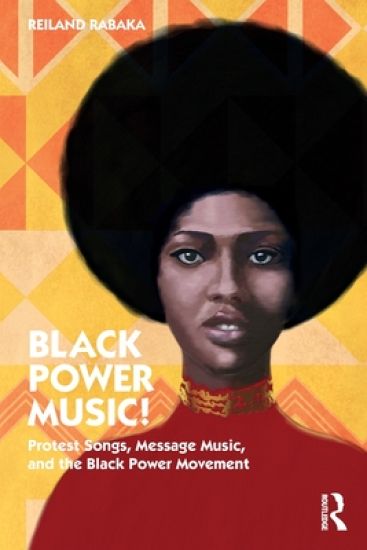
Black Power Music! Protest Songs, Message Music, and theBlack Power Movement critically explores the soundtracks of the Black Power Movement as forms of "movement music." That is to say, much of classic Motown, soul, and funk music often mirrored and served as mouthpieces for the views and values, as well as the aspirations and frustrations, of the Black Power Movement. Black Power Music! is also about the intense interconnections between Black popular culture and Black political culture, both before and after the Black Power Movement, and the ways in which the Black Power Movement in many senses symbolizes the culmination of centuries of African American politics creatively combined with, and ingeniously conveyed through, African American music. Consequently, the term "Black Power music" can be seen as a code word for African American protest songs and message music between 1965 and 1975. "Black Power music" is a new concept that captures and conveys the fact that the majority of the messages in Black popular music between 1965 and 1975 seem to have been missed by most people who were not actively involved in, or in some significant way associated with, the Black Power Movement.
Black Power Music!

Black Power Music!

Reiland Rabaka

TAYLOR FRANCIS LTD
2022
nidottu
Black Power Music! Protest Songs, Message Music, and theBlack Power Movement critically explores the soundtracks of the Black Power Movement as forms of "movement music." That is to say, much of classic Motown, soul, and funk music often mirrored and served as mouthpieces for the views and values, as well as the aspirations and frustrations, of the Black Power Movement. Black Power Music! is also about the intense interconnections between Black popular culture and Black political culture, both before and after the Black Power Movement, and the ways in which the Black Power Movement in many senses symbolizes the culmination of centuries of African American politics creatively combined with, and ingeniously conveyed through, African American music. Consequently, the term "Black Power music" can be seen as a code word for African American protest songs and message music between 1965 and 1975. "Black Power music" is a new concept that captures and conveys the fact that the majority of the messages in Black popular music between 1965 and 1975 seem to have been missed by most people who were not actively involved in, or in some significant way associated with, the Black Power Movement.
Du Bois

Du Bois

Reiland Rabaka

Polity Press
2021
sidottu
W.E.B Du Bois is widely considered one of the most accomplished and controversial African American intellectuals in U.S. history. A pioneering historian, sociologist, political economist, and civil rights activist, his masterpiece The Souls of Black Folk remains one of the most widely read books in the history of American literature. In this new book, Reiland Rabaka critically explores Du Bois’s multidimensional legacy, lucidly introducing his main contributions in areas ranging from American sociology and critical race studies to black feminism and black Marxism. Rabaka argues that Du Bois’s corpus, particularly when attention is given to his contributions to the critique of racism, sexism, capitalism and colonialism, can be persuasively interpreted as both an undeniable and unprecedented contribution to the origins and evolution of one of our most important contemporary critical concepts: intersectionality. Du Bois: A Critical Introduction is an indispensable resource for scholars and students of history, sociology, politics, and economics. It will also be very valuable for those working in interdisciplinary fields, ranging from African American studies, critical race studies, and critical white studies to black feminism, black Marxism, and black internationalism.
Du Bois

Du Bois

Reiland Rabaka

Polity Press
2021
nidottu
W.E.B Du Bois is widely considered one of the most accomplished and controversial African American intellectuals in U.S. history. A pioneering historian, sociologist, political economist, and civil rights activist, his masterpiece The Souls of Black Folk remains one of the most widely read books in the history of American literature. In this new book, Reiland Rabaka critically explores Du Bois’s multidimensional legacy, lucidly introducing his main contributions in areas ranging from American sociology and critical race studies to black feminism and black Marxism. Rabaka argues that Du Bois’s corpus, particularly when attention is given to his contributions to the critique of racism, sexism, capitalism and colonialism, can be persuasively interpreted as both an undeniable and unprecedented contribution to the origins and evolution of one of our most important contemporary critical concepts: intersectionality. Du Bois: A Critical Introduction is an indispensable resource for scholars and students of history, sociology, politics, and economics. It will also be very valuable for those working in interdisciplinary fields, ranging from African American studies, critical race studies, and critical white studies to black feminism, black Marxism, and black internationalism.
Civil Rights Music

Civil Rights Music

Reiland Rabaka

Lexington Books
2016
sidottu
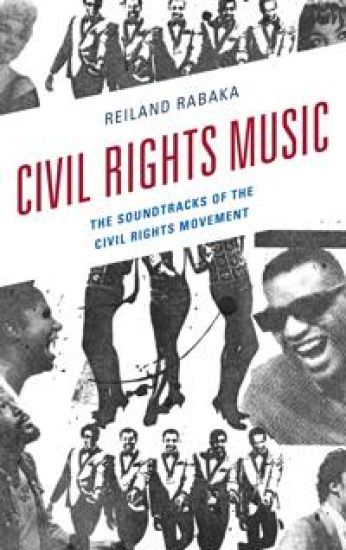
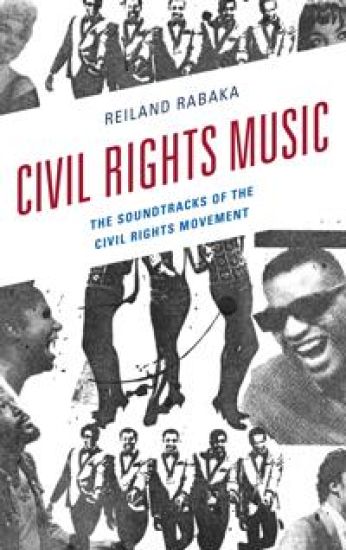
While there have been a number of studies that have explored African American “movement culture” and African American “movement politics,” rarely has the mixture of black music and black politics or, rather, black music an as expression of black movement politics, been explored across several genres of African American “movement music,” and certainly not with a central focus on the major soundtracks of the Civil Rights Movement: gospel, freedom songs, rhythm & blues, and rock & roll. Here the mixture of music and politics emerging out of the Civil Rights Movement is critically examined as an incredibly important site and source of spiritual rejuvenation, social organization, political education, and cultural transformation, not simply for the non-violent civil rights soldiers of the 1950s and 1960s, but for organic intellectual-artist-activists deeply committed to continuing the core ideals and ethos of the Civil Rights Movement in the twenty-first century. Civil Rights Music: The Soundtracks of the Civil Rights Movement is primarily preoccupied with that liminal, in-between, and often inexplicable place where black popular music and black popular movements meet and merge. Black popular movements are more than merely social and political affairs. Beyond social organization and political activism, black popular movements provide much-needed spaces for cultural development and artistic experimentation, including the mixing of musical and other aesthetic traditions. “Movement music” experimentation has historically led to musical innovation, and musical innovation in turn has led to new music that has myriad meanings and messages—some social, some political, some cultural, some spiritual and, indeed, some sexual. Just as black popular movements have a multiplicity of meanings, this book argues that the music that emerges out of black popular movements has a multiplicity of meanings as well.
Civil Rights Music

Civil Rights Music

Reiland Rabaka

Lexington Books
2016
nidottu
While there have been a number of studies that have explored African American “movement culture” and African American “movement politics,” rarely has the mixture of black music and black politics or, rather, black music an as expression of black movement politics, been explored across several genres of African American “movement music,” and certainly not with a central focus on the major soundtracks of the Civil Rights Movement: gospel, freedom songs, rhythm & blues, and rock & roll. Here the mixture of music and politics emerging out of the Civil Rights Movement is critically examined as an incredibly important site and source of spiritual rejuvenation, social organization, political education, and cultural transformation, not simply for the non-violent civil rights soldiers of the 1950s and 1960s, but for organic intellectual-artist-activists deeply committed to continuing the core ideals and ethos of the Civil Rights Movement in the twenty-first century. Civil Rights Music: The Soundtracks of the Civil Rights Movement is primarily preoccupied with that liminal, in-between, and often inexplicable place where black popular music and black popular movements meet and merge. Black popular movements are more than merely social and political affairs. Beyond social organization and political activism, black popular movements provide much-needed spaces for cultural development and artistic experimentation, including the mixing of musical and other aesthetic traditions. “Movement music” experimentation has historically led to musical innovation, and musical innovation in turn has led to new music that has myriad meanings and messages—some social, some political, some cultural, some spiritual and, indeed, some sexual. Just as black popular movements have a multiplicity of meanings, this book argues that the music that emerges out of black popular movements has a multiplicity of meanings as well.
The Negritude Movement

The Negritude Movement

Reiland Rabaka

Lexington Books
2016
nidottu
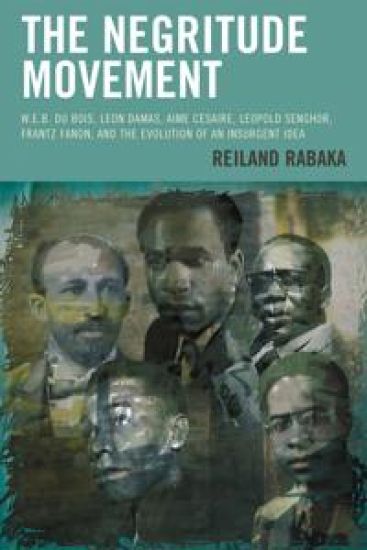
The Negritude Movement provides readers with not only an intellectual history of the Negritude Movement but also its prehistory (W.E.B. Du Bois, the New Negro Movement, and the Harlem Renaissance) and its posthistory (Frantz Fanon and the evolution of Fanonism). By viewing Negritude as an “insurgent idea” (to invoke this book’s intentionally incendiary subtitle), as opposed to merely a form of poetics and aesthetics, The Negritude Movement explores Negritude as a “traveling theory” (à la Edward Said’s concept) that consistently crisscrossed the Atlantic Ocean in the twentieth century: from Harlem to Haiti, Haiti to Paris, Paris to Martinique, Martinique to Senegal, and on and on ad infinitum. The Negritude Movement maps the movements of proto-Negritude concepts from Du Bois’s discourse in The Souls of Black Folk through to post-Negritude concepts in Fanon’s Black Skin, White Masks and The Wretched of the Earth. Utilizing Negritude as a conceptual framework to, on the one hand, explore the Africana intellectual tradition in the twentieth century, and, on the other hand, demonstrate discursive continuity between Du Bois and Fanon, as well as the Harlem Renaissance and Negritude Movement, The Negritude Movement ultimately accents what Negritude contributed to arguably its greatest intellectual heir, Frantz Fanon, and the development of his distinct critical theory, Fanonism. Rabaka argues that if Fanon and Fanonism remain relevant in the twenty-first century, then, to a certain extent, Negritude remains relevant in the twenty-first century.
Concepts of Cabralism

Concepts of Cabralism

Reiland Rabaka

Lexington Books
2015
nidottu
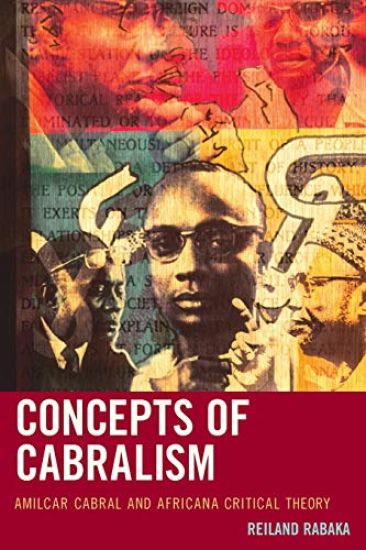
By examining Amilcar Cabral’s theories and praxes, as well as several of the antecedents and major influences on the evolution of his radical politics and critical social theory, Concepts of Cabralism: Amilcar Cabral and Africana Critical Theory simultaneously reintroduces, chronicles, and analyzes several of the core characteristics of the Africana tradition of critical theory. Reiland Rabaka’s primary preoccupation is with Cabral’s theoretical and political legacies—that is to say, with the ways in which he constructed, deconstructed, and reconstructed theory and the aims, objectives, and concrete outcomes of his theoretical applications and discursive practices. The book begins with the Negritude Movement, and specifically the work of Léopold Senghor, Aimé Césaire, and Jean-Paul Sartre. Next, it shifts the focus to Frantz Fanon’s discourse on radical disalienation and revolutionary decolonization. Finally, it offers an extended engagement of Cabral’s critical theory and contributions to the Africana tradition of critical theory. Ultimately, Concepts of Cabralism chronicles and critiques, revisits and revises the black radical tradition with an eye toward the ways in which classical black radicalism informs, or should inform, not only contemporary black radicalism, African nationalism, and Pan-Africanism, but also contemporary efforts to create a new anti-racist, anti-sexist, anti-capitalist, anti-colonialist, and anti-imperialist critical theory of contemporary society—what has come to be called “Africana critical theory.”
The Negritude Movement

The Negritude Movement

Reiland Rabaka

Lexington Books
2015
sidottu
The Negritude Movement provides readers with not only an intellectual history of the Negritude Movement but also its prehistory (W.E.B. Du Bois, the New Negro Movement, and the Harlem Renaissance) and its posthistory (Frantz Fanon and the evolution of Fanonism). By viewing Negritude as an “insurgent idea” (to invoke this book’s intentionally incendiary subtitle), as opposed to merely a form of poetics and aesthetics, The Negritude Movement explores Negritude as a “traveling theory” (à la Edward Said’s concept) that consistently crisscrossed the Atlantic Ocean in the twentieth century: from Harlem to Haiti, Haiti to Paris, Paris to Martinique, Martinique to Senegal, and on and on ad infinitum. The Negritude Movement maps the movements of proto-Negritude concepts from Du Bois’s discourse in The Souls of Black Folk through to post-Negritude concepts in Fanon’s Black Skin, White Masks and The Wretched of the Earth. Utilizing Negritude as a conceptual framework to, on the one hand, explore the Africana intellectual tradition in the twentieth century, and, on the other hand, demonstrate discursive continuity between Du Bois and Fanon, as well as the Harlem Renaissance and Negritude Movement, The Negritude Movement ultimately accents what Negritude contributed to arguably its greatest intellectual heir, Frantz Fanon, and the development of his distinct critical theory, Fanonism. Rabaka argues that if Fanon and Fanonism remain relevant in the twenty-first century, then, to a certain extent, Negritude remains relevant in the twenty-first century.
Concepts of Cabralism

Concepts of Cabralism

Reiland Rabaka

Lexington Books
2014
sidottu
By examining Amilcar Cabral’s theories and praxes, as well as several of the antecedents and major influences on the evolution of his radical politics and critical social theory, Concepts of Cabralism: Amilcar Cabral and Africana Critical Theory simultaneously reintroduces, chronicles, and analyzes several of the core characteristics of the Africana tradition of critical theory. Reiland Rabaka’s primary preoccupation is with Cabral’s theoretical and political legacies—that is to say, with the ways in which he constructed, deconstructed, and reconstructed theory and the aims, objectives, and concrete outcomes of his theoretical applications and discursive practices. The book begins with the Negritude Movement, and specifically the work of Léopold Senghor, Aimé Césaire, and Jean-Paul Sartre. Next, it shifts the focus to Frantz Fanon’s discourse on radical disalienation and revolutionary decolonization. Finally, it offers an extended engagement of Cabral’s critical theory and contributions to the Africana tradition of critical theory. Ultimately, Concepts of Cabralism chronicles and critiques, revisits and revises the black radical tradition with an eye toward the ways in which classical black radicalism informs, or should inform, not only contemporary black radicalism, African nationalism, and Pan-Africanism, but also contemporary efforts to create a new anti-racist, anti-sexist, anti-capitalist, anti-colonialist, and anti-imperialist critical theory of contemporary society—what has come to be called “Africana critical theory.”
The Hip Hop Movement

The Hip Hop Movement

Reiland Rabaka

Lexington Books
2013
sidottu
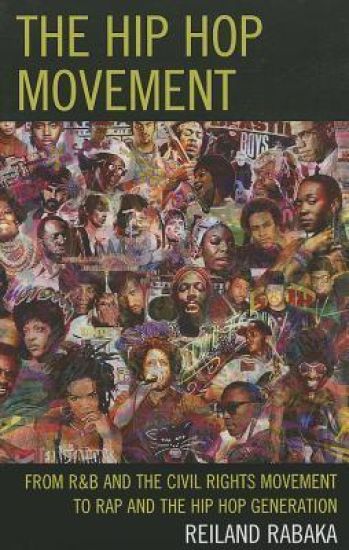
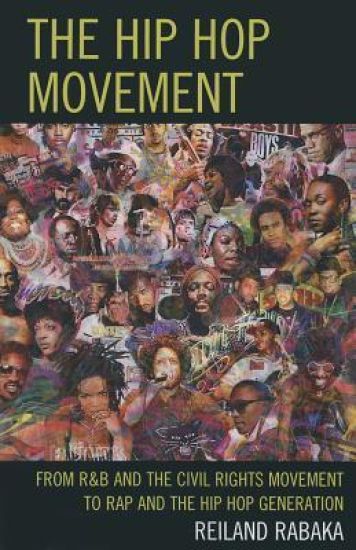
The Hip Hop Movement offers a critical theory and alternative history of rap music and hip hop culture by examining their roots in the popular musics and popular cultures of the Civil Rights Movement and Black Power Movement. Connecting classic rhythm & blues and rock & roll to the Civil Rights Movement, and classic soul and funk to the Black Power Movement, The Hip Hop Movement explores what each of these musics and movements contributed to rap, neo-soul, hip hop culture, and the broader Hip Hop Movement. Ultimately, this book’s remixes (as opposed to chapters) reveal that black popular music and black popular culture have always been more than merely “popular music” and “popular culture” in the conventional sense and reflect a broader social, political, and cultural movement. With this in mind, sociologist and musicologist Reiland Rabaka critically reinterprets rap and neo-soul as popular expressions of the politics, social visions, and cultural values of a contemporary multi-issue movement: the Hip Hop Movement. Rabaka argues that rap music, hip hop culture, and the Hip Hop Movement are as deserving of critical scholarly inquiry as previous black popular musics, such as the spirituals, blues, ragtime, jazz, rhythm & blues, rock & roll, soul, and funk, and previous black popular movements, such as the Black Women’s Club Movement, New Negro Movement, Harlem Renaissance, Civil Rights Movement, Black Power Movement, Black Arts Movement, and Black Women’s Liberation Movement. This volume, equal parts alternative history of hip hop and critical theory of hip hop, challenges those scholars, critics, and fans of hip hop who lopsidedly over-focus on commercial rap, pop rap, and gangsta rap while failing to acknowledge that there are more than three dozen genres of rap music and many other socially and politically progressive forms of hip hop culture beyond DJing, MCing, rapping, beat-making, break-dancing, and graffiti-writing.
The Hip Hop Movement

The Hip Hop Movement

Reiland Rabaka

Lexington Books
2013
nidottu
The Hip Hop Movement offers a critical theory and alternative history of rap music and hip hop culture by examining their roots in the popular musics and popular cultures of the Civil Rights Movement and Black Power Movement. Connecting classic rhythm & blues and rock & roll to the Civil Rights Movement, and classic soul and funk to the Black Power Movement, The Hip Hop Movement explores what each of these musics and movements contributed to rap, neo-soul, hip hop culture, and the broader Hip Hop Movement. Ultimately, this book’s remixes (as opposed to chapters) reveal that black popular music and black popular culture have always been more than merely “popular music” and “popular culture” in the conventional sense and reflect a broader social, political, and cultural movement. With this in mind, sociologist and musicologist Reiland Rabaka critically reinterprets rap and neo-soul as popular expressions of the politics, social visions, and cultural values of a contemporary multi-issue movement: the Hip Hop Movement. Rabaka argues that rap music, hip hop culture, and the Hip Hop Movement are as deserving of critical scholarly inquiry as previous black popular musics, such as the spirituals, blues, ragtime, jazz, rhythm & blues, rock & roll, soul, and funk, and previous black popular movements, such as the Black Women’s Club Movement, New Negro Movement, Harlem Renaissance, Civil Rights Movement, Black Power Movement, Black Arts Movement, and Black Women’s Liberation Movement. This volume, equal parts alternative history of hip hop and critical theory of hip hop, challenges those scholars, critics, and fans of hip hop who lopsidedly over-focus on commercial rap, pop rap, and gangsta rap while failing to acknowledge that there are more than three dozen genres of rap music and many other socially and politically progressive forms of hip hop culture beyond DJing, MCing, rapping, beat-making, break-dancing, and graffiti-writing.
Hip Hop's Amnesia

Hip Hop's Amnesia

Reiland Rabaka

Lexington Books
2012
sidottu
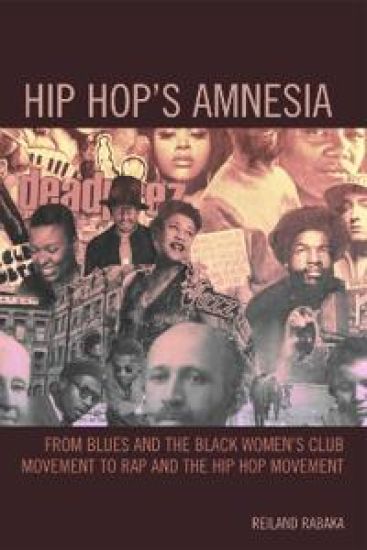
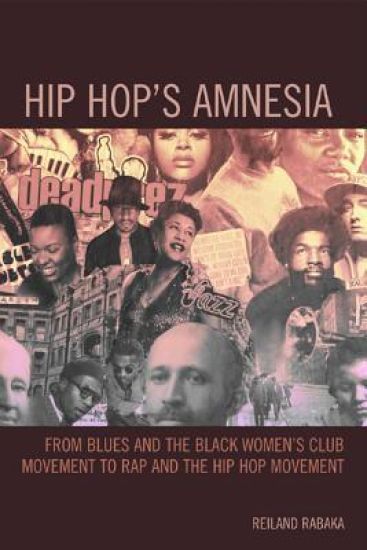
What did rap music and hip hop culture inherit from the spirituals, classic blues, ragtime, classic jazz, and bebop? What did rap music and hip hop culture inherit from the Black Women’s Club Movement, New Negro Movement, Harlem Renaissance, Hipster Movement, and Black Muslim Movement? How did black popular music and black popular culture between 1900 and the 1950s influence white youth culture, especially the Lost Generation and the Beat Generation, in ways that mirror rap music and hip hop culture’s influence on contemporary white youth music, culture, and politics? In Hip Hop’s Amnesia award-winning author, spoken-word artist, and multi-instrumentalist Reiland Rabaka answers these questions by rescuing and reclaiming the often-overlooked early twentieth century origins and evolution of rap music and hip hop culture. Hip Hop’s Amnesia is a study about aesthetics and politics, music and social movements, as well as the ways in which African Americans’ unique history and culture has consistently led them to create musics that have served as the soundtracks for their socio-political aspirations and frustrations, their socio-political organizations and nationally-networked movements. The musics of the major African American social and political movements of the 1950s, 1960s, and 1970s were based and ultimately built on earlier forms of “African American movement music.” Therefore, in order to really and truly understand rap music and hip hop culture we must critically examine both classical African American musics and the classical African American movements that these musics served as soundtracks for. This book is primarily preoccupied with the ways in which post-enslavement black popular music and black popular culture frequently served as a soundtrack for and reflected the grassroots politics of post-enslavement African American social and political movements. Where many Hip Hop Studies scholars have made clever allusions to the ways that rap music and hip hop culture are connected to and seem to innovatively evolve earlier forms of black popular music and black popular culture, Hip Hop’s Amnesia moves beyond anecdotes and witty allusions and earnestly endeavors a full-fledged critical examination and archive-informed re-evaluation of “hip hop’s inheritance” from the major African American musics and movements of the first half of the twentieth century: classic blues, ragtime, classic jazz, swing, bebop, the Black Women’s Club Movement, the New Negro Movement, the Harlem Renaissance, the Bebop Movement, the Hipster Movement, and the Black Muslim Movement.
Hip Hop's Amnesia

Hip Hop's Amnesia

Reiland Rabaka

Lexington Books
2012
nidottu
What did rap music and hip hop culture inherit from the spirituals, classic blues, ragtime, classic jazz, and bebop? What did rap music and hip hop culture inherit from the Black Women’s Club Movement, New Negro Movement, Harlem Renaissance, Hipster Movement, and Black Muslim Movement? How did black popular music and black popular culture between 1900 and the 1950s influence white youth culture, especially the Lost Generation and the Beat Generation, in ways that mirror rap music and hip hop culture’s influence on contemporary white youth music, culture, and politics? In Hip Hop’s Amnesia award-winning author, spoken-word artist, and multi-instrumentalist Reiland Rabaka answers these questions by rescuing and reclaiming the often-overlooked early twentieth century origins and evolution of rap music and hip hop culture. Hip Hop’s Amnesia is a study about aesthetics and politics, music and social movements, as well as the ways in which African Americans’ unique history and culture has consistently led them to create musics that have served as the soundtracks for their socio-political aspirations and frustrations, their socio-political organizations and nationally-networked movements. The musics of the major African American social and political movements of the 1950s, 1960s, and 1970s were based and ultimately built on earlier forms of “African American movement music.” Therefore, in order to really and truly understand rap music and hip hop culture we must critically examine both classical African American musics and the classical African American movements that these musics served as soundtracks for. This book is primarily preoccupied with the ways in which post-enslavement black popular music and black popular culture frequently served as a soundtrack for and reflected the grassroots politics of post-enslavement African American social and political movements. Where many Hip Hop Studies scholars have made clever allusions to the ways that rap music and hip hop culture are connected to and seem to innovatively evolve earlier forms of black popular music and black popular culture, Hip Hop’s Amnesia moves beyond anecdotes and witty allusions and earnestly endeavors a full-fledged critical examination and archive-informed re-evaluation of “hip hop’s inheritance” from the major African American musics and movements of the first half of the twentieth century: classic blues, ragtime, classic jazz, swing, bebop, the Black Women’s Club Movement, the New Negro Movement, the Harlem Renaissance, the Bebop Movement, the Hipster Movement, and the Black Muslim Movement.