Kirjojen hintavertailu. Mukana 12 390 323 kirjaa ja 12 kauppaa.

Kirjailija

Robert M. Utley

Kirjat ja teokset yhdessä paikassa: 42 kirjaa, julkaisuja vuosilta 1965-2024, suosituimpien joukossa So Long for Now. Vertaile teosten hintoja ja tarkista saatavuus suomalaisista kirjakaupoista.

Mukana myös kirjoitusasut: Robert M Utley

42 kirjaa

Kirjojen julkaisuhaarukka 1965-2024.

So Long for Now

So Long for Now

Jerry L. Rogers; Robert M. Utley

University of Oklahoma Press
2017
sidottu
Elden Duane Rogers died on March 19, 1945, one of the eight hundred who perished on the aircraft carrier USS Franklin that day. It was his nineteenth birthday. Write home often, the navy told sailors like Elden, thinking it would keep up morale among sailors and those waiting for them stateside. But they were told not to write anything about where they were, where they had been, where they were going, what they were doing, or even what the weather was like. Spies were presumed everywhere, and loose lips could sink ships. Before a sailor's letter could be sealed and sent, a censor read it and with a razor blade cut out words that told too much.So Long for Now reconstructs the lost world of a sailor's daily life in World War II, piecing together letters from Elden's family in Vega, Texas, and from his girlfriend, the untold stories behind Elden's own letters, and the context of the war itself. Historian Jerry L. Rogers delves past censored letters limited to small talk and local gossip to conjure the danger, excitement, boredom, and sacrifices that sailors in the Pacific theater endured. He follows Elden from enlistment in the navy through every battle the USS Franklin saw. Flight deck crashes, kamikaze hits, and tensions and alliances aboard ship all built to the unprecedented chaos and casualties of the Japanese air attack on March 19. ""So long for now,"" Elden signed off - never ""Goodbye."" This moving work poignantly confronts the horrors of war, giving voice to a young sailor, the country he served, the family and friends he left behind, and the hope that has sustained them.
Creating the National Park Service

Creating the National Park Service

Horace M. Albright; Marian Albright Schenck; Robert M. Utley

University of Oklahoma Press
1999
nidottu
Two men played a crucial role in the creation and early history of the National Park Service: Stephen T. Mather, a public relations genius of sweeping vision, and Horace M. Albright, an able lawyer and administrator who helped transform that vision into reality.In Creating the National Park Service, Albright and his daughter, Marian Albright Schenck, reveal the previously untold story of the critical ""missing years"" in the history of the service. During this period, 1917 and 1918, Mather's problems with manic depression were kept hidden from public view, and Albright, his able and devoted assistant, served as acting director and assumed Mather's responsibilities.Albright played a decisive part in the passage of the National Park Service Organic Act of 1916; the formulation of principles and policies for management of the parks; the defense of the parks against exploitation by ranchers, lumber companies, and mining interests during World War I; and other issues crucial to the future of the fledgling park system.
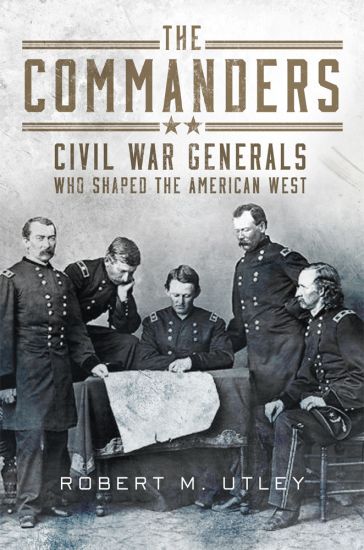
The Commanders

The Commanders

Robert M. Utley

UNIVERSITY OF OKLAHOMA PRESS
2024
nidottu
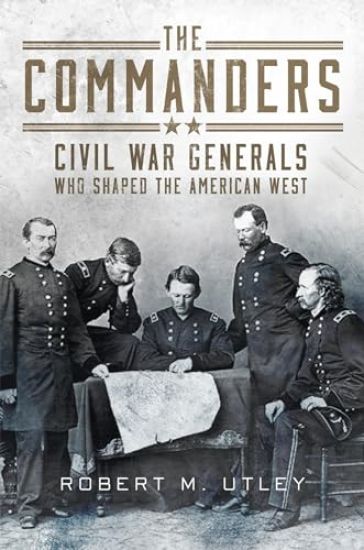
Taking a novel approach to the military history of the post–Civil War West, distinguished historian Robert M. Utley examines the careers of seven military leaders who served as major generals for the Union in the Civil War, then as brigadier generals in command of the U.S. Army’s western departments. By examining both periods in their careers, Utley makes a unique contribution in delineating these commanders’ strengths and weaknesses. While some of the book’s subjects—notably Generals George Crook and Nelson A. Miles—are well known, most are no longer widely remembered. Yet their actions were critical in the expansion of federal control in the West. The commanders effected the final subjugation of American Indian tribal groups, exercising direct oversight of troops in the field as they fought the wars that would bring Indians under military and government control. After introducing readers to postwar army doctrine, organization, and administration, Utley takes each general in turn, describing his background, personality, eccentricities, and command style and presenting the rudiments of the campaigns he prosecuted. Crook embodied the ideal field general, personally leading his troops in their operations, though with varying success. Christopher C. Augur and John Pope, in contrast, preferred to command from their desks in department headquarters, an approach that led both of them to victory on the battlefield. And Miles, while perhaps the frontier army’s most detestable officer, was also its most successful in the field. Rounding out the book with an objective comparison of all eight generals’ performance records, Utley offers keen insights into their influence on the U.S. military as an institution and on the development of the American West.
Custer and Me

Custer and Me

Robert M. Utley

University of Oklahoma Press
2021
nidottu
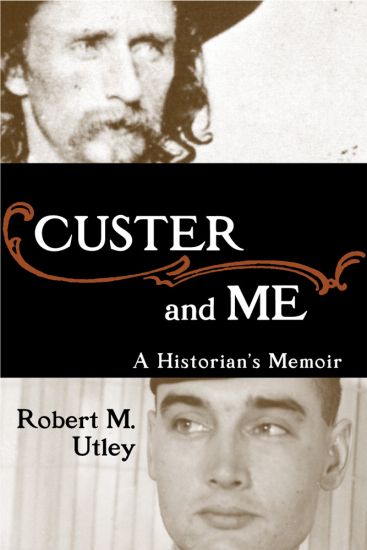
In Custer and Me, renowned western historian and expert on historic preservation, Robert M. Utley, turns his talents to his own life and career. Through lively personal narrative, Utley offers an insider’s view of Park Service workings and problems, both at regional and national levels, during the Eisenhower, Kennedy, Johnson, Nixon, Ford, and Carter administrations. Utley also details the birth of the Western History Association, early national historic-preservation programs, and the many clashes over “symbolic possession” of what is now the Little Bighorn Battlefield National Monument. Readers will discover how a teenager smitten with Custermania came as an adult to appreciate the full complexity of the Battle of the Little Bighorn and its interpretation and to research and write narrative histories of the American West that have appealed to popular audiences while winning highest honors from the scholarly and writing communities.
The Last Sovereigns

The Last Sovereigns

Robert M. Utley

University of Nebraska Press
2020
sidottu
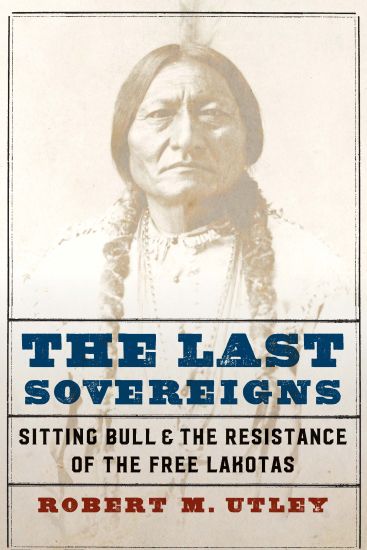
2021 Spur Award Winner for Best Historical Nonfiction from the Western Writers of America True West Magazine's 2020 Best Author and Historical Nonfiction Book of the YearThe Last Sovereigns is the story of how Sioux chief Sitting Bull resisted the white man’s ways as a last best hope for the survival of an indigenous way of life on the Great Plains-a nomadic life based on buffalo and indigenous plants scattered across the Sioux’s historical territories that were sacred to him and his people. Robert M. Utley explores the final four years of Sitting Bull’s life of freedom, from 1877 to 1881. To escape American vengeance for his assumed role in the annihilation of Gen. George Armstrong Custer’s command at the Little Bighorn, Sitting Bull led his Hunkpapa following into Canada. There he and his people interacted with the North-West Mounted Police, in particular Maj. James M. Walsh. The Mounties welcomed the Lakota and permitted them to remain if they promised to abide by the laws and rules of Queen Victoria, the White Mother. But the Canadian government wanted the Indians to return to their homeland and the police made every effort to persuade them to leave. They were aided by the diminishing herds of buffalo on which the Indians relied for sustenance and by the aggressions of Canadian Native groups that also relied on the buffalo. Sitting Bull and his people endured hostility, tragedy, heartache, indecision, uncertainty, and starvation and responded with stubborn resistance to the loss of their freedom and way of life. In the end, starvation doomed their sovereignty. This is their story.
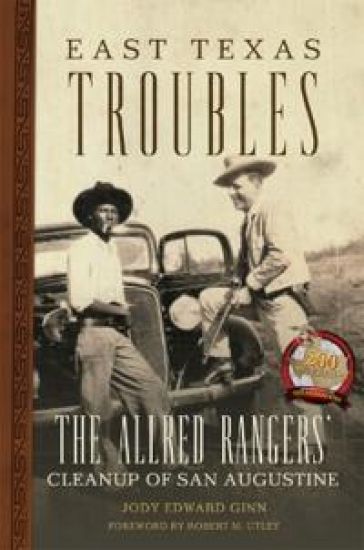
East Texas Troubles

East Texas Troubles

Jody Edward Ginn; Robert M. Utley

University of Oklahoma Press
2020
nidottu
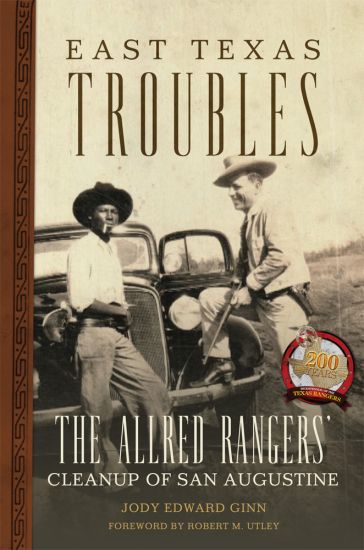
When the gun smoke cleared, four men were found dead at the hardware store in a rural East Texas town. But this December 1934 shootout was no anomaly. San Augustine County had seen at least three others in the previous three years, and these murders in broad daylight were only the latest development in the decade-long rule of the criminal McClanahan-Burleson gang. Armed with handguns, Jim Crow regulations, and corrupt special Ranger commissions from infamous governors 'Ma' and 'Pa' Ferguson, the gang racketeered and bootlegged its way into power in San Augustine County, where it took up robbing and extorting local black sharecroppers as its main activity. After the hardware store shootings, white community leaders, formerly silenced by fear of the gang's retribution, finally sought state intervention. In 1935, fresh-faced, newly elected governor James V. Allred made good on his promise to reform state law enforcement agencies by sending a team of qualified Texas Rangers to San Augustine County to investigate reports of organized crime. In East Texas Troubles, historian Jody Edward Ginn tells of their year-and-a-half-long cleanup of the county, the inaugural effort in Governor Allred's transformation of the Texas Rangers into a professional law enforcement agency. Besides foreshadowing the wholesale reform of state law enforcement, the Allred Rangers' investigative work in San Augustine marked a rare close collaboration between white law enforcement officers and black residents. Drawing on firsthand accounts and the sworn testimony of black and white residents in the resulting trials, Ginn examines the consequences of such cooperation in a region historically entrenched in racial segregation. In this story of a rural Texas community's resurrection, Ginn reveals a multifaceted history of the reform of the Texas Rangers and of an unexpected alliance between the legendary frontier lawmen and black residents of the Jim Crow South.
East Texas Troubles

East Texas Troubles

Jody Edward Ginn; Robert M. Utley

University of Oklahoma Press
2019
sidottu
When the gun smoke cleared, four men were found dead at the hardware store in a rural East Texas town. But this December 1934 shootout was no anomaly. San Augustine County had seen at least three others in the previous three years, and these murders in broad daylight were only the latest development in the decade-long rule of the criminal McClanahan-Burleson gang. Armed with handguns, Jim Crow regulations, and corrupt special Ranger commissions from infamous governors ""Ma"" and ""Pa"" Ferguson, the gang racketeered and bootlegged its way into power in San Augustine County, where it took up robbing and extorting local black sharecroppers as its main activity. After the hardware store shootings, white community leaders, formerly silenced by fear of the gang's retribution, finally sought state intervention. In 1935, fresh-faced, newly elected governor James V. Allred made good on his promise to reform state law enforcement agencies by sending a team of qualified Texas Rangers to San Augustine County to investigate reports of organized crime. In East Texas Troubles, historian Jody Edward Ginn tells of their year-and-a-half-long cleanup of the county, the inaugural effort in Governor Allred's transformation of the Texas Rangers into a professional law enforcement agency. Besides foreshadowing the wholesale reform of state law enforcement, the Allred Rangers' investigative work in San Augustine marked a rare close collaboration between white law enforcement officers and black residents. Drawing on firsthand accounts and the sworn testimony of black and white residents in the resulting trials, Ginn examines the consequences of such cooperation in a region historically entrenched in racial segregation. In this story of a rural Texas community's resurrection, Ginn reveals a multifaceted history of the reform of the Texas Rangers and of an unexpected alliance between the legendary frontier lawmen and black residents of the Jim Crow South.
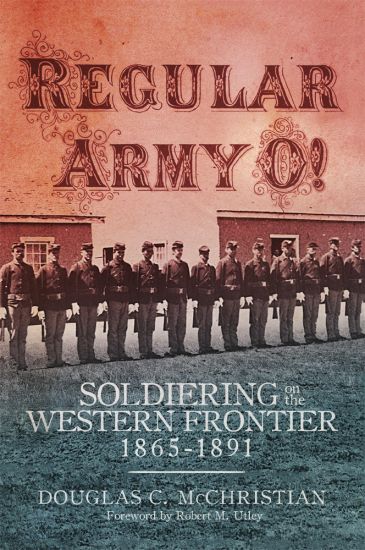
Regular Army O!

Regular Army O!

Douglas C. McChristian; Robert M. Utley

University of Oklahoma Press
2019
nidottu
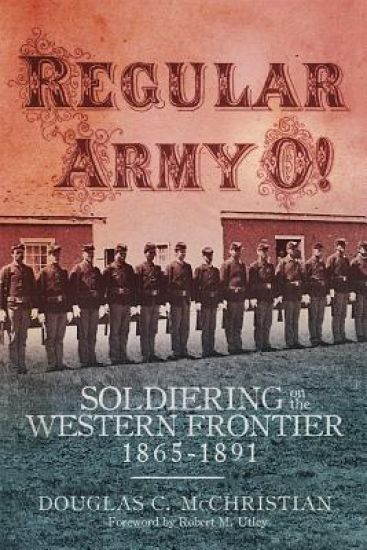
The drums they roll, upon my soul, for that's the way we go,"" runs the chorus in a Harrigan and Hart song from 1874. ""Forty miles a day on beans and hay in the Regular Army O!"" The last three words of that lyric aptly title Douglas C. McChristian's remarkable work capturing the lot of soldiers posted to the West after the Civil War. At once panoramic and intimate, Regular Army O! uses the testimony of enlisted soldiers - drawn from more than 350 diaries, letters, and memoirs - to create a vivid picture of life in an evolving army on the western frontier. After the volunteer troops that had garrisoned western forts and camps during the Civil War were withdrawn in 1865, the regular army replaced them. In actions involving American Indians between 1866 and 1891, 875 of these soldiers were killed, mainly in minor skirmishes, while many more died of disease, accident, or effects of the natural environment. What induced these men to enlist for five years and to embrace the grim prospect of combat is one of the enduring questions this book explores. Going well beyond Don Rickey Jr.'s classic work Forty Miles a Day on Beans and Hay (1963), McChristian plumbs the regulars' accounts for frank descriptions of their training to be soldiers; their daily routines, including what they ate, how they kept clean, and what they did for amusement; the reasons a disproportionate number occasionally deserted, while black soldiers did so only rarely; how the men prepared for field service; and how the majority who survived mustered out. In this richly drawn, uniquely authentic view, men black and white, veteran and tenderfoot, fill in the details of the frontier soldier's experience, giving voice to history in the making.
The Commanders

The Commanders

Robert M. Utley

University of Oklahoma Press
2018
sidottu
Taking a novel approach to the military history of the post-Civil War West, distinguished historian Robert M. Utley examines the careers of seven military leaders who served as major generals for the Union in the Civil War, then as brigadier generals in command of the U.S. Army's western departments. By examining both periods in their careers, Utley makes a unique contribution in delineating these commanders' strengths and weaknesses. While some of the book's subjects - notably Generals George Crook and Nelson A. Miles - are well known, most are no longer widely remembered. Yet their actions were critical in the expansion of federal control in the West. The commanders effected the final subjugation of American Indian tribal groups, exercising direct oversight of troops in the field as they fought the wars that would bring Indians under military and government control. After introducing readers to postwar army doctrine, organization, and administration, Utley takes each general in turn, describing his background, personality, eccentricities, and command style and presenting the rudiments of the campaigns he prosecuted. Crook embodied the ideal field general, personally leading his troops in their operations, though with varying success. Christopher C. Augur and John Pope, in contrast, preferred to command from their desks in department headquarters, an approach that led both of them to victory on the battlefield. And Miles, while perhaps the frontier army's most detestable officer, was also its most successful in the field. Rounding out the book with an objective comparison of all eight generals' performance records, Utley offers keen insights into their influence on the U.S. military as an institution and on the development of the American West.
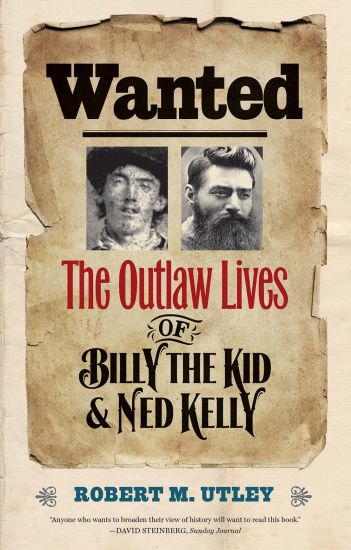
Wanted

Wanted

Robert M. Utley

Yale University Press
2017
pokkari
A renowned biographer compares the lives and times of American outlaw Billy the Kid and his Australian counterpart Ned Kelly The oft-told exploits of Billy the Kid and Ned Kelly survive vividly in the public imaginations of their respective countries, the United States and Australia. But the outlaws’ reputations are so weighted with legend and myth, the truth of their lives has become obscure. In this adventure-filled double biography, Robert M. Utley reveals the true stories and parallel courses of the two notorious contemporaries who lived by the gun, were executed while still in their twenties, and remain compelling figures in the folklore of their homelands. Robert M. Utley draws sharp, insightful portraits of first Billy, then Ned, and compares their lives and legacies. He recounts the adventurous exploits of Billy, a fun-loving, expert sharpshooter who excelled at escape and lived on the run after indictment for his role in the Lincoln Country War. Bush-raised Ned, the son of an Irish convict father and Irish mother, was a man whose outrage against British colonial authority inspired him to steal cattle and sheep, kill three policemen, and rob banks for the benefit of impoverished Irish sympathizers. Utley recounts the exploits of the notorious young men with accuracy and appeal. He discovers their profound differences, despite their shared fates, and illuminates the worlds in which they lived on opposite sides of the globe.
Regular Army O!

Regular Army O!

Douglas C. McChristian; Robert M. Utley

University of Oklahoma Press
2017
sidottu
The drums they roll, upon my soul, for that's the way we go,"" runs the chorus in a Harrigan and Hart song from 1874. ""Forty miles a day on beans and hay in the Regular Army O!"" The last three words of that lyric aptly title Douglas C. McChristian's remarkable work capturing the lot of soldiers posted to the West after the Civil War. At once panoramic and intimate, Regular Army O! uses the testimony of enlisted soldiers - drawn from more than 350 diaries, letters, and memoirs - to create a vivid picture of life in an evolving army on the western frontier. After the volunteer troops that had garrisoned western forts and camps during the Civil War were withdrawn in 1865, the regular army replaced them. In actions involving American Indians between 1866 and 1891, 875 of these soldiers were killed, mainly in minor skirmishes, while many more died of disease, accident, or effects of the natural environment. What induced these men to enlist for five years and to embrace the grim prospect of combat is one of the enduring questions this book explores. Going well beyond Don Rickey Jr.'s classic work Forty Miles a Day on Beans and Hay (1963), McChristian plumbs the regulars' accounts for frank descriptions of their training to be soldiers; their daily routines, including what they ate, how they kept clean, and what they did for amusement; the reasons a disproportionate number occasionally deserted, while black soldiers did so only rarely; how the men prepared for field service; and how the majority who survived mustered out. In this richly drawn, uniquely authentic view, men black and white, veteran and tenderfoot, fill in the details of the frontier soldier's experience, giving voice to history in the making.
Law on the Last Frontier

Law on the Last Frontier

S. E. Spinks; Robert M. Utley

Texas Tech Press,U.S.
2016
nidottu
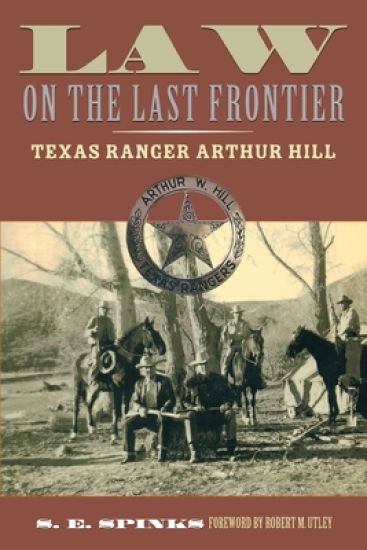
In a career forged in the saddle on scout duty along the Rio Grande, Arthur Hill witnessed dramatic changes from 1947 to 1974. Whether inspecting brands, deterring smugglers of everything from cattle to candelilla wax, or giving chase on horseback across merciless terrain—often into Mexico—Hill found himself immersed in a world that straddled centuries as well as cultures. Promotion to sergeant of Ranger Company B in 1957 took Hill to Dallas, where he brought his brush-country methods to bear on urban crimes. Yet after only a year, and despite the opportunity for advancement to captain, Hill knew his place and heart were back in the Big Bend, where rampant drug trade was altering his beloved border irrevocably from an existence that had remained the same for hundreds of years. From the Lone Star Steel strike, the KKK, and the “Dixie Mafia” to problems of drug-running and illegal immigration, Arthur Hill’s life as a Texas ranger illuminates both the present and the past.
Geronimo

Geronimo

Robert M. Utley

Yale University Press
2013
pokkari
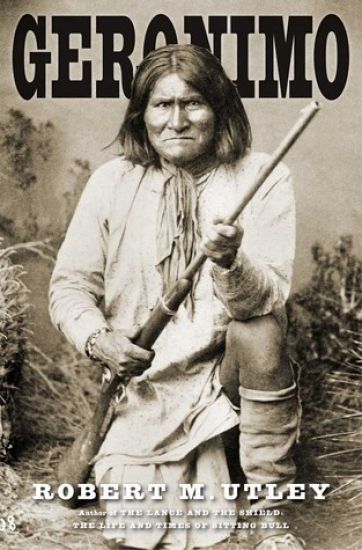
A fast-paced biography of the most famous North American Indian of all time, with new material to reveal the man behind the legend Renowned for ferocity in battle, legendary for an uncanny ability to elude capture, feared for the violence of his vengeful raids, the Apache fighter Geronimo captured the public imagination in his own time and remains a figure of mythical proportion today. This thoroughly researched biography by a renowned historian of the American West strips away the myths and rumors that have long obscured the real Geronimo and presents an authentic portrait of a man with unique strengths and weaknesses and a destiny that swept him into the fierce storms of history.Historian Robert Utley draws on an array of new sources and his own lifelong research on the mountain West and white-Indian conflicts of the late nineteenth century to create an updated, accurate, and highly exciting narrative of Geronimo's life. Utley unfolds the story through the alternating perspectives of whites and Apaches, and he arrives at a more nuanced understanding of Geronimo's character and motivation than ever before. What it was like to be an Apache fighter-in-training, why Indians as well as whites feared Geronimo, how Geronimo maintained his freedom, and why he finally surrendered—the answers to these questions and many more fill the pages of this irresistable volume.
Custer, the Seventh Cavalry, and the Little Big Horn

Custer, the Seventh Cavalry, and the Little Big Horn

Michael F O'Keefe; Robert M. Utley

Arthur H. Clark Company
2012
sidottu
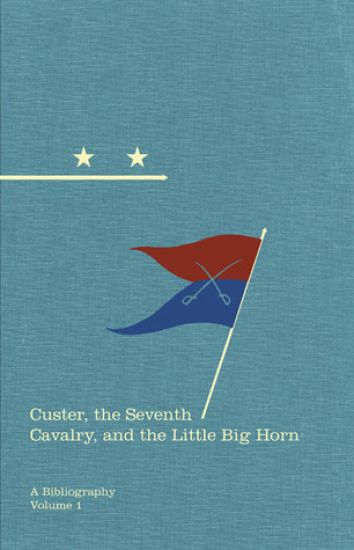
Since the shocking news first broke in 1876 of the Seventh Cavalry's disastrous defeat at the Little Big Horn, fascination with the battle--and with Lieutenant George Armstrong Custer--has never ceased. Widespread interest in the subject has spawned a vast outpouring of literature, which only increases with time. This two-volume bibliography of Custer literature is the first to be published in some twenty-five years and the most complete ever assembled.Drawing on years of research, Michael O'Keefe has compiled entries for roughly 3,000 books and 7,000 articles and pamphlets. Covering both nonfiction and fiction (but not juvenile literature), the bibliography focuses on events beginning with Custer's tenure at West Point during the 1850s and ending with the massacre at Wounded Knee in 1890. Included within this span are Custer's experiences in the Civil War and in Texas, the 1873 Yellowstone and 1874 Black Hills expeditions, the Great Sioux War of 1876-77, and the Seventh Cavalry's pursuit of the Nez Perces in 1877. The literature on Custer, the Battle of the Little Big Horn, and the Seventh Cavalry touches the entire American saga of exploration, conflict, and settlement in the West, including virtually all Plains Indian tribes, the frontier army, railroading, mining, and trading. Hence this bibliography will be a valuable resource for a broad audience of historians, librarians, collectors, and Custer enthusiasts.
Reshaping Our National Parks and Their Guardians

Reshaping Our National Parks and Their Guardians

Kathy Mengak; Robert M. Utley

University of New Mexico Press
2012
sidottu
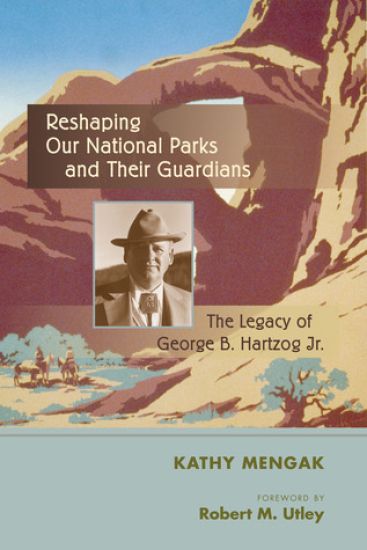
This biography of the seventh director of the National Park Service brings to life one of the most colorful, powerful, and politically astute people to hold this position. George B. Hartzog Jr. served during an exciting and volatile era in American history. Appointed in 1964 by Secretary of the Interior Stewart Udall, he benefited from a rare combination of circumstances that favored his vision, which was congenial with both President Lyndon Johnson's "Great Society" and Udall's robust environmentalism.Hartzog led the largest expansion of the National Park System in history and developed social programs that gave the Service new complexion. During his nine-year tenure, the system grew by seventy-two units totaling 2.7 million acres including not just national parks, but historical and archaeological monuments and sites, recreation areas, seashores, riverways, memorials, and cultural units celebrating minority experiences in America. In addition, Hartzog sought to make national parks relevant and responsive to the nation's changing needs.
Sitting Bull: The Life and Times of an American Patriot
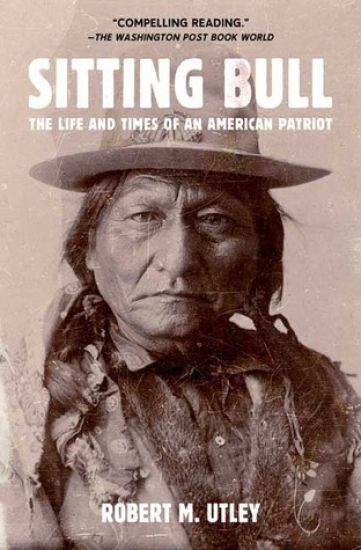
The definitive, New York Times Notable Book and Spur Award-winning biography of the legendary chief and his dramatic role in the history of westward expansion Reviled by the United States government as a troublemaker and a coward, revered by his people as a great warrior chief, Sitting Bull has long been one of the most fascinating and misunderstood figures in American history. Distinguished historian Robert M. Utley has forged a compelling portrait of Sitting Bull, presenting the Lakota perspective for the first time and rendering the most unbiased, historically accurate, and vivid portrait of the man to date. The Sitting Bull who emerges in this fast-paced narrative is a complex, towering figure: a great warrior whose skill and bravery in battle were unparalleled; the spiritual leader of his people; a dignified but ultimately tragically stubborn defender of the traditional ways against the steadfast and unwelcome encroachment of the white man.
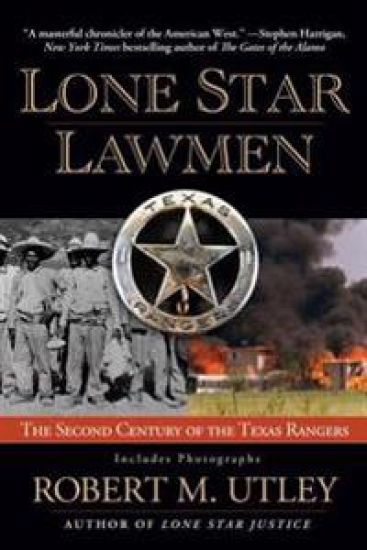
Lone Star Lawmen: The Second Century of the Texas Rangers
Based on unprecedented access to Ranger archives, Lone Star Lawmen chronicles one hundred years of high adventure as told by one of the nation's most respected Western historians. Highlighting the gradual evolution of this celebrated force, Robert M. Utley reveals how the outlaw-pursuing horseback riders of yesteryear became a modern law enforcement agency combating urban crime in Texas's big cities, assisted by the latest advances in forensic science. Modernization didn't mean losing their toughness and independent spirit, however, and Utley predicts how the Rangers will continue to bring justice to the West in the twenty-first century.
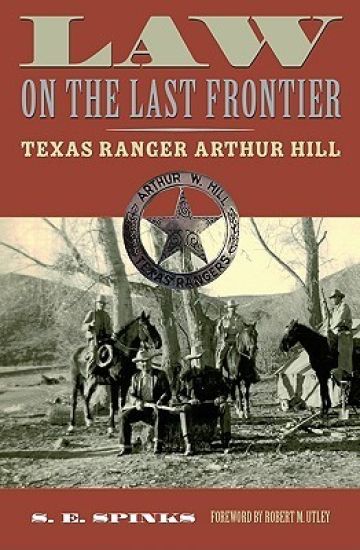
Law on the Last Frontier

Law on the Last Frontier

S.E. Spinks; Robert M. Utley

Texas Tech Press,U.S.
2008
sidottu
In a career forged in the saddle on scout duty along the Rio Grande, Arthur Hill witnessed dramatic changes from 1947 to 1974. Whether inspecting brands, deterring smugglers of everything from cattle to candelilla wax, or giving chase on horseback across merciless terrain - often into Mexico - Hill found himself immersed in a world that straddled centuries as well as cultures. Promotion to sergeant of Ranger Company B in 1957 took Hill to Dallas, where he brought his brush-country methods to bear on urban crimes. Yet after only a year, and despite the opportunity for advancement to captain, Hill knew his place and heart were back in the Big Bend, where rampant drug trade was altering his beloved border irrevocably from an existence that had remained the same for hundreds of years. From the Lone Star Steel strike, the KKK, and the Dixie Mafia to problems of drug-running and illegal immigration, Arthur Hills life as a Texas ranger illuminates present issues as well as the past.