Kirjojen hintavertailu. Mukana 12 657 676 kirjaa ja 12 kauppaa.
Kirjailija
Robert W. Chambers
Kirjat ja teokset yhdessä paikassa: 684 kirjaa, julkaisuja vuosilta 2002-2026, suosituimpien joukossa Keltainen kuningas. Vertaile teosten hintoja ja tarkista saatavuus suomalaisista kirjakaupoista.
"Maailma on täynnä asioita, joita on mahdoton selittää." Robert W. Chambersin vuonna 1895 julkaistua novellikokoelmaa on kuvailtu yliluonnollisen kauhukirjallisuuden klassikoksi. Tarinoiden keskiössä on Keltainen kuningas -niminen kuvitteellinen näytelmä, joka syöksee lukijansa hulluuteen ja epätoivoon mutta saattaa myös sisältää avaimen taiteellisen luomisen mysteeriin. Novellien taiteilijoista ja dekadenteista koostuvat päähenkilöt harhailevat Yhdysvalloissa ja Pariisissa mielessään painostava kysymys: "Oletko löytänyt Keltaisen Merkin?" Chambersin tarinoilla oli myöhemmin suuri vaikutus muiden muassa kulttikirjailija H. P. Lovecraftiin. Kirja nousi yllättäen Yhdysvalloissa myyntilastojen kärkeen keväällä 2014 True Detective -minisarjan ansiosta. Sarja, jossa Keltaisella kuninkaalla on merkittävä rooli, esitetään Suomen televisiossa syksyllä 2014. Robert W. Chambers (1865-1933) oli yhdysvaltalainen kuvittaja ja kirjailija. Hänen kuuluisinta teostaan Keltaista kuningasta pidetään yhtenä amerikkalaisen yliluonnollisen fiktion tärkeimmistä teoksista. Hän kirjoitti myös historiallisia romaaneja, useita romanttisia bestsellereitä, sekä sota- ja seikkailukertomuksia.
Charles Dana Gibson (September 14, 1867 - December 23, 1944) was an American graphic artist, best known for his creation of the Gibson Girl, an iconic representation of the beautiful and independent American woman at the turn of the 20th century. His wife, Irene Langhorne, and her four beautiful sisters, inspired his images. He published his illustrations in Life magazine and other major national publications for more than 30 years, becoming editor in 1918 and later owner of the general interest magazine........ Robert William Chambers (May 26, 1865 - December 16, 1933) was an American artist and fiction writer, best known for his book of short stories entitled The King in Yellow, published in 1895.He was born in Brooklyn, New York, to William P. Chambers (1827-1911), a corporate and bankruptcy lawyer, and Caroline Smith Boughton (1842-1913). His parents met when Caroline was twelve years old and William P. was interning with her father, Joseph Boughton, a prominent corporate lawyer. Eventually the two formed the law firm of Chambers and Boughton which continued to prosper even after Joseph's death in 1861. Robert's great-grandfather, William Chambers (birth unknown), a lieutenant in the British Royal Navy, was married to Amelia Saunders, (1765-1822), the great grand daughter of Tobias Saunders, of Westerly, Rhode Island. The couple moved from Westerly, to Greenfield, Massachusetts and then to Galway, New York, where their son, also William Chambers, (1798-1874) was born. The second William graduated from Union College at the age of 18, and then went to a college in Boston, where he studied to be a doctor. Upon graduating, he and his wife, Eliza P. Allen (1793-1880), a direct descendant of Roger Williams, the founder of Providence, Rhode Island were among the first settlers of Broadalbin, New York. His brother was architect Walter Boughton Chambers. Robert was first educated at the Brooklyn Polytechnic Institute, and then entered the Art Students' League at around the age of twenty, where the artist Charles Dana Gibson was his fellow student. Chambers studied at the cole des Beaux-Arts, and at Acad mie Julian, in Paris from 1886 to 1893, and his work was displayed at the Salon as early as 1889. On his return to New York, he succeeded in selling his illustrations to Life, Truth, and Vogue magazines. Then, for reasons unclear, he devoted his time to writing, producing his first novel, In the Quarter (written in 1887 in Munich). His most famous, and perhaps most meritorious, effort is The King in Yellow, a collection of Art Nouveau short stories published in 1895. This included several famous weird short stories which are connected by the theme of a fictitious drama of the same title, which drives those who read it insane.E. F. Bleiler described The King in Yellow as one of the most important works of American supernatural fiction.It was also strongly admired by H. P. Lovecraft and his circle. Chambers returned to the weird genre in his later short story collections The Maker of Moons, The Mystery of Choice and The Tree of Heaven, but none earned him as much success as The King in Yellow. Some of Chambers's work contains elements of science fiction, such as In Search of the Unknown and Police , about a zoologist who encounters monsters. Chambers later turned to writing romantic fiction to earn a living. According to some estimates, Chambers had one of the most successful literary careers of his period, his later novels selling well and a handful achieving best-seller status. Many of his works were also serialized in magazines....
Joseph Sheridan Le Fanu; Charles Dickens; Guy de Maupassant; Robert W Chambers; Edith Nesbit; Fitz-James O'Brien; Arthur Conan Doyle; Barry Pain; Louisa May Alcott; Mary Elizabeth Braddon; Jean Richepin; Maurice Level; Georges Rodenbach; Gustav Nicolai
Han förde mig in i den gröna vagnen. "Ni kommer att få se besynnerliga saker", sade den gamle. Vid dessa ord upplystes rummet av ett klart men blodigt sken. Stödda mot väggarna stod hela rader av lik, gula, hemska, vanställda. Några gapskrattade, andra vred sig i dödsryckningar; några var nakna, andra i rika dräkter. Halvnakna häxor red på bockskelett, fasliga gnomer hakade sig fast i väggarna; över deras huvudskallar skakade en vampyr sina fantastiska vingar. Hela denna vidunderliga värld av orörliga och döda skuggbilder såg ut att vilja skrika och flyga. Ihåliga munnar och tomma ögongropar brann som om blodflammor rann i deras ådror. "Nog!" skrek jag. "Nog, för guds skull!" 30 klassiska rysare samlas här i en antologi fullmatad med fasor, övernaturliga mysterier och gravlika stämningar. Skräckens klassiker samsas sida vid sida med nyupptäckta häxmästare. Och inga av dessa noveller har översatts till svenska i modern tid -- allt kommer att vara lika fräscht och nytt för läsaren som en exklusiv, vällagrad mögelost!
Artist Louis "Kelly" Neville is already famous, but finds greatness easier to talk about than achieve. Chance conversation with the model for his new project leads him to put his theories about creativity, society, and love to the test, and he finds that other people have their own ideas about how all of these should go, from his closest friends and rivals to the woman who warms his heart. Indeed, love itself may cost him everything, including his artistic inspiration. Is he willing to pay the price? And even if he is, "can" he? .... Robert William Chambers (May 26, 1865 - December 16, 1933) was an American artist and fiction writer, best known for his book of short stories entitled The King in Yellow, published in 1895.He was born in Brooklyn, New York, to William P. Chambers (1827-1911), a corporate and bankruptcy lawyer, and Caroline Smith Boughton (1842-1913). His parents met when Caroline was twelve years old and William P. was interning with her father, Joseph Boughton, a prominent corporate lawyer. Eventually the two formed the law firm of Chambers and Boughton which continued to prosper even after Joseph's death in 1861. Robert's great-grandfather, William Chambers (birth unknown), a lieutenant in the British Royal Navy, was married to Amelia Saunders, (1765-1822), the great grand daughter of Tobias Saunders, of Westerly, Rhode Island. The couple moved from Westerly, to Greenfield, Massachusetts and then to Galway, New York, where their son, also William Chambers, (1798-1874) was born. The second William graduated from Union College at the age of 18, and then went to a college in Boston, where he studied to be a doctor. Upon graduating, he and his wife, Eliza P. Allen (1793-1880), a direct descendant of Roger Williams, the founder of Providence, Rhode Island were among the first settlers of Broadalbin, New York. His brother was architect Walter Boughton Chambers. Robert was first educated at the Brooklyn Polytechnic Institute, and then entered the Art Students' League at around the age of twenty, where the artist Charles Dana Gibson was his fellow student. Chambers studied at the cole des Beaux-Arts, and at Acad mie Julian, in Paris from 1886 to 1893, and his work was displayed at the Salon as early as 1889. On his return to New York, he succeeded in selling his illustrations to Life, Truth, and Vogue magazines. Then, for reasons unclear, he devoted his time to writing, producing his first novel, In the Quarter (written in 1887 in Munich). His most famous, and perhaps most meritorious, effort is The King in Yellow, a collection of Art Nouveau short stories published in 1895. This included several famous weird short stories which are connected by the theme of a fictitious drama of the same title, which drives those who read it insane.E. F. Bleiler described The King in Yellow as one of the most important works of American supernatural fiction.It was also strongly admired by H. P. Lovecraft and his circle..... Charles Dana Gibson (September 14, 1867 - December 23, 1944) was an American graphic artist, best known for his creation of the Gibson Girl, an iconic representation of the beautiful and independent American woman at the turn of the 20th century. His wife, Irene Langhorne, and her four beautiful sisters, inspired his images. He published his illustrations in Life magazine and other major national publications for more than 30 years, becoming editor in 1918 and later owner of the general interest magazine........
Charles Dana Gibson (September 14, 1867 - December 23, 1944) was an American graphic artist, best known for his creation of the Gibson Girl, an iconic representation of the beautiful and independent American woman at the turn of the 20th century. His wife, Irene Langhorne, and her four beautiful sisters, inspired his images. He published his illustrations in Life magazine and other major national publications for more than 30 years, becoming editor in 1918 and later owner of the general interest magazine.... Robert William Chambers (May 26, 1865 - December 16, 1933) was an American artist and fiction writer, best known for his book of short stories entitled The King in Yellow, published in 1895.He was born in Brooklyn, New York, to William P. Chambers (1827-1911), a corporate and bankruptcy lawyer, and Caroline Smith Boughton (1842-1913). His parents met when Caroline was twelve years old and William P. was interning with her father, Joseph Boughton, a prominent corporate lawyer. Eventually the two formed the law firm of Chambers and Boughton which continued to prosper even after Joseph's death in 1861. Robert's great-grandfather, William Chambers (birth unknown), a lieutenant in the British Royal Navy, was married to Amelia Saunders, (1765-1822), the great grand daughter of Tobias Saunders, of Westerly, Rhode Island. The couple moved from Westerly, to Greenfield, Massachusetts and then to Galway, New York, where their son, also William Chambers, (1798-1874) was born. The second William graduated from Union College at the age of 18, and then went to a college in Boston, where he studied to be a doctor. Upon graduating, he and his wife, Eliza P. Allen (1793-1880), a direct descendant of Roger Williams, the founder of Providence, Rhode Island were among the first settlers of Broadalbin, New York. His brother was architect Walter Boughton Chambers. Robert was first educated at the Brooklyn Polytechnic Institute, and then entered the Art Students' League at around the age of twenty, where the artist Charles Dana Gibson was his fellow student. Chambers studied at the cole des Beaux-Arts, and at Acad mie Julian, in Paris from 1886 to 1893, and his work was displayed at the Salon as early as 1889. On his return to New York, he succeeded in selling his illustrations to Life, Truth, and Vogue magazines. Then, for reasons unclear, he devoted his time to writing, producing his first novel, In the Quarter (written in 1887 in Munich). His most famous, and perhaps most meritorious, effort is The King in Yellow, a collection of Art Nouveau short stories published in 1895. This included several famous weird short stories which are connected by the theme of a fictitious drama of the same title, which drives those who read it insane.E. F. Bleiler described The King in Yellow as one of the most important works of American supernatural fiction.It was also strongly admired by H. P. Lovecraft and his circle. Chambers returned to the weird genre in his later short story collections The Maker of Moons, The Mystery of Choice and The Tree of Heaven, but none earned him as much success as The King in Yellow. Some of Chambers's work contains elements of science fiction, such as In Search of the Unknown and Police , about a zoologist who encounters monsters. Chambers later turned to writing romantic fiction to earn a living. According to some estimates, Chambers had one of the most successful literary careers of his period, his later novels selling well and a handful achieving best-seller status. Many of his works were also serialized in magazines. His novel The Man They Hanged was about Captain Kidd, and argued that Kidd was not a pirate, and had been made a scapegoat by the British government.......
Robert William Chambers (May 26, 1865 - December 16, 1933) was an American artist and fiction writer, best known for his book of short stories entitled The King in Yellow, published in 1895.He was born in Brooklyn, New York, to William P. Chambers (1827-1911), a corporate and bankruptcy lawyer, and Caroline Smith Boughton (1842-1913). His parents met when Caroline was twelve years old and William P. was interning with her father, Joseph Boughton, a prominent corporate lawyer. Eventually the two formed the law firm of Chambers and Boughton which continued to prosper even after Joseph's death in 1861. Robert's great-grandfather, William Chambers (birth unknown), a lieutenant in the British Royal Navy, was married to Amelia Saunders, (1765-1822), the great grand daughter of Tobias Saunders, of Westerly, Rhode Island. The couple moved from Westerly, to Greenfield, Massachusetts and then to Galway, New York, where their son, also William Chambers, (1798-1874) was born. The second William graduated from Union College at the age of 18, and then went to a college in Boston, where he studied to be a doctor. Upon graduating, he and his wife, Eliza P. Allen (1793-1880), a direct descendant of Roger Williams, the founder of Providence, Rhode Island were among the first settlers of Broadalbin, New York. His brother was architect Walter Boughton Chambers. Robert was first educated at the Brooklyn Polytechnic Institute, and then entered the Art Students' League at around the age of twenty, where the artist Charles Dana Gibson was his fellow student. Chambers studied at the cole des Beaux-Arts, and at Acad mie Julian, in Paris from 1886 to 1893, and his work was displayed at the Salon as early as 1889. On his return to New York, he succeeded in selling his illustrations to Life, Truth, and Vogue magazines. Then, for reasons unclear, he devoted his time to writing, producing his first novel, In the Quarter (written in 1887 in Munich). His most famous, and perhaps most meritorious, effort is The King in Yellow, a collection of Art Nouveau short stories published in 1895. This included several famous weird short stories which are connected by the theme of a fictitious drama of the same title, which drives those who read it insane.E. F. Bleiler described The King in Yellow as one of the most important works of American supernatural fiction.It was also strongly admired by H. P. Lovecraft and his circle. Charles Dana Gibson (September 14, 1867 - December 23, 1944) was an American graphic artist, best known for his creation of the Gibson Girl, an iconic representation of the beautiful and independent American woman at the turn of the 20th century. His wife, Irene Langhorne, and her four beautiful sisters, inspired his images. He published his illustrations in Life magazine and other major national publications for more than 30 years, becoming editor in 1918 and later owner of the general interest magazine.
Robert William Chambers (May 26, 1865 - December 16, 1933) was an American artist and fiction writer, best known for his book of short stories entitled The King in Yellow, published in 1895.He was born in Brooklyn, New York, to William P. Chambers (1827-1911), a corporate and bankruptcy lawyer, and Caroline Smith Boughton (1842-1913). His parents met when Caroline was twelve years old and William P. was interning with her father, Joseph Boughton, a prominent corporate lawyer. Eventually the two formed the law firm of Chambers and Boughton which continued to prosper even after Joseph's death in 1861. Robert's great-grandfather, William Chambers (birth unknown), a lieutenant in the British Royal Navy, was married to Amelia Saunders, (1765-1822), the great grand daughter of Tobias Saunders, of Westerly, Rhode Island. The couple moved from Westerly, to Greenfield, Massachusetts and then to Galway, New York, where their son, also William Chambers, (1798-1874) was born. The second William graduated from Union College at the age of 18, and then went to a college in Boston, where he studied to be a doctor. Upon graduating, he and his wife, Eliza P. Allen (1793-1880), a direct descendant of Roger Williams, the founder of Providence, Rhode Island were among the first settlers of Broadalbin, New York. His brother was architect Walter Boughton Chambers. Robert was first educated at the Brooklyn Polytechnic Institute, and then entered the Art Students' League at around the age of twenty, where the artist Charles Dana Gibson was his fellow student. Chambers studied at the cole des Beaux-Arts, and at Acad mie Julian, in Paris from 1886 to 1893, and his work was displayed at the Salon as early as 1889. On his return to New York, he succeeded in selling his illustrations to Life, Truth, and Vogue magazines. Then, for reasons unclear, he devoted his time to writing, producing his first novel, In the Quarter (written in 1887 in Munich). His most famous, and perhaps most meritorious, effort is The King in Yellow, a collection of Art Nouveau short stories published in 1895. This included several famous weird short stories which are connected by the theme of a fictitious drama of the same title, which drives those who read it insane.E. F. Bleiler described The King in Yellow as one of the most important works of American supernatural fiction.It was also strongly admired by H. P. Lovecraft and his circle. Chambers returned to the weird genre in his later short story collections The Maker of Moons, The Mystery of Choice and The Tree of Heaven, but none earned him as much success as The King in Yellow. Some of Chambers's work contains elements of science fiction, such as In Search of the Unknown and Police , about a zoologist who encounters monsters. Chambers later turned to writing romantic fiction to earn a living. According to some estimates, Chambers had one of the most successful literary careers of his period, his later novels selling well and a handful achieving best-seller status. Many of his works were also serialized in magazines. His novel The Man They Hanged was about Captain Kidd, and argued that Kidd was not a pirate, and had been made a scapegoat by the British government.During World War I he wrote war adventure novels and war stories, some of which showed a strong return to his old weird style, such as "Marooned" in Barbarians (1917). After 1924 he devoted himself solely to writing historical fiction......... Charles Dana Gibson (September 14, 1867 - December 23, 1944) was an American graphic artist, best known for his creation of the Gibson Girl, an iconic representation of the beautiful and independent American woman at the turn of the 20th century. His wife, Irene Langhorne, and her four beautiful sisters, inspired his images.

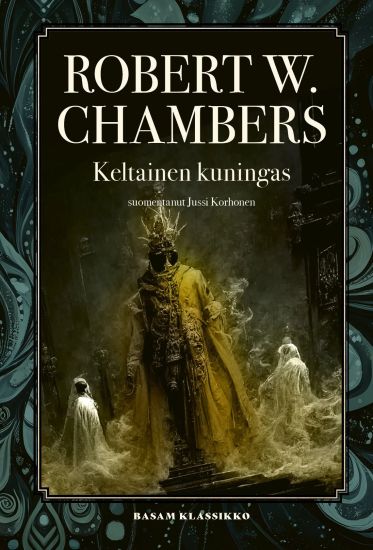






![The streets of Ascalon; episodes in the unfinished career of Richard Quarren, esq[ui]re. By: Robert W. Chambers: illustrated By: Charles Dana Gibson (](/covers/9781541139015.jpg)