

Kirjailija
Rolf Arnold
Kirjat ja teokset yhdessä paikassa: 37 kirjaa, julkaisuja vuosilta 1992-2026, suosituimpien joukossa Erwachsen hat ein s zu viel. Vertaile teosten hintoja ja tarkista saatavuus suomalaisista kirjakaupoista.
37 kirjaa
Kirjojen julkaisuhaarukka 1992-2026.
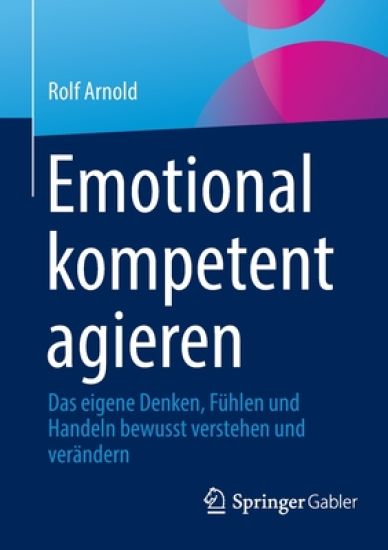
Emotional kompetent agieren
Rolf Arnold
Springer-Verlag Berlin and Heidelberg GmbH Co. KG
2022
nidottu
?Dieses Buch beschreibt mit dem Modus des Agil-Seins („Being agile“) eine Form des geübten Umgangs mit sich selbst und anderen, der uns dazu verhelfen kann, zu werden, wer wir eigentlich sind. Das Konzept „Being agile“ verhilft insbesondere Führungskräften zu einer Persönlichkeitsentwicklung, die sie zu sich selbst kommen lässt. Es zeigt auf, welche Konsequenzen sich aus der Analyse und der nachhaltigen Transformation des eigenen Denkens, Fühlens und Handelns ergeben. Dabei (er)finden wir uns selbst und ermöglichen uns einen professionellen Umgang mit uns selbst und anderen. Dies schafft auch die Voraussetzungen dafür, dass unser Gegenüber so in Erscheinung treten kann, wie es gemeint ist oder sich selbst meint. Lassen Sie sich ermutigen, sich von alten Mustern zu lösen und zu wirksamen Formen der Kooperation und Kommunikation vorzustoßen.

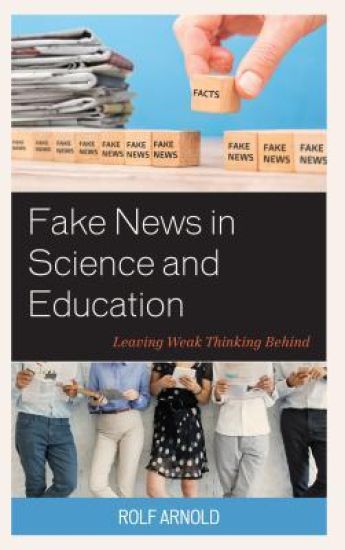
The debate over the facts is in full swing. Many people do not merely invent facts, but also feel the need to spread them. The lies and fake news that serve the cause of populism is rightly appalling. Deliberate disinformation has become a means of controlling politics and public opinion. The purpose of this book is to oppose this up-and-coming phenomenon of “weak thought.” It is a passionate plea for a new Age of Enlightenment. Scientists tend to be much more skeptical about “truths”. In the process of formulating evidenced-based reasoning, undisputed facts are not deliberately hidden, but put forwards for open debate. The free expression of opinion, a free press, and the freedom of research and teaching guarantee the discussion and debate needed to argue the factual evidence in a democracy. The effectiveness of education is an important issue to consider. Learning has always been a way to deal with uncertainty. An important aspect of education in our modern world is about preparing learners to deal with change. It is a kind of preparation for the insecurity of not knowing what is coming and an openness that threatens to withdraw the proven and the validated.
The debate over the facts is in full swing. Many people do not merely invent facts, but also feel the need to spread them. The lies and fake news that serve the cause of populism is rightly appalling. Deliberate disinformation has become a means of controlling politics and public opinion. The purpose of this book is to oppose this up-and-coming phenomenon of “weak thought.” It is a passionate plea for a new Age of Enlightenment. Scientists tend to be much more skeptical about “truths”. In the process of formulating evidenced-based reasoning, undisputed facts are not deliberately hidden, but put forwards for open debate. The free expression of opinion, a free press, and the freedom of research and teaching guarantee the discussion and debate needed to argue the factual evidence in a democracy. The effectiveness of education is an important issue to consider. Learning has always been a way to deal with uncertainty. An important aspect of education in our modern world is about preparing learners to deal with change. It is a kind of preparation for the insecurity of not knowing what is coming and an openness that threatens to withdraw the proven and the validated.
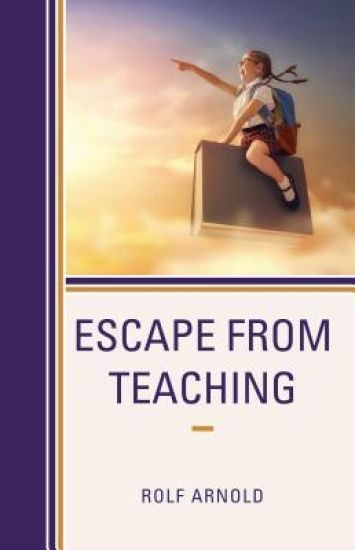
This text is a call to action. The title Escape from Teaching may sound a bit like an imperative. However, much of the recent findings from educational and brain research, especially regarding the potential benefits of informal and self-structured learning, are never realized in educational practice. It is time to ask: What did we really learn from all those years that we spent in instructional and often insulting contexts? What have we got to show from our formal education and what can we become as a result of this experience? What do we forget in such contexts and did it deprive us of our self-confidence and self-structuring skills? What consequences are associated with seeking and testing can equip us with permanent skills and abilities? How could educational institutions change to become places for successful self-directed skills development? And, how can we, as individuals and as a society, develop the potential that rests within us all?

?In diesem Buch erfahren Führungskräfte und Berufscoaches, wie sie betriebliche Lern-, Kooperations- und Führungsstrukturen transformieren und die Kompetenzentwicklung der Organisation vom einzelnen Mitarbeiter aufwärts optimieren können. Im Fokus steht das proaktive und eigenständige Erkennen, Formen und Fördern von geistigen, sozialen und persönlichen Potenzialen, die für die Entstehung eines kompetenten Unternehmens essentiell sind.Denn lebenslanges Lernen ist das Motto unserer Zeit. Es gilt nicht nur für die einzelne Person, sondern auch für Organisationen. Unternehmen, die beständig und erfolgreich bleiben möchten, müssen sich zu lernenden Unternehmen entwickeln. Personalverantwortliche können daher nicht länger nur punktuell Verantwortung für Weiterbildungsmaßnahmen übernehmen, sondern müssen ständige Bildungsbegleiter der Mitarbeiter und Planer von Personalentwicklungsstrategien werden. Dieses Buch zeigt die erforderlichen Maßnahmen hierfür auf.
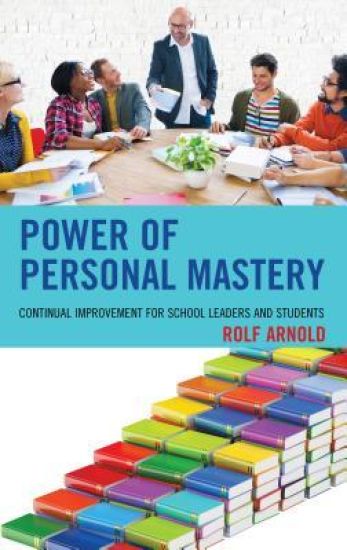
This is a book about personal mastery for school leaders and their students. It references an ongoing concern about reflection in learning, education, and human development. Innumerable ideas and concepts about this have been advanced in the past; most claim more than they can deliver. The notes and reflections on personal mastery presented here are not intended to be yet another version of such traditional treatments. Rather, this book looks at personal mastery from a new perspective and considers it as the result of self-empowered education and practice.
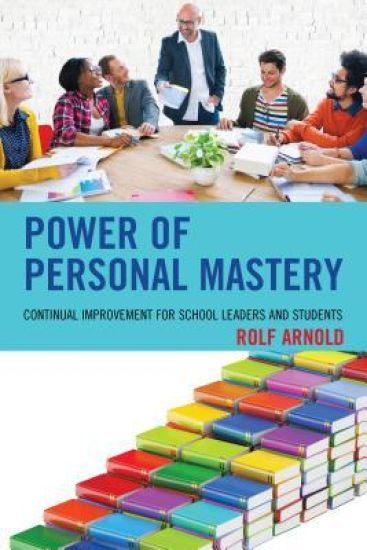
This is a book about personal mastery for school leaders and their students. It references an ongoing concern about reflection in learning, education, and human development. Innumerable ideas and concepts about this have been advanced in the past; most claim more than they can deliver. The notes and reflections on personal mastery presented here are not intended to be yet another version of such traditional treatments. Rather, this book looks at personal mastery from a new perspective and considers it as the result of self-empowered education and practice.
