Kirjojen hintavertailu. Mukana 12 390 323 kirjaa ja 12 kauppaa.
Kirjailija
Sareen Duseja
Kirjat ja teokset yhdessä paikassa: 89 kirjaa, julkaisuja vuosilta 2019-2026, suosituimpien joukossa Digital Scanning in Prosthodontics. Vertaile teosten hintoja ja tarkista saatavuus suomalaisista kirjakaupoista.
Temporomandibular joint (TMJ) and mandibular anatomy and function have long been topics of great interest to dental scientists and clinicians. Temporomandibular joints are load bearing and susceptible to overload. Temporomandibular disorders (TMD) are a collective term embracing a number of clinical problems that involve the masticatory musculature, the temporomandibular joints and associated structures, or both.The treatment must be based on a correct diagnosis, established from information on possible etiologic factors, signs and symptoms of each patient. The clinical protocol for TMD patients varies according to the level of damage of muscle and TMJ structures, clinical symptoms and duration of the problem.
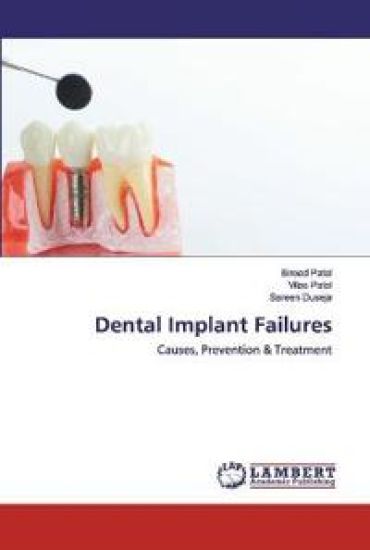
Dental implant failure has led to continuous innovations of various implants systems and to different interceptive treatment modalities. These concerns have also led to selection of implant designs that best suit the various types of bone. There are a variety of reasons for the failure of endosseous implants. Different reasons for the implant failure and their contributing factors have been discussed. The various studies done on each of these failures and how to prevent these failures have been discussed too. Failure of implants has a multifactorial dimension. Often many factors come together to cause the ultimate failure of the implant. One needs to identify the cause not just to treat the present condition but also as a learning experience for future treatments. Proper data collection, patient feedback, and accurate diagnostic tool will help point out the reason for failure. An early intervention is always possible if regular check-ups are undertaken.
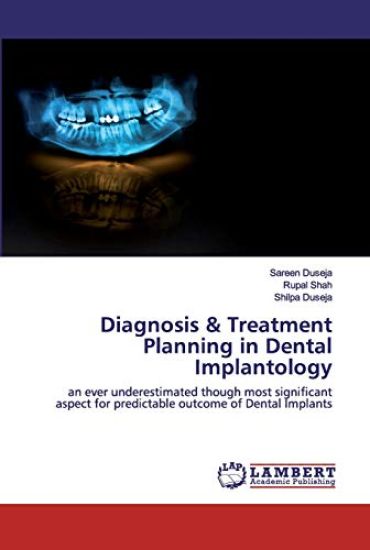
Dental Implants have been used in a variety of different forms for many years. Since the mid-twentieth century, there has been an increase in interest in the implant process for the replacement of missing teeth. Branemark applied scientifically based research techniques to develop an endosseous implant that forms an immobile connection with bone. Patient selection is critical to achieve success. Appropriate implant use ensures the achievement of predictable success for the procedure. When considering implant applications, the use of all appropriate diagnostic data is imperative. Physical and emotional health must be optimal to enhance the placement of a foreign body into bone. Medical consultations are use to determine any systemic problems that may interfere with healing or with the patient's ability to accept the proposed treatment and maintain adequate oral hygiene. Radiographic evaluation must be thorough and appropriate. The routine use of sophisticated radiographic techniques, such as CT, is no better than the underuse of standard less elaborate techniques. Articulated diagnostic casts and surgical guides are invaluable in such a determination.