
Kirjailija
Stephen Greenblatt
Kirjat ja teokset yhdessä paikassa: 47 kirjaa, julkaisuja vuosilta 1990-2026, suosituimpien joukossa Dunkle Renaissance. Vertaile teosten hintoja ja tarkista saatavuus suomalaisista kirjakaupoista.
47 kirjaa
Kirjojen julkaisuhaarukka 1990-2026.

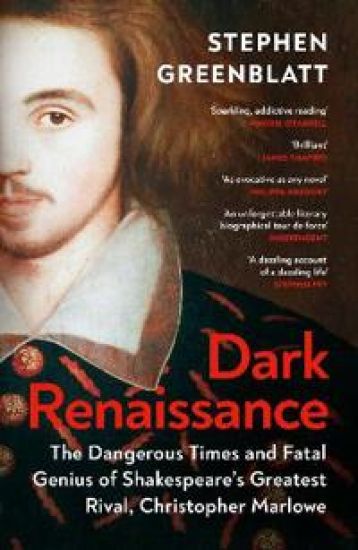
Dark Renaissance: The Dangerous Times and Fatal Genius of Shakespeare's Greatest Rival
Stephen Greenblatt
W. W. Norton Company
2026
nidottu

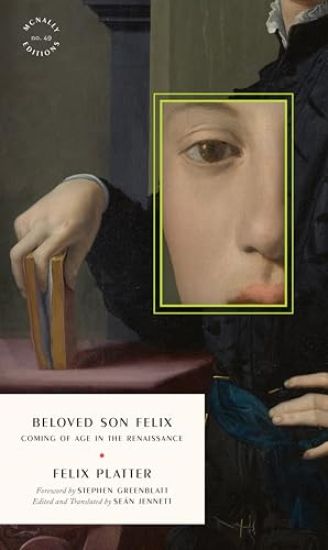
The exceptionally vivid, rare, and revealing journals of a 16th-century medical student. In 1552, at the age of sixteen, Felix Platter left his home in Basel, Switzerland, and journeyed 370 miles to Montpelier, in the south of France. There he spent the next five years studying to become a physician. It was an extraordinary education—and not only in medicine. A Protestant in a Catholic kingdom, Felix witnessed blood-chilling executions and engaged in secret religious discussions with his landlord, a Marrano Jew. He also learned to play the lute, tasted olive oil for the first time, and had his first swim in the sea. He flirted and danced; he got his spur tangled in a lady's skirt; he fled from highwaymen; he saw John Calvin preach; he survived an outbreak of the bubonic plague; he joined in a massive, orange-throwing food fight; he got a dog; and he spent one Christmas Eve alone and afraid of the dark. Most astonishing of all, he wrote it all down. The notes that Felix Platter kept on his day-to-day life are unique in European history. A century before the modern, Western novel was invented, Beloved Son Felix captures the texture of Renaissance life, and a Renaissance youth, from the inside. As Stephen Greenblatt observes in his introduction, “Keeping diaries and writing autobiographies did not become a widespread practice until the mid-seventeenth century. But it is not merely the relative paucity of such documents from earlier periods that makes Platter's journal so unusual. It is its vividness, intimacy, candor, and charm that confer upon it an altogether rare and revealing character.”
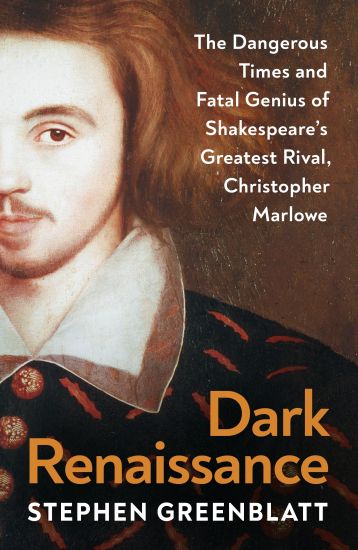
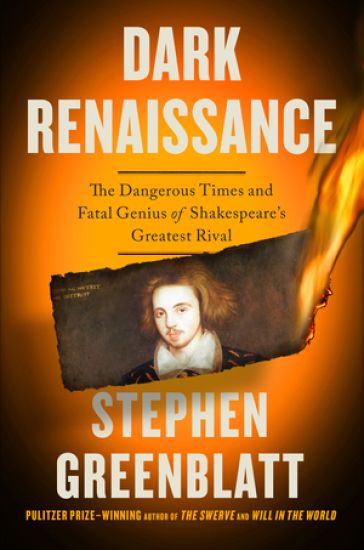
Poor boy. Dark star. Spy. Transgressor. Genius. The Pulitzer Prize-winning author of Will in the World reveals the daring and subversive life of Christopher Marlowe – Shakespeare’s contemporary, inspiration, and rival.’A rigorous and sparkling exploration of what makes an artist …. Essential and addictive reading’ MAGGIE O'FARRELLIn brutally repressive Elizabethan England, artists are frightened into dull conventionality; foreigners are suspect; popular entertainment largely consists of coarse spectacles, animal fights, and hangings. Into this crude world comes an ambitious cobbler’s son from Canterbury with an uncanny ear for Latin poetry – a torment for most schoolboys, yet for a few, a secret portal to beauty, visionary imagination, transgressive desire, and dangerous scepticism.What Christopher Marlowe finds on the other side of that door, and what he does with it, brings about a spectacular explosion of English literature, language, and culture, enabling the success of his collaborator and rival, William Shakespeare.With propulsive narrative flair and brilliant literary criticism, Stephen Greenblatt reconstructs the youthful involvement with the queen’s spy service that shaped Marlowe’s brief, troubling life and gave us his Tamburlaine and Faustus – dramatic masterpieces on power and its costs. And with detailed historical insight, Greenblatt explores how the people Marlowe knew, and the transformations they wrought, birthed the economic, scientific, and cultural power of the modern world – involving Faustian bargains with which we reckon still.
Dark Renaissance: The Dangerous Times and Fatal Genius of Shakespeare's Greatest Rival
Stephen Greenblatt
W. W. Norton Company
2025
sidottu
In repressive Elizabethan England, artists are frightened into dull conventionality; foreigners are suspect; popular entertainment largely consists of coarse spectacles, animal fights, and hangings. Into this crude world of government censorship and religious authoritarianism comes an ambitious cobbler's son from Canterbury with a daring desire to be known--and an uncanny ear for Latin poetry. A torment for most schoolboys, yet for a few, like Christopher Marlowe, a secret portal to beauty, visionary imagination, transgressive desire, and dangerous skepticism.What Marlowe seizes in his rare opportunity for a classical education, and what he does with it, brings about a spectacular explosion of English literature, language, and culture. His astonishing literary success will, in turn, nourish the talent of a collaborator and rival, William Shakespeare. Dark Renaissance illuminates both Marlowe's times and the origins and significance of his work--from his erotic translations of Ovid to his portrayal of unfettered ambition in a triumphant Tamburlaine to Doctor Faustus, his unforgettable masterpiece about making a pact with the devil in exchange for knowledge. Introducing us to Marlowe's transgressive genius in the form of a thrilling page-turner, Stephen Greenblatt brings a penetrating understanding of the literary work to reveal the inner world of the author, bringing to life a homosexual atheist who was tormented by his own compromises, who refused to toe the party line, and who was murdered just when he had found love. Meanwhile, he explores how the people Marlowe knew, and the transformations they wrought, gave birth to the economic, scientific, and cultural power of the modern world including Faustian bargains with which we reckon still.
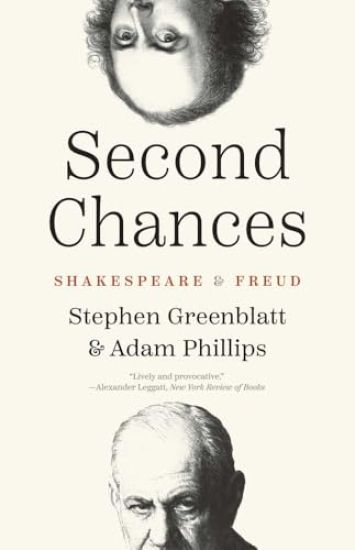
A powerful exploration of the human capacity for renewal, as seen through Shakespeare and Freud “A compellingly readable and intelligent book. . . . Both authors write with impressive energy.”—Rowan Williams, New Statesman In this fresh investigation, Stephen Greenblatt and Adam Phillips explore how the second chance has been an essential feature of the literary imagination and a promise so central to our existence that we try to reproduce it again and again. Innumerable stories, from the Homeric epics to the New Testament, and from Oedipus Rex to Hamlet, explore the realization or failure of second chances—outcomes that depend on accident, acts of will, or fate. Such stories let us repeatedly rehearse the experience of loss and recovery: to know the joy that comes with a renewal of love and pleasure and to face the pain that comes with realizing that some damage can never be undone. Through a series of illuminating readings, the authors show how Shakespeare was the supreme virtuoso of the second chance and Freud was its supreme interpreter. Both Shakespeare and Freud believed that we can narrate our life stories as tales of transformation, of momentous shifts, constrained by time and place but often still possible. Ranging from The Comedy of Errors to The Winter’s Tale, and from D. W. Winnicott to Marcel Proust, the authors challenge readers to imagine how, as Phillips writes, “it is the mending that matters.”

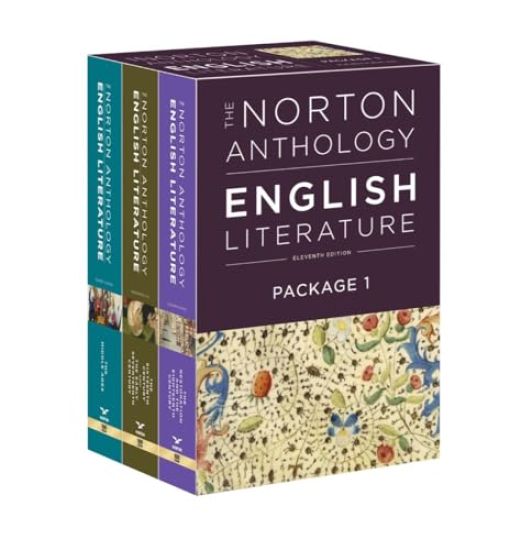
The Norton Anthology of English Literature
Stephen Greenblatt; James Simpson; Julie Orlemanski
W W Norton Co Inc
2024
pokkari
A powerful exploration of the human capacity for renewal, as seen through Shakespeare and Freud “A compellingly readable and intelligent book. . . . Both authors write with impressive energy.”—Rowan Williams, New Statesman In this fresh investigation, Stephen Greenblatt and Adam Phillips explore how the second chance has been an essential feature of the literary imagination and a promise so central to our existence that we try to reproduce it again and again. Innumerable stories, from the Homeric epics to the New Testament, and from Oedipus Rex to Hamlet, explore the realization or failure of second chances—outcomes that depend on accident, acts of will, or fate. Such stories let us repeatedly rehearse the experience of loss and recovery: to know the joy that comes with a renewal of love and pleasure and to face the pain that comes with realizing that some damage can never be undone. Through a series of illuminating readings, the authors show how Shakespeare was the supreme virtuoso of the second chance and Freud was its supreme interpreter. Both Shakespeare and Freud believed that we can narrate our life stories as tales of transformation, of momentous shifts, constrained by time and place but often still possible. Ranging from The Comedy of Errors to The Winter’s Tale, and from D. W. Winnicott to Marcel Proust, the authors challenge readers to imagine how, as Phillips writes, “it is the mending that matters.”
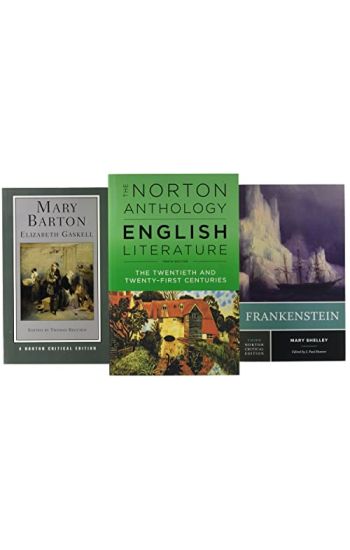
Norton Anthology of English Literature 10e Core Selections Ebook, + NAEL 10e Vol F, + Frankenstein NCE 3e, + Mary Barton NCE
Stephen Greenblatt; Mary Shelley; Elizabeth Gaskell
WW NortonCo
2022
pokkari
Shakespeare: Freiheit, Schönheit und die Grenzen des Hasses
Stephen Greenblatt
SUHRKAMP VERLAG
2020
nidottu

'Brilliant' Sunday TimesHow does a truly disastrous leader â?? a sociopath, a demagogue, a tyrant â?? come to power?
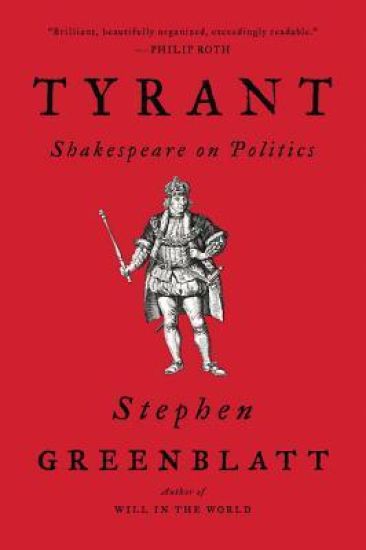
Examining the psyche--and psychoses--of the likes of Richard III, Macbeth, Lear, and Coriolanus, Greenblatt illuminates the ways in which William Shakespeare delved into the lust for absolute power and the disasters visited upon the societies over which these characters rule. Tyrant shows that Shakespeare's work remains vitally relevant today, not least in its probing of the unquenchable, narcissistic appetites of demagogues and the self-destructive willingness of collaborators who indulge their appetites.
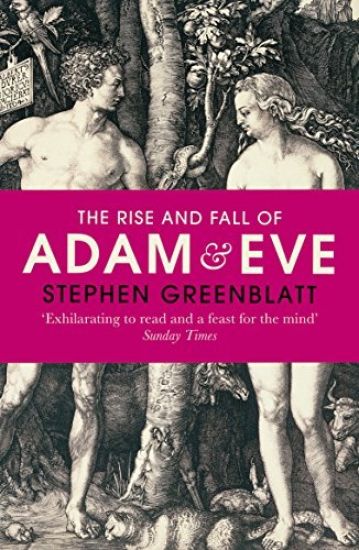
Selected as a book of the year 2017 by The Times and Sunday TimesWhat is it about Adam and Eveâ??s story that fascinates us?
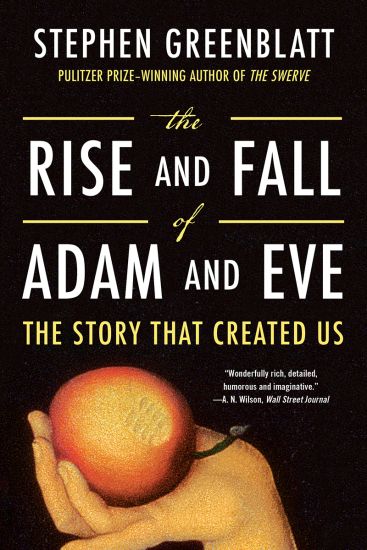
In this wonderfully rich, detailed, humorous, imaginative (Wall Street Journal) exploration, Greenblatt reveals the passionate theological, artistic, and cultural investment over centuries in the story of Adam and Eve. He examines the decisive contributions of Augustine, Durer, and Milton to this mammoth project of collective creation as he reckons with the story's volatile progeny, both good and evil : rich allegory, vicious misogyny, deep moral insight, narrow literalism, provocative questions and stubborn denials of scientific truth. And, of course, some of the greatest triumphs of art and literature. Profoundly resonant and so very real to millions of people, Adam and Eve remain, in Greenblatt's view, a means for understanding the difference between a lie and a story, and exploring the mythic heart of Western culture.
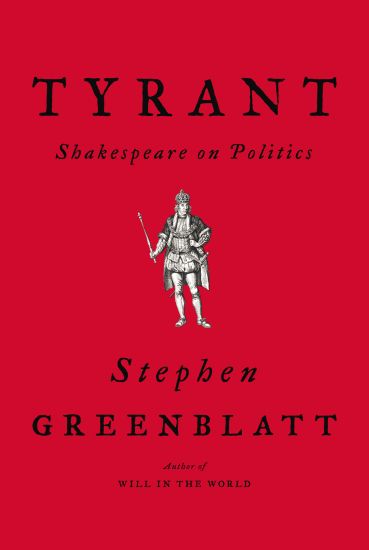
As an aging, tenacious Elizabeth I clung to power, a talented playwright probed the social causes, the psychological roots, and the twisted consequences of tyranny. In exploring the psyche (and psychoses) of the likes of Richard III, Macbeth, Lear, Coriolanus, and the societies they rule over, Stephen Greenblatt illuminates the ways in which William Shakespeare delved into the lust for absolute power and the catastrophic consequences of its execution.Cherished institutions seem fragile, political classes are in disarray, economic misery fuels populist anger, people knowingly accept being lied to, partisan rancor dominates, spectacular indecency rules--these aspects of a society in crisis fascinated Shakespeare and shaped some of his most memorable plays. With uncanny insight, he shone a spotlight on the infantile psychology and unquenchable narcissistic appetites of demagogues--and the cynicism and opportunism of the various enablers and hangers-on who surround them--and imagined how they might be stopped. As Greenblatt shows, Shakespeare's work, in this as in so many other ways, remains vitally relevant today.
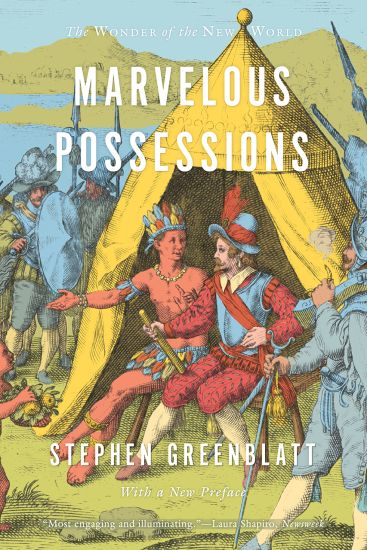
Marvelous Possessions: The Wonder of the New World
Stephen Greenblatt
University of Chicago Press
2017
nidottu
A masterwork of history and cultural studies, Marvelous Possessions is a brilliant meditation on the interconnected ways in which Europeans of the Age of Discovery represented non-European peoples and took possession of their lands, particularly in the New World. In a series of innovative readings of travel narratives, judicial documents, and official reports, Stephen Greenblatt shows that the experience of the marvelous, central to both art and philosophy, was manipulated by Columbus and others in the service of colonial appropriation. Much more than simply a collection of the odd and exotic, Marvelous Possessions is both a highly original extension of Greenblatt's thinking on a subject that has permeated his career and a thrilling tale of wandering, kidnapping, and go-betweens--of daring improvisation, betrayal, and violence. Reaching back to the ancient Greeks, forward to the present, and, in his new preface, even to fantastical meetings between humans and aliens in movies like Close Encounters of the Third Kind, Greenblatt would have us ask: how is it possible, in a time of disorientation, hatred of the other, and possessiveness, to keep the capacity for wonder--for tolerant recognition of cultural difference--from being poisoned?