Kirjojen hintavertailu. Mukana 12 341 640 kirjaa ja 12 kauppaa.

Kirjailija

Steven Heine

Kirjat ja teokset yhdessä paikassa: 28 kirjaa, julkaisuja vuosilta 1985-2024, suosituimpien joukossa Chan Rhetoric of Uncertainty in the Blue Cliff Record. Vertaile teosten hintoja ja tarkista saatavuus suomalaisista kirjakaupoista.

28 kirjaa

Kirjojen julkaisuhaarukka 1985-2024.

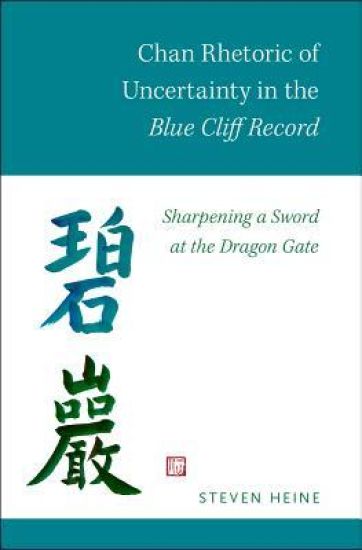
Chan Rhetoric of Uncertainty in the Blue Cliff Record

Chan Rhetoric of Uncertainty in the Blue Cliff Record

Steven Heine

Oxford University Press Inc
2016
nidottu
This book provides an in-depth textual and literary analysis of the Blue Cliff Record (Chinese Biyanlu, Japanese Hekiganroku), a seminal Chan/Zen Buddhist collection of commentaries on one hundred gongan/koan cases, considered in light of historical, cultural, and intellectual trends from the Song dynasty (960-1279). Compiled by Yuanwu Keqin in 1128, the Blue Cliff Record is considered a classic of East Asian literature for its creative integration of prose and verse as well as hybrid or capping-phrase interpretations of perplexing cases. The collection employs a variety of rhetorical devices culled from both classic and vernacular literary sources and styles and is particularly notable for its use of indirection, allusiveness, irony, paradox, and wordplay, all characteristic of the approach of literary or lettered Chan. However, as instrumental and influential as it is considered to be, the Blue Cliff Record has long been shrouded in controversy. The collection is probably best known today for having been destroyed in the 1130s at the dawn of the Southern Song dynasty (1127-1279) by Dahui Zonggao, Yuanwu's main disciple and harshest critic. It was out of circulation for nearly two centuries before being revived and partially reconstructed in the early 1300s. In this book, Steven Heine examines the diverse ideological connections and disconnections behind subsequent commentaries and translations of the Blue Cliff Record, thereby shedding light on the broad range of gongan literature produced in the eleventh to thirteenth centuries and beyond.
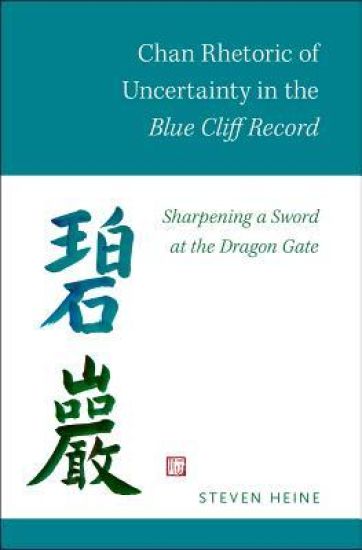
Chan Rhetoric of Uncertainty in the Blue Cliff Record

Chan Rhetoric of Uncertainty in the Blue Cliff Record

Steven Heine

Oxford University Press Inc
2016
sidottu
This book provides an in-depth textual and literary analysis of the Blue Cliff Record (Chinese Biyanlu, Japanese Hekiganroku), a seminal Chan/Zen Buddhist collection of commentaries on one hundred gongan/koan cases, considered in light of historical, cultural, and intellectual trends from the Song dynasty (960-1279). Compiled by Yuanwu Keqin in 1128, the Blue Cliff Record is considered a classic of East Asian literature for its creative integration of prose and verse as well as hybrid or capping-phrase interpretations of perplexing cases. The collection employs a variety of rhetorical devices culled from both classic and vernacular literary sources and styles and is particularly notable for its use of indirection, allusiveness, irony, paradox, and wordplay, all characteristic of the approach of literary or lettered Chan. However, as instrumental and influential as it is considered to be, the Blue Cliff Record has long been shrouded in controversy. The collection is probably best known today for having been destroyed in the 1130s at the dawn of the Southern Song dynasty (1127-1279) by Dahui Zonggao, Yuanwu's main disciple and harshest critic. It was out of circulation for nearly two centuries before being revived and partially reconstructed in the early 1300s. In this book, Steven Heine examines the diverse ideological connections and disconnections behind subsequent commentaries and translations of the Blue Cliff Record, thereby shedding light on the broad range of gongan literature produced in the eleventh to thirteenth centuries and beyond.
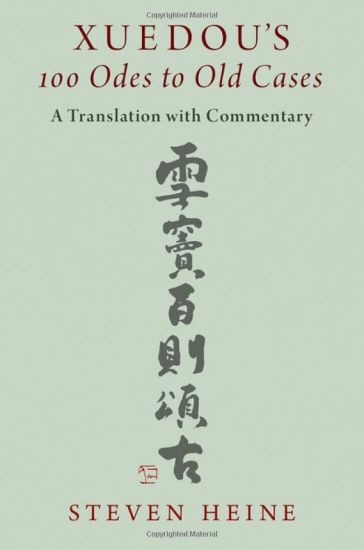
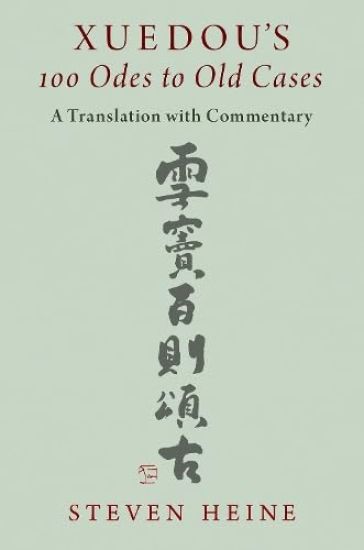
Xuedou's 100 Odes to Old Cases

Xuedou's 100 Odes to Old Cases

Steven Heine

OXFORD UNIVERSITY PRESS INC
2024
sidottu
Xuedou's 100 Odes to Old Cases is recognized as the seminal discourse in Chan Buddhism, one that has exerted significant influence on the way stories of former teachers (guze) have been appreciated and appropriated for the past thousand years. In this volume, Steven Heine offers a much-needed translation of this pivotal work along with extensive background and commentary. Heine brings important perspective to a 1000-year old text that became the basis for the Blue Cliff Record, which continues to have a profound impact on the overall legacy of East Asian Buddhist intellectual history and religious literature. Xuedou's verses reflect the author's unique capacity for taming through elegance the undisciplined and deluded minds of followers struggling with self-imposed obstacles to discern reality and thereby discover inner peace. Xuedou cites multiple Chan sources, uses irregular meter to disrupt the reader's expectations, and evokes unusual allusions to Chinese lore while often interjecting personal comments or lyrical imagery that goes beyond a reliance on doctrine. Xuedou's work is timeless, informative, and extremely influential. Heine offers us a glimpse into his mind and work, as we are taken back in time to the birth of the most essential aesthetic qualities of Chan and Zen Buddhist discourse.
Xuedou's 100 Odes to Old Cases

Xuedou's 100 Odes to Old Cases

Steven Heine

OXFORD UNIVERSITY PRESS INC
2024
nidottu
Xuedou's 100 Odes to Old Cases is recognized as the seminal discourse in Chan Buddhism, one that has exerted significant influence on the way stories of former teachers (guze) have been appreciated and appropriated for the past thousand years. In this volume, Steven Heine offers a much-needed translation of this pivotal work along with extensive background and commentary. Heine brings important perspective to a 1000-year old text that became the basis for the Blue Cliff Record, which continues to have a profound impact on the overall legacy of East Asian Buddhist intellectual history and religious literature. Xuedou's verses reflect the author's unique capacity for taming through elegance the undisciplined and deluded minds of followers struggling with self-imposed obstacles to discern reality and thereby discover inner peace. Xuedou cites multiple Chan sources, uses irregular meter to disrupt the reader's expectations, and evokes unusual allusions to Chinese lore while often interjecting personal comments or lyrical imagery that goes beyond a reliance on doctrine. Xuedou's work is timeless, informative, and extremely influential. Heine offers us a glimpse into his mind and work, as we are taken back in time to the birth of the most essential aesthetic qualities of Chan and Zen Buddhist discourse.
A Beginner's Guide to Japanese Haiku

A Beginner's Guide to Japanese Haiku

William Scott Wilson; Steven Heine

TUTTLE PUBLISHING
2023
sidottu
An old pond;a frog jumps in:the sound of water — Basho This comprehensive introduction to Japan's best-loved haiku poets is the perfect book for anyone wanting to learn about haiku. Compiled and with commentary by renowned author and translator William Scott Wilson, the book features 26 poets and 550 haiku, exquisitely translated. Wilson takes the reader on a fascinating journey through the works of the major Japanese poets from the fifteenth century up to the present.The poets include Basho, Shiki, Buson and Issa (the "Great Four") along with other well-known practitioners of the genre such as Ryokan, Kikaku and Chora. Wilson gives his own brand-new renditions of poems that are already known as classics, and also shares with us the delightful work of a number of poets who are rarely found in English translation, such as six female poets including Chiyojo and Hisajo, as well as novelist Natsume Soseki, who, unbeknown to many, also wrote haiku.The book is divided into sections, each starting with a 2-4 page introduction to each poet, followed by a selection of that poet's haiku, in Japanese script and English translation. Online audio files are available with recordings of the poems in both English and Japanese.
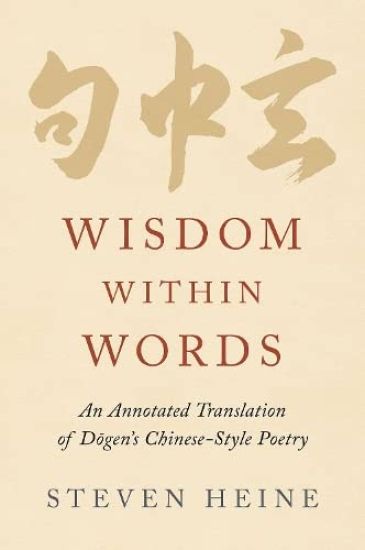
Wisdom within Words

Wisdom within Words

Steven Heine

OXFORD UNIVERSITY PRESS INC
2022
sidottu
Wisdom within Words is the first complete bilingual edition and annotated translation of the poetry collection entitled Kuchugen, which features 150 Chinese-style verses (kanshi) written by Dogen Zenji (1200-1253), founder of the Soto Zen sect in early medieval Japan, and compiled in the eighteenth century by Menzan Zuiho. These poems are essential in highlighting several key aspects of Dogen's manner of thinking and process of writing creatively while transmitting the Chan/Zen tradition from China to Japan in the first half of the thirteenth century. Dogen learned the Chinese style of writing poetry--featuring four rhyming lines with seven characters each--when he travelled to the mainland in the 1220s. It was there that he first composed 50 verses, the only texts available from this career stage. He continued to write Sinitic poetry throughout his career at both Koshoji temple in Kyoto and Eiheiji temple in the remote mountains. Dogen's poems had various aims, including reflecting on meditation during periods of reclusion, commenting on cryptic koan cases, eulogizing deceased patriarchs, celebrating festivals and seasonal occasions, welcoming new administrative appointees at the temple, remarking on the life of the Buddha and other aspects of attaining enlightenment, and highlighting various teachings or instructions. Although Dogen's poetry has often been overlooked by the sectarian tradition, these writings have played valuable roles in the development of East Asian Buddhist contemplative life.
Dogen

Dogen

Steven Heine

SHAMBHALA PUBLICATIONS INC
2021
nidottu
An essential introduction to the life, writings, and legacy of one of Japan's most prolific Buddhist masters. The founder of the Sōtō school of Zen in Japan, Eihei Dogen (1200-1253) remains one of the most influential Buddhist teachers of all time. Although Dogen's writings have reached wide prominence among contemporary Buddhists and philosophers, there is much that remains enigmatic about his life and writings. In Dogen: Japan's Original Zen Teacher, respected Dogen scholar and translator Steven Heine offers a nuanced portrait of the master's historical context, life, and work, paying special attention to issues such as: - The nature of the great doubt that motivated Dogen's religious quest - The sociopolitical turmoil of Kamakura Japan that led to dynamic innovations in medieval Japanese Buddhism - The challenges and transformations Dogen experienced during his pivotal time in China - Key inflection points and unresolved questions regarding Dogen's teaching career in Japan - Ongoing controversies in the scholarly interpretations of Dogen's biography and teachingsSynthesizing a lifetime of research and reflection into an accessible narrative, this new addition to the Lives of the Masters series illuminates thought-provoking new perspectives on Dogen's life, character, and teachings, as well as his relevance to contemporary practitioners.
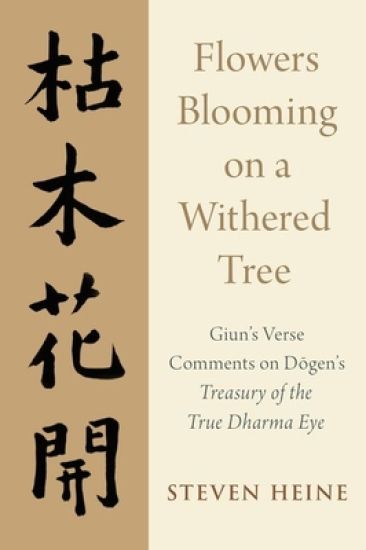
Flowers Blooming on a Withered Tree

Flowers Blooming on a Withered Tree

Steven Heine

Oxford University Press Inc
2020
sidottu
This book provides a translation and critical bilingual edition on the Verse Comments on the Treasury of the True Dharma Eye. The Verse Comments by Giun (1253-1333), the fifth abbot of Eiheiji temple, is an important early medieval Japanese commentary on the 60-chapter edition of the Treasury of the True Dharma Eye (Shobogenzo), one of the main versions of the masterwork written by Eihei Dogen (1200-1253), the founder of the Soto Zen sect in Japan who established Eiheiji in the mid-1240s. Giun's Verse Comments was one of only two commentaries of the Treasury written during the Kamakura era, with the other being a prose analysis of the 75-chapter edition, called Prose Comments on the Treasury of the True Dharma Eye, often abbreviated to Distinguished Comments (Gosho). While Distinguished Comments fell into disuse rather quickly and was only revived nearly three hundred years later, the Verse Comments was circulated widely from the time of its composition and read by many Soto monks over the next couple of centuries. Offering poems and cryptic expressions that seek to capture the spiritual flavor and essential meaning of Dogen's thought as suggested in each chapter, the Verse Comments is crucial for understanding how Dogen's Treasury was received and appropriated in the religious and literary context of medieval Japan. In this book, Steven Heine's careful interpretations, historical investigations, and theoretical reflections demonstrate the significance of Giun's writings in light of the history of pre-modern and modern commentaries on Dogen's masterwork, the Treasury of the True Dharma Eye.
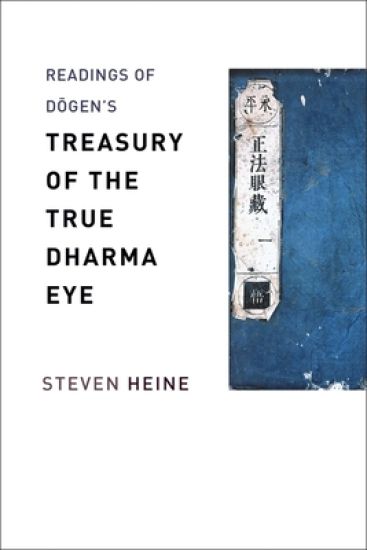
Readings of Dogen's "Treasury of the True Dharma Eye"

Readings of Dogen's "Treasury of the True Dharma Eye"

Steven Heine

Columbia University Press
2020
pokkari
The Treasury of the True Dharma Eye (Shobogenzo) is the masterwork of Dogen (1200–1253), founder of the Soto Zen Buddhist sect in Kamakura-era Japan. It is one of the most important Zen Buddhist collections, composed during a period of remarkable religious diversity and experimentation. The text is complex and compelling, famed for its eloquent yet perplexing manner of expressing the core precepts of Zen teachings and practice.This book is a comprehensive introduction to this essential Zen text, offering a textual, historical, literary, and philosophical examination of Dogen’s treatise. Steven Heine explores the religious and cultural context in which the Treasury was composed and provides a detailed study of the various versions of the medieval text that have been compiled over the centuries. He includes nuanced readings of Dogen’s use of inventive rhetorical flourishes and the range of East Asian Buddhist textual and cultural influences that shaped the work. Heine explicates the philosophical implications of Dogen’s views on contemplative experience and attaining and sustaining enlightenment, showing the depth of his distinctive understanding of spiritual awakening. Readings of Dogen’s Treasury of the True Dharma Eye will give students and other readers a full understanding of this fundamental work of world religious literature.
Readings of Dogen's "Treasury of the True Dharma Eye"

Readings of Dogen's "Treasury of the True Dharma Eye"

Steven Heine

Columbia University Press
2020
sidottu
The Treasury of the True Dharma Eye (Shobogenzo) is the masterwork of Dogen (1200–1253), founder of the Soto Zen Buddhist sect in Kamakura-era Japan. It is one of the most important Zen Buddhist collections, composed during a period of remarkable religious diversity and experimentation. The text is complex and compelling, famed for its eloquent yet perplexing manner of expressing the core precepts of Zen teachings and practice.This book is a comprehensive introduction to this essential Zen text, offering a textual, historical, literary, and philosophical examination of Dogen’s treatise. Steven Heine explores the religious and cultural context in which the Treasury was composed and provides a detailed study of the various versions of the medieval text that have been compiled over the centuries. He includes nuanced readings of Dogen’s use of inventive rhetorical flourishes and the range of East Asian Buddhist textual and cultural influences that shaped the work. Heine explicates the philosophical implications of Dogen’s views on contemplative experience and attaining and sustaining enlightenment, showing the depth of his distinctive understanding of spiritual awakening. Readings of Dogen’s Treasury of the True Dharma Eye will give students and other readers a full understanding of this fundamental work of world religious literature.
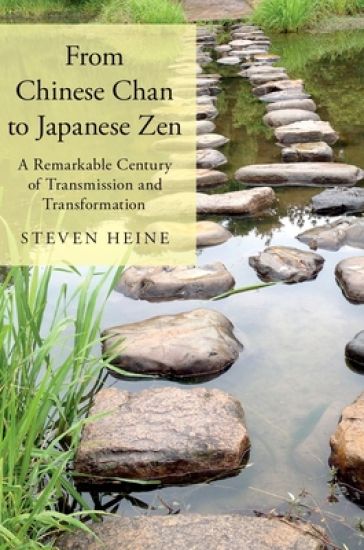
From Chinese Chan to Japanese Zen

From Chinese Chan to Japanese Zen

Steven Heine

Oxford University Press Inc
2017
sidottu
This work provides a survey and critical investigation of the remarkable century that lasted from 1225 to 1325, during which the transformation of the Chinese Chan school of Buddhism into the Japanese Zen sect was successfully completed. The cycle of transfer began with a handful of Japanese pilgrims, including Eisai, Dogen and Enni, who traveled to China in order to discover authentic Buddhism. They quickly learned that Chan, with the strong support of the secular elite, was well organized in terms of the intricate teaching techniques of various temple lineages. After receiving Dharma transmission through face-to-face meetings with prominent Chinese teachers, the Japanese monks returned home with many spiritual resources. Foreign rituals and customs met with resistance, however, and by the end of the thirteenth century it was difficult to imagine the success Zen would soon achieve. Following the arrival of a series of émigré monks, who gained the strong support of the shoguns for their continental teachings, Zen became the mainstream religious tradition in Japan. The transmission culminated in the 1320s when prominent leaders Daito and Muso learned enough Chinese to overcome challenges from other sects with their Zen methods. The book examines the transcultural conundrum: How did this school of Buddhism, which started half a millennium earlier as a mystical utopian cult for reclusive monks, gain a broad following among influential lay followers in both China and Japan? It answers this question by a focusing on the mythical elements that contributed to the effectiveness of this transition, especially the Legend of Living Buddhas.
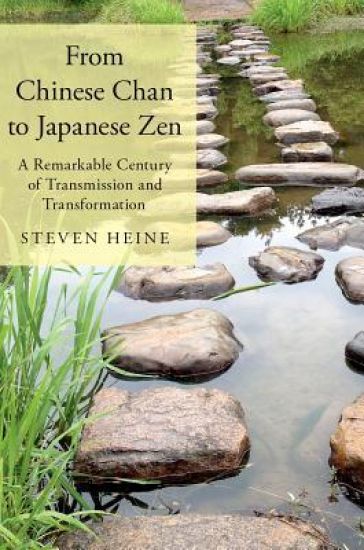
From Chinese Chan to Japanese Zen

From Chinese Chan to Japanese Zen

Steven Heine

Oxford University Press Inc
2017
nidottu
This work provides a survey and critical investigation of the remarkable century that lasted from 1225 to 1325, during which the transformation of the Chinese Chan school of Buddhism into the Japanese Zen sect was successfully completed. The cycle of transfer began with a handful of Japanese pilgrims, including Eisai, Dogen and Enni, who traveled to China in order to discover authentic Buddhism. They quickly learned that Chan, with the strong support of the secular elite, was well organized in terms of the intricate teaching techniques of various temple lineages. After receiving Dharma transmission through face-to-face meetings with prominent Chinese teachers, the Japanese monks returned home with many spiritual resources. Foreign rituals and customs met with resistance, however, and by the end of the thirteenth century it was difficult to imagine the success Zen would soon achieve. Following the arrival of a series of émigré monks, who gained the strong support of the shoguns for their continental teachings, Zen became the mainstream religious tradition in Japan. The transmission culminated in the 1320s when prominent leaders Daito and Muso learned enough Chinese to overcome challenges from other sects with their Zen methods. The book examines the transcultural conundrum: How did this school of Buddhism, which started half a millennium earlier as a mystical utopian cult for reclusive monks, gain a broad following among influential lay followers in both China and Japan? It answers this question by a focusing on the mythical elements that contributed to the effectiveness of this transition, especially the Legend of Living Buddhas.
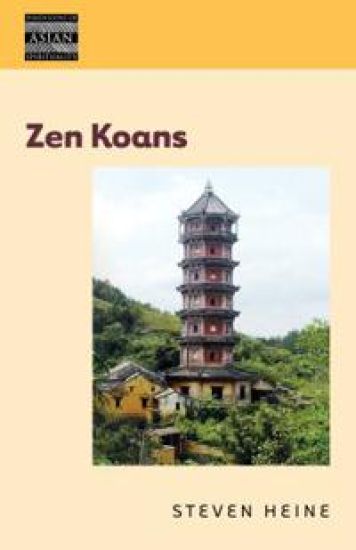
Zen Koans

Zen Koans

Steven Heine

University of Hawai'i Press
2014
nidottu
“What is the sound of one hand clapping?” “Does a dog have Buddha-nature?” These cryptic expressions are among the best-known examples of koans, the confusing, often contradictory sayings that form the centrepiece of Zen Buddhist learning and training. Viewed as an ideal method for attaining and transmitting an unimpeded experience of enlightenment, they became the main object of study in Zen meditation, where their contemplation was meant to exhaust the capacity of the rational mind and the expressiveness of speech. Koan compilations, which include elegant poetic and eloquent prose commentaries on cryptic dialogues, are part of a great literary tradition in China, Japan, and Korea that appealed to intellectuals who sought spiritual fulfilment through interpreting elaborate rhetoric related to mysterious metaphysical exchanges.In this compact volume, Steven Heine, who has written extensively on Zen Buddhism and koans, introduces and analyses the classic background of texts and rites and explores the contemporary significance of koans to illuminate the full implications of this ongoing tradition. He delves deeply into the inner structure of koan literature to uncover and interpret profound levels of metaphorical significance. At the same time, he takes the reader beyond the veil of vagueness and inscrutability to an understanding of how koan writings have been used in pre-modern East Asia and are coming to be evoked and implemented in modern American practice of Zen.By focusing on two main facets of the religious themes expressed in koan records—individual religious attainment and the role dialogues play in maintaining order in the monastic system—Zen Koans reveals the distinct yet interlocking levels of meaning reflected in different koan case records and helps make sense of the seemingly nonsensical. It is a book for anyone interested in untangling the web of words used in Zen exchanges and exploring their important place in the vast creative wellspring of East Asian religion and culture.
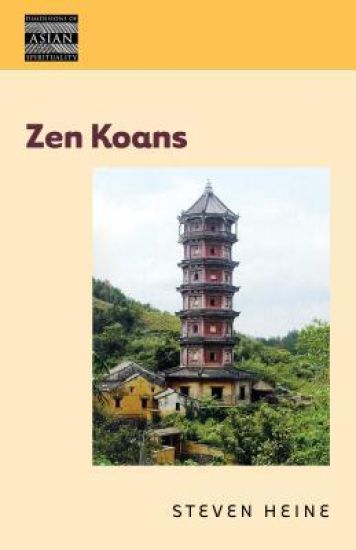
Zen Koans

Zen Koans

Steven Heine

University of Hawai'i Press
2014
sidottu
“What is the sound of one hand clapping?” “Does a dog have Buddha-nature?” These cryptic expressions are among the best-known examples of koans, the confusing, often contradictory sayings that form the centrepiece of Zen Buddhist learning and training. Viewed as an ideal method for attaining and transmitting an unimpeded experience of enlightenment, they became the main object of study in Zen meditation, where their contemplation was meant to exhaust the capacity of the rational mind and the expressiveness of speech. Koan compilations, which include elegant poetic and eloquent prose commentaries on cryptic dialogues, are part of a great literary tradition in China, Japan, and Korea that appealed to intellectuals who sought spiritual fulfilment through interpreting elaborate rhetoric related to mysterious metaphysical exchanges.In this compact volume, Steven Heine, who has written extensively on Zen Buddhism and koans, introduces and analyses the classic background of texts and rites and explores the contemporary significance of koans to illuminate the full implications of this ongoing tradition. He delves deeply into the inner structure of koan literature to uncover and interpret profound levels of metaphorical significance. At the same time, he takes the reader beyond the veil of vagueness and inscrutability to an understanding of how koan writings have been used in pre-modern East Asia and are coming to be evoked and implemented in modern American practice of Zen.By focusing on two main facets of the religious themes expressed in koan records—individual religious attainment and the role dialogues play in maintaining order in the monastic system—Zen Koans reveals the distinct yet interlocking levels of meaning reflected in different koan case records and helps make sense of the seemingly nonsensical. It is a book for anyone interested in untangling the web of words used in Zen exchanges and exploring their important place in the vast creative wellspring of East Asian religion and culture.
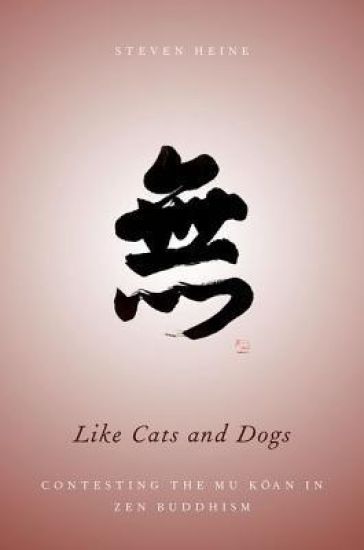
Like Cats and Dogs

Like Cats and Dogs

Steven Heine

Oxford University Press Inc
2013
nidottu
A koan is a narrative or dialogue used to provoke the "great doubt" and test a student's progress in Zen practice. The Mu Koan consists of a brief conversation in which a monk asks master Zhaozhou Congshen whether or not a dog has Buddha-nature. The reply is Mu: literally, ''No.'' This case is widely considered to be the single best known and most widely circulated and transmitted koan record of the Zen school of Buddhism. The Mu Koan is especially well known for the intense personal experiences it offers those seeking an existential transformation from anxiety to spiritual illumination. Steven Heine demonstrates that the Gateless Gate version, preferred by Dahui and so many other key-phrase advocates, does not by any means constitute the final word concerning the meaning and significance of the Mu Koan. Another impact version has been the Dual Version, which is the ''Yes-No'' rendition to the Mu Koan. Like Cats and Dogs offers critical insight and a new historical perspective on ''the koan of koans.''
Like Cats and Dogs

Like Cats and Dogs

Steven Heine

Oxford University Press Inc
2013
sidottu
A koan is a narrative or dialogue used to provoke the "great doubt" and test a student's progress in Zen practice. The Mu Koan consists of a brief conversation in which a monk asks master Zhaozhou Congshen whether or not a dog has Buddha-nature. The reply is Mu: literally, ''No.'' This case is widely considered to be the single best known and most widely circulated and transmitted koan record of the Zen school of Buddhism. The Mu Koan is especially well known for the intense personal experiences it offers those seeking an existential transformation from anxiety to spiritual illumination. Steven Heine demonstrates that the Gateless Gate version, preferred by Dahui and so many other key-phrase advocates, does not by any means constitute the final word concerning the meaning and significance of the Mu Koan. Another impact version has been the Dual Version, which is the ''Yes-No'' rendition to the Mu Koan. Like Cats and Dogs offers critical insight and a new historical perspective on ''the koan of koans.''
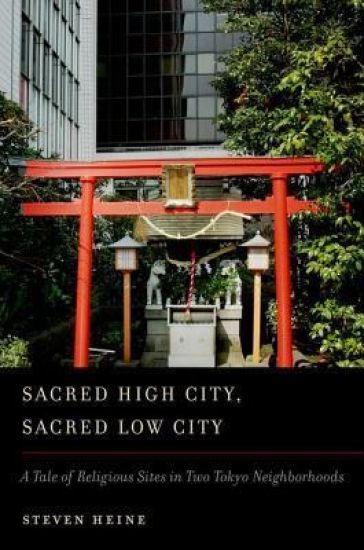
Sacred High City, Sacred Low City

Sacred High City, Sacred Low City

Steven Heine

Oxford University Press Inc
2011
nidottu
In Sacred High City, Sacred Low City, Steven Heine argues that lived religion in Japan functions as an integral part of daily life; any apparent lack of interest masks a fundamental commitment to participating regularly in diverse, though diffused, religious practices. The book uses case studies of religious sites at two representative but contrasting Tokyo neighborhoods as a basis for reflecting on this apparently contradictory quality. In what ways does Japan continue to carry on and adapt tradition, and to what extent has modern secular society lost touch with the traditional elements of religion? Or does Japanese religiosity reflect another, possibly postmodern, alternative beyond the dichotomy of sacred and secular, in which religious differences as well as a seeming indifference to religion are encompassed as part of a contemporary lifestyle?
Sacred High City, Sacred Low City

Sacred High City, Sacred Low City

Steven Heine

Oxford University Press Inc
2011
sidottu
In Sacred High City, Sacred Low City, Steven Heine argues that lived religion in Japan functions as an integral part of daily life; any apparent lack of interest masks a fundamental commitment to participating regularly in diverse, though diffused, religious practices. The book uses case studies of religious sites at two representative but contrasting Tokyo neighborhoods as a basis for reflecting on this apparently contradictory quality. In what ways does Japan continue to carry on and adapt tradition, and to what extent has modern secular society lost touch with the traditional elements of religion? Or does Japanese religiosity reflect another, possibly postmodern, alternative beyond the dichotomy of sacred and secular, in which religious differences as well as a seeming indifference to religion are encompassed as part of a contemporary lifestyle?
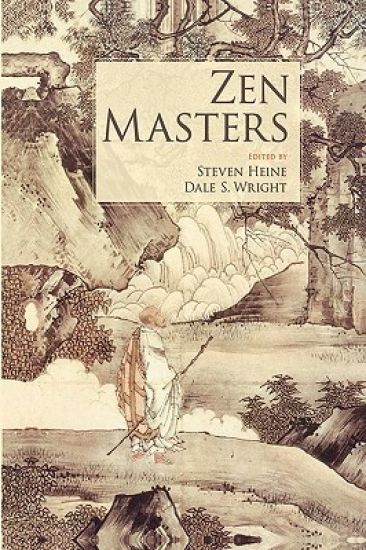
Zen Masters

Zen Masters

Steven Heine; Dale Wright

Oxford University Press Inc
2010
nidottu
Extending their successful series of collections on Zen Buddhism, Heine and Wright present a fifth volume, on what may be the most important topic of all - Zen Masters. Following two volumes on Zen literature (Zen Classics and The Zen Canon) and two volumes on Zen practice (The Koan and Zen Ritual) they now propose a volume on the most significant product of the Zen tradition - the Zen masters who have made this kind of Buddhism the most renowned in the world by emphasizing the role of eminent spiritual leaders and their function in establishing centers, forging lineages, and creating literature and art. Zen masters in China, and later in Korea and Japan, were among the cultural leaders of their times. Stories about their comportment and powers circulated widely throughout East Asia. In this volume ten leading Zen scholars focus on the image of the Zen master as it has been projected over the last millennium by the classic literature of this tradition. Each chapter looks at a single prominent master. Authors assess the master's personality and charisma, his reported behavior and comportment, his relationships with teachers, rivals and disciplines, lines of transmission, primary teachings, the practices he emphasized, sayings and catch-phrases associated with him, his historical and social context, representations and icons, and enduring influences.