Kirjojen hintavertailu. Mukana 12 657 676 kirjaa ja 12 kauppaa.

Kirjailija

Thomas Mann

Kirjat ja teokset yhdessä paikassa: 500 kirjaa, julkaisuja vuosilta 1975-2027, suosituimpien joukossa Mario and the Magician. Vertaile teosten hintoja ja tarkista saatavuus suomalaisista kirjakaupoista.

500 kirjaa

Kirjojen julkaisuhaarukka 1975-2027.

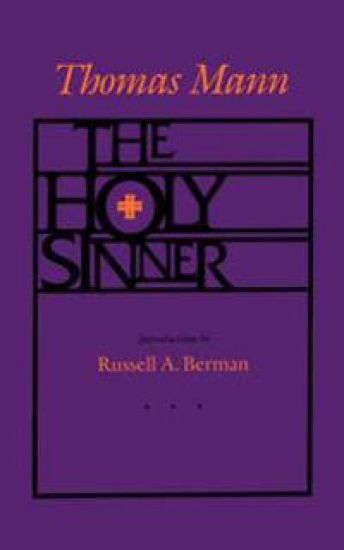
The Holy Sinner

The Holy Sinner

Thomas Mann; H. T. (TRN) Lowe-Porter; Russell A. (INT) Berman

University of California Press
1992
pokkari
First published in 1951, "The Holy Sinner" explores a subject that fascinated Thomas Mann to the end of his life - the origins of evil and evil's connection with magic. Here Mann uses a medieval legend about 'the exceeding mercy of God and the birth of the blessed Pope Gregory' as he used the Biblical account of Joseph as the basis for Joseph and His Brothers - illuminating with his ironic sensibility the notion of original sin and transcendence of evil.
Sämtliche Erzählungen in vier Bänden

Sämtliche Erzählungen in vier Bänden

Thomas Mann

S. Fischer Verlag
1991
pokkari
"Die lyrische Sphäre sollte mir so wenig zur künstlerischen Heimat werden wie die dramatische." Mit dramatischen Versuchen und Gedichten hatte Thomas Mann seine literarischen Fingerübungen gemacht, bis er, etwa zwanzigjährig, die Prosa als seine eigentliche Sprachform entdeckte. Skizzen entstanden, Studien, die Lust, Erfahrenes und Erlebtes zu berichten, wuchs, entwickelte sich zur Erzählung - Ambiente und Ereignisse, Charaktere und Handlungen griffen ineinander. Beschreibung und direkte Rede forderten klare Diktion, der Wortlaut verband sich dem Satzbau. Weder Rhythmus und Klang noch Dialog gab er auf - Thomas Mann hat sie früh schon für seine Prosa genutzt. :Schwere Stunde9 von 1905 hebt das Betrachtende auch seiner erzählenden Prosa hervor. Mit :Tonio Kröger9 hatte er sich zwei Jahre zuvor eine "Geschichte, die das ganze Gefühl meiner Jugend enthält", von der Seele geschrieben, eine "Prosa-Ballade ... so recht ein Lied, gespielt auf dem selbst gebauten Instrument des großen Romans". Neun Jahre später, 1912, erschien :Der Tod in Venedig9, über den Thomas Mann, ein Fazit seines Schreibens ziehend, gesagt hat: "Form und Schönheit haben auf irgendeine Weise etwas mit dem Tode zu tun, so sehr sie eine Sache des Lebens sind. Das ist ein Geheimnis, aber es ist so."
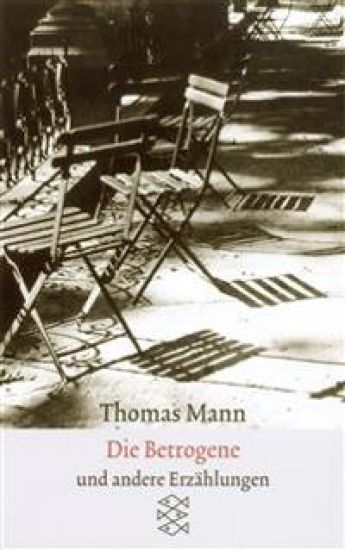
Sämtliche Erzählungen in vier Bänden: Die Betrogene
"Die lyrische Sphäre sollte mir so wenig zur künstlerischen Heimat werden wie die dramatische." Mit dramatischen Versuchen und Gedichten hatte Thomas Mann seine literarischen Fingerübungen gemacht, bis er, etwa zwanzigjährig, die Prosa als seine eigentliche Sprachform entdeckte. Skizzen entstanden, Studien, die Lust, Erfahrenes und Erlebtes zu berichten, wuchs, entwickelte sich zur Erzählung - Ambiente und Ereignisse, Charaktere und Handlungen griffen ineinander. Beschreibung und direkte Rede forderten klare Diktion, der Wortlaut verband sich dem Satzbau. Weder Rhythmus und Klang noch Dialog gab er auf - Thomas Mann hat sie früh schon für seine Prosa genutzt. Die Schauplätze der letzten drei Erzählungen, die Thomas Mann zwischen 1940 und 1953, zwischen der Arbeit an :Joseph und seine Brüder9, :Doktor Faustus9, :Der Erwählte9 und :Felix Krull9 geschrieben hat, sind sehr unterschiedlich: Indien in den :Vertauschten Köpfen9, Ägypten und der Berg Sinai in der Mosesgeschichte :Das Gesetz9 und Deutschland in :Die Betrogene9. Und entsprechend gegensätzlich sind auch die Themen. Auf die "Geschichte von der schönhüftigen Sita und ihren beiden Gatten" folgt die Mosesgeschichte :Das Gesetz9, die Franz Werfel als ein "Vorspiel auf der Orgel" bezeichnet hatte, und schließlich :Die Betrogene9 als "Tod in Düsseldorf" eine Art "Gegenschöpfung" zum :Tod in Venedig9.
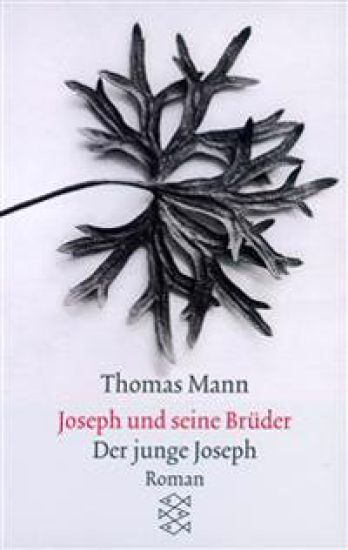
Joseph und seine Brüder II. Der junge Joseph

Joseph und seine Brüder II. Der junge Joseph

Thomas Mann

FISCHER Taschenbuch
1991
pokkari
Im zweiten Band der Tetralogie wird Joseph zur Hauptfigur. Der siebzehnjähirge Held besticht durch seine jugendliche Schönheit und durch seinen Verstand. Dieser Spätgeborene ist der Liebling Jaakobs, und diese Liebe weckt den Neid der älteren Brüder, führt zu Zwist in der Sippe. Schließlich wird Joseph von seinen Brüdern gedemütigt und an fremde Händler verkauft. Dem Vater erzählen sie, sein Jüngster sei von einem wilden Tier getötet worden. 'Der junge Joseph' erschien 1934 bei S. Fischer in Berlin.
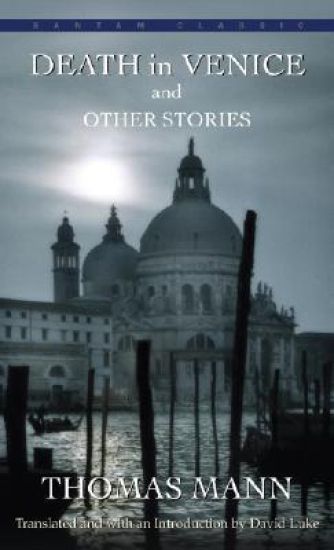
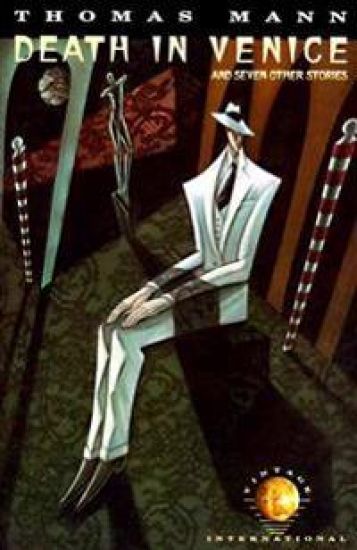
Death in Venice and Other Stories
This superb new translation of "Death in Venice" and six other stories by Thomas Mann is a tour de force, sure to establish itself as the definitive text for English-speaking readers. The seven stories in this collection represent the early part of Mann's literary career, beginning with work he produced in 1896 at the age of 21, and culminating in his most celebrated novella, "Death in Venice" (1912). Although Mann continued working until the end of his life in 1955, he despaired of ever matching the quality of his early writing. In these stories, Mann began to grapple with themes that were to recur throughout his work. In the first piece, "Little Herr Friedemann," as in "Death in Venice," a character's carefully structured way of life is suddenly and unexpectedly threatened by sexual passion. In "Gladius Dei," puritanical intellect clashes with beauty. In "Tristan," Mann presents an ironic and comical account of tension between an artist and bourgeois society. All seven of these stories are accomplished and memorable, but it is "Death in Venice" that truly forms the centerpiece of the collection. Themes that weave their way through many of the shorter stories come to a climax in this novella, out century's most haunting, magnificent tale of art and self-destruction.
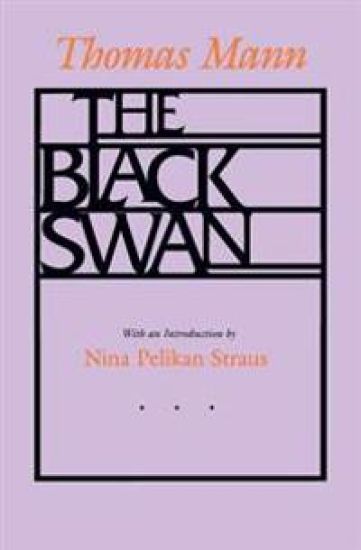
The Black Swan

The Black Swan

Thomas Mann; Willard R. (TRN) Trask; Nina Pelikan (INT) Straus

University of California Press
1990
pokkari
Thomas Mann's bold and disturbing novella, written in 1952, is the feminine counterpart of his masterpiece "Death in Venice". Written from the point of view of a woman in what we might now call mid-life crisis, "The Black Swan" evinces Mann's mastery of psychological analysis and his compelling interest in the intersection of the physical and the spiritual in human behavior. It is startlingly relevant to current discussions of the politics of the body, male inscriptions of the feminine, and discourse about and of women. The new introduction places this dramatic novella in the context of contemporary feminist and literary concerns, bringing it to the attention of a new generation of readers.
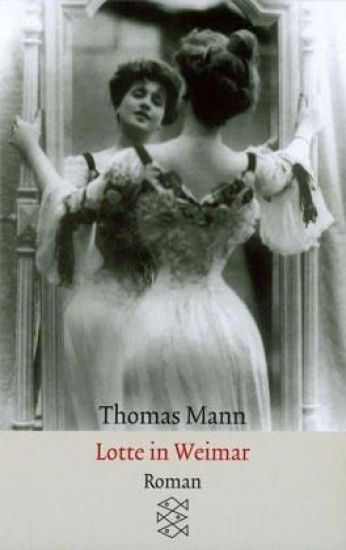
Lotte in Weimar

Lotte in Weimar

Thomas Mann; H. T. (TRN) Lowe-Porter; Hayden (INT) White

University of California Press
1990
pokkari
Thomas Mann, fascinated with the concept of genius and with the richness of German culture, found in Johann Wolfgang von Goethe the embodiment of the German culture hero. Mann's novelistic biography of Goethe was first published in English in 1940. Lotte in Weimar is a vivid dual portrait--a complex study of Goethe and of Lotte, the still-vivacious woman who in her youth was the model for Charlotte in Goethe's widely-read The Sorrows of Young Werther. Lotte's thoughts, as she anticipates meeting Goethe again after forty years, and her conversations with those in Weimar who knew the great man, allow Mann to assess Goethe's genius from many points of view. Hayden White's fresh appraisal of the novel reveals its consonances with our own concerns.
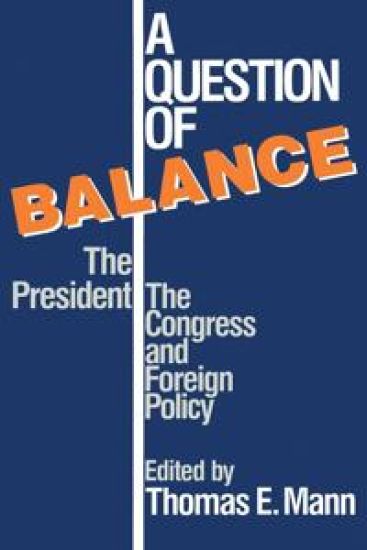
A Question of Balance

A Question of Balance

Thomas Mann

Brookings Institution
1990
nidottu
In recent years, a more active and aggressive Congress has often sharply disagreed with the president over the ends and means of American foreign policy. The normal tensions that arise in the U.S. system of separate institutions sharing power have been exacerbated by the contemporary pattern of split-party control of the two branches. The ensuing conflict in areas ranging from Central America to China has stimulated a spirited debate about the constitutional authority and institutional competence of the president and Congress to make foreign policy. In this volume, noted authors, led by Thomas Mann, examine executive-legislative relations in five major policy areas: war powers, intelligence, arms control, diplomacy, and trade. They offer a fresh analysis of the sources and consequences of conflict between the President and Congress as well as constructive suggestions for strengthening each branch's comparative advantages.
Königliche Hoheit

Königliche Hoheit

Thomas Mann

FISCHER Taschenbuch
1989
pokkari
"Man führt, möchte ich sagen, ein symbolisches, ein repräsentatives Dasein, ähnlich einem Fürsten, - und, sehen Sie: in diesem Pathos liegt der Keim zu einer ganz wunderlichen Sache, die ich einmal zu schreiben gedenke, einer Fürsten-Novelle, einem Gegenstück zu :Tonio Kröger9, das den Titel führen soll: :Königliche Hoheit9..." Im Dezember 1903, anderthalb Jahre vor Beginn der Niederschrift, wußte Thomas Mann bereits, wie er dieses "Lustspiel in Romanform" nennen würde, das ihn bis zum Februar 1909 beschäftigte. Liebenswürdig im Ton, mit einer gewissen Neigung zur Parodie, erzählt er die Geschichte einer kleinen Residenz vor dem Ersten Weltkrieg, vom lebensfreudigen Prinzen Klaus Heinrich, der sich in der zeremoniell wie wirtschaftlich starren Welt seines Hofes plötzlich mit der so gänzlich anderen, der pragmatischen Sicht der Dinge des amerikanischen Milliardärs Samuel N. Spoelmann und vor allem seiner Tochter Imma konfrontiert sieht. Sie gewinnen beide Vertrauen zueinander und finden - nachdem er gelernt hat, sich den "wirklichen Studien über die öffentliche Wohlfahrt" zu öffnen, seinem Staat also, durch die Eheschließung mit ihr die dringend benötigten Finanzen zu sichern - miteinander "ein strenges Glück".
Financing Information Services

Financing Information Services

Peter Spyers-Duran; Thomas Mann

Praeger Publishers Inc
1985
sidottu
Will American academic and research libraries be able to cope with the current technological, economic, and organizational issues that are bringing about rapid changes in information services or must fundamental changes first take place within these libraries? The twelve essays collected by Spyers-Duran and Mann attempt to answer this question. Section I: Problems, contains essays on the precarious financial environment of today's academic institutions; the erosion of funding levels in British university libraries; and realistic suggestions for financial planning in academic libraries. Section II: Changing Approaches, offers discussions on the importance of sharing scholarly resources; the discrepancy between library budgets and services offered; the growing role of the library in the information industry; a review of funding formulas in the academic library; and the changing needs, sources, and styles of financial planning. The final section of the book explores new opportunities for academic and research libraries, and includes information on current library automation; information-sharing among member libraries; external contracting for library services; and grantsmanship.
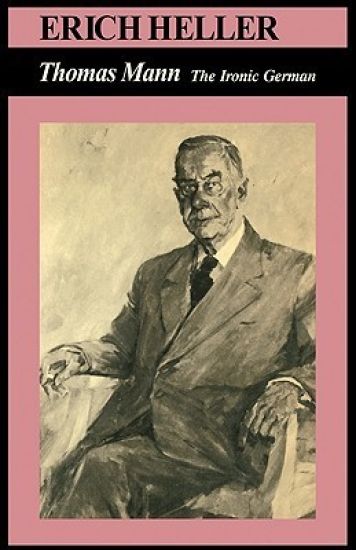
Thomas Mann

Thomas Mann

Thomas Mann; Erich Heller

Cambridge University Press
1981
pokkari
In this book, which was first published in 1958 and reissued in 1981, Professor Heller sees Mann as the late heir of the central tradition of modern German literature and also as one of the most ironic writers within that tradition. He offers a detailed study of the major works of fiction, Buddenbrooks, Tonio Kröher, Death in Venice, The Magic Mountain, Joseph and His Brothers, Doctor Faustus and Felix Krull, as well as a discussion of Mann's most significant political essay, 'Meditations of a Non-Political Man'. Beyond this, Heller's book is a profound commentary on Mann by a mind attuned to (and mouded by) precisely the intellectual and cultural traditions which are so much part of Mann's creative make-up.
Der Erwählte ( Frankfurter Ausgabe)
Die Legende vom Papst Gregorius ist Thomas Mann früher, als er selbst erinnerte, bekannt geworden: Im Wintersemester 1894/1895 als Hospitant in den Vorlesungen des Münchner Germanisten Wilhelm Hertz über Hartmann von Aue. Auf diesen im Inzest gezeugten "christlichen Ödipus" mit der "Kraft der Reue zur Vergebung jeglicher Sünde" stieß er dann wieder, auf der Suche nach einem Stoff "zur Verarbeitung als groteske Puppenspiele" für seinen Helden Adrian Leverkühn, "in dem alten Buch >Gesta Romanorum
Herr und Hund

Herr und Hund

Thomas Mann

FISCHER Taschenbuch
1978
pokkari
In seinem berühmten "Idyll" aus dem Jahr 1919 erzählt Thomas Mann von den täglichen Spaziergängen mit seinem deutschen Hühnerhund Bauschan in der Umgebung des Münchner Wohnhauses und in den Isar-Auen. Mit unnachahmlicher Ironie zeichnet er das anrührende Porträt einer Hundeseele, deren Schwächen und Schrullen allzu menschlich scheinen. Doch bei aller Gewohnheit und Sympathie - stets bleibt dem Erzähler bewusst, wie fremd der Hund am Ende bleibt: ein treuer Freund und unheimlicher Gast zugleich.