Kirjailija
Timothy Beatley
Kirjat ja teokset yhdessä paikassa: 28 kirjaa, julkaisuja vuosilta 1989-2026, suosituimpien joukossa Wild Nature in Cities. Vertaile teosten hintoja ja tarkista saatavuus suomalaisista kirjakaupoista.
28 kirjaa
Kirjojen julkaisuhaarukka 1989-2026.
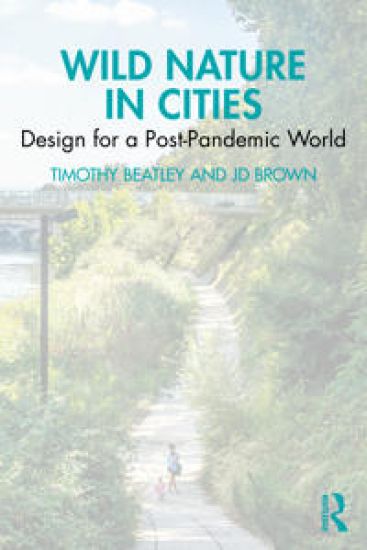
This book collects the many stories, experiences and innovative policies and strategies by which cities and local governments have helped to facilitate and strengthen essential pandemic-era nature-connections. It makes the central point that contact with nature and the outdoors was (and is) an essential element of a healthy, resilient city, Investing in wild nature and the many opportunities to experience and enjoy will be critical for cities in preparing for the next pandemic, as well as the many other crises and stressors, small and large, that cities will face. The book discusses in detail the many different spaces and places in cities where nature was discovered or rediscovered, from parks and urban forests to balconies and rooftops and stoops. From re-purposing the physical spaces of the city to allow strolling, hiking, bicycling and outdoor eating, to the ways the cities are beginning to address pandemic-induced unemployment through nature- based enterprises, the book provides an extensive collection and catalogue of the many different and unique things cities and local governments are doing. The authors explore how these nature connections (before and after the pandemic) have helped individuals, families and communities to successfully respond to and weather the pandemic. And each chapter is forward-looking–what can the experiences of wild nature during the pandemic tell us about future urban planning and design, and can these experiences inspire and motivate us to protect, grow and design-in more wild nature in cities? The book provides a view to the longer-term effects of the pandemic on the design of cities and how nature will figure into these trends and likely future changes. The book will be useful to policymakers, urban researchers, and citizens, as well as students and faculty.
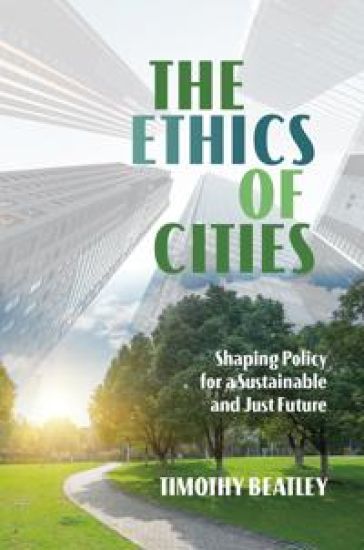
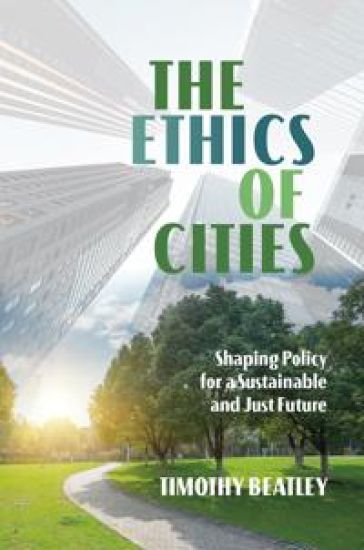
Ethical dilemmas and value conflicts affect cities globally, but urban leaders and citizens often avoid confronting them directly and instead view the governance of cities as primarily an administrative task or, even worse, a merely political one. Timothy Beatley challenges readers to consider the issues in our cities not simply as legal or economic problems but as moral ones, asking readers "How can a city become more ethical?" Beatley unearths, exposes, and explores the many ethical questions cities face today and touches on many topics, from privacy and crime to racism and the ethics of public space. Drawing from recent policy debates and using extensive examples to consider complex ethical dilemmas, Beatley argues that cities must expand the definition of the moral community to include all their citizens. Cities must take profound steps to address social injustice and plan for climate change—both moral obligations—and this approachable and readable introduction to moral philosophy, urban planning, and social justice will help new generations to grapple with these global issues.
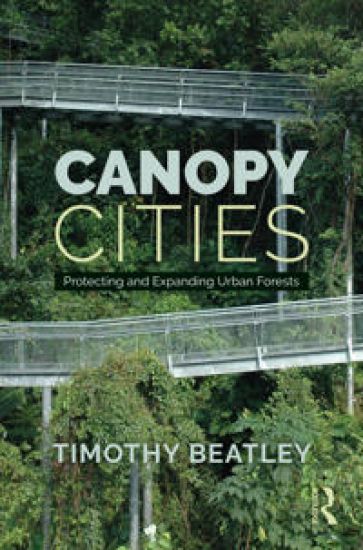
This book provides a comprehensive overview of the essential role of trees and forests in cities and examines the creative approaches cities around the world are taking to protect trees and expand their urban forests.Moving beyond the view that trees are luxuries and therefore non-essential to the life of a city, the book examines urban tree policies and approaches that foster tree protection, including tree codes and bylaws, and calls for greater community engagement to preserve this important facet of urban life. Through an international range of examples and case studies, featuring cities in the United States, Canada, Singapore, the Netherlands, Australia, France, New Zealand, Mexico, Sierra Leone, and the United Kingdom. The book offers best practice examples where trees have been further integrated into the fabric of urban planning and design, including forested towers, interior rainforests, tiny urban forests, and metropolitan forests.Written by a leading authority in the field, this is a fascinating read for researchers, students, and practitioners in urban planning, landscape architecture, and environmental policy and planning.
Biophilic Cities for an Urban Century
Robert McDonald; Timothy Beatley
Springer Nature Switzerland AG
2021
nidottu
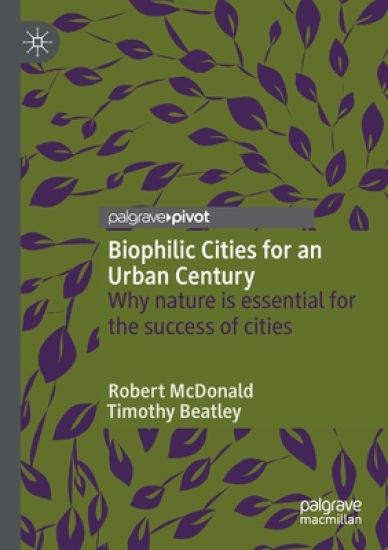
?This book argues that, paradoxically, at their moment of triumph and fastest growth, cities need nature more than ever. Only if our urban world is full of biophilic cities will the coming urban century truly succeed. Cities are quintessentially human, the perfect forum for interaction, and we are entering what could justly be called the urban century, the fastest period of urban growth in human history. Yet a growing body of scientific literature shows that the constant interaction, the hyper-connectedness, of cities leads to an urban psychological penalty. Nature in cities can be solution to this dilemma, allowing us to have all the benefits of our urban, connected world yet also have that urban home be a place where humanity can thrive. This book presents best practices and case studies from biophilic design, showing how cities around the world are beginning to incorporate nature into their urban fabric. It will be a valuable resource for scholars and professionals working in the area of sustainable cities.
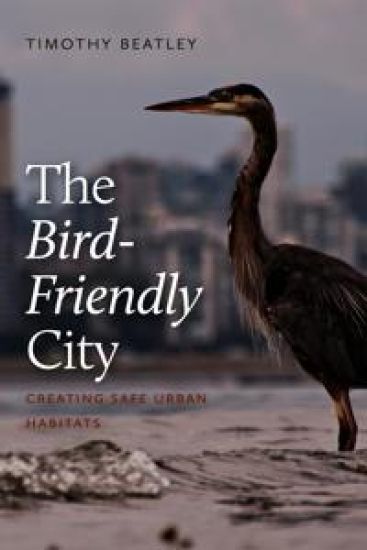
How does a bird experience a city? A backyard? A park? As the world has become more urban, noisier from increased traffic, and brighter from streetlights and office buildings, it has also become more dangerous for countless species of birds. Warblers become disoriented by nighttime lights and collide with buildings. Ground-feeding sparrows fall prey to feral cats. Hawks and other birds-of-prey are sickened by rat poison. These name just a few of the myriad hazards. How do our cities need to change in order to reduce the threats, often created unintentionally, that have resulted in nearly three billion birds lost in North America alone since the 1970s? In The Bird-Friendly City, Timothy Beatley, a longtime advocate for intertwining the built and natural environments, takes readers on a global tour of cities that are reinventing the status quo with birds in mind. Efforts span a fascinating breadth of approaches: public education, urban planning and design, habitat restoration, architecture, art, civil disobedience, and more. Beatley shares empowering examples, including: advocates for "catios," enclosed outdoor spaces that allow cats to enjoy backyards without being able to catch birds; a public relations campaign for vultures; and innovations in building design that balance aesthetics with preventing bird strikes. Through these changes and the others Beatley describes, it is possible to make our urban environments more welcoming to many bird species. Readers will come away motivated to implement and advocate for bird-friendly changes, with inspiring examples to draw from. Whether birds are migrating and need a temporary shelter or are taking up permanent residence in a backyard, when the environment is safer for birds, humans are happier as well.
Biophilic Cities for an Urban Century
Robert McDonald; Timothy Beatley
Springer Nature Switzerland AG
2020
sidottu
?This book argues that, paradoxically, at their moment of triumph and fastest growth, cities need nature more than ever. Only if our urban world is full of biophilic cities will the coming urban century truly succeed. Cities are quintessentially human, the perfect forum for interaction, and we are entering what could justly be called the urban century, the fastest period of urban growth in human history. Yet a growing body of scientific literature shows that the constant interaction, the hyper-connectedness, of cities leads to an urban psychological penalty. Nature in cities can be solution to this dilemma, allowing us to have all the benefits of our urban, connected world yet also have that urban home be a place where humanity can thrive. This book presents best practices and case studies from biophilic design, showing how cities around the world are beginning to incorporate nature into their urban fabric. It will be a valuable resource for scholars and professionals working in the area of sustainable cities.
There is a growing recognition of the contact we need with nature to be happy, healthy and to lead meaningful lives. We need that nature daily, if not hourly, and so it must be nearby to where we live and work. This is central to the concept of ‘biophilic cities’ which is emerging as a global movement and guiding framework for city design and planning. Blue Biophilic Cities is about the promise of this movement and a kind of biophilic urbanism that is possible for cities perched on the edge of harbours and seas. In blue biophilic cities, much of the nearby nature is to be found in the marine realm. This book explores the efforts underway in a number of cities to foster new marine connections through a variety of innovative programs and initiatives. It also discusses a number of design ideas, from dynamic shoreline edges and floodable parks to living breakwaters, in order to emphasise the possibility of designing for resilience while also supporting marine biodiversity and strengthening biophilic connections to the marine world.
What does it mean to be a resilient city in the age of a changing climate and growing inequity? As urban populations grow, how do we create efficient transportation systems, access to healthy green space, and lower-carbon buildings for all citizens? Peter Newman, Timothy Beatley, and Heather Boyer respond to these questions in the revised and updated edition of Resilient Cities. Since the first edition was published in 2009, interest in resilience has surged, in part due to increasingly frequent and deadly natural disasters, and in part due to the contribution of our cities to climate change. The number of new initiatives and approaches from citizens and all levels of government show the promise as well as the challenges of creating cities that are truly resilient. The authors' hopeful approach to creating cities that are not only resilient, but striving to become regenerative, is now organised around their characteristics of a resilient city.A resilient city is one that uses renewable and distributed energy; has an efficient and regenerative metabolism; offers inclusive and healthy places; fosters biophilic and naturally adaptive systems; is invested in disaster preparedness; and is designed around efficient urban fabrics that allow for sustainable mobility. Resilient Cities, Second Edition reveals how the resilient city characteristics have been achieved in communities around the globe. The authors offer stories, insights, and inspiration for urban planners, policymakers, and professionals interested in creating more sustainable, equitable, and, eventually, regenerative cities. Most importantly, the book is about overcoming fear and generating hope in our cities. Cities will need to claim a different future that helps us regenerate the whole planet, this is the challenge of resilient cities.
What if, even in the heart of a densely developed city, people could have meaningful encounters with nature? While parks, street trees, and green roofs are increasingly appreciated for their technical services like storm water reduction, from a biophilic viewpoint, they also facilitate experiences that contribute to better physical and mental health: natural elements in play areas can lessen children's symptoms of ADHD and adults who exercise in natural spaces can experience greater reductions in anxiety and blood pressure. The Handbook of Biophilic City Planning & Design offers practical advice and inspiration for ensuring nature in the city is more than infrastructure, that it also creates an emotional connection to the earth and promotes well-being among urban residents. Divided into six parts, the Handbook begins by introducing key ideas, literature, and theory about biophilic urbanism; followed by chapters that highlight urban biophilic innovations in more than a dozen global cities; the final part concludes with lessons on how to advance an agenda for urban biophilia and an extensive list of resources.As the most comprehensive reference on the emerging field of biophilic urbanism, the Handbook is essential reading for students and practitioners looking to place nature at the core of their planning and design ideas and encourage what pre-eminent biologist E. O. Wilson described as "the innate emotional connection of humans to all living things."
What would it mean to live in cities designed to foster feelings of connectedness to the ocean? As coastal cities begin planning for climate change and rising sea levels, author Timothy Beatley sees opportunities for rethinking the relationship between urban development and the ocean. Modern society is more dependent upon ocean resources than people are commonly aware of, from oil and gas extraction to wind energy, to the vast amounts of fish harvested globally, to medicinal compounds derived from sea creatures, and more. In Blue Urbanism, Beatley argues that, given all we've gained from the sea, city policies, plans, and daily urban life should acknowledge and support a healthy ocean environment. The book explores issues ranging from urban design and land use, to resource extraction and renewable energy, to educating urbanites about the wonders of marine life. Beatley looks at how emerging practices like "community supported fisheries" and aquaponics can provide a sustainable alternative to industrial fishing practices. Other chapters delve into incentives for increasing use of wind and tidal energy as renewable options to oil and gas extraction that damages ocean life, and how the shipping industry is becoming more "green." Additionally, urban citizens, he explains, have many opportunities to interact meaningfully with the ocean, from beach cleanups to helping scientists gather data. Ultimately, he explains that we must create a culture of "ocean literacy" using a variety of approaches, from building design and art installations that draw inspiration from marine forms, to encouraging citizen volunteerism related to oceans, to city-sponsored research, and support for new laws that protect marine health. Equal parts inspiration and practical advice for urban planners, ocean activists, and policymakers, Blue Urbanism offers a comprehensive look at the challenges and great potential for urban areas to integrate ocean health into their policy and planning goals.
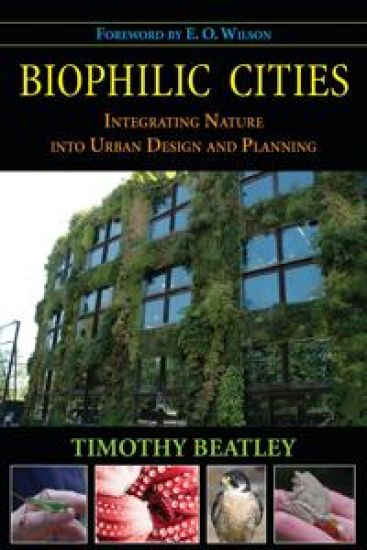
Tim Beatley has long been a leading advocate for the "greening" of cities. But too often, he notes, urban greening efforts focus on everything except nature, emphasising such elements as public transport, renewable energy production, and energy efficient building systems. While these are important aspects of re-imagining urban living, they are not enough, says Beatley. We must remember that human beings have an innate need to connect with the natural world (the biophilia hypothesis). And any vision of a sustainable urban future must place its focus squarely on nature, on the presence, conservation, and celebration of the actual green features and natural life forms. A biophilic city is more than simply a biodiverse city, says Beatley. It is a place that learns from nature and emulates natural systems, incorporates natural forms and images into its buildings and cityscapes, and designs and plans in conjunction with nature. A biophilic city cherishes the natural features that already exist but also works to restore and repair what has been lost or degraded. In Biophilic Cities Beatley not only outlines the essential elements of a biophilic city, but provides examples and stories about cities that have successfully integrated biophilic elements - from the building to the regional level - around the world. From urban ecological networks and connected systems of urban green space, to green rooftops and green walls and sidewalk gardens, Beatley reviews the emerging practice of biophilic urban design and planning, and tells many compelling stories of individuals and groups working hard to transform cities from grey and lifeless to green and biodiverse.
Tim Beatley has long been a leading advocate for the 'greening' of cities. But too often, he notes, urban greening efforts focus on everything except nature, emphasising such elements as public transport, renewable energy production, and energy efficient building systems. While these are important aspects of re-imagining urban living, they are not enough, says Beatley. We must remember that human beings have an innate need to connect with the natural world (the biophilia hypothesis). And any vision of a sustainable urban future must place its focus squarely on nature, on the presence, conservation, and celebration of the actual green features and natural life forms. A biophilic city is more than simply a biodiverse city, says Beatley. It is a place that learns from nature and emulates natural systems, incorporates natural forms and images into its buildings and cityscapes, and designs and plans in conjunction with nature. A biophilic city cherishes the natural features that already exist but also works to restore and repair what has been lost or degraded. In "Biophilic Cities Beatley" not only outlines the essential elements of a biophilic city, but provides examples and stories about cities that have successfully integrated biophilic elements - from the building to the regional level - around the world. From urban ecological networks and connected systems of urban green space, to green rooftops and green walls and sidewalk gardens, Beatley reviews the emerging practice of biophilic urban design and planning, and tells many compelling stories of individuals and groups working hard to transform cities from grey and lifeless to green and biodiverse.
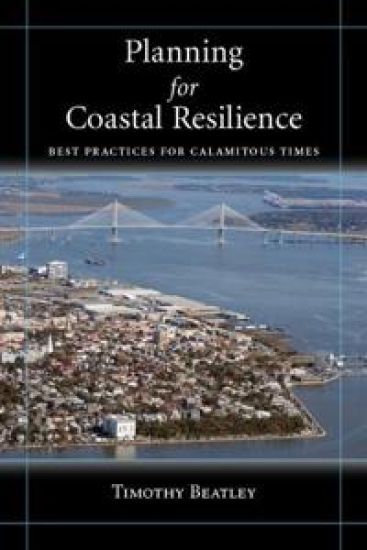
Why and how coastal regions should prepare for climatic catastrophes. Climate change is predicted to increase the frequency and magnitude of coastal storms around the globe, and the anticipated rise of sea levels will have enormous impact on fragile and vulnerable coastal regions. In "Planning for Coastal Resilience", Tim Beatley argues that, in the face of such threats, all future coastal planning and management must reflect a commitment to the concept of resilience. In this timely book, he writes that coastal resilience must become the primary design and planning principle to guide all future development and all future infrastructure decisions. Resilience, Beatley explains, is a profoundly new way of viewing coastal infrastructure - an approach that values smaller, decentralized kinds of energy, water, and transport more suited to the serious physical conditions coastal communities will likely face. Implicit in the notion is an emphasis on taking steps to build adaptive capacity, to be ready ahead of a crisis or disaster. It is anticipatory, conscious, and intentional in its outlook. After defining and explaining coastal resilience, Beatley focuses on what it means in practice. Resilience goes beyond reactive steps to prevent or handle a disaster. It takes a holistic approach to what makes a community resilient, including such factors as social capital and sense of place. Beatley provides case studies of five U.S. coastal communities, and 'resilience profiles' of six North American communities, to suggest best practices and to propose guidelines for increasing resilience in threatened communities. The work described in this book was commissioned and supported by the Coastal Services Center of the National Oceanic and Atmospheric Administration. Headquartered in Charleston, South Carolina, its mission is to foster and sustain the environmental and economic well-being of the nation's coasts by linking people, information, and technology.
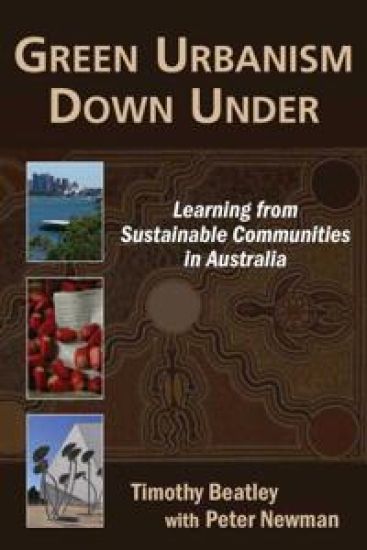
This book offers a uniquely practical look at how 'green' solutions in Australia can benefit U.S. cities. In this immensely practical book, Timothy Beatley sets out to answer a simple question: what can Americans learn from Australians about 'greening' city life? "Green Urbanism Down Under" reports on the current state of 'sustainability practice' in Australia and the many lessons that U.S. residents can learn from the best Australian programs and initiatives.Australia is similar to the United States in many ways, especially in its 'energy footprint.' For example, Australia's per capita greenhouse gas emissions are second only to those of the United States. A similar percentage of its residents live in cities (85 percent in Australia vs. 80 percent in the United States). And it suffers from parallel problems of air and water pollution, a national dependence on automobiles, and high fossil fuel consumption. Still, after traveling throughout Australia, Beatley finds that there are myriad creative responses to these problems - and that they offer instructive examples for the United States."Green Urbanism Down Under" is a very readable collection of solutions. Although many of these innovative solutions are little-known outside Australia, they all present practical possibilities for U.S. cities. Beatley describes 'green transport' projects, 'city farms,' renewable energy plans, green living programs, and much more. He considers a host of public policy initiatives and scrutinizes regional and state planning efforts for answers. In closing, he shares his impressions about how Australian results might be applied to U.S. problems.This is a unique book: hopeful, constructive, and filled with ideas that have been proven to work. It is a 'must read' for anyone who cares about the future of American cities.
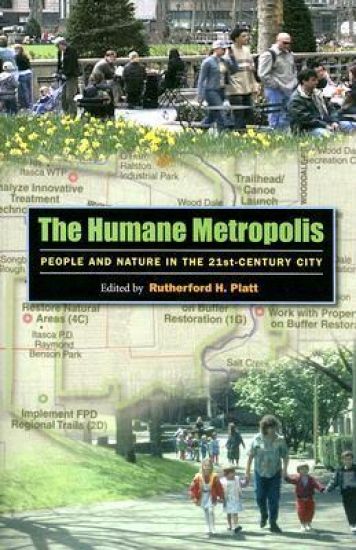
The Humane Metropolis
Carl Anthony; Thomas Balsley; Timothy Beatley; Eugenie Birch; Edward J. Blakely; Colin M. Cathcart; Steven E. Clemants; Christopher A. De Sousa; Steven N. Handel
University of Massachusetts Press
2006
nidottu
Four-fifths of Americans now live in the nation's sprawling metropolitan areas, and half of the world's population is now classified as ""urban."" As cities become the dominant living environment for humans, there is growing concern about how to make such places more habitable, more healthy and safe, more ecological, and more equitable - in short, more ""humane."" This book explores the prospects for a more humane metropolis through a series of essays and case studies that consider why and how urban places can be made greener and more amenable. Its point of departure is the legacy of William H. Whyte (1917-1999), one of America's most admired urban thinkers. From his eyrie high above Manhattan in the offices of the Rockefeller Brothers Fund, Whyte laid the foundation for today's ""smart growth"" and ""new urbanist"" movements with books, such as ""The Last Landscape"" (1968). His passion for improving the habitability of cities and suburbs is reflected in the diverse grass-roots urban design and regreening strategies discussed in this volume. Topics examined in this book include urban and regional greenspaces, urban ecological restoration, social equity, and green design. Some of the contributors are recognized academic experts, while others offer direct practical knowledge of particular problems and initiatives. The editor's introduction and epilogue set the individual chapters in a broader context and suggest how the strategies described, if widely replicated, may help create more humane urban environments.