Kirjailija
UNKNOWN
Kirjat ja teokset yhdessä paikassa: 630 kirjaa, julkaisuja vuosilta 1900-2031, suosituimpien joukossa SILVER BIRCH SPEAKS (CASSETTE). Vertaile teosten hintoja ja tarkista saatavuus suomalaisista kirjakaupoista.
Mukana myös kirjoitusasut: (Unknown)
630 kirjaa
Kirjojen julkaisuhaarukka 1900-2031.


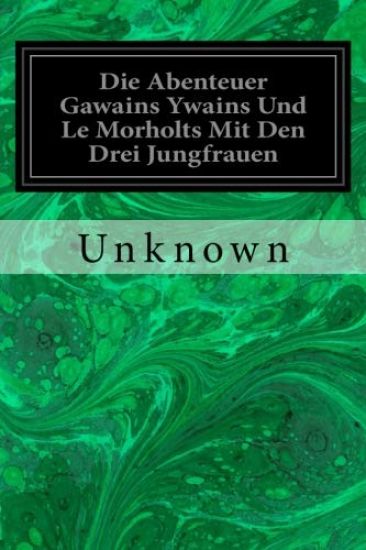
Die Abenteuer Gawains Ywains Und Le Morholts Mit Den Drei Jungfrauen: Aus der Trilogie (Demanda) Des Pseudo-Robert de Borron
Unknown
Createspace Independent Publishing Platform
2016
nidottu
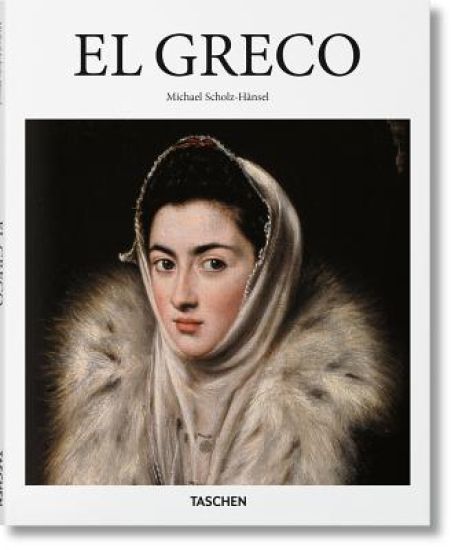
To his contemporaries in late 16th-century Venice, El Greco (1541–1614) was a contrary fellow, an innate artist blessed with extraordinary talent, but stubborn in the pursuit of his own path. Throughout his career, as he progressed from Crete to Venice, to Rome and ultimately Toledo, Spain, “The Greek” stood apart from his peers, merging different Western art traditions to create a unique pictorial language. El Greco’s single-minded style rejected naturalism and rejected accessibility. Works such as The Disrobing of Christ (1577–79), The Burial of the Count of Orgaz (1586–88), and The Vision of St John (1608–14) reveal elongated, twisted figures; unreal colors; and an experimental rendering of space — all resistant to easy viewing and intent, instead, on an art of epic grandeur and intellectual beauty. Frequently regarded with suspicion and criticism during his lifetime, El Greco was revived by a troop of ardent modern admirers, including Pablo Picasso, Roger Fry, and Der Blaue Reiter pioneer Franz Marc. Today, the artist belongs to the privileged group of great old master painters, as much an anomaly of his age, as a reference point across the centuries. This essential introduction from TASCHEN Basic Art 2.0 explores the influences and the ingredients of El Greco’s radical and singular vision, from the symbolic world of Byzantine icons and the humanistic values of the Renaissance to the nascent beginnings of conceptual practice.

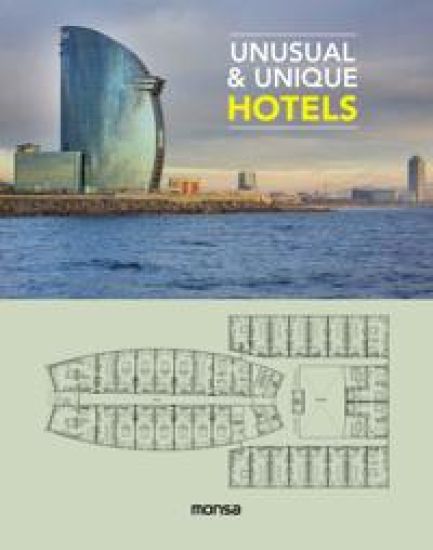
This superbly illustrated volume showcase some of the finest examples of unusual and unique hotel designs from around the world - including New York, Berlin, Singapore, Barcelona, Copenhagen, Brussels, and more. Each of the featured projects in Unusual & Unique Hotels is accompanied by full-colour photography, detailed architectural illustrations, and information about the project concept, the architects, and those involved in construction.
Campward Ho! A Manual for Girl Scout Camps
Unknown
Createspace Independent Publishing Platform
2016
nidottu
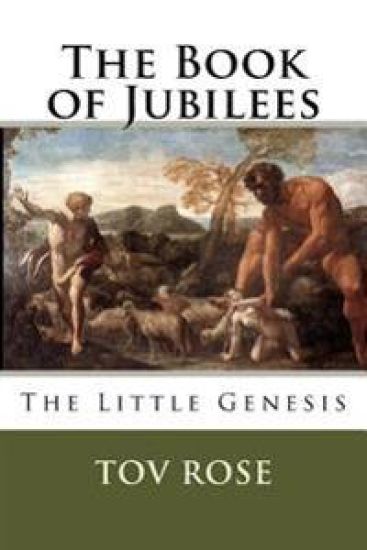
The Book of Jubilees: The Little Genisys
Unknown
Createspace Independent Publishing Platform
2016
nidottu
The Book of Jubilees, sometimes called Lesser Genesis (Leptogenesis), is an ancient Jewish religious work of 50 chapters, considered canonical by the Ethiopian Orthodox Church as well as Beta Israel (Ethiopian Jews), where it is known as the Book of Division (Ge'ez: Mets'hafe Kufale). Jubilees is considered one of the pseudepigrapha by Protestant, Roman Catholic, and Eastern Orthodox Churches. It was well known to Early Christians, as evidenced by the writings of Epiphanius, Justin Martyr, Origen, Diodorus of Tarsus, Isidore of Alexandria, Isidore of Seville, Eutychius of Alexandria, John Malalas, George Syncellus, and George Kedrenos. The text was also utilized by the Essenes community that originally collected the Dead Sea Scrolls. No complete Hebrew, Greek or Latin version is known to have survived. The Book of Jubilees claims to present "the history of the division of the days of the Law, of the events of the years, the year-weeks, and the jubilees of the world" as revealed to Moses (in addition to the Torah or "Instruction") by Angels while he was onMount Sinai for forty days and forty nights. The chronology given in Jubilees is based on multiples of seven; the jubilees are periods of 49 years, seven "year-weeks", into which all of time has been divided.

The title accurately designates the Israel-centric provenance of this Aramaic version of the Torah (though "Jerusalemite" should not be taken literally, since the city of Jerusalem did not exist as a place of Jewith habitation at the time that this text was composed).***NOTE: This Targum is very incomplete. Do not expect a complete book. A complete copy of this Targum is not known to exist. In light of the discovery of many manuscripts containing similar works, it can be recognized that the Targum Yerushalmi that appears in the Mikra'ot Gedolot is but one representative of a larger family of Aramaic texts that are designated in the scholarly literature as "Fragmentary Targums."Dates: Although the known manuscripts of these Targums are from the 11th-13th century, it appears that their contents originated hundreds of years earlier.Place: IsraelDescription: The "Targum Yerushalmi" does not provide a complete Aramaic translation of the Torah, but is confined to specific verses (or sometimes just individual phrases or words). There is no evidence that this Targum was intended to provide alternative readings for one of the complete Targum texts.***NOTE This Targum is VERY incomplete. Do not expect a whole book filled with text.