Kirjailija
William S. Burroughs
Kirjat ja teokset yhdessä paikassa: 66 kirjaa, julkaisuja vuosilta 1979-2026, suosituimpien joukossa Naked Lunch: The Restored Text. Vertaile teosten hintoja ja tarkista saatavuus suomalaisista kirjakaupoista.
Mukana myös kirjoitusasut: William S Burroughs
66 kirjaa
Kirjojen julkaisuhaarukka 1979-2026.
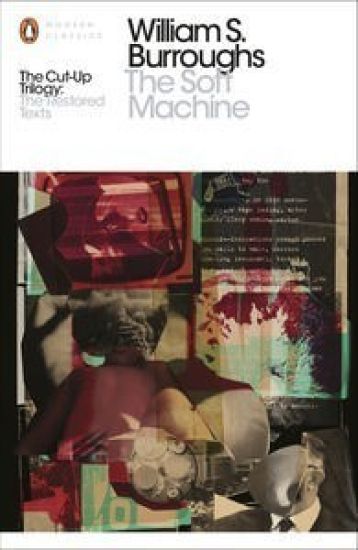
A terrifying, surreal space-age odyssey, The Soft Machine initiated Burroughs' Cut-Up Trilogy that includes Nova Express and The Ticket That Exploded. The book draws the reader into an unmappable textual space, where nothing is true and everything is permitted, to make a total assault on the colonising powers of planet earth that have turned us all into machines.Edited and introduced by renowned Burroughs scholar Oliver Harris, this new edition clarifies for the first time the extraordinary history of The Soft Machine's writing and rewriting, demolishing the myths of Burroughs' chance-based writing methods and demonstrating for a new generation the significance of his greatest experiment.
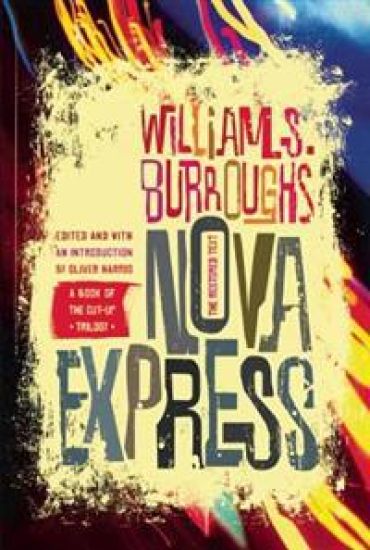
The most ferociously political and prophetic book of Burroughs's "cut-up" trilogy, Nova Express fires the reader into a textual outer space the better to see our burning planet and the operations of the Nova Mob in all their ugliness. As the new edition demonstrates, the shortest of the three books was cut by Burroughs from an extraordinary wealth of typescripts to create a visionary demand to take back the world that has been stolen from us. Edited from the original manuscripts by renowned Burroughs scholar Oliver Harris, this revised edition incorporates an introduction and appendices of never before seen materials.
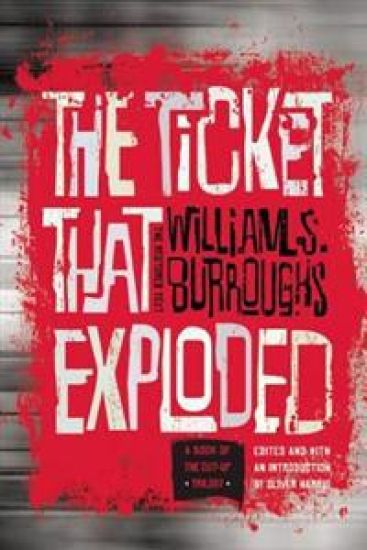
As this new edition reveals, the cultural reach of The Ticket That Exploded has expanded with the viral logic of Burroughs's multimedia methods, recycling itself into our digital environment. A last chance antidote to the virus of lies spread by the ad men and con men of the Nova Mob, Burroughs's book is an outrageous hybrid of pulp science fiction, obscene experimental poetry, and manifesto for revolution--as fresh today as it ever has been. Edited from the original manuscripts by renowned Burroughs scholar Oliver Harris, this revised edition incorporates an introduction and appendices of never before seen materials.
"Sheer pleasure. . . . Wonderfully entertaining."--Chicago Sun-TimesAcclaimed by Norman Mailer more than twenty years ago as "possibly the only American writer of genius," William S. Burroughs has produced a body of work unique in our time. In these scintillating essays, he writes wittily and wisely about himself, his interests, his influences, his friends and foes. He offers candid and not always flattering assessments of such diverse writers as Ernest Hemingway, F. Scott Fitzgerald, Joseph Conrad, Graham Greene, Jack Kerouac, Allen Ginsberg, Samuel Beckett, and Marcel Proust. He ruminates on science and the often dubious paths into which it seems intent on leading us, whether into outer or inner space. He reviews his reviewers, explains his famous "cut-up" method, and discusses the role coincidence has played in his life and work. As satirist and parodist, William Burroughs has no peer, as these varied works, written over three decades, amply reveal.
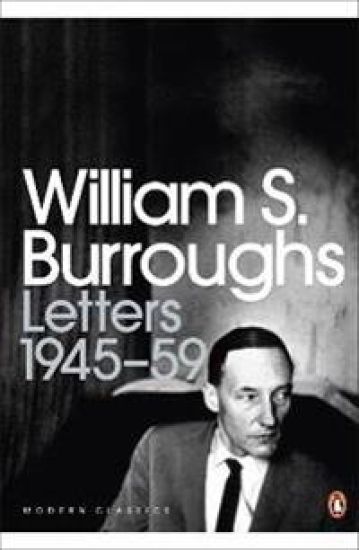
These letters cover the activities of Burroughs, Allen Ginsberg, and Jack Kerouac in the years that gave birth to the Beat Generation. Written mostly to Ginsberg or Kerouac, the letters provide a rare glimpse into Burroughs's psyche, revealing his struggle with drug addiction, his confusion over his sexual identity, and his search for a form fluid enough to mirror his mind and art.
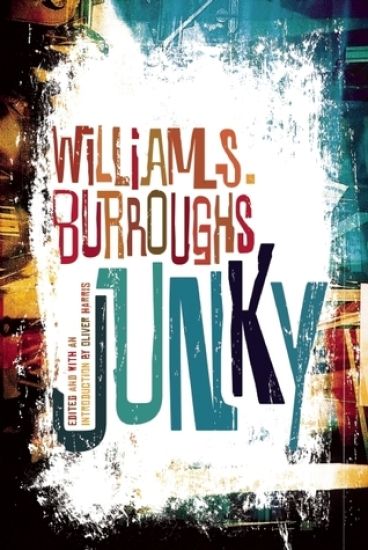
Junk is not, like alcohol or a weed, a means to increased enjoyment of life. Junk is not a kick. It is a way of life.In his debut novel, Junky, Burroughs fictionalized his experiences using and peddling heroin and other drugs in the 1950s into a work that reads like a field report from the underworld of post-war America. The Burroughs-like protagonist of the novel, Bill Lee, see-saws between periods of addiction and rehab, using a panoply of substances including heroin, cocaine, marijuana, paregoric (a weak tincture of opium) and goof balls (barbiturate), amongst others. For this definitive edition, renowned Burroughs scholar Oliver Harris has gone back to archival typescripts to re-created the author's original text word by word. From the tenements of New York to the queer bars of New Orleans, Junky takes the reader into a world at once long-forgotten and still with us today. Burroughs's first novel is a cult classic and a critical part of his oeuvre.
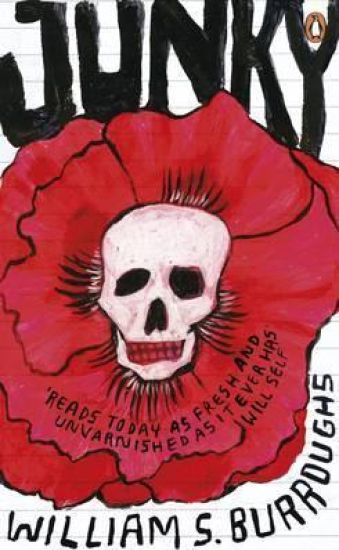
'Junk is not, like alcohol or weed, a means to increased enjoyment of life. Junk is not a kick. It is a way of life'William Burroughs, legendary drug addict, founder member of the Beats and author of Naked Lunch, relates with unflinching realism the addict's life: from initial heroin bliss to an unabated hunger for the needle, and the horrors of cold turkey and back again.
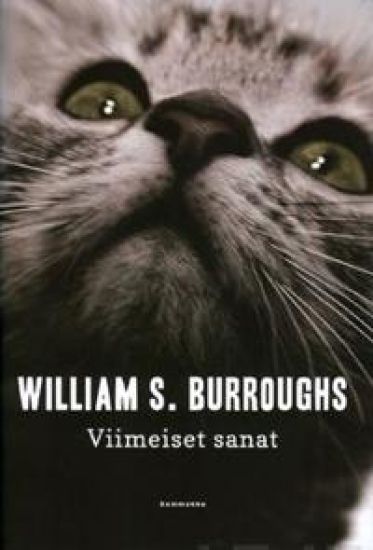
William S. Burroughs (1914-1997) kirjoitti elämänsä ehtoossa enää vain päiväkirjojaan. Viimeiset sanat sisältää hänen yhdeksän viimeisen elinkuukautensa päiväkirjamerkinnät. Teksteistä piirtyy monitahoinen, harvinaislaatuinen ja henkilökohtaisen muotokuva kahdeksankymppisestä beatin kummisedästä, joka alkaa hyväksyä ikääntymisen ja vääjäämättömän. Monella tapaa aikaansa edellä ollut Burroughs pysyi lukijan onneksi omanlaisenaan loppuun asti: kriittisenä, terävänä, shokeeraavana ja hauskana.
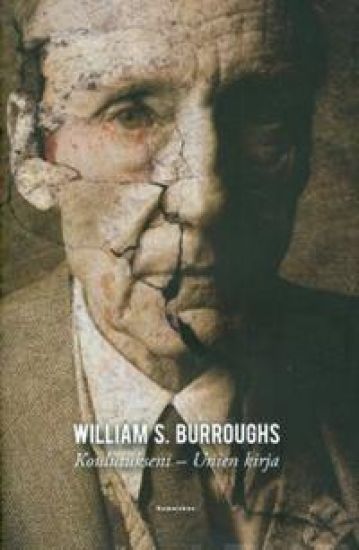
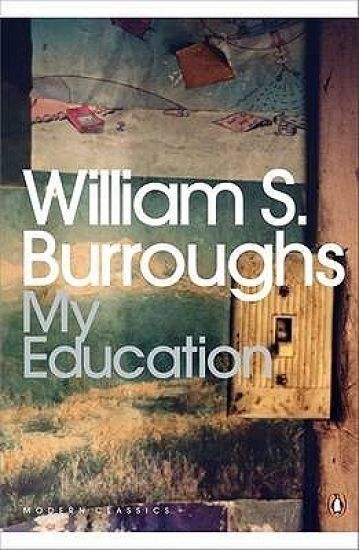
William S. Burroughs tekee uuden aluevaltauksen, mutta kyseenalaistaa jälleen totutulla tavallaan todellisuuden rakenteet. Unet ovat aina olleet Burroughsin tuotannossa rikas kuvaston lähde, mutta tässä kirjassa ne tuodaan lukijan koettavaksi sellaisenaan. Kirja on koottu sadoista Burroughsin intensiivisistä, elävistä ja visionäärisistä unista. Koulutukseni tutkii ja ilmentää Burroughsin provokatiivisia ajatuksia kirjoittamisesta, maalaamisesta, tajunnasta ja luovuudesta. Se on äärimmäisen henkilökohtainen teos ja käy tekijänsä muistelmista.
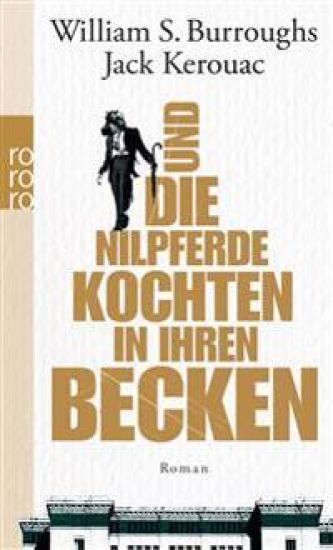
Und die Nilpferde kochten in ihren Becken
William S. Burroughs; Jack Kerouac
Rowohlt Taschenbuch
2011
pokkari
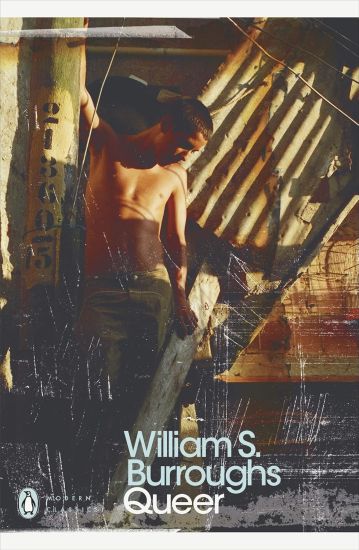
Originally written in 1952 but not published till 1985, Queer is an enigma - both an unflinching autobiographical self-portrait and a coruscatingly political novel, Burroughs' only realist love story and a montage of comic-grotesque fantasies that paved the way for his masterpiece, Naked Lunch. Set in Mexico City during the early fifties, Queer follows William Lee's hopeless pursuit of desire from bar to bar in the American expatriate scene. As Lee breaks down, the trademark Burroughsian voice emerges; a maniacal mix of self-lacerating humor and the Ugly American at his ugliest. A haunting tale of possession and exorcism, Queer is also a novel with a history of secrets, as this new edition reveals.
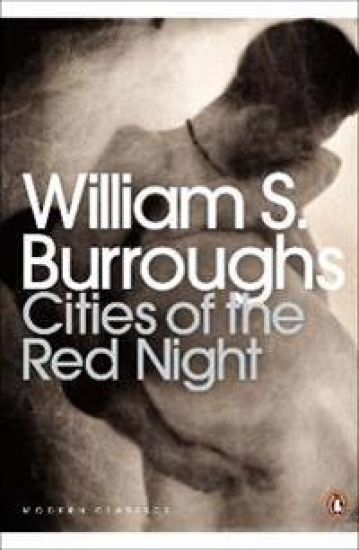
An opium addict is lost in the jungle; young men wage war against an empire of mutants; a handsome young pirate faces his execution; and the world's population is infected with a radioactive epidemic. These stories are woven together in a single tale of mayhem and chaos. In the first novel of the trilogy continued in The Place of Dead Roads and The Western Lands, William Burroughs sharply satirizes modern society in a poetic and shocking story of sex, drugs, disease and adventure.
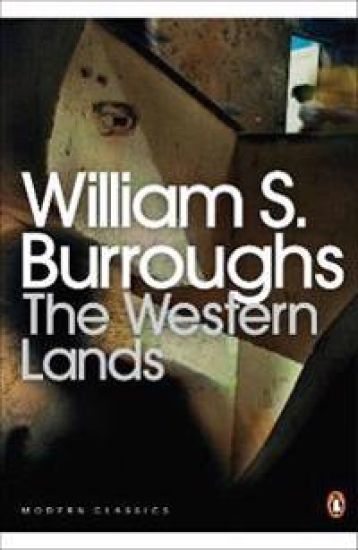
A fascinating mix of autobiographical episodes and extraordinary Egyptian theology, Burroughs's final novel is poignant and melancholic. Blending war films and pornography, and referencing Kafka and Mailer, The Western Lands confirms his status as one of America's greatest writers. The final novel of the trilogy containing Cities of the Red Night and The Place of Dead Roads, this is a profound meditation on morality, loneliness, life and death.
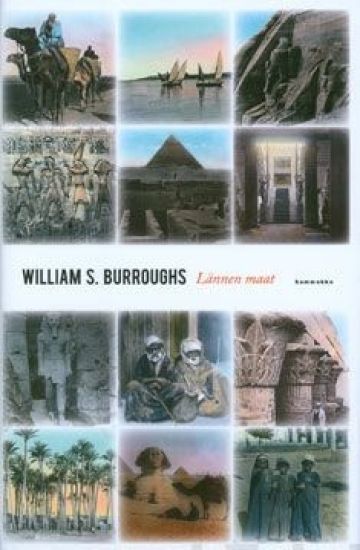
Burroughsin kehutun myöhäiskauden trilogian päätösosassa perehdytään Lännen maihin, egyptiläisten kuolemanjälkeiseen elämään. Vain harvat ja valitut selviävät sinne vaarallisella matkalla Kuolleitten valtakunnan läpi, eikä muumion säilymisestäkään ole takeita. Kirja seuraa egyptiläisen kirjuri Nefertin matkaa. Lisäksi selviää myös muun muassa se, kuka lopulta tappoi Kim Carsonsin ja miksi. Voimakastunnelmainen, jännittävä ja yllättävä romaani on komea lopetus Punaisen yön kaupunkien ja Kuolleitten katujen paikan aloittamalle trilogialle.
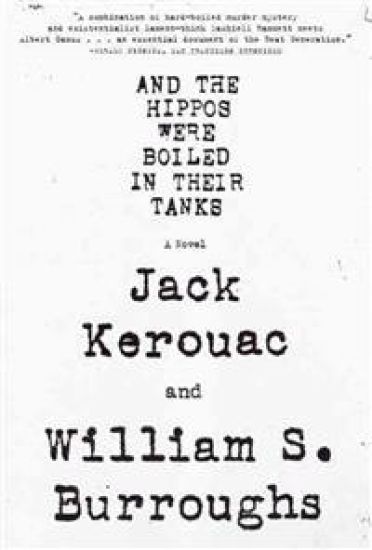
And the Hippos Were Boiled in Their Tanks
William S. Burroughs; Jack Kerouac
Grove Press / Atlantic Monthly Press
2009
nidottu
The legendary novel whose true events inspired the film KILL YOUR DARLINGSIn the summer of 1944, a shocking murder rocked the fledgling Beats. William S. Burroughs and Jack Kerouac, both still unknown, we inspired by the crime to collaborate on a novel, a hard-boiled tale of bohemian New York during World War II, full of drugs and art, obsession and brutality, with scenes and characters drawn from their own lives. Finally published after more than sixty years, this is a captivating read, and incomparable literary artifact, and a window into the lives and art of two of the twentieth century's most influential writers.
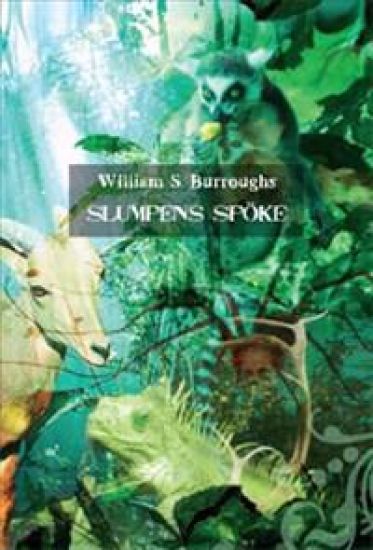
Piraten och frihetskämpen kapten Mission vandrar djupt in i Madagaskars djungler. Han är på jakt efter en sägenomspunnen lemurart, men konfronteras i stället med mänsklighetens otäcka innersta väsen. Apokalypsens portar öppnas på vid gavel och snart har hela planeten drabbats av en rad fasansfulla farsoter. Slumpens spöke är ett burleskt och svart humoristiskt äventyr där konsekvenserna av mänsklighetens dårskaper dras till sin spets. William S. Burroughs (1914?1997), homosexuell outlaw och litterär anarkist, var en av 1900-talets mest inflytelserika författare. Slumpens spöke är hans sista roman och en både grotesk och inkännande uppgörelse med kristendomen som virus, eskalerande miljöförstöring och människans fjärmande från naturen och det vilda.
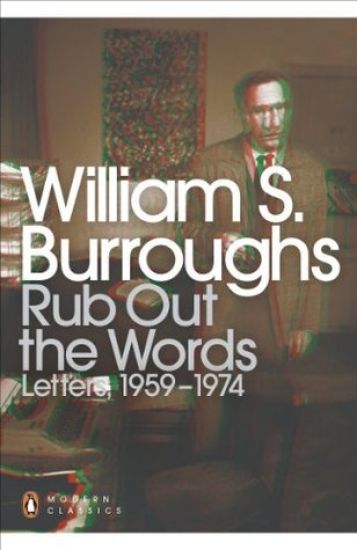
Beginning as surprisingly formal notes from the road to his friends Allen Ginsberg and Jack Kerouac, the letters gradually deepen in substance and style. Burroughs's letters show the development of both the man and the writer, vividly documenting his (often turbulent) personal and cultural history. The collection provides a key to opening up and contextualizing Burroughs's fiction, but more than that it shows how letter-writing was itself integral to his life and creative process.
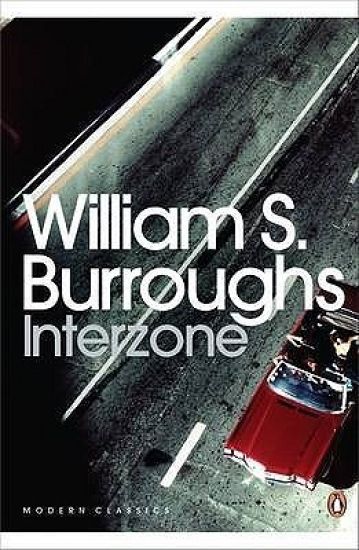
Interzone portrays the development of Burroughs's mature writing style by presenting a selection of pieces from the mid-1950s. His outrageous tone of voice represents the exorcism of four decades of oppressive sexual and social conditioning. Burroughs's close observations of humanity - its ugliness and ignorance - invites the reader to dispense with their traditional notions of decorum, and taste the world as he sees it.
My Education is Burroughs's last novel, first published two years before his death in 1997. It is a book of dreams, collected over several decades and as close to a memoir as we will see. The dreams cover themes from the mundane and ordinary - conversations with his friends Allen Ginsberg or Ian Sommerville, feeding his cats, procuring drugs or sex - to the erotic, bizarre and visionary. Always a rich source of imagery in Burroughs's own fiction, in this book dreams become a direct and powerful force in themselves.