Kirjojen hintavertailu. Mukana 12 207 468 kirjaa ja 12 kauppaa.

Kirjailija

Bruno Latour

Kirjat ja teokset yhdessä paikassa: 62 kirjaa, julkaisuja vuosilta 1986-2026, suosituimpien joukossa Prospecting Ocean. Vertaile teosten hintoja ja tarkista saatavuus suomalaisista kirjakaupoista.

62 kirjaa

Kirjojen julkaisuhaarukka 1986-2026.

Prospecting Ocean

Prospecting Ocean

Stefanie Hessler; Bruno Latour

MIT Press
2019
pokkari
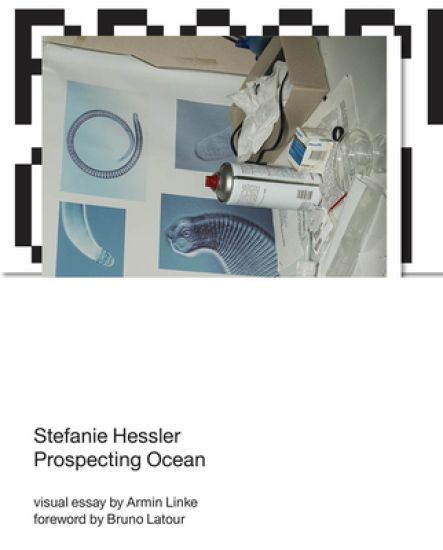
Investigating the entanglement of industry, politics, culture, and economics at the frontier of ocean excavations through an innovative union of art and science.The oceans are crucial to the planet's well-being. They help regulate the global carbon cycle, support the resilience of ecosystems, and provide livelihoods for communities. The oceans as guardians of planetary health are threatened by many forces, including growing extractivist practices. Through the innovative lens of artistic research, Prospecting Ocean investigates the entanglement of industry, politics, culture, and economics at the frontier of ocean excavation. The result is a richly illustrated study that unites science and art to examine the ecological, cultural, philosophical, and aesthetic reverberations of this current threat to the oceans.Prospecting Oceans takes as its starting point an exhibition by the photographer and filmmaker Armin Linke, which was commissioned by TBA21-Academy, London, and first shown at the Institute of Marine Science (CNR-ISMAR) in Venice. Linke is concerned with making the invisible visible, and here he unmasks the technologies that enable extractions from the ocean, including future seabed mining for minerals and sampling of genetic data. But the book extends far beyond Linke's research, presenting the latest research from a variety of fields and employing art as the place where disciplines can converge. Integrating the work of artists with scientific, theoretical, and philosophical analysis, Prospecting Ocean demonstrates that visual culture offers new and urgent perspectives on ecological crises.
Our Viral Futures

Our Viral Futures

Charlotte Brives; Bruno Latour

Columbia University Press
2026
pokkari
Increasing bacterial resistance to antibiotics is one of today’s greatest threats to public health. Yet a possible solution has emerged from a surprising source. Phage therapy deploys viruses called bacteriophages, “bacteria eaters,” to treat bacterial infections. What concerns—both biological and social—arise from using viruses in this way? What does phage therapy reveal about the links between humans and microbes? In Our Viral Futures, Charlotte Brives examines the development and implications of this therapy, providing new ways to understand our interconnections with the microbial world. Considering patients seeking treatment for chronic infections, the establishment of new regulatory frameworks, and the complex processes of laboratory research and clinical trials, she highlights the complexity and variety of the relationships among humans, phages, and bacteria. Brives places phage therapy in the context of the widespread use of antibiotics under industrial capitalism, which has deployed these treatments in order to enable ecologically devastating forms of mass production and consumption. She argues that the connections between human societies and microbial communities defy the usual categories through which science and medicine understand the world, giving rise to new moral and political questions. Interdisciplinary and nuanced, Our Viral Futures poses a provocative challenge: Instead of continuing to assert that we can control and master microbes, we must learn to coexist with them.
Our Viral Futures

Our Viral Futures

Charlotte Brives; Bruno Latour

Columbia University Press
2026
sidottu
Increasing bacterial resistance to antibiotics is one of today’s greatest threats to public health. Yet a possible solution has emerged from a surprising source. Phage therapy deploys viruses called bacteriophages, “bacteria eaters,” to treat bacterial infections. What concerns—both biological and social—arise from using viruses in this way? What does phage therapy reveal about the links between humans and microbes? In Our Viral Futures, Charlotte Brives examines the development and implications of this therapy, providing new ways to understand our interconnections with the microbial world. Considering patients seeking treatment for chronic infections, the establishment of new regulatory frameworks, and the complex processes of laboratory research and clinical trials, she highlights the complexity and variety of the relationships among humans, phages, and bacteria. Brives places phage therapy in the context of the widespread use of antibiotics under industrial capitalism, which has deployed these treatments in order to enable ecologically devastating forms of mass production and consumption. She argues that the connections between human societies and microbial communities defy the usual categories through which science and medicine understand the world, giving rise to new moral and political questions. Interdisciplinary and nuanced, Our Viral Futures poses a provocative challenge: Instead of continuing to assert that we can control and master microbes, we must learn to coexist with them.
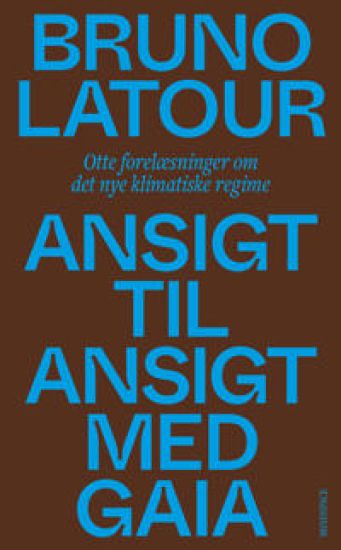
Ansigt til ansigt med Gaia

Ansigt til ansigt med Gaia

Bruno Latour

Forlaget Mindspace
2025
pokkari
”Gaia har tusind navne. Men en ting er sikker: Hun er ikke et symbol på harmoni. Der er ikke noget moderligt ved hende – medmindre vi ændrer vores opfattelse af, hvad ”en mor” i det hele taget er, og skulle hun have behov for ritualer, vil det helt sikkert ikke være de new age-danse, der senere er blevet udformet til lovprisningen af den postmoderne Gaia. Tænk blot på den infame plan, Gaia udtænkte for at skaffe sig af med sin ægtemand, Uranos.” – Fra bogen Luften, havet, gletsjerne, klimaet, jorden, alt interagerer med os, som Bruno Latour viser i sin fascinerende bog. Den gamle natur er ved at forsvinde og give plads til et væsen, hvis manifestationer er vanskelige at forudsige. Dette væsen, som langtfra er stabilt og betryggende, ser ud til at bestå af en række feedbacksløjfer i evig omvæltning. Gaia er det navn, der passer bedst til det. Gaia er ikke kloden, ikke Moder Jord, ikke en hedensk gudinde, men hun er heller ikke naturen, som vi har forestillet os den siden det 17. århundrede, den natur, der fungerer som et modstykke til den menneskelige subjektivitet. Ved at udforske Gaias tusind figurer kan vi på ny udfolde alt det, som naturbegrebet havde forvirret: en etik, en politik, en videnskab, en økonomi og endda en teologi. Ansigt til ansigt med Gaia er en grundbog for fremtidige generationer af forskere, kunstnere, aktivister, for hvem genpolitiseringen af økologien er nødvendig, når vi begynder at leve med det nye klimatiske regime. ”En fremragende og original analyse af Antropocænens politisk-filosofiske implikationer. En af de vigtigste bøger skrevet i det 21. århundrede.” – Nikolaj Schultz, sociolog
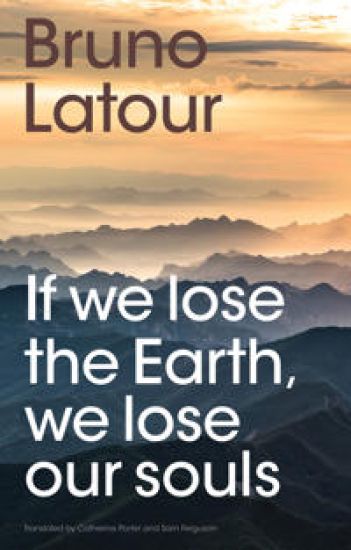
If we lose the Earth, we lose our souls

If we lose the Earth, we lose our souls

Bruno Latour

JOHN WILEY AND SONS LTD
2024
nidottu
In this book Bruno Latour calls upon Christians to join the struggle to avert a climate catastrophe. First and foremost, Christians need to overcome their lack of interest in “earthly things” and pay attention to the Earth at a time when it is being neglected. He also urges Christians to renew their understanding of their faith in the context of the new image of the world that has emerged from earth system science – that of a world in which the myriad of beings that inhabit the world are interdependent and living in close proximity on a slender, fragile membrane on the surface of the planet. This new image of the world cannot fail to have an impact on the sciences, on politics, and on religion, just as, in earlier centuries, the cosmology of Copernicus and Galileo upset the old order. Latour sees the ecological crisis, and the cosmological mutation that it entails, as an opportunity to convey anew, to the largest possible audience, the tradition of Christianity as it has never been appreciated before, by bringing to bear the lessons of eschatology on the great crisis that looms before us all.
If we lose the Earth, we lose our souls

If we lose the Earth, we lose our souls

Bruno Latour

JOHN WILEY AND SONS LTD
2024
sidottu
In this book Bruno Latour calls upon Christians to join the struggle to avert a climate catastrophe. First and foremost, Christians need to overcome their lack of interest in “earthly things” and pay attention to the Earth at a time when it is being neglected. He also urges Christians to renew their understanding of their faith in the context of the new image of the world that has emerged from earth system science – that of a world in which the myriad of beings that inhabit the world are interdependent and living in close proximity on a slender, fragile membrane on the surface of the planet. This new image of the world cannot fail to have an impact on the sciences, on politics, and on religion, just as, in earlier centuries, the cosmology of Copernicus and Galileo upset the old order. Latour sees the ecological crisis, and the cosmological mutation that it entails, as an opportunity to convey anew, to the largest possible audience, the tradition of Christianity as it has never been appreciated before, by bringing to bear the lessons of eschatology on the great crisis that looms before us all.
Var landar vi?

Var landar vi?

Bruno Latour

Bokförlaget Faethon
2023
nidottu
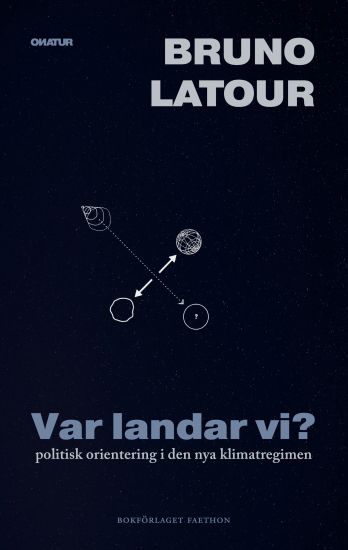
Vi lever idag under en ny klimatregim. Förstår vi inte det förstår vi ingenting av de senaste decenniernas politik. Migrationen, avregleringarna, den skenande ojämlikheten - allt detta är symptom på en och samma stora omvälvning. Själva marken under oss har ändrat karaktär. Våra gamla orienteringsverktyg fungerar inte längre. Tidigare gick det att förstå politik som en rörelse från ett lokalt förflutet mot en global framtid. Men där denna framtid fanns väntar nu en helt orealistisk glob. Och när vi försöker vända tillbaka till våra svunna hemtrakter visar de sig vara lika overkliga. Vi blir hängande i luften. Kraschen är förestående. Det gäller att illa kvickt ta ut en ny bäring och hitta någonstans att landa. Men höger som vänster, konservativa som progressiva, extremister som centrister - alla förblir vi desorienterade. I den här boken konstaterar Bruno Latour att vi inte har något val. All politik måste hädanefter orientera sig efter de ekologiska förutsättningarna för vår existens. Det kan antingen ske genom aktivt förnekande, i vilket fall politiken är dömd att förlora all substans. Eller så accepterar vi att allt måste kartläggas från scratch, att helt nya allianser måste ingås och att den hårda landningen äger rum någonstans mitt i geohistorien. I så fall kan en gemensam och beboelig värld kanske börja ta form på nytt. Bruno Latour (1947-2022) tillhör samtidens mest inflytelserika tänkare. Han verkade över många fält, från laboratoriestudier till teologi, och gav nya banbrytande beskrivningar av den moderna världen. Latours unika filosofi och starka engagemang för fortsatt mänsklig blomstring gör honom till en omistlig röst i den ekologiska omvälvningens tid.Översättarna har även försett boken med ett introducerande förord.
How to Inhabit the Earth

How to Inhabit the Earth

Bruno Latour

JOHN WILEY AND SONS LTD
2023
nidottu
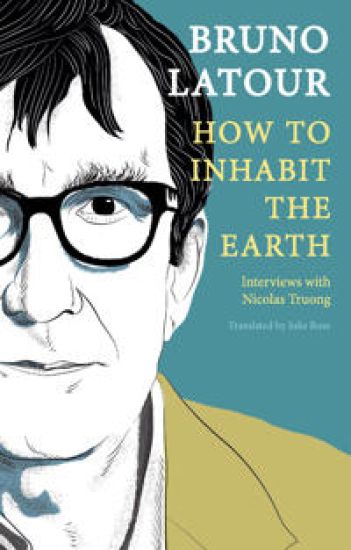
In a series of televised interviews broadcast in spring 2022, Bruno Latour explained, in clear and straightforward terms, how humans have changed the planet and why environmental disasters are an intrinsic part of modern life. We have now come to realize that all life depends on a thin skin of our planet that is only few kilometres thick – what scientists call the ‘critical zone’. Our capacity to continue to live on a planet we are transforming is now at risk and if we wish to survive as a species, we must put an end to the mechanisms of destruction, rethink our connection to living beings, and face head-on the confrontation between the extractivists who are exploiting the Earth’s resources and the ecologists. This poignant reflection on the greatest challenge of our time was also an opportunity for Latour to explain the underlying thread that guided his work throughout his career, from his pathbreaking research on the social construction of scientific knowledge to his last writings on the Anthropocene.
How to Inhabit the Earth

How to Inhabit the Earth

Bruno Latour

JOHN WILEY AND SONS LTD
2023
sidottu
In a series of televised interviews broadcast in spring 2022, Bruno Latour explained, in clear and straightforward terms, how humans have changed the planet and why environmental disasters are an intrinsic part of modern life. We have now come to realize that all life depends on a thin skin of our planet that is only few kilometres thick – what scientists call the ‘critical zone’. Our capacity to continue to live on a planet we are transforming is now at risk and if we wish to survive as a species, we must put an end to the mechanisms of destruction, rethink our connection to living beings, and face head-on the confrontation between the extractivists who are exploiting the Earth’s resources and the ecologists. This poignant reflection on the greatest challenge of our time was also an opportunity for Latour to explain the underlying thread that guided his work throughout his career, from his pathbreaking research on the social construction of scientific knowledge to his last writings on the Anthropocene.
On the Emergence of an Ecological Class

On the Emergence of an Ecological Class

Bruno Latour; Nikolaj Schultz

JOHN WILEY AND SONS LTD
2022
sidottu
Under what conditions could ecology, instead of being one cluster of movements among others, organise politics around an agenda and a set of beliefs? Can ecology aspire to define the political horizon in the way that liberalism, socialism, conservatism and other political ideologies have done at various times and places? What can ecology learn from history about how new political movements emerge, and how they win the struggle for ideas long before they translate their ideas into parties and elections? In this short text, consisting of seventy-six talking points, Bruno Latour and Nikolaj Schultz argue that if the ecological movement is to gain ideological consistency and autonomy it must offer a political narrative that recognises, embraces and effectively represents its project in terms of social conflict. Political ecology must accept that it brings along division. It must provide a convincing cartography of the conflicts it generates and, based on this, it must try to define a common horizon of collective action. In order to represent and describe these conflicts, Latour and Schultz propose to reuse the old notions of ‘class’ and ‘class struggle’, albeit infused with a new meaning in line with the ecological concerns of our New Climate Regime. Advancing the idea of a new ecological class, assembled by its collective interests in fighting the logic of production and safeguarding our planet’s conditions of habitability, they ask: how can a proud and self-aware ecological class emerge and take effective action to shape our collective future?
On the Emergence of an Ecological Class

On the Emergence of an Ecological Class

Bruno Latour; Nikolaj Schultz

JOHN WILEY AND SONS LTD
2022
nidottu
Under what conditions could ecology, instead of being one cluster of movements among others, organise politics around an agenda and a set of beliefs? Can ecology aspire to define the political horizon in the way that liberalism, socialism, conservatism and other political ideologies have done at various times and places? What can ecology learn from history about how new political movements emerge, and how they win the struggle for ideas long before they translate their ideas into parties and elections? In this short text, consisting of seventy-six talking points, Bruno Latour and Nikolaj Schultz argue that if the ecological movement is to gain ideological consistency and autonomy it must offer a political narrative that recognises, embraces and effectively represents its project in terms of social conflict. Political ecology must accept that it brings along division. It must provide a convincing cartography of the conflicts it generates and, based on this, it must try to define a common horizon of collective action. In order to represent and describe these conflicts, Latour and Schultz propose to reuse the old notions of ‘class’ and ‘class struggle’, albeit infused with a new meaning in line with the ecological concerns of our New Climate Regime. Advancing the idea of a new ecological class, assembled by its collective interests in fighting the logic of production and safeguarding our planet’s conditions of habitability, they ask: how can a proud and self-aware ecological class emerge and take effective action to shape our collective future?
Notat om den nye økologiske klasse

Notat om den nye økologiske klasse

Bruno Latour; Nikolaj Schultz

Gyldendal
2022
nidottu
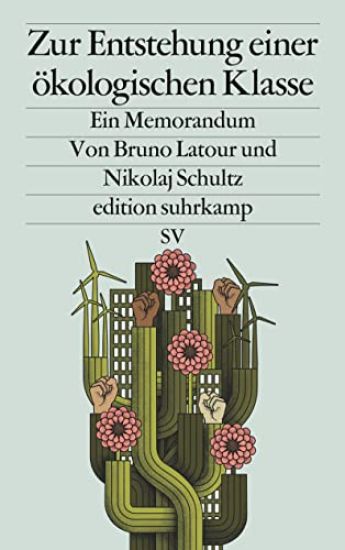
Under hvilke betingelser kan økologien, frem for blot at udgøre en række bevægelser blandt andre, organisere det politiske omkring sig? Kan den gøre sig forhåbninger om at definere den politiske horisont på samme måde, som det tidligere blev gjort af liberalismen, dernæst socialismerne, neoliberalismen og endelig, for nylig, de illiberale eller neofascistiske partier, hvis indflydelse stadig synes at vokse? Kan økologien lære af socialhistorien, hvordan nye politiske bevægelser opstår, og hvordan kampen om ideerne kan vindes, længe inden fremskridt kan manifesteres i partier og valghandlinger? I denne korte tekst, bestående af 76 diskussionspunkter, argumenterer den verdenskendte franske tænker, Bruno Latour, og den danske sociolog, Nikolaj Schultz for, at hvis den økologiske bevægelse skal opnå ideologisk sammenhæng og autonomi, skal den tilbyde en politisk fortælling, der anerkender, favner og effektivt repræsenterer sit projekt i forhold til sociale konflikter. Politisk økologi må dermed acceptere, at den også medfører splittelse. Den skal give en overbevisende kortlægning over de konflikter, den genererer, og på baggrund heraf skal den definere en fælles horisont for kollektiv handling. For at repræsentere og beskrive disse konflikter foreslår Latour og Schultz at den gamle forestilling om 'klasse' og 'klassekamp' genbruges, omend tilført en ny betydning i tråd med de økologiske bekymringer i vores nye klimaregime. Ved at fremhæve fordelene ved en ny økologisk klasse samlet af dens kollektive interesser i at bekæmpe produktionens logik og dermed sikre vores planets betingelser for beboelighed, spørger de: hvordan kan en stolt og bevidst økologisk klasse opstå og effektivt handle med henblik på at forme vores kollektive fremtid? Bogen har vakt stor debat i Frankrig og forfatterne har skabt forsider på de franske aviser bl.a. Le Monde og Libération og lå top 10 på alle bestsellerlister, da den udkom i Frankrig i begyndelsen af 2022. Nu udkommer bogen endeligt på dansk. Anmeldere skrev begejstret ved bogens udgivelse i Frankrig: "Visionær økologi (...) Bruno Latour og Nikolaj Schultz giver økologien en politisk horisont i en bog, der er både syntetisk og inspirerende (...)" La Croix "(...) En skarpsindig, foruroligende tekst" Télérama "(...) "Notat om en ny økologisk klasse" (...) kunne inspirere en hel generation (...)" - La Vie "(...) et stimulerende essay, der er lige så kortfattet som klarsynet, til at gentænke den moderne økologi. (...)" - Blast "(...) interessant, og fortjener at blive diskuteret bredt (...)" - L'anticapitaliste "(....)..Økologer i alle lande, mobiliser jer" (...) - Nonfiction "(...) et stimulerende nyt værk (...) af opkvikkende og udfordrende 'kampprosa', der er designet til at opruste ånder af god vilje og lade nye affekter opstå (...)" - L'AND "(...) Bedre end Marx (...)" - L'AntiÉditiorial - (...) En bog, der skal cirkuleres og læses hurtigst muligt (...)".COMBAT
Matkalla Maahan

Matkalla Maahan

Bruno Latour

VASTAPAINO
2022
nidottu
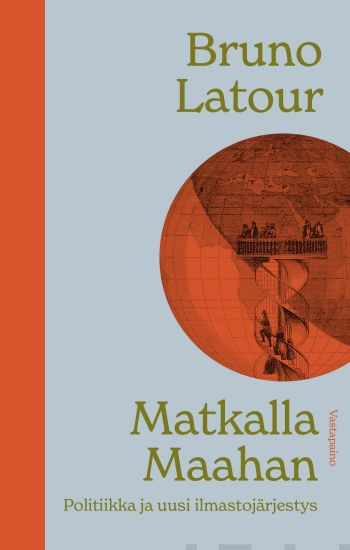
Bruno Latourin essee liittää toisiinsa kolme ilmiötä, jotka on kyllä havaittu mutta joiden keskinäistä yhteyttä ei aina ymmärretä. Sen vuoksi on jäänyt huomiotta, kuinka valtavan poliittisen energian näiden ilmiöiden lähentäminen toisiinsa voisi tuottaa.Ensimmäinen ilmiöistä on mittava sääntelyn purkaminen, jonka seurauksena globalisaatiosta on tullut kirosana. Toinen ilmiö on eriarvoisuuden raju lisääntyminen ja kolmas järjestelmälliset pyrkimykset kieltää ilmastonmuutoksen olemassaolo.Kirjoittajan hypoteesi on, että kukaan ei voi ymmärtää poliittisen kehityksen kulkua 50 viime vuoden ajalta, ellei keskiöön aseteta ilmastokysymystä ja sen kieltämistä. Latourin tulkinnan mukaan näyttää siltä, että merkittävä osa vallankäyttäjistä olisi päätellyt, ettei Maan päällä ole enää tarpeeksi tilaa meille kaikille. Tämä ajatuskulku selittää eriarvoisuuden räjähdysmäisen kasvun, sääntelyn purkamisen laajuuden, globalisaation kritiikin ja erityisesti paniikinomaisen halun palata kansallisvaltion entisaikaisiin suojiin.Latour patistaa kiireellisesti tarkistamaan suuntaa ja määrittämään politiikkaa, joka perustuu Maahan eikä mihinkään globaaliin tai kansalliseen intressiin. On olennaista pohtia ja tuoda uudelleen esiin, mitä kuuluminen elinympäristöön merkitsee. Vaativin haasteemme on oppia uudet tavat elää Maassa. Politiikan tehtävänä tänään on tuoda meidät takaisin Maan pinnalle.Bruno Latour on ranskalainen filosofi, antropologi ja tieteensosiologi. Kirjan esipuheen on kirjoittanut sosiologian professori Turo-Kimmo Lehtonen.
After Lockdown

After Lockdown

Bruno Latour

Polity Press
2021
sidottu
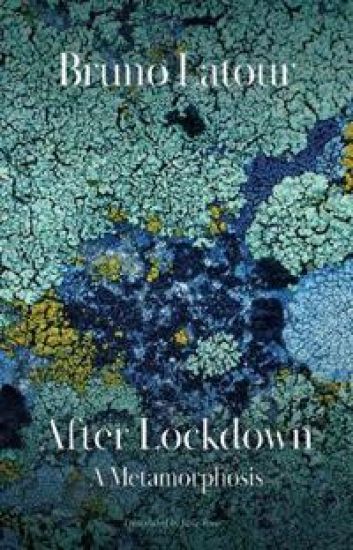
After the harrowing experience of the pandemic and lockdown, both states and individuals have been searching for ways to exit the crisis, many hoping to return as soon as possible to ‘the world as it was before the pandemic’. But there is another way to learn the lessons of this ordeal: as inhabitants of the earth, we may not be able to exit lockdown so easily after all, since the global health crisis is embedded in another larger and more serious crisis – that brought about by the New Climate Regime. Learning to live in lockdown might be an opportunity to be seized: a dress-rehearsal for the climate mutation, an opportunity to understand at last where we – inhabitants of the earth – live, what kind of place ‘earth’ is and how we will be able to orient ourselves and exist in this world in the years to come. We might finally be able to explore the land in which we live, together with all other living beings, begin to understand the true nature of the climate mutation we are living through and discover what kind of freedom is possible – a freedom differently situated and differently understood. In this sequel to his bestselling book Down to Earth, Bruno Latour provides a compass for this necessary re-orientation of our lives, outlining the metaphysics of confinement and deconfinement with which we will all be obliged to come to terms by the strange times in which we are living.
After Lockdown

After Lockdown

Bruno Latour

Polity Press
2021
nidottu
After the harrowing experience of the pandemic and lockdown, both states and individuals have been searching for ways to exit the crisis, many hoping to return as soon as possible to ‘the world as it was before the pandemic’. But there is another way to learn the lessons of this ordeal: as inhabitants of the earth, we may not be able to exit lockdown so easily after all, since the global health crisis is embedded in another larger and more serious crisis – that brought about by the New Climate Regime. Learning to live in lockdown might be an opportunity to be seized: a dress-rehearsal for the climate mutation, an opportunity to understand at last where we – inhabitants of the earth – live, what kind of place ‘earth’ is and how we will be able to orient ourselves and exist in this world in the years to come. We might finally be able to explore the land in which we live, together with all other living beings, begin to understand the true nature of the climate mutation we are living through and discover what kind of freedom is possible – a freedom differently situated and differently understood. In this sequel to his bestselling book Down to Earth, Bruno Latour provides a compass for this necessary re-orientation of our lives, outlining the metaphysics of confinement and deconfinement with which we will all be obliged to come to terms by the strange times in which we are living.