Kirjojen hintavertailu. Mukana 12 390 323 kirjaa ja 12 kauppaa.
Kirjailija
Clarice Lispector
Kirjat ja teokset yhdessä paikassa: 79 kirjaa, julkaisuja vuosilta 1972-2026, suosituimpien joukossa The Passion According to G.H. Vertaile teosten hintoja ja tarkista saatavuus suomalaisista kirjakaupoista.
Rich with visions, miraculous horses, and linguistic ecstasy, The Besieged City stars Lucr cia. Clarice Lispector's heroine is a materialistic girl free of the burden of thought: "Behold, behold, all of her, terribly physical, one of the objects.""The object--the thing," Lispector once remarked, "always fascinated me and in a certain sense destroyed me. In my book The Besieged City I speak indirectly about the mystery of the thing. The thing is a specialized and immobilized animal."
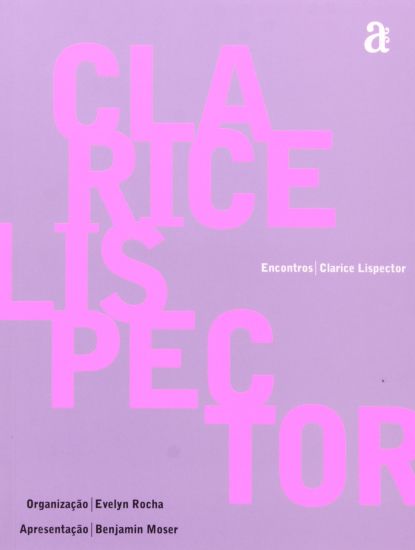
Oversat fra portugisisk af Tine Lykke Prado og Kristina Nya Glaffey. Forord af Mathilde MoestrupUdvalgte avisklummer af Clarice Lispector bragt i Jornal do Brasil 1967-1973. Her møder læseren en højest charmerende, koket og humoristisk side af forfatteren, som træder endnu tydeligere frem end i hendes romaner og noveller. I teksterne reflekterer Clarice Lispector over det smertefulde, besværlige og lykkelige ved at skrive. Det er både indsigtsfuld, underholdende og sorgfuld læsning, som også kaster nye perspektiver på Lispectors skønlitterære værker.Clarice Lispector (1920-1977) er migrant fra Ukraine og ankom med sin familie til Brasilien blot to måneder gammel. De seneste 20 år har hendes forfatterskab vundet udbredelse i Europa Hun udmærker sig som en original fornyer af sprog, genre og tænkning, og hun indskriver sig som en af det 20. århundredes store forfattere.
A TLS Book of the Year This exhilarating collection of non-fiction sees one of the greatest twentieth-century writers meditating on the moments that make up a life'How did I so unwittingly transform the joy of living into the great luxury of being alive?'Between 1967 and 1977, the internationally renowned author Clarice Lispector wrote weekly dispatches from her desk in Rio for the Jornal do Brasil. Already famous for her revolutionary, interior, metaphysical novels and short stories, in her Chronicles she turned her attention to the everyday, reshaping the material of her life into profound, touching and funny, tiny revelations.Observing the world around her, small encounters like hearing tales of the lost loves of a taxi driver, or the bitterness lurking beneath the prettiness of an old friend, become an exposition of the currents and foibles that define our lives. Everything from the meaning of cosmonauts to the new ideas, writers and artists that populate the sparkling international world of the sixties and seventies are considered and transformed into jewels of insight, delight and devastation.Sincere and playful, exhilarating and contemplative, Too Much of Life: Complete Chronicles opens up a new way of seeing the world.
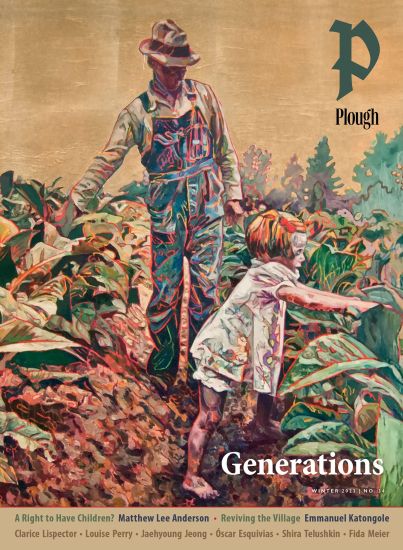
We’re born with a hunger for roots and a desire to pass on a legacy.The past two decades have seen a boom in family history services that combine genealogy with DNA testing, though this is less a sign of a robust connection to past generations than of its absence. Everywhere we see a pervasive rootlessness coupled with a cult of youth that thinks there is little to learn from our elders. The nursing home tragedies of the Covid-19 pandemic laid bare this devaluing of the old. But it’s not only the elderly who are negatively affected when the links between generations break down; the young lose out too. When the hollowing-out of intergenerational connections deprives youth of the sense of belonging to a story beyond themselves, other sources of identity, from trivial to noxious, will fill the void.Yet however important biological kinship is, the New Testament tells us it is less important than the family called into being by God’s promises. “Who is my mother, and who are my brothers?” Jesus asks a crowd of listeners, then answers: “Whoever does the will of my Father in heaven is my brother, and sister, and mother.” In this great intergenerational family, we are linked by a bond of brotherhood and sisterhood to believers from every era of the human story, past, present, and yet to be born. To be sure, our biological families and inheritances still matter, but heredity and blood kinship are no longer the primary source of our identity. Here is a cure for rootlessness.On this theme: - Matthew Lee Anderson argues that even in an age of IVF no one has a right to have a child. - Emmanuel Katongole describes how African Christians are responding to ecological degradation by returning to their roots. - Louise Perry worries that young environmentalist don’t want kids. - Helmuth Eiwen asks what we can do about the ongoing effects of the sins of our ancestors. - Terence Sweeney misses an absent father who left him nothing. - Wendy Kiyomi gives personal insight into the challenges of adopting children with trauma in their past. - Alastair Roberts decodes that long list of “begats” in Matthew’s Gospel. - Rhys Laverty explains why his hometown, Chessington, UK, is still a family-friendly neighborhood. - Springs Toledo recounts, for the first time, a buried family story of crime and forgiveness. - Monica Pelliccia profiles three generations of women who feed migrants riding the trains north.Also in the issue: - A new Christmas story by Óscar Esquivias, translated from the Spanish - Original poetry by Aaron Poochigian - Reviews of Kim Haines-Eitzen’s Sonorous Desert, Matthew P. Schneider’s God Loves the Autistic Mind, Adam Nicolson’s Life between the Tides, and Ash Davidson’s Damnation Spring. - An appreciation for Augustine’s mother, Monica - Short sketches by Clarice Lispector of her father and sonPlough Quarterly features stories, ideas, and culture for people eager to apply their faith to the challenges we face. Each issue includes in-depth articles, interviews, poetry, book reviews, and art.
“That woman who killed the fish unfortunately is me,” begins the title story, but “if it were my fault, I’d own up to you, since I don’t lie to boys and girls. I only lie sometimes to a certain type of grownup because there’s no other way.” Enumerating all the animals she’s loved—cats, dogs, lizards, chickens, monkeys—Clarice finally asks: “Do you forgive me?” “The Mystery of the Thinking Rabbit” is a detective story which explains that bunnies think with their noses: for a single idea a bunny might “scrunch up his nose fifteen thousand times” (he may not be too bright, but “he’s not foolish at all when it comes to making babies”). The third tale, “Almost True,” is a shaggy dog yarn narrated by a pooch who is very worried about a wicked witch: “I am a dog named Ulisses and my owner is Clarice.” The wonderful last story, “Laura’s Intimate Life” stars “the nicest hen I’ve ever seen.” Laura is “quite dumb,” but she has her “little thoughts and feelings. Not a lot, but she’s definitely got them. Just knowing she’s not completely dumb makes her feel all chatty and giddy. She thinks that she thinks.” A one-eyed visitor from Jupiter arrives and vows Laura will never be eaten: she’s been worrying, because “humans are a weird sort of person” who can love hens and eat them, too. Such throwaway wisdom abounds: “Don’t even get me started.” These delightful, high-hearted stories, written for her own boys, have charm to burn—and are a treat for every Lispector reader.
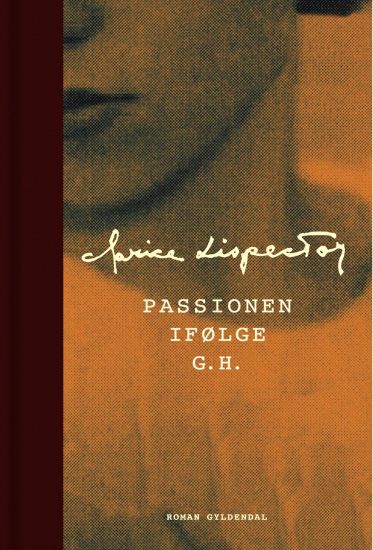
Passionen ifølge G.H. er en desorienteret og forvirret kvindes fascinerende tilbageblik på sit liv og sin placering i verden. En støvet, sort, næsten forhistorisk kakerlak – det er hvad skulptøren G.H. møder, da hun åbner døren til sin stuepiges værelse. Hun smækker straks døren i – men en uimodståelig fascination er vakt. Mødet med kakerlakken åbner døren til hidtil lukkede rum, til en spirituel krise, og stiller spørgsmålstegn ved selve G.H.s identitet og placering i universet. Passionen ifølge G.H. er en filosofisk betragtning over livet. Det er en udforskning af selverkendelsen, men også af ordenes og sprogets betydning og udfordringen i at møde andre mennesker. Nyoversat af Tine Lykke Prado og med forord af Eva Tind.
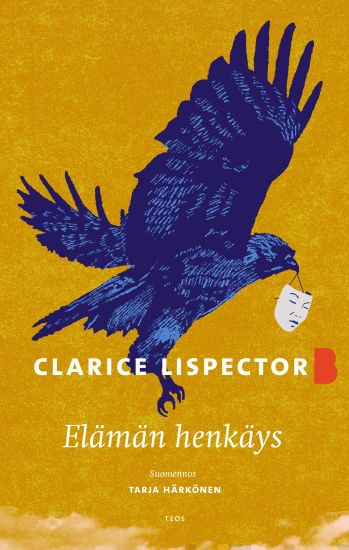
Postuumisti 1978 ilmestynyt Um sopro de vida on Clarice Lispectorin hyvän ystävän Olga Borellin fragmenteista kokoama opus. Siinä mieskirjailija luo Angela Pralini -nimisen kirjailijan alter egokseen, mutta tämä ei suostu rooliinsa, vaan on monessa mielessä luojansa vastakohta.Kirja koostuu keskusteluista dialogimuodossa. Monien muiden Lispectorin romaanien tapaan Elämän henkäys käsittelee ajatusten, tunteiden, sanojen, asioiden ja esineiden välistä vuorovaikutusta, sitä miten kieli rakentuu ja välittää sitä, mitä kutsumme todellisuudeksi. Angelan ja Kirjailijan kautta Lispector tutkii kirjailijan ja tämän henkilöhahmon suhdetta, luojan ja luomuksen suhdetta. Yksi suhdetta hiertävä asia on heidän epätasa-arvoisuutensa, onhan Kirjailijalla kaikki valta tehdä henkilöhahmolleen mitä vain. Myös kuolema on koko ajan läsnä, silloinkin kun siitä ei puhuta.
The things I've learned from taxi drivers would be enough to fill a book. They know a lot: they really do get around. I may know a lot about Antonioni that they don't know. Or maybe they do even when they don't. There are various ways of knowing by not-knowing. I know: it happens to me too.The cr nica, a literary genre peculiar to Brazilian newspapers, allows writers (or even soccer stars) to address a wide readership on any theme they like. Chatty, mystical, intimate, flirtatious, and revelatory, Clarice Lispector's pieces for the Saturday edition of Rio's leading paper, the Jornal do Brasil, from 1967 to 1973, take the forms of memories, essays, aphorisms, and serialized stories. Endlessly delightful, her insights make one sit up and think, whether about children or social ills or pets or society women or the business of writing or love. This new, large, and beautifully translated volume, Too Much of Life: The Complete Cr nicas presents a new aspect of the great writer--at once off the cuff and spot on.
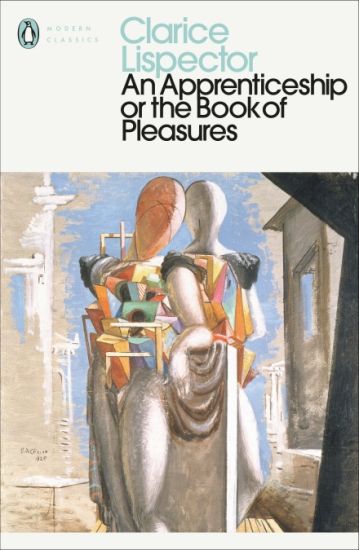
L ri, a primary school teacher, is isolated and nervous, comfortable with children but unable to connect to adults. When she meets Ulisses, a professor of philosophy, an opportunity opens: a chance to escape the shipwreck of introspection and embrace the love, including the sexual love, of a man. Her attempt, as Sheila Heti writes in her afterword, is not only "to love and to be loved," but also "to be worthy of life itself." Published in 1968, An Apprenticeship is Clarice Lispector's attempt to reinvent herself following the exhausting effort of her metaphysical masterpiece The Passion According to G. H. Here, in this unconventional love story, she explores the ways in which people try to bridge the gaps between them, and the result, unusual in her work, surprised many readers and became a bestseller.Some appreciated its accessibility; others denounced it as sexist or superficial. To both admirers and critics, the olympian Clarice gave a typically elliptical answer: "I humanized myself," she said. "The book reflects that."
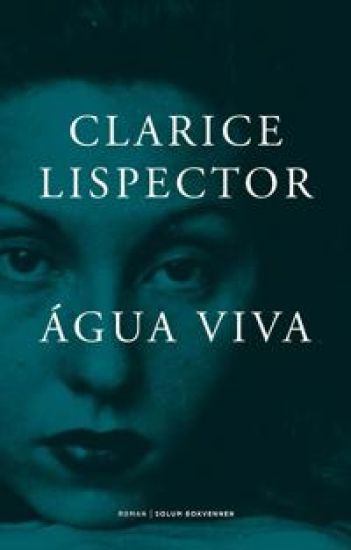
Água viva er en roman uten tid og handling, formet som et brev fra en kvinnelig maler til en ukjent leser. Leseren blir møtt av en strøm av tanker og observasjoner om livet og kunsten, døden og kjærligheten. Den lyriske prosaen i Água viva minner om Lispectors tidligere verker, med sine indre monologer og lengten etter frigjøring, der prosaen stadig presser mot språkets grenser. Teksten er et formidabelt forsøk på «å skrive med kroppen» og å henvende seg til leserens sanser.
'One of the very great writers of the last century' Guardian'Lispector had an ability to write as though no one had ever written before' Colm Tóibín'He'd wait for her, she knew that now. Until she learned'Lóri yearns for love yet is scared of herself, and of connecting with another human. When she meets Ulisses, a Professor of Philosophy, she is forced to confront her fears. As both of them will learn, to be worthy of another person, they must first be fully themselves. The book of which Clarice Lispector said, 'I humanized myself', An Apprenticeship is about the ultimate unknowability of the other in a relationship, and what it means to love and be loved.Translated by Stefan ToblerEdited by Benjamin Moser with an Afterword by Sheila Heti
L ri, a primary school teacher, is isolated and nervous, comfortable with children but unable to connect to adults. When she meets Ulisses, a professor of philosophy, an opportunity opens: a chance to escape the shipwreck of introspection and embrace the love, including the sexual love, of a man. Her attempt, as Sheila Heti writes in her afterword, is not only "to love and to be loved," but also "to be worthy of life itself." Published in 1968, An Apprenticeship is Clarice Lispector's attempt to reinvent herself following the exhausting effort of her metaphysical masterpiece The Passion According to G. H. Here, in this unconventional love story, she explores the ways in which people try to bridge the gaps between them, and the result, unusual in her work, surprised many readers and became a bestseller.Some appreciated its accessibility; others denounced it as sexist or superficial. To both admirers and critics, the olympian Clarice gave a typically elliptical answer: "I humanized myself," she said. "The book reflects that."