Kirjojen hintavertailu. Mukana 12 117 230 kirjaa ja 12 kauppaa.

Kirjailija

Harold G Koenig

Kirjat ja teokset yhdessä paikassa: 86 kirjaa, julkaisuja vuosilta 1994-2024, suosituimpien joukossa Aging and God. Vertaile teosten hintoja ja tarkista saatavuus suomalaisista kirjakaupoista.

Mukana myös kirjoitusasut: Harold G. Koenig

86 kirjaa

Kirjojen julkaisuhaarukka 1994-2024.

Handbook of Religion and Health

Handbook of Religion and Health

Harold G. Koenig; Tyler VanderWeele; John R. Peteet

OXFORD UNIVERSITY PRESS INC
2024
sidottu
The Handbook of Religion and Health has become the seminal research text on religion, spirituality, and health, outlining a rational argument for the connection between religion and health. For the past two decades, this handbook has been the most cited of all references on religion and health. This Third Edition is the most scientifically rigorous edition to date, covering the best research published through 2021 with an emphasis on prospective studies and randomized controlled trials. This volume examines research on the relationship between religion and health outcomes, surveys the historical connections between religion and health, and discusses the distinction between the terms ''religion'' and ''spirituality'' in research and clinical practice. It reviews research on religion and mental health, literature on the mind-body relationship, and develops a model to explain how religious involvement may impact physical health through the mind-body mechanisms. It also explores the direct relationships between religion and physical health, covering such topics as immune and endocrine function, heart disease, hypertension and stroke, neurological disorders, cancer, and infectious diseases; and examines the consequences of illness including chronic pain, disability, and quality of life. Additionally, most of its 34 chapters conclude with clinical and community applications making this text relevant to both health care professionals and clergy. This book is the most insightful and authoritative resource available to anyone who wants to understand the relationship between religion and health.

A Theology of God-Talk

A Theology of God-Talk

J. Timothy Allen; Harold G Koenig

Routledge Member of the Taylor and Francis Group
2021
nidottu
Use this common coping mechanism to help people respond to crises!This thoughtful book offers a fresh theological interpretation for the ways people talk about God in times of crisis. A Theology of God-Talk: The Language of the Heart probes the meaning behind phrases like “It must have been God’s will” and “The Lord took Uncle Harry.” Though many caring professionals dismiss such talk as insensitive or irrational, these phrases offer powerful clues to the speaker’s personal religious feelings. A Theology of God-Talk demonstrates the ways that God-talk moves the sufferer through the grief and doubt of the crisis. By recognizing the ways God-talk resembles myth, apocalyptic tale, tragedy, story, and even prayer--all literary categories--the caregiver can begin to help sufferers rewrite their personal narratives in the wake of tragedy. A Theology of God-Talk examines the crucial issues of God-talk, including: common false assumptions about it the theology of God-talk interpretations and misinterpretations how to glean counseling insights from God-talk differing stances for sufferers and survivors of tragedyBringing together psychology, theology, and narrative theory, this insghtful and sensitive book offers new ways of looking at this common reaction to crisis. A Theology of God-Talk is an instant classic and an essential resource for pastors, chaplains, therapists, grief counselors, and theologians.
Downcast

Downcast

Jennifer Huang-Harris; Harold G Koenig; John R Peteet

Cmda
2020
pokkari
What is depression really? A psychological disorder? An emotional problem? A spiritual weakness? A medical condition? People struggling with depression are often given simplistic answers, which can lead to fear of seeking help, and even a sense that they have personally failed in some way. With compassion developed from their personal and clinical experience as psychiatrists, the authors tackle the complexities of depression from a multi-disciplinary approach. In this thoughtful and practical guide, they weave together Scripture with science, theology with cutting edge scientific research, and the stories of many Christians who have suffered, to help those with depression to find healing. For Christians, hope for depression lies in a deep understanding of both what it means to inhabit broken bodies in a fallen world, and the hope we have in the gospel. By fully grasping the implications of both for our bodies, minds, and souls, can we learn what it means to walk by faith even through the dark valley of depression.
Religion and Mental Health

Religion and Mental Health

Harold G. Koenig

Academic Press Inc
2018
nidottu
Religion and Mental Health: Research and Clinical Applications summarizes research on how religion may help people better cope or exacerbate their stress, covering its relationship to depression, anxiety, suicide, substance abuse, well-being, happiness, life satisfaction, optimism, generosity, gratitude and meaning and purpose in life. The book looks across religions and specific faiths, as well as to spirituality for those who don’t ascribe to a specific religion. It integrates research findings with best practices for treating mental health disorders for religious clients, also covering religious beliefs and practices as part of therapy to treat depression and posttraumatic stress disorder.
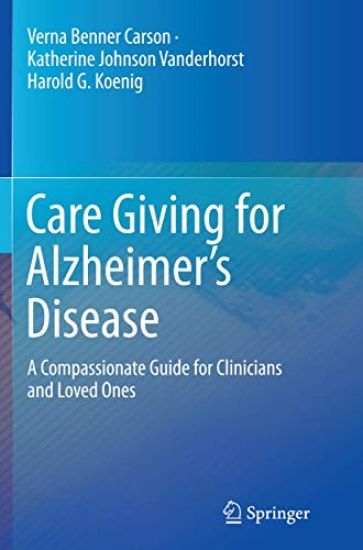
Care Giving for Alzheimer’s Disease

Care Giving for Alzheimer’s Disease

Verna Benner Carson; Katherine Johnson Vanderhorst; Harold G. Koenig

Springer-Verlag New York Inc.
2016
nidottu
Veteran clinicians offer a unique framework for understanding the psychological origins of behaviors typical of Alzheimer's and other dementias, and for providing appropriate care for patients as they decline. Guidelines are rooted in the theory of retrogenesis in dementia--that those with the condition regress in stages toward infancy--as well as knowledge of associated brain damage. The objective is to meet patients where they are developmentally to best be able to address the tasks of their daily lives, from eating and toileting to preventing falls and wandering. This accessible information gives readers a platform for creating strategies that are respectful, sensitive, and tailored to individual needs, thus avoiding problems that result when care is ineffective or counterproductive. Featured in the coverage: Abilities and disabilities during the different stages of Alzheimer's disease.Strategies for keeping the patient's finances safe.Pain in those with dementia, and why it is frequently ignored."Help! I've lost my mother and can't find her!"Sexuality and intimacy in persons with dementia.Instructive vignettes of successful caring interventions. Given the projected numbers of individuals expected to develop dementing conditions, Care Giving for Alzheimer’s Disease will find immediate interest among clinical psychologists, health psychologists, psychiatrists, socialworkers, and primary care physicians.
Health and Well-Being in Islamic Societies

Health and Well-Being in Islamic Societies

Harold G. Koenig; Saad Al Shohaib

Springer International Publishing AG
2016
nidottu
From the first hospitals to pioneering pharmacy techniques, the early history of medicine reflects the groundbreaking contributions of Islamic physicians and scientists. Less recognized, however, is the impact of Islam on the health and daily health practices of modern day Muslims.Meticulously documented with current research sources and relevant religious texts, Health and Well-Being in Islamic Societies sheds light on the relationships between Muslim beliefs and physical, psychological, and social health. Background chapters trace Muslim thought on health and healing as it has evolved over the centuries to the present. The authors provide even-handed comparisons with Christianity as the two traditions approach medical and ethical questions, and with Christian populations in terms of health outcomes, assuring coverage that is not only objective but also empirically sound and clinically useful. And as the concluding chapters show, understanding of these similarities and differences can lead to better care for clients, cost-effective services for communities, and healthier Muslim populations in general. Included among the book's topics: Muslim beliefs about health, healing, and healthcareSimilarities and differences between Muslim and Christian health beliefsImpact of religion on physical, mental, and community health in MuslimsUnderstanding how Islam influences healthApplications for clinical practiceImplications for public healthCultural awareness is critical to improving both individual client health and public health on a global scale. Health and Well-Being in Islamic Societies is essential reading for clinical and health psychologists, psychiatrists, social workers, and nurses, and will be informative for the general reader as well.
Care Giving for Alzheimer’s Disease

Care Giving for Alzheimer’s Disease

Verna Benner Carson; Katherine Johnson Vanderhorst; Harold G. Koenig

Springer-Verlag New York Inc.
2015
sidottu
Veteran clinicians offer a unique framework for understanding the psychological origins of behaviors typical of Alzheimer's and other dementias, and for providing appropriate care for patients as they decline. Guidelines are rooted in the theory of retrogenesis in dementia--that those with the condition regress in stages toward infancy--as well as knowledge of associated brain damage. The objective is to meet patients where they are developmentally to best be able to address the tasks of their daily lives, from eating and toileting to preventing falls and wandering. This accessible information gives readers a platform for creating strategies that are respectful, sensitive, and tailored to individual needs, thus avoiding problems that result when care is ineffective or counterproductive. Featured in the coverage: Abilities and disabilities during the different stages of Alzheimer's disease.Strategies for keeping the patient's finances safe.Pain in those with dementia, and why it is frequently ignored."Help! I've lost my mother and can't find her!"Sexuality and intimacy in persons with dementia.Instructive vignettes of successful caring interventions. Given the projected numbers of individuals expected to develop dementing conditions, Care Giving for Alzheimer’s Disease will find immediate interest among clinical psychologists, health psychologists, psychiatrists, socialworkers, and primary care physicians.
Health and Well-Being in Islamic Societies

Health and Well-Being in Islamic Societies

Harold G. Koenig; Saad Al Shohaib

Springer International Publishing AG
2014
sidottu
From the first hospitals to pioneering pharmacy techniques, the early history of medicine reflects the groundbreaking contributions of Islamic physicians and scientists. Less recognized, however, is the impact of Islam on the health and daily health practices of modern day Muslims.Meticulously documented with current research sources and relevant religious texts, Health and Well-Being in Islamic Societies sheds light on the relationships between Muslim beliefs and physical, psychological, and social health. Background chapters trace Muslim thought on health and healing as it has evolved over the centuries to the present. The authors provide even-handed comparisons with Christianity as the two traditions approach medical and ethical questions, and with Christian populations in terms of health outcomes, assuring coverage that is not only objective but also empirically sound and clinically useful. And as the concluding chapters show, understanding of these similarities and differences can lead to better care for clients, cost-effective services for communities, and healthier Muslim populations in general. Included among the book's topics: Muslim beliefs about health, healing, and healthcareSimilarities and differences between Muslim and Christian health beliefsImpact of religion on physical, mental, and community health in MuslimsUnderstanding how Islam influences healthApplications for clinical practiceImplications for public healthCultural awareness is critical to improving both individual client health and public health on a global scale. Health and Well-Being in Islamic Societies is essential reading for clinical and health psychologists, psychiatrists, social workers, and nurses, and will be informative for the general reader as well.
Spirituality in Patient Care

Spirituality in Patient Care

Harold G Koenig

TEMPLETON FOUNDATION PRESS,U.S.
2013
pokkari
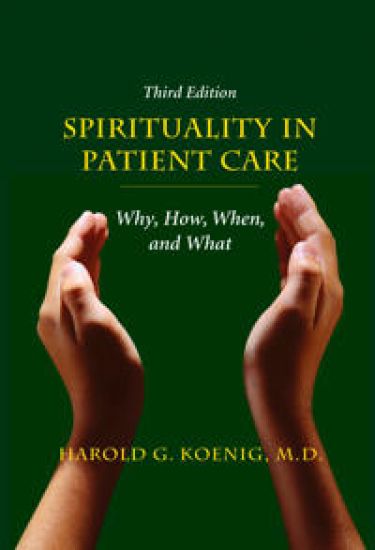
Praise for the previous edition:“I highly recommend this book as reading for all physicians and would certainly recommend it for any course on medical ethics and/or required reading for any medical student.”-Journal of the National Medical Association Since the publication of the first edition of Spirituality in Patient Care in 2002, the book has earned a reputation as the authoritative introduction to the subject for health professionals interested in identifying and addressing the spiritual needs of patients. The body of research on religion, spirituality, and health continues to grow at a dramatic rate, creating an urgent need for a new edition of this landmark work. In this, the third edition, Harold G. Koenig, M.D., updates every chapter by incorporating the newest research and introducing sensible ways of translating that research into caring for patients. Like previous editions, this new one addresses the whys, hows, whens, and whats of patient-centered integration of spirituality into patient care so that health professionals, including physicians in primary care and the medical and surgical specialties, can utilize this information in clinical practice. Whole chapters are also included offering profession-specific information for nurses, clergy, mental health professionals, social workers, and occupational and physical therapists. Other chapters address topics like culturally and spiritually sensitive care for each major religious group, potential limitations or barriers to application, and even what may happen when research on spirituality and health is misapplied. Throughout these chapters, readers will find new case histories and clinical examples on how to integrate spirituality into patient care depending on their particular circumstances. A ten-session model course curriculum on spirituality and health care for medical students and residents is also provided, with suggestions on how to adapt it for nursing, social work, physical and occupational therapy, and mental health training programs. For more than ten years Spirituality in Patient Care has offered sound guidance to anyone wishing to do more than simply treat their patients’ physical symptoms. Treating the whole patient often requires becoming something more than just a skilled technician. With this new edition, Dr. Koenig once again shows the way for any health professional seeking to bridge this gap and help patientsregain their lives by finding hope, meaning, and healing.
Religion and Spirituality in Psychiatry

Religion and Spirituality in Psychiatry

Philippe Huguelet; Harold G. Koenig

Cambridge University Press
2012
pokkari
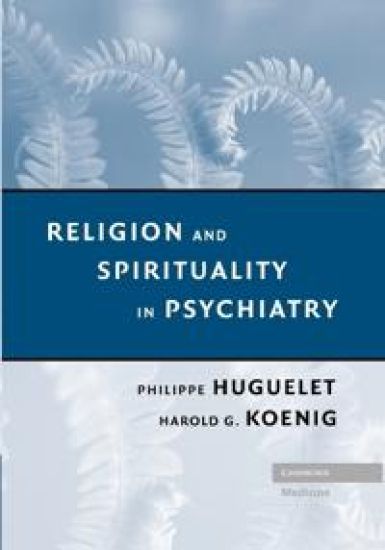
Although medicine is practised in a secular setting, religious and spiritual issues have an impact on patient perspectives regarding their health and the management of any disorders that may afflict them. This is especially true in psychiatry, as feelings of spirituality and religiousness are very prevalent among the mentally ill. Clinicians are rarely aware of the importance of religion and understand little of its value as a mediating force for coping with mental illness. This book addresses various issues concerning mental illness in psychiatry: the relation of religious issues to mental health; the tension between a theoretical approach to problems and psychiatric approaches; the importance of addressing these varying approaches in patient care and how to do so; and differing ways to approach Christian, Muslim and Buddhist patients.
Spirituality and Health Research

Spirituality and Health Research

Harold G Koenig

TEMPLETON FOUNDATION PRESS,U.S.
2011
pokkari
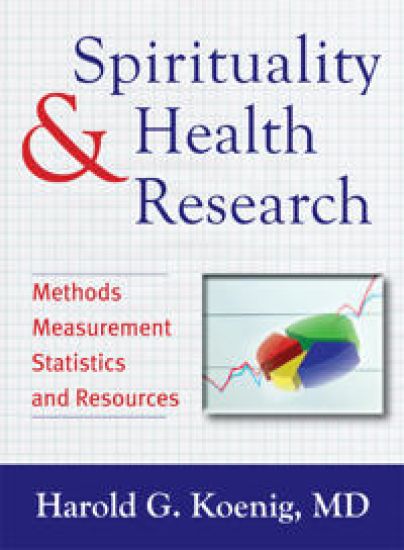
In Spirituality and Health Research: Methods, Measurement, Statistics, and Resources, Dr. Harold G. Koenig leads a comprehensive overview of this complex subject. Dr. Koenig is one of the world’s leading authorities on the relationship between spirituality and health, and a leading researcher on the topic. As such, he is distinctively qualified to author such a book. This unique source of information on how to conduct research on religion, spirituality, and health includes practical information that goes well beyond what is typically taught in most undergraduate, graduate, or even post-doctoral level courses. This volume reviews what research has been done, discusses the strengths and limitations of that research, provides a research agenda for the future that describes the most important studies that need to be done to advance the field, and describes how to actually conduct that research (design, statistical analysis, and publication of results). It also covers practical matters such as how to write fundable grants to support the research, where to find sources of funding support for research in this area, and what can be done even if the researcher has little or no funding support. The information gathered together here, which has been reviewed for accuracy and comprehensiveness by research design and statistical experts, has been acquired during a span of over twenty-five years that Dr. Koenig spent conducting research, reviewing others’ research, reviewing research grants, and interacting with mainstream biomedical researchers both within and outside the field of spirituality and health. The material is presented in an easy to read and readily accessible form that will benefit researchers at almost any level of training and experience.
Parish Nursing - 2011 Edition

Parish Nursing - 2011 Edition

Verna Benner Carson; Harold G Koenig

TEMPLETON FOUNDATION PRESS,U.S.
2011
pokkari
The engaging stories in Parish Nursing provide accessible and enjoyable accounts of real parish nurses, both paid and volunteer, who attend to the needs of their congregations in a variety of ways-from home, hospice, and hospital visits to community outreach. This revised edition gathers their stories of hearing and heeding God’s call, of their faith that they are doing the “right thing,” of their joys, sorrows, and challenges, and of their quiet dedication as they offer their time and talents to meet the needs of others. By offering inspiration and encouragement, along with a healthy dose of updated practical advice, this collection will make parish nursing theory come to life. These stories will honor practicing parish nurses, will guide the way for anyone contemplating parish nursing as a career, and will challenge church members and leaders to examine the role that their congregations play in health ministry-especially in meeting the long-term care needs of an aging population.
Pastoral Care of Alcohol Abusers

Pastoral Care of Alcohol Abusers

Harold G. Koenig

Augsburg Fortress
2009
pokkari
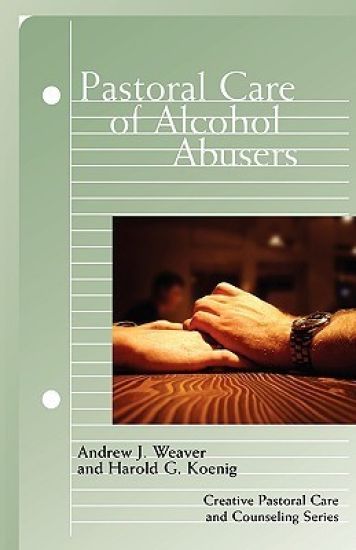
Over 120 million American teens and adults use alcohol at one time or another. While in most situations these individuals are able to use it responsibly and with moderation, no one is immune to its destructive use - which makes it a significant public health issue. Many drinkers find that their otherwise responsible use turns problematic and abusive when faced with depression, trauma, grief, undue social pressures, or other tempting and potentially addictive behaviors. Not all of these people become full-fledged alcoholics, but they do develop an alcohol problem that needs careful and sensitive pastoral care to understand the underlying issues for their alcohol abuse. Because of this, clergy and other pastoral counselors need to develop competence in recognizing alcohol abuse problems, including alcoholism, identifying when to make referrals, helping persons to find available community resources, and training congregational members to provide support to affected individuals and families.
Religion and Spirituality in Psychiatry

Religion and Spirituality in Psychiatry

Philippe Huguelet; Harold G. Koenig

Cambridge University Press
2009
sidottu
Although medicine is practised in a secular setting, religious and spiritual issues have an impact on patient perspectives regarding their health and the management of any disorders that may afflict them. This is especially true in psychiatry, as feelings of spirituality and religiousness are very prevalent among the mentally ill. Clinicians are rarely aware of the importance of religion and understand little of its value as a mediating force for coping with mental illness. This book addresses various issues concerning mental illness in psychiatry: the relation of religious issues to mental health; the tension between a theoretical approach to problems and psychiatric approaches; the importance of addressing these varying approaches in patient care and how to do so; and differing ways to approach Christian, Muslim and Buddhist patients.
Medicine, Religion, and Health

Medicine, Religion, and Health

Harold G Koenig

Templeton Foundation Press,U.S.
2008
pokkari
Medicine, Religion, and Health: Where Science and Spirituality Meet will be the first title published in the new Templeton Science and Religion Series, in which scientists from a wide range of fields distill their experience and knowledge into brief tours of their respective specialties. In this, the series' maiden volume, Dr. Harold G. Koenig, provides an overview of the relationship between health care and religion that manages to be comprehensive yet concise, factual yet inspirational, and technical yet easily accessible to nonspecialists and general readers. Focusing on the scientific basis for integrating spirituality into medicine, Koenig carefully summarizes major trends, controversies, and the latest research from various disciplines and provides plausible and compelling theoretical explanations for what has thus far emerged in this relatively young field of study. Medicine, Religion, and Health begins by defining the principal terms and then moves on to a brief history of religion's role in medicine before delving into the current state of research. Koenig devotes several chapters to exploring the outcomes of specific studies in fields such as mental health, cardiovascular disease, and mortality. The book concludes with a review of the clinical applications derived from the research. Koenig also supplies several detailed appendices to aid readers of all levels looking for further information. Medicine, Religion, and Health will shed new light on critical contemporary issues. They will whet readers' appetites for more information on this fascinating, complex, and controversial area of research, clinical activity, and widespread discussion. It will find a welcome home on the bookshelves of students, researchers, clinicians, and other health professionals in a variety of disciplines.
The Treatment of Bipolar Disorder in Pastoral Counseling

The Treatment of Bipolar Disorder in Pastoral Counseling

David Welton; Harold G Koenig

Routledge Member of the Taylor and Francis Group
2006
sidottu
Learn how religion can help in treating those suffering from bipolar disorderThe Treatment of Bipolar Disorder in Pastoral Counseling introduces a new treatment model based on Quaker ideas and practices that can be used in conjunction with medical and psychological practice for treating manic-depressive illness. This unique book examines the interplay between religion and psychoanalysis, using the latest research on the importance of silence, prayer, and meditation in psychotherapy, the role of community in healing, and the problem of God and suffering. The book includes clinical examples from the author’s counseling practice, case studies of bipolar clients, and an extensive bibliography of materials on this crippling disorder that affects more than two million American adults.With its multidisciplinary approach, pastoral counseling may be the most effective psychotherapy for use with medical and pharmacological treatments. Pastoral counselors can gain valuable insights from psychodynamic, cognitive-behavioral, learning, and family systems theories for a more complete understanding of their clients. The Treatment of Bipolar Disorder in Pastoral Counseling examines current understandings of the disorder, including the effects, advantages, and disadvantages of medications, genetic factors, and the search for a mood gene, and looks at current treatment approaches, including object relations, psychoeducational, and narrative psychology. The Treatment of Bipolar Disorder in Pastoral Counseling examines: the writings of Quaker reformers, their methods of treatment, and the philosophies behind them key theological ideas of Quakerism that are helpful to pastoral counselors the ethical implications of pastoral counseling self-emptying as a way toward health the client’s right to privacy and individuality the nature of suffering the public perception of mental illness theological reflections of mental illness and much moreThe Treatment of Bipolar Disorder in Pastoral Counseling also includes case studies of bipolar clients and an extensive bibliography of books, journal articles, and Internet resources. This unique book is an invaluable resource for pastoral counselors and psychotherapists in private practice, as well as chaplains and parish pastors.
Kindness and Joy

Kindness and Joy

Harold G Koenig

Templeton Foundation Press,U.S.
2006
cd
This book includes guidance as well as information and inspiration. There are practical recommendations on how to perform acts of kindness in personal lives and at work, toward friends, colleagues, and family members-even with one's enemies. Suggestions are also offered on ways to encourage others to be kind so they, too, can experience the joy that results.
The Treatment of Bipolar Disorder in Pastoral Counseling

The Treatment of Bipolar Disorder in Pastoral Counseling

David Welton; Harold G Koenig

Routledge Member of the Taylor and Francis Group
2006
nidottu
Learn how religion can help in treating those suffering from bipolar disorderThe Treatment of Bipolar Disorder in Pastoral Counseling introduces a new treatment model based on Quaker ideas and practices that can be used in conjunction with medical and psychological practice for treating manic-depressive illness. This unique book examines the interplay between religion and psychoanalysis, using the latest research on the importance of silence, prayer, and meditation in psychotherapy, the role of community in healing, and the problem of God and suffering. The book includes clinical examples from the author’s counseling practice, case studies of bipolar clients, and an extensive bibliography of materials on this crippling disorder that affects more than two million American adults.With its multidisciplinary approach, pastoral counseling may be the most effective psychotherapy for use with medical and pharmacological treatments. Pastoral counselors can gain valuable insights from psychodynamic, cognitive-behavioral, learning, and family systems theories for a more complete understanding of their clients. The Treatment of Bipolar Disorder in Pastoral Counseling examines current understandings of the disorder, including the effects, advantages, and disadvantages of medications, genetic factors, and the search for a mood gene, and looks at current treatment approaches, including object relations, psychoeducational, and narrative psychology. The Treatment of Bipolar Disorder in Pastoral Counseling examines: the writings of Quaker reformers, their methods of treatment, and the philosophies behind them key theological ideas of Quakerism that are helpful to pastoral counselors the ethical implications of pastoral counseling self-emptying as a way toward health the client’s right to privacy and individuality the nature of suffering the public perception of mental illness theological reflections of mental illness and much moreThe Treatment of Bipolar Disorder in Pastoral Counseling also includes case studies of bipolar clients and an extensive bibliography of books, journal articles, and Internet resources. This unique book is an invaluable resource for pastoral counselors and psychotherapists in private practice, as well as chaplains and parish pastors.
Kindness and Joy

Kindness and Joy

Harold G Koenig

Templeton Foundation Press,U.S.
2006
pokkari
This book includes guidance as well as information and inspiration. There are practical recommendations on how to perform acts of kindness in personal lives and at work, toward friends, colleagues, and family members-even with one's enemies. Suggestions are also offered on ways to encourage others to be kind so they, too, can experience the joy that results.
In the Wake of Disaster

In the Wake of Disaster

Harold G Koenig

Templeton Foundation Press,U.S.
2006
pokkari
In a timely book with a powerful and persuasive message, Dr. Harold G. Koenig addresses federal, state, and local government policy leaders, urging them to more fully integrate religious organizations into the formal disaster response system, and he then provides recommendations on how this can effectively be done. Koenig also advocates faith communities and organizations to learn more about the role they can play in responding to disasters and terrorism. The chaotic aftermath of Hurricane Katrina made extraordinarily clear the gaps in the United States' disaster policies. At the same time, the contributions of organized faith communities were highlights amidst the bungled federal, state, and local responses. One example is the New York Times, September 9, 2005, headline: "A New Meaning for 'Organized Religion': It Helps the Needy Quickly." But as faith-based organizations look for ways to help, there are few, if any, guidelines for them. This book provides information on the psychological, social, and spiritual responses to trauma. It addresses how the emergency response system works, and the role that religious communities can play in disaster response and recovery in terms of providing emotional and spiritual care for victims. It advocates integrating mental health into emergency response systems directed at those affected by hurricanes, floods, earthquakes, and terrorism. "The aim is to help victims of disaster to better cope with the stresses they face, as well as help direct care workers (firefighters, police, health care providers, etc.) to deal better emotionally with the trauma to which they are exposed so they can remain effective and functional on the job," explains Dr. Koenig, whose research on the healing power of faith has been published worldwide. Increasing the resiliency of our communities in the face of disaster is crucial. Religious communities have tremendous potential to contribute to this. Here are guidelines on how to do that more effectively, alongside data on how to facilitate the integration of these contributions with the formal disaster-response system.