Kirjailija
John Stuart Mill
Kirjat ja teokset yhdessä paikassa: 869 kirjaa, julkaisuja vuosilta 1850-2026, suosituimpien joukossa Sosialismin hyödyt ja haitat. Vertaile teosten hintoja ja tarkista saatavuus suomalaisista kirjakaupoista.
869 kirjaa
Kirjojen julkaisuhaarukka 1850-2026.

John Stuart Mill's book Utilitarianism is a classic exposition and defence of utilitarianism in ethics. The essay first appeared as a series of three articles published in Fraser's Magazine in 1861; the articles were collected and reprinted as a single book in 1863. Mill's aim in the book is to explain what utilitarianism is, to show why it is the best theory of ethics, and to defend it against a wide range of criticisms and misunderstandings. Though heavily criticized both in Mill's lifetime and in the years since, Utilitarianism did a great deal to popularize utilitarian ethics and was "the most influential philosophical articulation of a liberal humanistic morality that was produced in the nineteenth century.
Utilitarianism is a classic exposition and defense of utilitarianism in ethics. Written by political economist and civil servant John Stuart Mill, the essay first appeared as a series of three articles published in Fraser's Magazine in 1861; the articles were collected and reprinted as a single book in 1863. The essay provides support for the value of utilitarianism as a moral theory and defends it against a wide range of criticisms and misunderstandings. Though heavily criticized both in Mill's lifetime and in the years since, Utilitarianism has been credited with popularizing utilitarian ethics and is considered the most influential philosophical articulation of a liberal humanistic morality that was produced in the nineteenth century.

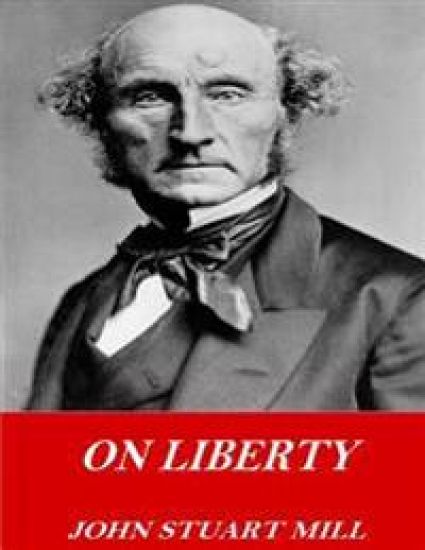
On Liberty John Stuart Mill
John Stuart Mill
Createspace Independent Publishing Platform
2017
nidottu
On Liberty is a philosophical work by English philosopher John Stuart Mill, originally intended as a short essay. The work, published in 1859, applies Mill's ethical system of utilitarianism to society and the state. Mill attempts to establish standards for the relationship between authority and liberty. He emphasizes the importance of individuality which he conceived as a prerequisite to the higher pleasures-the summum bonum of Utilitarianism. Furthermore, Mill criticized the errors of past attempts to defend individuality where, for example, democratic ideals resulted in the "tyranny of the majority"



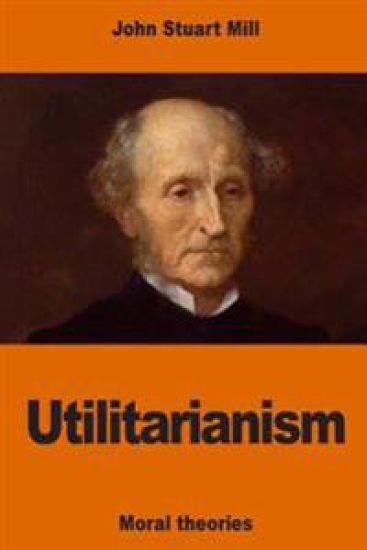
John Stuart Mill's Utilitarianism is a classic exposition and defence of utilitarianism in ethics. The essay first appeared as a series of three articles published in Fraser's Magazine in 1861; the articles were collected and reprinted as a single book in 1863. Mill's aim in the book is to explain what utilitarianism is, to show why it is the best theory of ethics, and to defend it against a wide range of criticisms and misunderstandings. Though heavily criticized both in Mill's lifetime and in the years since, Utilitarianism did a great deal to popularize utilitarian ethics and was "the most influential philosophical articulation of a liberal humanistic morality that was produced in the nineteenth century."
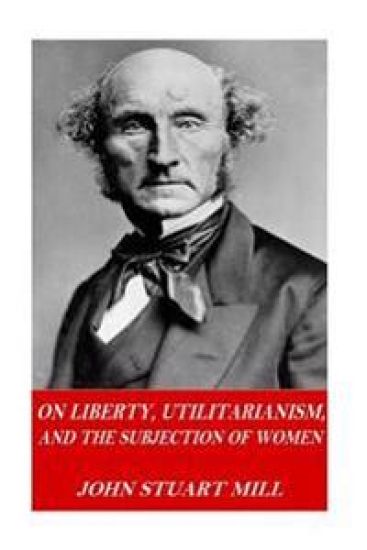
On Liberty, Utilitarianism, and The Subjection of Women
John Stuart Mill
Createspace Independent Publishing Platform
2016
nidottu


Considerations on Representative Government
John Stuart Mill
Createspace Independent Publishing Platform
2016
nidottu
Published in 1859, On Liberty applies Mill's ethical system of utilitarianism to society and the state. Mill attempts to establish standards for the relationship between authority and liberty. He emphasizes the importance of individuality which he conceived as a prerequisite to the higher pleasures-the summum bonum of Utilitarianism. Furthermore, Mill criticized the errors of past attempts to defend individuality where, for example, democratic ideals resulted in the "tyranny of the majority". Among the standards established in this work are Mill's three basic liberties of individuals, his three legitimate objections to government intervention, and his two maxims regarding the relationship of the individual to society "which together form the entire doctrine of Mill's Essay."

Auguste Comte and Positivism
John Stuart Mill
Createspace Independent Publishing Platform
2016
nidottu
On Liberty, Utilitarianism, and The Subjection of Women
John Stuart Mill
Createspace Independent Publishing Platform
2016
nidottu