

Kirjailija
Thomas Mann
Kirjat ja teokset yhdessä paikassa: 500 kirjaa, julkaisuja vuosilta 1975-2027, suosituimpien joukossa Mario and the Magician. Vertaile teosten hintoja ja tarkista saatavuus suomalaisista kirjakaupoista.
500 kirjaa
Kirjojen julkaisuhaarukka 1975-2027.
The Magic Mountain contains many contrasts and parallels with the earlier novel. Gustav von Aschenbach, an established author, is matched to a young, callow engineer at the start of a regular career. The erotic allure of the beautiful Polish boy Tadzio corresponds to the Asiatic-flabby ("asiatisch-schlaff") Russian Madame Chauchat. The setting was shifted both geographically and symbolically. The lowlands of the Italian coastlands are contrasted to an alpine resort famed for its health-giving properties.Mann describes the subjective experience of serious illness and the gradual process of medical institutionalization. He also alludes to the irrational forces within the human psyche, at a time when Freudian psychoanalysis was becoming a prominent type of treatment. These themes relate to the development of Castorp's character over the period covered by the novel. In his discussion of the work, written in English and published in The Atlantic in January 1953, Mann states that "what Hans] came to understand is that one must go through the deep experience of sickness and death to arrive at a higher sanity and health...".Mann acknowledged his debt to the skeptical insights of Friedrich Nietzsche concerning modern humanity, and he drew from these in creating conversations between the characters. Throughout the book, the author employs the discussions among Settembrini, Naphta, and the medical staff to introduce the young Castorp to a wide spectrum of competing ideologies about responses to the Age of Enlightenment. However, whereas the classical Bildungsroman would conclude by Castorp's having become a mature member of society, with his worldview and greater self-knowledge, The Magic Mountain ends with Castorp's becoming an anonymous conscript, one of millions, under fire on some battlefield of World War I.

Der Auszeitweg Nr. 18 ist ein Sammelband verschiedenster Gedichte und Geschichten von mir, Thomas Mann. Wobei sich der Sammelband als ein Ort f r eine kurze Auszeit versteht. Von Drabbels ber Elfchen bis Haikus hinzu Kurzgeschichten kommt es auf 118 Seiten zu 111 Werken. Es soll ein Haus mit 5 gro e R ume - Pers nliches, Liebe, Pl sier (Lust), Fantastisches und Philosophisches - darstellen, die f r eine Pause zur Verf gung stehen. Ich lade Dich ein, besuche das Haus und beginne Deine individuelle Auszeit(en) in einem Raum Deiner Wahl. Leg ab, schnapp Dir ein Hei getr nk und tauch ab.
Zhemchuzhina tvorcheskogo nasledija Tomasa Manna. Edva li ne luchshij roman v zhanre "semejnoj sagi" nemetskojazychnoj prozy. Istorija vzleta i padenija bogatoj i moguschestvennoj semi Buddenbrok, na pervyj vzgljad slovno voploschajuschej v sebe ideal germanskikh dobrodetelej. Istorija trekh pokolenij predstavitelej etogo klana - ot vlastnogo i bezzhalostnogo patriarkha do ego vnukov, uzhe podverzhennykh vsem porokam i slabostjam intellektualov. Istorija ljubvi i predatelstv, vrazhdy i intrig, borby i zavisti, isstuplennoj strasti - i zhguchej nenavisti...

"Doktor Faustus" (1943 g.) - kljuchevoe proizvedenie Tomasa Manna i odna iz samykh znachitelnykh knig KHKh veka. Staraja nemetskaja legenda o doktore Ioganne Faustuse, prodavshem dushu djavolu ne za dengi ili slavu, a za absoljutnoe znanie, pod perom Tomasa Manna obretaet cherty tainstvennogo romana-pritchi o molodom talantlivom kompozitore Leverkjune, kotoryj, to li najavu, to li v voobrazhenii, zakljuchil skhodnuju sdelku s Tmoj: kazhdyj, kogo poljubit Leverkjun, pogibnet, a genialnost ego ne prineset ljudjam nichego, krome neschastij.Perevodchik: Man Natalija, Apt Solomon Konstantinovich

"Volshebnaja gora" - tuberkuleznyj sanatorij v Shvejtsarskikh Alpakh. Ego obitateli vynuzhdeny nakhoditsja zdes godami, obschajas s vneshnim mirom lish redkimi pismami i telegrammami. Zdes vremja techet nezametno, zhizn i smert utrachivajut smysl, a melchajshie njuansy chelovecheskikh otnoshenij, naprotiv, priobretajut boleznennuju ostrotu i znachimost. Ljubov, vesele, druzhba, vrazhda, revnost dlja obitatelej sanatorija slovno otmecheny tenju nebytija...Eta istorija imeet mnozhestvo vozmozhnykh prochtenij - moschnejshee filosofskoe issledovanie zhiznennykh osnov, tonkij psikhologicheskij analiz raznykh tipov chelovecheskogo kharaktera, otnoshenij, pogruzhenie v istoriju kultury, religii i v istoriju voobsche - Mann izobrazil obschestvo v kanun Pervoj mirovoj vojny.

"Lotta v Vejmare" - izjaschnyj i uvlekatelnyj roman velikogo Tomasa Manna, v kotorom glubokie razmyshlenija o cheloveke iskusstva, o ego neredko boleznennom suschestvovanii v realnom mire i o podlinnom smysle zhizni tesno perepletajutsja s interesnym i nemnogo ironichnym sjuzhetom - vstrechej v Vejmare uzhe nemolodogo i proslavlennogo Gete so svoej byvshej vozljublennoj... Byla li eta vstrecha v realnosti? I esli da - to kakoj ona byla? Neizvestno. No v romane Tomasa Manna pravda iskusstva vazhnee pravdy istorii.Perevodchik: Man N.

"Iosif i ego bratja" - masshtabnaja tetralogija, nad kotoroj Tomas Mann trudilsja s 1926 po 1942 god i kotoruju sam schital naibolee znachimym svoim proizvedeniem.Sjuzhet biblejskogo skazanija ob Iosife Prekrasnom avtor pomestil v istoricheskij kontekst perioda pravlenija Amenkhotepa III i ego syna, "faraona-eretika" Ekhnatona, s tem, chtoby rasskazat legendu bolee podrobno i jarko, sozdav na ee osnove uvlekatelnuju istoricheskuju sagu.V osnove sjuzheta lezhit biblejskoe skazanie ob Iosife Prekrasnom, kotoroe avtor proanaliziroval i pereosmyslil, pomestiv geroev v Egipet perioda pravlenija Amenkhotepa III. Pjat prichin kupit 1 Glubokoe pereosmyslenie biblejskogo skazanija ob Iosife Prekrasnom. 2 Znamenityj roman-tetralogija v podarochnom oformlenii. 3 Istorija o vechnykh voprosakh proiskhozhdenija mira i cheloveka, o vzaimootnoshenijakh cheloveka s Bogom. 4 Tomas Mann - znamenityj nemetskij pisatel, laureat Nobelevskoj premii po literature, avtor romanov "Buddenbroki", "Volshebnaja gora" i "Doktor Faustus". 5 Tomas Mann nazyval roman "Iosif i ego bratja" svoim luchshim proizvedeniem.Perevodchik: Apt Solomon Konstantinovich



Translated by H. T. Lowe-Porter, The Magic Mountain is Thomas Mann's story of an unassuming, undistinguished young engineer named Hans Castorp who sits on the balcony of a sanatorium, wrapped in his blanket, thermometer in his mouth, naively but earnestly pondering the meaning of life, time, and his love for the beautiful Frau Chauchat. Among the other characters on this Germanic ship of fools are Hofrat Behrens, the head doctor, and his hearty but sick-looking sidekick, Dr. Krokowski and an entourage of interesting patients. Mann began working on The Magic Mountain following a few weeks' visit to a sanatorium in Switzerland. It is a massive meditation on "the inner significance of an epoch, the pre-war period of European history." It was an immense international success from the time of its publication.

Bekenntnisse des Hochstaplers Felix Krull von Thomas Mann: Lektüreschlüssel mit Inhaltsangabe, Interpretation, Prüfungsaufgaben mit Lösungen, Lernglossar. (Reclam Lektüreschlüssel XL)
Thomas Mann; Mario Leis; Volker Ladenthin
Reclam Philipp Jun.
2023
pokkari
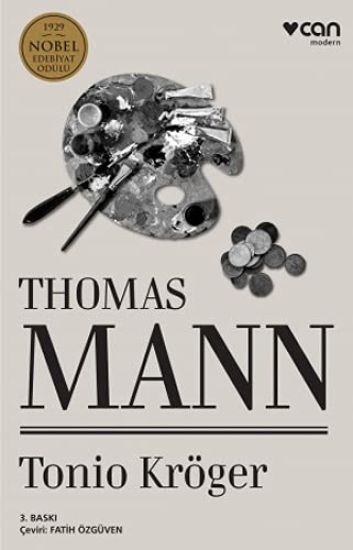
I uppväxtskildringen ”Tonio Kröger”, till stor del självbiografisk, gestaltar Thomas Mann konflikten mellan konsten och livet, som är det borgerliga livets vardag, och konstnären som står mellan de tu. Poeten Tonio Kröger finner sin väg genom att underkasta sig borgerlighetens ideal samtidigt som han i sin konst genomskådar och avslöjar det borgerliga samhället.

A towering figure in the pantheon of twentieth-century literature, Thomas Mann has often been perceived as a dry and forbidding writer--"the starched collar," as Bertolt Brecht once called him. But in fact, his fiction is lively, humane, sometimes hilarious. In these fresh renderings of his best short work, award-winning translator Damion Searls casts new light on this underappreciated aspect of Mann's genius. The headliner of this volume, "Chaotic World and Childhood Sorrow" (in its first new translation since 1936)--a subtle masterpiece that reveals the profound emotional significance of everyday life--is Mann's tender but sharp-eyed portrait of the "Bigs" and "Littles" of the bourgeois Cornelius family as they adjust to straitened circumstances in hyperinflationary Weimar Germany. Here, too, is a free-standing excerpt from Mann's first novel, Buddenbrooks--a sensation when it was first published. "Death in Venice" (also included in this volume) is Mann's most famous story, but less well known is that he intended it to be a diptych with another, comic story--included here as "Confessions of a Con Artist, by Felix Krull." "Louisey"--a tale of sexual humiliation that gives a first glimpse of Mann's lifelong ambivalence about the power of art--rounds out this revelatory, transformative collection.
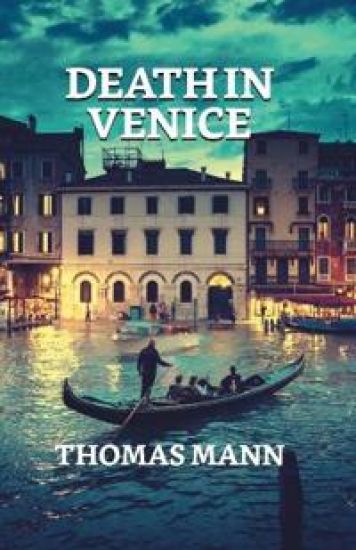
Death in Venice, novella by Thomas Mann, published in German as Der Tod in Venedig in 1912. A symbol-laden story of aestheticism and decadence, Mann's best-known novella exemplifies the author's regard for Sigmund Freud's writings on the unconscious. Gustav von Aschenbach is a revered author whose work is known for its discipline and formal perfection.


First published in 1924 in German, "The Magic Mountain" is the thoughtful and introspective novel by Nobel Prize laureate Thomas Mann. Widely regarded as one of the most important modern works of the 20th century, Mann's story follows the aristocratic Hans Castorp as he leaves his comfortable family home to visit his ailing friend in a distant sanatorium located high in the Swiss Alps. Castorp's stay begins as a brief vacation before he starts his adult life as an engineer in Germany and evolves into several years spent in this isolated institution recovering from a newly discovered illness. Castorp meets a fascinating cast of characters in his mountain retreat, including anarchists, socialists, and royalty, as he attempts to find meaning in his life. In a work acclaimed as both philosophical and deeply profound, Castorp and his fellow patients have little to do but consider their lives and fill their seemingly endless days with reflection and debate while the rest of Europe marches towards a world war. "The Magic Mountain" is a thought-provoking work that grapples with the eternal human concerns of love, money, politics, and the inexorable passage of time. This edition follows the translation of Helen Tracy Lowe-Porter and is printed on premium acid-free paper.

Samyj neobychnyj roman Tomasa Manna, nad kotorym pisatel rabotal bolshuju chast zhizni, s 1911 po 1954 g., no tak i ne zavershil ego. Voskhititelnaja parodija na "roman vospitanija" i odnovremenno jarkaja stilizatsija pod klassicheskij plutovskoj roman. Syn razorivshegosja vinodela Feliks Krul prekrasen, kak Apollon, i plutovat, slovno Germes. On idet po zhizni smejas, odinakovo legko otnositsja k pobedam i porazhenijam i ispolzuet ljudej v svoikh aferakh nastolko obajatelno i ostroumno, chto zhertvy, kak pod gipnozom, sami pomogajut ocharovatelnomu moshenniku ikh obobrat.Krul potrjasajusche besprintsipen, s sovestju neznakom dazhe shapochno. No vot paradoks: ego nevozmozhno schitat negodjaem. V suschnosti, on nichut ne khuzhe respektabelnogo burzhuaznogo mira, v kotorom probivaet sebe put daleko ne respektabelnymi metodami...