Kirjailija
Upton Sinclair
Kirjat ja teokset yhdessä paikassa: 575 kirjaa, julkaisuja vuosilta 1905-2026, suosituimpien joukossa Sylvia. Vertaile teosten hintoja ja tarkista saatavuus suomalaisista kirjakaupoista.
575 kirjaa
Kirjojen julkaisuhaarukka 1905-2026.




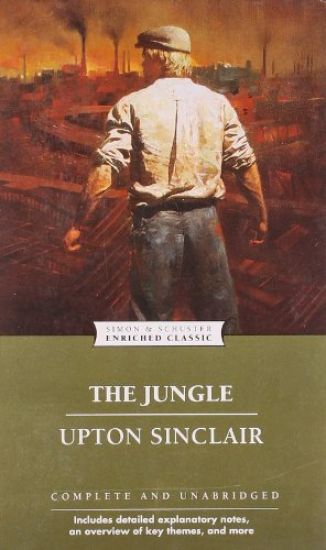
Enriched Classics offer readers accessible editions of great works of literature enhanced by helpful notes and commentary. Each book includes educational tools alongside the text, enabling students and readers alike to gain a deeper and more developed understanding of the writer and their work.Upton Sinclair’s unflinching chronicle of crushing poverty and oppression set in Chicago in the early 1900s. A landmark work of social commentary, Sinclair’s work diligently exposes the inhumane and brutal sides of capitalism. Enriched Classics enhance your engagement by introducing and explaining the historical and cultural significance of the work, the author’s personal history, and what impact this book had on subsequent scholarship. Each book includes discussion questions that help clarify and reinforce major themes and reading recommendations for further research. Read with confidence.




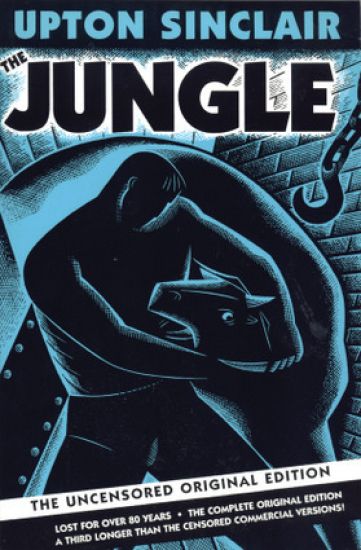
For nearly a century, the original version of Upton Sinclair's classic novel has remained almost entirely unknown. When it was published in serial form in 1905, it was a full third longer than the censored, commercial edition published in book form the following year. That expurgated commercial edition edited out much of the ethnic flavor of the original, as well as some of the goriest descriptions of the meat-packing industry and much of Sinclair's most pointed social and political commentary. The text of this new edition is as it appeared in the original uncensored edition of 1905. It contains the full 36 chapters as originally published, rather than the 31 of the expurgated edition. A new foreword describes the discovery in the 1980s of the original edition and its subsequent suppression, and a new introduction places the novel in historical context by explaining the pattern of censorship in the shorter commercial edition.

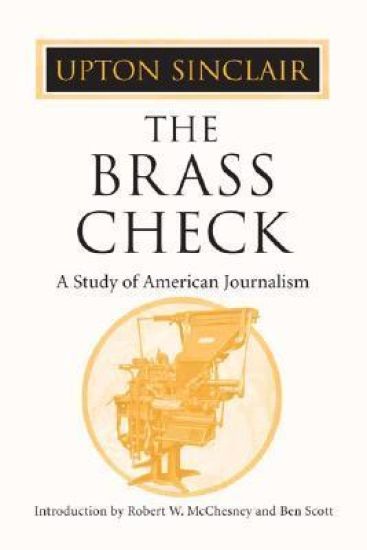
In this systematic critique of the structural basis of U.S. media -- arguably the first one ever published -- Upton Sinclair writes that “American journalism is a class institution serving the rich and spurning the poor.” Likening journalists to prostitutes, the title of the book refers to a chit that was issued to patrons of urban brothels of the era. Fueled by mounting disdain for newspapers run by business tycoons and conservative editors, Sinclair self-published The Brass Check in the years after The Jungle had made him a household name. Despite Sinclair’s claim that this was his most important book, it was dismissed by critics and shunned by reviewers. Yet it sold over 150,000 copies and enjoyed numerous printings. A substantial introduction to this paperback edition by Robert W. McChesney and Ben Scott asserts the book’s importance as a cornerstone critique of commercial journalism and a priceless resource for understanding the political turbulence of the Progressive Era.