Kirjojen hintavertailu. Mukana 12 409 298 kirjaa ja 12 kauppaa.
Kirjailija
Roland Barthes
Kirjat ja teokset yhdessä paikassa: 100 kirjaa, julkaisuja vuosilta 1966-2026, suosituimpien joukossa Roland Barthes Reader. Vertaile teosten hintoja ja tarkista saatavuus suomalaisista kirjakaupoista.
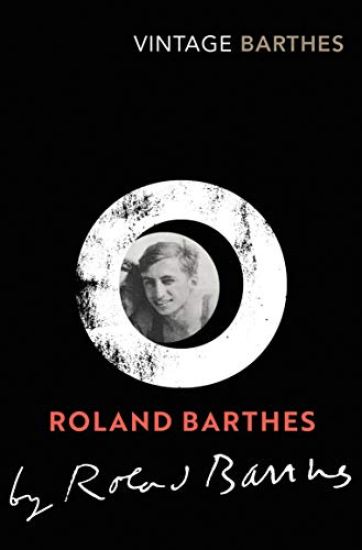
The only autobiography by the great Roland Barthes, philosopher, literary theorist and semiotician.This is the autobiography of one of the greatest minds of the twentieth century. As idiosyncratic as its author, Barthes plays both commentator and subject to reveal his tastes, habits, passions and regrets. No event, relationship or thought is given priority over any other; no attempt to construct a narrative is made. And yet, via a series of vignettes, Barthes's life and views on a multitude of subjects emerge - from money and love to language and truth.WITH AN INTRODUCTION BY ADAM PHILLIPS
Album provides an unparalleled look into Roland Barthes's life of letters. It presents a selection of correspondence, from his adolescence in the 1930s through the height of his career and up to the last years of his life, covering such topics as friendships, intellectual adventures, politics, and aesthetics. It offers an intimate look at Barthes's thought processes and the everyday reflection behind the composition of his works, as well as a rich archive of epistolary friendships, spanning half a century, among the leading intellectuals of the day.Barthes was one of the great observers of language and culture, and Album shows him in his element, immersed in heady French intellectual culture and the daily struggles to maintain a writing life. Barthes's correspondents include Maurice Blanchot, Michel Butor, Jacques Derrida, Michel Foucault, Julia Kristeva, Claude Lévi-Strauss, Georges Perec, Raymond Queneau, Alain Robbe-Grillet, Marthe Robert, and Jean Starobinski, among others. The book also features documents, letters, and postcards reproduced in facsimile; unpublished material; and notes and transcripts from his seminars. The first English-language publication of Barthes's letters, Album is a comprehensive testimony to one of the most influential critics and philosophers of the twentieth century and the world of letters in which he lived and breathed.
Giorgio Agamben; Ariella Azoulay; Roland Barthes; Georges Didi-Huberman; Harun Farocki; Morgan Fisher; Coco Fusco; Rosalind Krauss; Allan Sekula; Hito Steyerl
Proposing an alternative history of the optical image, Picture Industry explores the materiality of images and the technologies that govern their reception.Spanning from the late 19th century to the present with images produced for scientific and artistic contexts, Picture Industry includes the work of more than 70 artists and practitioners. But this is not a typical exhibition catalog; it goes beyond the exhibition, presenting an anthology of texts that reveal the range of methodological approaches to the world of images. Picture Industry brings together essays by, among others, Giorgio Agamben, Cory Arcangel, Ariella Azoulay, Roland Barthes, Georges Bataille, Jean Baudrillard, Ericka Beckman, Walter Benjamin, Georges Didi-Huberman, Thomas A. Edison, Harun Farocki, Morgan Fisher, Vilem Flusser, Coco Fusco, Tristan Garcia, Octavio Getino and Fernando Solanas, Sigfried Giedion, Mark Godfrey, Kenneth Goldsmith, Dan Graham, Friedrich A. Kittler, Boris Mikhailov, Craig Owens, Erwin Panofsky, Seth Price, Siegfried Kracauer, Rosalind Krauss, Bruno Latour, Etienne-Jules Marey, Martha Rosler, Allan Sekula, Hito Steyerl, William Henry Fox Talbot, Gilles de la Tourette and Alan Turing.
En vigtig, fremsynet og inspirerende tekst om fotografiets væsen af den franske tegntyder og filosof. Endnu ikke overgået af nogen. Nu i ny 3. udgave 2018.
Dagen efter moderns död den 26 oktober 1977 påbörjade Roland Barthes Sorgedagbok. Han kommer där att följa processen att sörja en älskad människas bortgång lika nära som han i Kärlekens samtal följt förälskelsens process, genom att studera relationen till det som blir kvar efter en människa och det som går förlorat i och med hennes död. På 330 vita kort registrerade han varje reaktion, varje förnimmelse under sorgearbetet. Boken kom att bli Barthes mest personliga verk. Med filosofins och litteraturens hjälp blottläggs det mest intima och utlämnade hos en människa. Genom sin kompromisslöst utforskande ärlighet ger Sorgedagbok ett viktigt bidrag till vår kunskap om oss själva. Sällan har litteraturen tjänat ett så tydligt syfte: att vara till tröst. Roland Barthes, född 12 november 1915 i Cherbourg, död 26 mars 1980 i Paris. Fransk författare, semiotiker och professor på Collège de France. Hans texter har haft stort inflytande inom en rad fält, speciellt inom semiotik, litteraturvetenskap och textteori. Bland hans mest betydande filosofiska verk räknas Litteraturens nollpunkt (1953) och Kärlekens samtal (1977).
Album provides an unparalleled look into Roland Barthes's life of letters. It presents a selection of correspondence, from his adolescence in the 1930s through the height of his career and up to the last years of his life, covering such topics as friendships, intellectual adventures, politics, and aesthetics. It offers an intimate look at Barthes's thought processes and the everyday reflection behind the composition of his works, as well as a rich archive of epistolary friendships, spanning half a century, among the leading intellectuals of the day. Barthes was one of the great observers of language and culture, and Album shows him in his element, immersed in heady French intellectual culture and the daily struggles to maintain a writing life. Barthes's correspondents include Maurice Blanchot, Michel Butor, Jacques Derrida, Michel Foucault, Julia Kristeva, Claude Levi-Strauss, Georges Perec, Raymond Queneau, Alain Robbe-Grillet, Marthe Robert, and Jean Starobinski, among others. The book also features documents, letters, and postcards reproduced in facsimile; unpublished material; and notes and transcripts from his seminars. The first English-language publication of Barthes's letters, Album is a comprehensive testimony to one of the most influential critics and philosophers of the twentieth century and the world of letters in which he lived and breathed.
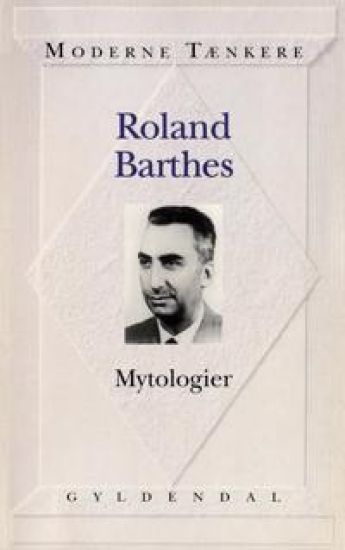
I en lang række spidse, små essays analyserer Roland Barthes den moderne tids myter. Mytologier er det første eksempel på det, der senere blev kendt som semiologi, og den blev anset for at være startskuddet til 1970'ernes ideologikritik. Bogen er et nyt oplag af udgaven fra 1996, der dengang var med revideret oversættelse, og hvor flere hidtil uoversatte essays var tilføjet.
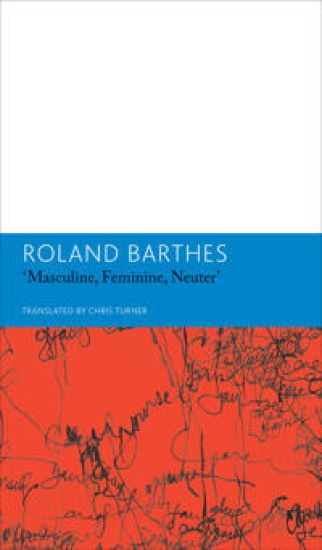
Last season, Seagull Books published the first three volumes in a new series collecting essays and interviews by the late French thinker Roland Barthes. This season they’ll bring the five-volume set to completion with the publication of “Masculine, Feminine, Neuter” and Signs and Images.“Masculine, Feminine, Neuter,” consists of Barthes’s writing on literature, covering his peers and influences, writers in French and other languages, contemporary and historical writers, and world literature. This volume comprises Barthes critical articles and interviews previously unavailable in English. Taken together, the five volumes in this series are a gift to Barthes’ many fans, helping to round out our understanding of this restless, protean thinker and his legacy.
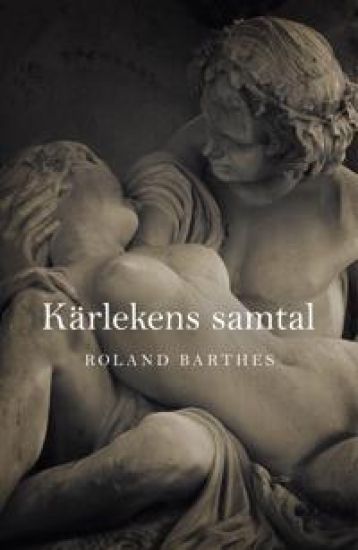
Den utökade versionen för första gången på svenska. »En underbar bok.« Torbjörn Elensky, Sveriges Radio, P1 »Det är vackert, känslosamt, sökande. Det är, som Carin Franzén skriver i sitt fina förord, ett utpekande av kärlekens beroende av symboliska koder.« Ingrid Bosseldal, Göteborgs-Posten Kärlekens samtal var en revolutionerande bok när den utkom och har sedan dess räknats till världslitteraturens mest egensinniga böcker om kärlek. I en samling korta, intensiva texter skriver Roland Barthes om den älskades allra känsligaste ögonblick: i mötet, väntan, bekräftelsen, omfamningen, hänryckningen, förvirringen, ängslan, svartsjukan, grälet, förståelsen, ömheten. Samt om hur kärleken manifesterar sig i språket. I dialoger med allt från kanoniska storheter som Freud, Goethe, Platon, Nietzsche och Proust till zen-mystiker, reflekterar Barthes över ämnet som så få filosofer vågat sig på i grunden men som vi alla egentligen helst läser om. För första gången presenteras nu Kärlekens samtal [Fragments d´un discours amoreux] på svenska med de tjugo ytterligare fragment - sammanlagt över 50 sidor - som ingick i de föreläsningar Barthes höll vid verkets tillkomst, och som publicerats postumt. I översättning av Leif Janzon och med ett nyskrivet förord av Carin Franzén, professor i språk och kultur på Linköpings universitet. ROLAND BARTHES [1915 1980] var en fransk filosof och litteraturteoretiker. En av historiens mest berömda och originella kritiker, med stort inflytande över framväxten av teorier som strukturalism, poststrukturalism och semiotik. Till hans viktigaste verk hör även Litteraturens nollpunkt och Mytologier. »Det är en lika fascinerande som svårplacerad bok. Lärd men lättfotad, sprängfylld av referenser men inte teoretisk. Sällan formuleras Roland Barthes tankar om språkets otillräcklighet så mångbottnat och så passionerat som när han skriver om kärleken.« Magnus Bremmer, Svenska Dagbladet »Kärlekens samtal är en underbar bok. Hög och klar, och förunderligt lättläst. Stilen flyter, trots att den i så hög grad är baserad på läsningar.« Torbjörn Elensky, Sveriges Radio, P1
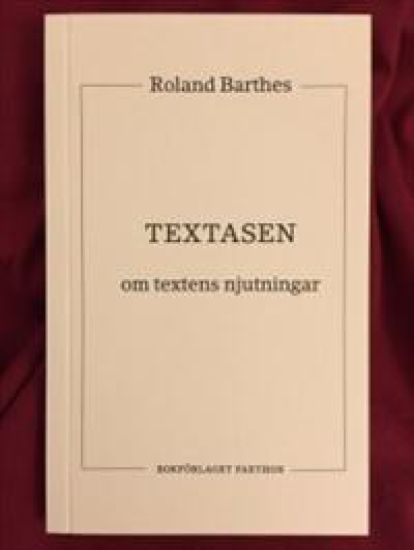
Barthes bok om textens och läsandets njutning, i original Le plaisir du texte, utkom första gången 1973 och utgör en brytpunkt i Barthes författarskap. Här presenteras boken i nyöversättning av Daniel Pedersen lagom till 100 årsjubileet av Barthes födelse, med förord av Horace Engdahl och efterord av Lydia Wistisen.
Roland Barthes var Frankrikes ledende intellektuelle, og en kjent litteraturkritiker, semiolog, sosiolog og filosof. Han hadde sitt gjennombrudd på 60-tallet, som talsmann for litterær strukturalisme. Boka presenterer et utvalg av hans essays og artikler. Med noter og bibliografi.
Roland Barthes, whose centenary falls in 2015, was a restless, protean thinker. A constant innovator, often as a daring smuggler of ideas from one discipline to another, he first gained an audience with his pithy essays on mass culture and then went on to produce some of the most suggestive and stimulating cultural criticism of the late twentieth century, including Empire of Signs, The Pleasure of the Text, and Camera Lucida. In 1976, this one time structuralist outsider was elected to a chair at France's preeminent College de France, where he chose to style himself as professor of literary semiology until his death in 1980. The greater part of Barthes's published writings have been available to a French audience since 2002, but here, translator Chris Turner presents a collection of essays, interviews, prefaces, book reviews, and other journalistic material for the first time in English. Divided into five themed volumes, readers are presented in volume two, 'The "Scandal" of Marxism' and Other Writings on Politics, with a wide range of Barthes's more overtly political writings, with an emphasis on his early work and the serious national turbulence in the French 1950s.
Roland Barthes, whose centenary falls in 2015, was a restless, protean thinker. A constant innovator, often as a daring smuggler of ideas from one discipline to another, he first gained an audience with his pithy essays on mass culture and then went on to produce some of the most suggestive and stimulating cultural criticism of the late twentieth century, including Empire of Signs, The Pleasure of the Text, and Camera Lucida. In 1976, this one time structuralist outsider was elected to a chair at France's preeminent College de France, where he chose to style himself as professor of literary semiology until his death in 1980. The greater part of Barthes's published writings have been available to a French audience since 2002, but here, translator Chris Turner presents a collection of essays, interviews, prefaces, book reviews, and other journalistic material for the first time in English. Divided into five themed volumes, readers are presented in volume five, 'Simply a Particular Contemporary': Interviews, with four interviews Barthes conducted between 1970 and 1979, varying widely in style and content.
Roland Barthes, whose centenary falls in 2015, was a restless, protean thinker. A constant innovator, often as a daring smuggler of ideas from one discipline to another, he first gained an audience with his pithy essays on mass culture and then went on to produce some of the most suggestive and stimulating cultural criticism of the late twentieth century, including Empire of Signs, The Pleasure of the Text, and Camera Lucida. In 1976, this one time structuralist outsider was elected to a chair at France's preeminent College de France, where he chose to style himself as professor of literary semiology until his death in 1980. The greater part of Barthes's published writings have been available to a French audience since 2002, but here, translator Chris Turner presents a collection of essays, interviews, prefaces, book reviews, and other journalistic material for the first time in English. Divided into five themed volumes, readers are presented in volume one, 'A Very Fine Gift' and Other Writings on Theory, with Barthes's attempts to frame his lifelong curiosities in theoretical form, from his early musings on the sociology of literature through his high period of structuralism to his later reflections on Derrida.
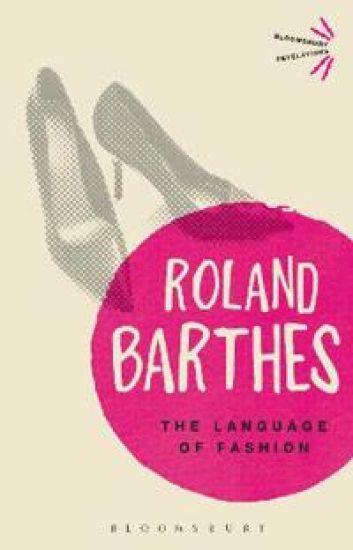
Roland Barthes was one of the most widely influential thinkers of the 20th Century and his immensely popular and readable writings have covered topics ranging from wrestling to photography. The semiotic power of fashion and clothing were of perennial interest to Barthes and The Language of Fashion - now available in the Bloomsbury Revelations series - collects some of his most important writings on these topics. Barthes' essays here range from the history of clothing to the cultural importance of Coco Chanel, from Hippy style in Morocco to the figure of the dandy, from colour in fashion to the power of jewellery. Barthes' acute analysis and constant questioning make this book an essential read for anyone seeking to understand the cultural power of fashion.
In 1974 Roland Barthes travelled in China as part of a small delegation of distinguished French philosophers and literary figures. They arrived in China just as the last stage of the Cultural Revolution was getting underway - the campaign to criticize Lin Biao and Confucius. While they were welcomed by writers and academics, the travelers were required to follow a pre-established itinerary, visiting factories and construction sites, frequenting shows and restaurants that were the mainstay of Western visitors to China in the 70s. Barthes planned to return from the trip with a book on China: the book never materialized, but he kept the diary notes he wrote at the time. The notes on things seen, smelled and heard alternate with reflections and remarks - meditations, critiques or notes of sympathy, an aside from the surrounding world. Published now for the first time more than thirty years after the trip, these notebooks offer a unique portrait of China at a time of turbulence and change, seen through the eyes of the world’s greatest semiotician.